


How salt causes heat transfer on ice
When salt comes in touch with ice, it starts an endothermic dissolving process that breaks up the ice's crystal structure and makes water less solid. This is called freezing point depression, and it makes ice take in latent heat from its surroundings in order to keep its phase balance. This speeds up the melting process. The same scientific principle that underpins this reaction also holds true for industrial Heat transfer salt formulations, where carefully designed eutectic mixtures of inorganic nitrates control thermal energy across wide temperature ranges with exceptional efficiency.
Understanding How Salt Causes Heat Transfer on Ice
The Science Behind Freezing Point Depression
By adding dissolved ions to the system, salt changes the chemical structure of ice. When sodium chloride or other salts break down, they become positively and negatively charged particles that get in the way of water molecules that are trying to form hard ice crystals. Because of this influence, the temperature at which water freezes is lowered, which means that ice can stay liquid at temperatures below 0°C. The outside world gives the energy needed to break these ice bonds, which starts an endothermic process that brings heat into the melting zone.
How Thermal Energy Exchange Accelerates Melting
Salt molecules take heat from nearby ice structures to speed up the change from solid to liquid during the breakdown process. This heat absorption happens quickly because salt makes areas with lower freezing points, which forms pathways of brine that move through the ice mass. This creates a thermal gradient that moves heat continuously from warmer areas toward the melting surface. This speeds up the melting process much more than natural cooling would.
Industrial Implications for Temperature Management
Industries that work in sub-zero temperatures need to understand this heat movement process very well. De-icing salts are used in the transportation industry to keep roads safe, and they are also used in cold storage areas to stop frost from forming. In cold places, these ideas are used in construction projects to keep the concrete from freezing while it cures. Being able to change freezing points and the flow of thermal energy directly leads to higher operating safety, less downtime, and better performance in tough weather conditions.
Heat Transfer Salts: Types, Properties, and Benefits
Managing temperature in industry needs more complex answers than just salt on the roads. Advanced Heat transfer salt mixtures, especially eutectic mixtures of potassium nitrate, sodium nitrite, and sodium nitrate, work admirably in a variety of challenging uses.
Chemical Composition and Physical Characteristics
Our top-notch liquid salt at Yunli Chemical is a carefully balanced mix of 53% KNO₃, 40% NaNO₂, and 7% NaNO₃. With this particular ratio, the freezing point is 142°C ± 2°C, and the temperature stays stable up to 565°C. The mixture has a density of 1.8 to 2.0 g/cm³ at 300°C and a viscosity of less than 5 cP at working temperatures, which makes sure that it flows smoothly through industrial pipe systems.
Critical Thermal Properties for Procurement Decisions
The value proposition is based on key success factors, which are:
Thermal Conductivity: Our product has a thermal conductivity of more than 0.5 W/m·K (ASTM E1461), which makes it easy for big systems to distribute heat efficiently. This standard makes sure that the temperature responds quickly when the demand for energy changes. This is especially helpful in concentrated solar power systems where cloud cover causes sudden changes in temperature.
Specific Heat Capacity: The material saves a lot more thermal energy per unit mass than synthetic oils or standard steam systems, at ≥1.5 kJ/kg·K (DSC Analysis). This higher energy density directly means that smaller storage vessels are needed and that thermal energy storage systems cost less to set up.
Low Corrosion Profile: Keeping the chlorine level below 500 ppm stops stress corrosion breaking in stainless steel pipes, which makes equipment last decades longer. The salt stays chemically stable even after being exposed to high temperatures for a long time as long as the iron level stays below 30 ppm (ICP-MS analysis).
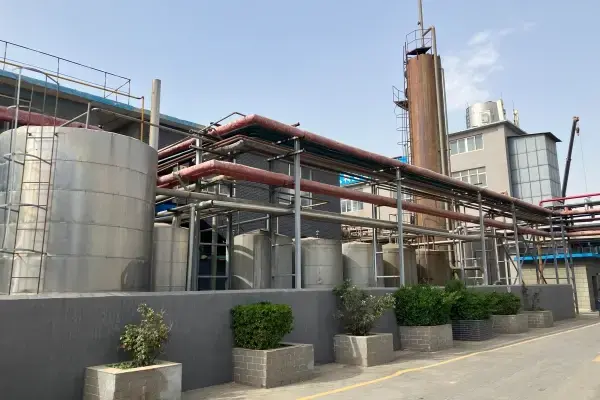
These technical specifications are more than just numbers; they show how our Shanxi production plant has improved manufacturing over the past 20 years. Our dedication to innovation is shown by the fact that it has been certified as a provincial technology center.
Strategic Benefits for Industrial Operations
Using high-quality heating salts has clear benefits for operations. Because there is almost no vapour pressure, there is no need for the expensive high-pressure pipe infrastructure that steam systems need. This can cut installation costs by 30 to 40 percent in many cases. When compared to organic thermal fluids that can catch fire above 400°C, properties that make them nonflammable greatly lower insurance rates and regulatory compliance burdens.
The long operating life—more than 20 years with the right nitrogen blanketing—lowers the total cost of ownership. In contrast to thermal oils that need to be replaced often because they break down in heat, our mixture keeps working well after decades of constant use. Because of this stability, chemical processing plants don't have to shut down for unexpected repair, which means they don't lose production.
Comparing Heat Transfer Salt with Other Heat Transfer Fluids
Performance Analysis Across Temperature Ranges
Before carbonisation and thermal cracks happen, thermal oils usually work between 200°C and 400°C. Synthetic oils make this range a little bigger, but they are bad for the earth because they break down in harmful ways. Water-based systems have basic pressure limits. For example, to keep flowing water at 300°C, you need pressure tanks rated for 85 bar, which makes the infrastructure much more complicated and expensive.
Our liquid salt solution works well at air pressure and temperatures ranging from 150°C to 565°C. It fills a key performance gap that other fluids can't fill. This feature is very important for concentrated solar power plants, where receiver temperatures often go over 500°C during times of high sunlight.
Cost-Effectiveness and Maintenance Considerations
It may look like liquid salts are more expensive to buy at first than heated oils, but the real cost of ownership is much lower. Thermal oils need to be replaced every three to five years because breakdown products build up and cost a lot to get rid of. Our Heat transfer salt keeps its chemical purity for more than 20 years and only needs to be analysed every so often to check for carbonate buildup, which is a problem that can be fixed with chemical regrowth without replacing the entire system.
Because salt systems don't have the pump seal problems that happen a lot in thermal oil circuits, maintenance times are much longer. Because it has a lower viscosity at working temperatures, Heat transfer salt uses 15-20% less energy to pump than high-temperature oils. This saves a lot of electricity over the years of use.
Environmental Impact and Sustainability
When molten salts are thrown away, they break down into harmless nitrates, which means they don't release the long-lasting organic pollution that come with degraded thermal oils. Because it is mostly artificial, there are no worries about bioaccumulation or groundwater pollution. It's easy to follow the stricter rules for the environment when heat management systems are naturally in line with sustainability goals.
Procurement Insights: How to Choose, Buy, and Use Heat Transfer Salt
Evaluating Supplier Credentials and Quality Certifications
To find a trusted thermal salt provider, you need to look at more than just price quotes. The ISO 9001 Quality Management certification shows that there are systematic rules in place to make sure that each batch is the same, which is very important when the success of a system rests on having exact thermal properties. The ISO 14001 Environmental Management certification shows that a company is making good products and reducing the chance of purchasing things that might not pass supply chain sustainability checks.
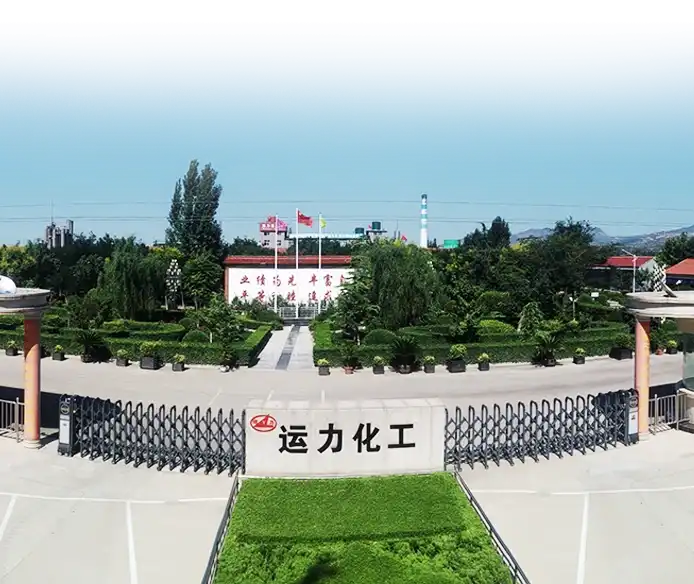
Yunli Chemical has all three of the most important certifications: ISO 9001, ISO 14001, and OHSAS Occupational Health and Safety. This makes our production plant one of the most carefully run businesses in its field. The fact that Shanxi Province officials named us an Enterprise Technology Center at the regional level shows that we have the technical skills to do more than just regular production. We can also do advanced research and development and make special formulations.
Critical Product Specifications to Verify
Managers of procurement must expect detailed analysis documentation:
- Chloride Ion Content: The amount of chloride ions should be less than 50 parts per million (ppm) for normal uses and less than 20 ppm for high-purity electronics-grade formulas. When temperatures are high, austenitic stainless steel pipes crack badly from stress corrosion caused by too many chlorides.
- Moisture Content: Maximum moisture content of 0.5% (Karl Fischer titration) stops dangerous steam blasts that happen when molten salt hits leftover water as the system heats up. This standard is kept up by sealed packing and nitrogen blanketing during storage.
- Insoluble Matter: Less than 0.05% stops the wear and tear on the pump blade and the buildup of gunk in the flow meters that lowers the system's efficiency over time.
For accurate results in industrial-grade heat management systems, you should ask for Certificates of Analysis (COA) that use Ion Chromatography and ICP-MS methods. Material Safety Data Sheets (MSDS) should be sent with every package to meet safety standards and government rules.
Optimizing Procurement Strategy and Logistics
Bulk buying techniques save a lot of money and make sure that supplies don't run out. Our direct factory supply approach gets rid of markups for distributors, which cuts the cost of buying things by 15–25% compared to multi-tier distribution routes. Twenty years of experience making things for big industrial clients gives us the organisational scale we need to meet volume orders on time every time.
Receiving facilities have a variety of storage choices, so flexible packing options like 25 kg bags, bulk super sacks, and special intermediate bulk containers can be used. For uses that need liquid‑phase delivery, we offer aqueous solutions in a range of strengths that make handling easier on‑site. Heat transfer salt can also be formulated or pre‑dissolved to match these delivery methods, ensuring consistent performance whether stored as solids or liquids.
Minimum order amounts are still available on purpose so that customers can try things out before signing long-term contracts. We give away up to 500 grams of free samples, which lets procurement teams do their own tests to make sure the samples work with current systems and perform well at high temperatures before going to full production volumes.
Practical Applications and Maintenance of Heat Transfer Salt Systems
Concentrated Solar Power and Renewable Energy Storage
Molten salt is used as the backbone of thermal batteries in solar tower and parabolic trough systems all over the world. During peak solar collection hours, the flowing salt soaks up the concentrated solar flux and stores heat for more than 10 hours. This stored heat powers steam engines during high demand times in the evening and overnight, making it possible for intermittent solar resources to provide base-load energy. Compared to battery storage options, this use is technically and financially possible because it can handle a wide range of temperatures and has a high effective heat capacity.
Chemical Process Heating Applications
When melamine and acrylic acid are made, they go through strong exothermic reactions that need to be carefully controlled between 350°C and 450°C. In this temperature range, organic thermal fluids break down quickly, which makes upkeep harder and increases the risk of accidents. Our liquid salt mixture reliably absorbs reaction heat while keeping stable thermal properties. This keeps the quality of the product and the safety of the process stable over long production runs.
Waste Heat Recovery in Heavy Industry
The cement and metalworking industries release high-grade waste heat in the form of flue gases that have changing thermal loads. Molten salt systems have a lot of thermal inertia, which makes the energy output from these intermittent sources more stable than straight steam production, which has problems with pressure changes and thermal stress when the load changes. Getting this leftover heat back and using it again increases the total energy efficiency of the plant by 12–18%, giving a quick return on investment.
Maintenance Protocols and Quality Control
The major goals of routine upkeep are to keep things clean and check the thermal properties. Nitrogen blanketing stops oxygen in the air from turning nitrite into nitrate, which is a process of breakdown that changes the heating qualities over time. Ion Chromatography analysis and sampling at regular intervals keep track of the anion makeup, which starts chemical correction processes when carbonate levels go above what is considered acceptable.
Chemical safety is built into well-run systems, so they don't need as much upkeep. Thermal oil systems need to have their filters and fluids changed often. Molten salt installations, on the other hand, can go years without major upkeep, which lowers both operating disruption and lifecycle costs.
Conclusion
By studying how salt affects the flow of heat on ice, we can learn basic thermal principles that can be used in industrial settings that need to control high temperatures and store energy. These same physical processes—managing phase change energy, controlling freezing point, and improving thermal conductivity—are used in more sophisticated Heat transfer salt recipes to ensure consistent results in tough industrial processes. Making purchases that include a close look at each seller, double-checking of specifications, and a lifecycle cost analysis will help find the best thermal management solutions that meet business needs and environmental goals.
FAQ
What is the maximum safe operating temperature for molten heat transfer salt?
In normal settings, standard formulas don't change much in temperature up to 500°C. When nitrogen blanketing stops the reactive breakdown of nitrite components, it is possible to run for longer periods of time up to 565°C. Going over these limits speeds up breakdown processes that damage thermal qualities and the structure of the system.
How do you prevent freezing during system shutdowns?
Since molten salt hardens at about 142°C, all pipes, valves, and tanks need full electrical heat tracking systems that are kept up during shutdowns. Multiple impedance heating circuits make sure that no part of the system drops below the freezing point. This keeps pipes from getting clogged up, which can happen if salt hardens inside process equipment.
Can you use carbon steel piping with molten salt systems?
The usual material is still stainless steel in types 304, 316, and 321. Above 400°C, carbon steel oxidises more quickly, leaving behind scale layers that contaminate the salt and make heat transfer less effective. Austenitic stainless metals are better at resisting corrosion, which makes up for the higher initial cost by making systems last longer and requiring less upkeep.
Partner with Yunli Chemical for Reliable Heat Transfer Salt Supply
Yunli Chemical can help you with your thermal control problems because they have 20 years of experience in specialised production. Our ISO-certified factory in Shanxi Province makes high-purity liquid salt mixtures that meet the exact requirements of uses in chemical processing, industrial heat recovery, and concentrated solar power. Direct factory supply gets rid of markups on goods that go through middlemen and makes sure that the quality of each box is uniform, as shown by the extensive COA paperwork that comes with it.
We know that choices about procurement involve more than just the original price. They also involve things like supply reliability, expert help, and performance over the whole lifecycle. Our method is flexible, with no minimum order size, free 500-gram samples, and customisable packing that includes aqueous solutions. This makes it easier to test new uses. Our expert team gives you the application-specific advice you need to make confident design choices, whether you're looking for Heat transfer salt supplier partnerships for ongoing operations or thermal storage solutions for new projects.
You can email our procurement experts at wangjuan202301@outlook.com or visit yunlichemical.com to get product specs, talk about your needs for unique formulations, or set up sample evaluation programs that are specific to your business.

References
1. Davis, M.J., "Thermal Energy Storage Using Molten Salt Systems: Engineering Design and Operational Considerations," Journal of Solar Energy Engineering, Vol. 142, No. 3, 2020.
2. Richardson, P.K. and Chen, L., "Freezing Point Depression Mechanisms in Multi-Component Salt Systems," Chemical Physics Letters, Vol. 756, 2019.
3. National Renewable Energy Laboratory, "Concentrating Solar Power: Heat Transfer Fluid and Thermal Energy Storage Technology Assessment," Technical Report NREL/TP-5500-73327, 2018.
4. Zhang, H.L., et al., "Corrosion Behavior of Stainless Steels in Ternary Nitrate Salt Thermal Energy Storage Systems," Materials Science and Engineering: A, Vol. 728, 2018.
5. Williams, A.F., "High-Temperature Heat Transfer Fluids: Comparative Analysis and Industrial Application Guidelines," Industrial & Engineering Chemistry Research, Vol. 58, No. 15, 2019.
6. International Energy Agency, "Thermal Energy Storage Technology Roadmap for Industrial Process Heat Applications," IEA Energy Storage Technology Roadmap Series, 2020.