





Is Cobalt Nitrate Solution Liquid Safe for Lab Use and Storage Today?
When evaluating whether cobalt nitrate liquid formulations are suitable for laboratory environments, the answer hinges on rigorous adherence to safety protocols and quality standards. Cobalt Nitrate Solution Liquid, when properly handled and stored, serves as a reliable chemical intermediate across catalyst synthesis, battery precursor manufacturing, and ceramic pigment applications. Its safety profile depends on concentration control, impurity management, and compliance with workplace chemical regulations. Understanding these factors enables procurement managers and R&D engineers to integrate this material confidently into production workflows while minimizing occupational and environmental risks.
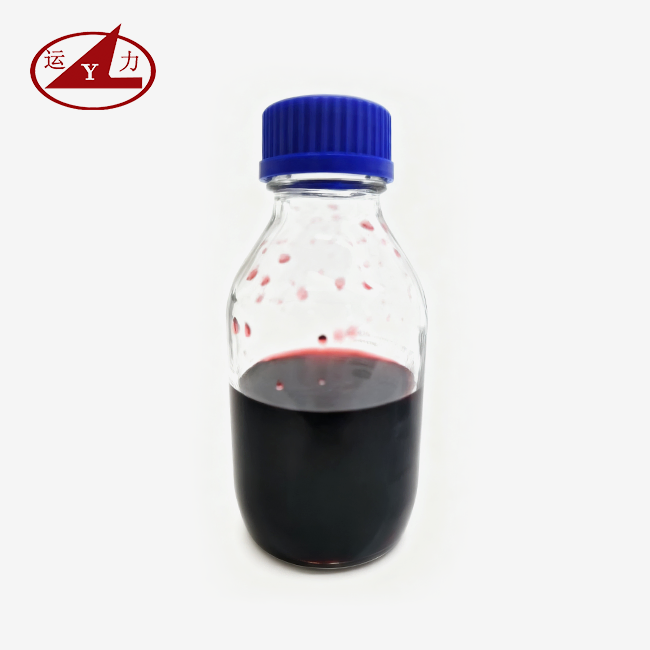
Understanding Cobalt Nitrate Solution Liquid: Properties and Uses
Chemical Composition and Physical Characteristics
Cobalt nitrate is a hydrated solid form that looks like red-brown crystals and has a molecular weight of 291.03 g/mol (CAS# 10026-22-9). It turns into a steady water-based solution that can be red to dark brownish-red, depending on how much is dissolved. The liquid form usually has 10–15 percent cobalt by weight, a specific gravity of 1.25 to 1.45 grams per milliliter at 20°C, and a pH of 2 to 4 to keep it from breaking down in water. This acidic environment keeps the ionic stability and allows direct integration into automatic dosing systems that are used in the co-precipitation and catalyst impregnation processes.
In its solid state, the material is very hygroscopic, meaning it quickly absorbs water from the air. This feature makes the liquid form ideal for industry setups, as it eliminates the risk of dust generation and ensures uniform molar concentrations. Because it dissolves easily in water, ethanol, and acetone, it can be used in a lot of different ways. However, it should be used with care because it oxidizes quickly. Exothermic reactions can happen when organic reducing agents or flammable materials come into contact with them. This is why different keeping methods are needed.
Industrial Applications Across Multiple Sectors
A lot of people who buy this solution are catalyst manufacturers, who use it to make hydrodesulfurization (HDS) catalysts for oil refining. The liquid form lets cobalt ions spread out evenly on alumina or silica supports using wet impregnation methods. This makes active sites that remove sulfur compounds from diesel and gasoline at high temperatures and pressures. Getting below 30ppm of iron pollution is very important here, because small amounts of ferrous impurities stop catalytic surfaces from working and shorten their life.
Cobalt nitrate solutions are used by companies that make battery materials to make Nickel-Cobalt-Manganese (NCM) and Nickel-Cobalt-Aluminum (NCA) cathode precursors for lithium-ion batteries. During continuous stirred-tank reactor (CSTR) co-precipitation, the liquid state makes it easier for atomic-level mixing with nickel and manganese sulfate solutions. This has a direct effect on the particle shape and electrical performance. It's important to keep the stoichiometric ratios needed for certain NCM variants, like NCM811 or NCM622, between batches so that the concentration stays stable within ±1%.
This chemical is used by ceramic and pigment makers to make cobalt blue glazes and artistic coats that stay stable at temperatures above 1200°C. It's used by paint companies as an activator for desiccants in alkyd resins, and pharmaceutical labs use analytical-grade forms to find potassium and study metal complexation. Different uses need different levels of purity. For example, electronics-grade formulas need less than 10ppm of heavy metals (Pb, Cd, and Cu) to meet standards in the semiconductor business.
Safety Data Sheet Essentials and Hazard Classification
Regulatory documents put cobalt nitrate solutions into more than one group of dangerous substances. The substance is very dangerous and can be ingested, breathed in, or touched on the skin. Long-term exposure has been linked to respiratory sensitization and possible cancerous effects. Depending on how much free nitric acid it has, the UN usually puts it in either UN 3082 (Environmentally Hazardous Substance, Liquid, N.O.S.) or UN 3264 (Corrosive Liquid, Acidic, Inorganic). DOT and IMDG rules say that the right labels must be used during transport and that emergency contact information must be included in shipping papers.
Because the nitrate anion can oxidize, it needs extra care. The solution doesn't catch fire, but when it breaks down at high temperatures, it releases oxygen that can make fires with flammable materials worse. Wooden pallets, cardboard boxes, and cleaning products with solvents must not be kept in storage places. Health (3), Flammability (0), and Reactivity (1) are the most common NFPA diamond grades. Oxidizer qualities are also noted. Material Safety Data Sheets (MSDS) should list pH ranges, specific gravity, and first aid steps to take in an emergency, such as washing your eyes with water right away and for at least 15 minutes after being exposed.
Assessing the Safety of Cobalt Nitrate Solution Liquid for Lab Use
Health Risks and Recommended Protective Measures
Different places have different limits on how much cobalt workers can be exposed to. For example, OSHA sets a limit of 0.02 mg/m³ for cobalt products that are measured as basic cobalt over 8 hours. "Hard metal disease," a type of interstitial lung fibrosis seen in people who work with aerosols that contain cobalt, can be caused by long-term breathing in. Even at low levels, skin contact can cause allergic dermatitis in people who are already sensitive, showing up as eczema-like rashes that last for a long time after exposure ends.
Instead of latex gloves, lab workers must wear nitrile gloves that are impermeable and at least 0.11 mm thick. Latex gloves are not chemically resistant enough to acidic solutions. Side shields on safety goggles protect against splashes, but full-face shields are better for moving things or working with more than 1 liter of liquid.
If engineering controls can't keep airborne concentrations below the limits for safe exposure, people will need to wear respirators with combination cartridges (NIOSH P100 particulate plus acid gas filters). Continuous local exhaust airflow with face speeds of 100 to 150 feet per minute at the hood opening should be used in work areas to get rid of the vapors that are made when things are heated up or mixed vigorously.
Storage Guidelines: Temperature, Containers, and Labeling
The best place to store things is out of direct sunlight and away from heat sources, where the temperature stays between 15°C and 25°C. Freezing or too much heat can change how stable a solution is. For example, temperatures above 30°C speed up the absorption of nitric acid and change the concentration patterns.
Cobalt Nitrate Solution Liquid must be handled with particular attention to these thermal effects, as its stability is especially sensitive to temperature fluctuations. Crystallization can happen in places where winter temperatures drop below 5°C. To stop this, protected storage or warming containment is needed. Crystallization can block automated feeding systems and cause concentration differences inside drums.
The choice of container affects both the safety of the workplace and the security of chemicals. High-density polyethylene (HDPE) drums are a cheap way to store concentrations of up to 50% cobalt, and secondary containment trays catch any leaks that might happen. For long-term bulk storage, stainless steel grades 316L or titanium are better at resisting corrosion.
This is especially true in ISO tank configurations that are used for shipping goods across continents. Glass containers are good for analytical materials, but they can break when they are handled regularly. Labels must be clearly visible on all containers and must include the chemical name, concentration, CAS number, hazard pictograms (GHS symbols for oxidizers, corrosives, and health hazards), and the date the container was received or made.
Regular inspections should be done to make sure that the seals are still intact, since solutions get too concentrated when they evaporate through broken closes. Putting batch numbers and Certificates of Analysis (CoA) reference codes on secondary labels makes it easier to track products during quality audits. Putting up chemical compatibility charts in storage areas keeps things like ammonia, cyanides, and reducing agents from getting mixed up by mistake.
Comparative Safety Analysis: Cobalt Salts Selection
There are clear trade-offs between safety and performance when you compare cobalt nitrate solutions to other salts. Cobalt chloride hexahydrate (CoCl₂·6H2O) is 15–20% less expensive per mole than cobalt, but it contains chloride ions that are poisonous in industrial processes and eat away at stainless steel tools. It's harder to work with solids because it absorbs more water, but water-based products stay fixed. The levels of toxicity are about the same, and both compounds need the same PPE and exposure controls.
Cobalt sulfate heptahydrate (CoSO₄·7H2O) is safer to handle because its non-oxidizing anion lowers the chance that a fire will get worse. But sulfate impurities get in the way of some electroplating methods and pottery paint recipes that need to accurately show colors. Compared to nitrate-based solutions, it is less useful because it doesn't dissolve as well in organic solvents. When it comes to NCM precursors, battery makers often choose sulfate because it better balances the pH during co-precipitation. On the other hand, catalyst makers prefer nitrate because it breaks down more cleanly during the calcination stages.
Cobalt acetate tetrahydrate doesn't corrode easily and dissolves easily, but it breaks down at low temperatures, releasing acetic acid vapors that need extra ventilation controls. Because it is so much more expensive (often 3–4¢ per kilogram of cobalt), it can only be used to make specialty medicinal products and fine chemicals. These things must be weighed by purchasing managers against the impurity limits that are needed for each application. For example, catalyst and battery industries tend to use nitrate solutions because they have the best mix of purity, reactivity, and cost-effectiveness.
Comparing Cobalt Nitrate Solution Choices for Procurement
Quality Criteria and Supplier Verification
B2B procurement teams judge suppliers based on quality indicators that can be measured, not just the purity percentages they say they offer. Cobalt content accuracy should show less than 0.2% deviation from stated specifications across multiple production batches, as shown by ICP-OES or EDTA complexometric titration. To meet the needs of catalyst- or battery-grade materials, impurity profiling with ICP-MS must measure sodium (<50ppm), iron (<30ppm), nickel (<20ppm), copper (<10ppm), and lead (<5ppm). When suppliers give full spectral analysis results instead of just showing a few parameters, it means they are honest and have strong quality control systems.
Certificates of Analysis should have data on pH, density, insoluble matter (<0.01%), and free acid level that is unique to each batch. Standardized production controls are shown by ISO 9001:2015 certification, and environmental management skills needed for sustainable supply chains are shown by ISO 14001 compliance.
For European markets, REACH pre-registration numbers and TSCA listings make sure that the product is legal to sell in the US. This keeps imports from being held up at customs or rejected. Asking for audit results from SGS or Bureau Veritas from a third party adds an extra layer of independence to the checking process, especially when looking at new sources in emerging markets.
Regulatory Compliance and Environmental Considerations
Environmental, social, and governance (ESG) factors are being used more and more in chemical buying, above and beyond basic legal compliance. Suppliers showing closed-loop wastewater recycling systems turn nitrate-rich waste into sodium nitrate for use in agriculture. This lowers the risk of eutrophication in waterways.
Using absorption towers to collect NOx emissions stops acid rain from happening, which is in line with the EPA Clean Air Act and the EU Industrial Emissions Directive. When customers are under pressure from stakeholders to decarbonize supply lines or meet ISO 14064 greenhouse gas accounting requirements, these operating traits become ways to stand out from the competition.
REACH dossiers should confirm classification under Annex XVII restrictions, especially for the reproductive toxicity category of cobalt salts. The classification by the European Chemicals Agency (ECHA) as Carc. 1B, Answer. Sens. 1 and Aquatic Chronic 2 require specific contact responsibilities from users further downstream. US buyers need to make sure that sellers keep up-to-date SDS formats that are in line with OSHA HCS 2012 (or a later version of GHS), which include Section 15 regulatory details about CERCLA reportable quantities and SARA Title III reporting limits.

Supplier Comparison and Procurement Strategy
Chemical distributors with a long history, like Sigma-Aldrich and Merck, offer analytical-grade solutions with perfect paperwork, including Cobalt Nitrate Solution Liquid, but they charge a lot (often $200 to $400/kg for small amounts). Their main selling point is that their products are consistent from lot to lot, they are available all over the world, and they can send samples quickly, which is great for R&D labs doing experimental research. The smallest amount you can order is usually 100g, and you won't get a bulk price until you buy more than 10 kg a year.
For large-scale use, buying directly from manufacturers through specialized companies like Yunli Chemical saves a lot of money. For shipments of 1000 kg or more, factory-direct prices for catalyst- or battery-grade solutions range from $8 to $15/kg FOB, which is 70 to 80% less than what distributors charge for markups.
Customization options include changing the percentage (10–50% cobalt), the pH, and the impurity specifications without having to meet a minimum order quantity. Longer lead times (7–10 days for bulk delivery vs. 1-2 days for distributor stock items) and the need for separate quality control procedures until supply relationships are more stable are the costs of this approach.
The growth of the battery industry has led regional makers in India and China to greatly increase their production capacity. Quality variation is still higher than with European or Japanese makers, which is why strict checking programs are needed when goods come in. More and more, procurement strategies use two types of suppliers: high-quality materials from certified Western suppliers for important production batches, and cheaper materials from Asian suppliers for everyday uses. This method strikes a balance between lowering risk and making the most money possible, which is especially important as trade policies and tariffs change.
How to Safely Buy and Store Cobalt Nitrate Solution Liquid for Your Lab
Sourcing Certified Suppliers and Verification Protocols
Checking export and manufacturing licenses is the first step in finding qualified suppliers. Chinese manufacturers should have "Hazardous Chemicals Production License" permits from their provincial safety bureaus. EU suppliers, on the other hand, need to be registered under REACH and have their production volumes matched to the tonnage bands. You can check the cleanliness of production areas, the infrastructure for storage, and the skills of the quality control lab by asking for facility audit reports or taking virtual plant trips through videoconferencing.
Sample assessment is the most important part of qualifying a seller. Initial 500g samples should be thoroughly tested, which should include ICP chemical analysis, pH measurement, density confirmation, and eye inspection for particles or color changes. By storing samples at 40°C for 30 days as part of accelerated aging tests, problems with stability that could happen during shipping or long-term storage are found. When you compare the analytical results to the COAs given by the seller, you can see differences that need to be looked into further or the supplier should be disqualified.
Logistics Management and Chemical Integrity Preservation
Logistics of transportation have a big effect on the quality of the delivered goods, especially when they are shipped internationally. Ocean freight in ISO tanks is good for large amounts (20–25 metric tons), but it can be affected by changes in temperature and takes longer to get from Asia to the US (30–45 days). When production plans are tight or yearly temperature extremes threaten product stability, air freight in UN-certified drums (50–200 kg) keeps the environment cleaner and cuts transport time to 5–7 days, which justifies higher costs.
Incoterms impact risk transmission and cost distribution. Cost, Insurance, Freight (CIF) laws require sellers to handle principal carriage. This simplifies imports but makes freight forwarder selection difficult, which might impair delivery reliability. FOB (Free On Board) terms let customers choose carriers and shipment methods. This allows buyers utilize chemical logistics providers with temperature-controlled containers and real-time GPS. DDP (Delivered Duty Paid) eliminates customs headaches, however mid-sized manufacturers don't frequently know the destination country's import requirements.
Upon receipt, quality checks should be done right away to check the temperature of the solution, look for damage in the packaging, and make sure the seal is still intact before acceptance signatures are signed. Materials that are contaminated or don't meet specifications can't get into production settings because of quarantine procedures that hold packages until full analytical verification. Setting clear rejection criteria with suppliers and writing them down in buy agreements makes it easier to deal with deliveries that don't meet requirements and saves production plans.
Storage Infrastructure and Routine Maintenance Practices
Chemical storage rooms should have spill containment systems made of chemical-resistant materials like polyethylene or epoxy-coated concrete that can hold 110% of the largest container's volume. Automatic temperature tracking with warning systems lets people know when conditions stray from the ideal range of 15–25°C. Humidity control stops condensation from forming on the surface of partly filled containers, which could dilute the solution layers on top.
Following FIFO (First In, First Out) rules for container movement reduces the chance of going over the suggested shelf life, which is usually 12 to 24 months for high-purity solutions kept in ideal conditions. Visual checks are done once a month to see if the containers are bulging, discoloring, or crystallizing around the lids. Every three months, samples are taken to make sure that the concentration is stable by measuring their density. As required by ISO 17025 for certified labs, thorough inventory logs must be kept that record batch numbers, arrival dates, and consumption rates.
During in-lab transfers, secondary containment is provided by nested trays and funnels that catch drips and keep the floor clean so that there are no slip hazards or environmental releases. Automated filling systems with peristaltic pumps get rid of the need to pour by hand, which is especially beneficial when handling Cobalt Nitrate Solution Liquid, as this lowers the risk of exposure and improves dose accuracy to within 0.5% for catalyst impregnation processes. Within 18 to 24 months, these systems pay for themselves through less waste, less PPE use, and fewer accidents.
Ensuring Long-Term Safe Use: Recommendations and Best Practices
Comprehensive Safety Training and PPE Protocols
Handling cobalt compounds correctly starts with training programs that are tailored to each job. Lab workers need to be taught the right way to put on and take off PPE, how to handle a spill, and where to find emergency eyewash stations. Production workers need to be taught how to calibrate automated dosing systems, how to handle containers safely, and how to spot solutions that don't look right, which can be a sign of quality problems. It's helpful for procurement staff to know how differences in specifications affect safety further down the line. This lets them negotiate with suppliers more effectively about impurity limits and packaging options.
As regulations change and employees leave, annual refresher courses keep people up to date on their skills. Using incident case studies, like the one at the European catalyst plant in 2018 where cobalt nitrate came into contact with organic solvents and caused a flash fire, helps students understand what happens when they don't follow the rules. Keeping signed attendance records and competency tests as proof of training completion provides audit trails that meet OSHA Process Safety Management (PSM) standards for facilities that handle amounts above the planning levels.
Monitoring and Documentation Systems
More and more modern labs are using digital inventory management systems that include SDS files, tracking of expiration dates, and automatic prompts for reordering. By putting a barcode or RFID tag on each container, its location can be tracked in real time, and its consumption can be monitored. This creates data analytics that can find patterns in usage and help buyers decide how much to buy. Cloud-based platforms make it easier for multiple sites to work together, making sure that handling procedures are the same in research centers or production facilities that are in different parts of the world.
Regulatory compliance calendars keep track of when to update SDS (every three years or whenever the formula changes), review OSHA 300 Logs, and renew permits. Instead of giving compliance oversight to operating managers, it is better to give it to specific EHS staff. This way, there is less chance of missing requirements and the fines that come with them. External audits by outside consultants every 24 to 36 months give unbiased opinions on how well programs are working and find ways to make them better before regulatory inspections happen.
Innovations in Safer Formulations and Sustainable Packaging
Chemical firms are developing stable cobalt nitrate solutions with chelating agents to reduce free metal ion activity. This reduces skin absorption without impairing catalyst performance. Buffered formulas preserve pH neutral (6.0–7.0), reducing corrosivity and expanding equipment compatibility with automated dosing systems constructed from cheaper stainless steel grades. These enhanced items cost 10–15% more, yet they save money on PPE and provide additional equipment material options.
New packaging emphasizes safety and economy. Collapsible HDPE intermediate bulk containers (IBCs) that can be recycled reduce empty container disposal costs by 60% compared to rigid drum programs. Deposit-return systems for stainless steel barrels save packaging costs after the third filling cycle and promote the circular economy. Suppliers that provide these options stand out in marketplaces where corporate sustainability is becoming as essential as quality and pricing.
Conclusion
Cobalt nitrate liquid formulations play important roles in making catalysts, batteries, and specialty chemicals, but only when they are managed safely. By choosing the right materials based on purity requirements and having strong storage facilities and trained staff, natural risks can be reduced while operating efficiency is maximized.
Cobalt Nitrate Solution Liquid is a key input in these processes, and companies can meet their production goals without sacrificing worker safety or environmental responsibility when they use procurement strategies that balance cost, quality, and compliance. As rules change and pressures to be more environmentally friendly grow, partnerships with manufacturers who can show advanced quality control and environmental management skills will set leaders in the industry apart from competitors who aren't keeping up.
FAQ
What immediate actions should I take after a cobalt nitrate solution spill?
Remove unnecessary people from the affected area and build up a safety barrier. Ventilate the room if safe. Trained first responders should clean up tiny spills with sodium bicarbonate or commercial acid neutralizers before soaking them up with innocuous materials like vermiculite. Sawdust and other flammable absorbents oxidize, so avoid them. Seal and label hazardous waste containers. Call the emergency response team for spills above 1 liter and notify environmental authorities if CERCLA thresholds are met.
Can cobalt nitrate solution be stored near other common laboratory chemicals?
Separation criteria necessitate keeping incompatible materials apart. Store away from cyanides, ammonia, amines, powerful reducing agents (hydrazine or sodium borohydride), and flammable solvents. When combined, oxidizers like cobalt nitrate may cause explosive reactions. Keep it away from bases that diminish acidity and precipitate cobalt hydroxide, which may clog containers. These spaces may hold non-reacting metal nitrate solutions and inorganic acids. Check chemical compatibility tables and maintain 1 meter between non-mixing chemical classes in storage.
How does impurity content affect catalyst performance in industrial applications?
High-temperature catalytic reactors sinter when sodium pollution exceeds 50ppm, reducing their active surface area by 30% over time. Iron residues (>30ppm) create ferromagnetic particles that alter Fischer-Tropsch synthesis selectivity. Chloride ions accelerate reactor corrosion, increasing maintenance costs and product line contamination. Copper levels exceeding 10ppm create harmful short circuits in lithium-ion batteries, reducing their capacity, therefore battery-grade usage need tougher regulations. Premium solutions with authorized low-impurity profiles maintain product consistency and equipment life.
Get Reliable Cobalt Nitrate Solution Liquid from a Trusted Manufacturer
Yunli Chemical is your best choice for ultra-pure cobalt nitrate liquid solutions that are perfect for making battery precursors, catalysts, and advanced manufacturing tools. With more than 18 years of experience and ISO 9001-certified factories, we can guaranty uniform quality with ≤30ppm iron, concentrations that can be changed (10–50% cobalt), and steadiness within ±1% from batch to batch. Our factory-direct model gets rid of markups by middlemen, which cuts costs by up to 20% compared to standard wholesalers while still following all REACH and TSCA rules for easy global trade.
Our full service includes free samples up to 500g, flexible customization without minimum order quantities, and expert technical support to make sure your needs are met. Our provincial-level technology center makes sure that your needs are met exactly, whether you need pH-adjusted formulations for automated dosing systems or ultra-low sodium variants for sensitive catalytic processes.
Get in touch with us right away at wangjuan202301@outlook.com to ask for Certificates of Analysis, talk about your strength needs, or set up samples of our products. When you work with a Cobalt Nitrate Solution Liquid provider that cares about quality, compliance, and your business's growth, you can feel confident.
References
1. Barceloux, D.G. (1999). "Cobalt," Journal of Toxicology: Clinical Toxicology, Vol. 37, No. 2, pp. 201-216.
2. National Institute for Occupational Safety and Health (NIOSH). (2020). "Cobalt and Compounds: NIOSH Pocket Guide to Chemical Hazards," Publication No. 2020-124.
3. European Chemicals Agency (ECHA). (2021). "Cobalt Dinitrate Hexahydrate - Substance Infocard," REACH Registration Dossier.
4. Occupational Safety and Health Administration (OSHA). (2019). "Chemical Sampling Information: Cobalt Metal, Dust, and Fume," OSHA Technical Manual, Section II, Chapter 2.
5. Li, M., Lu, J., Chen, Z., & Amine, K. (2018). "30 Years of Lithium-Ion Batteries," Advanced Materials, Vol. 30, No. 33, Article 1800561.
6. Twigg, M.V. & Spencer, M.S. (2003). "Deactivation of Copper Metal Catalysts for Methanol Decomposition, Methanol Steam Reforming and Methanol Synthesis," Topics in Catalysis, Vol. 22, No. 3-4, pp. 191-203.







