


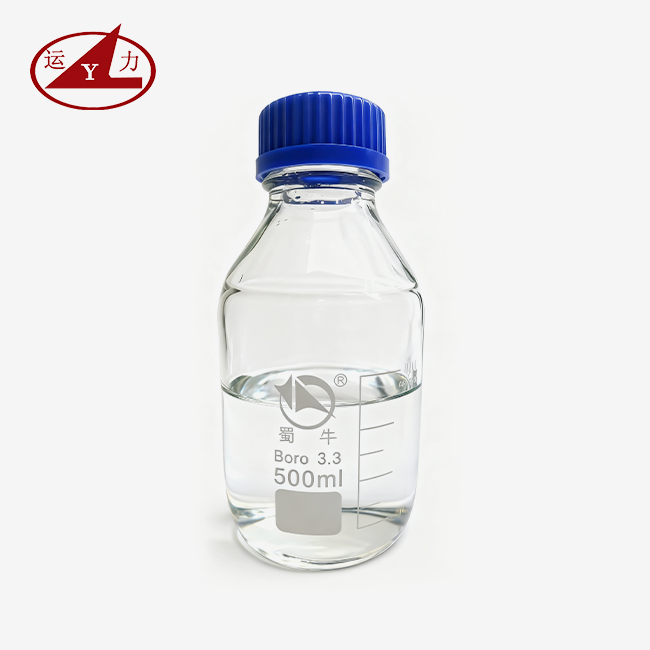
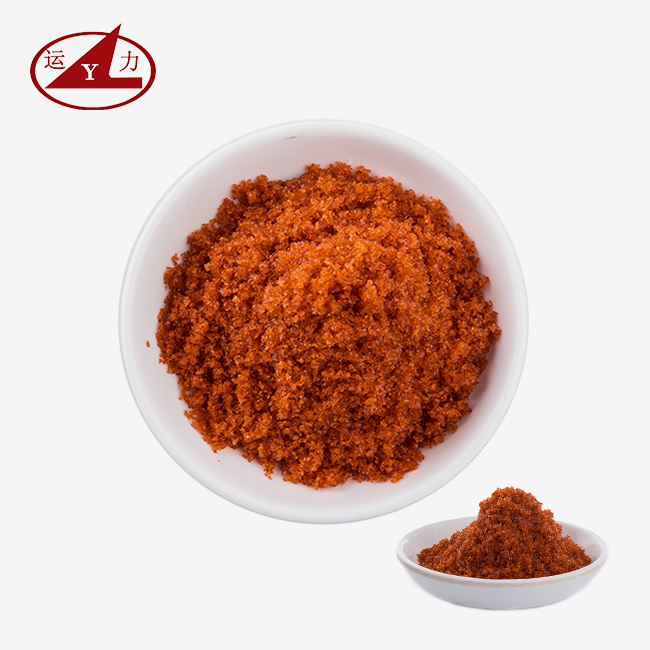
what is calcium nitrite?
Calcium Nitrite is an inorganic substance with the formula Ca(NO₂)₂. It is widely used in industrial building as a two-purpose additive that effectively stops anodic rusting and speeds up the setting process in concrete. Calcium nitrite chemically reacts with embedded steel reinforcement to form a stable passive layer. This significantly extends the service life of concrete infrastructure that is exposed to chloride-rich environments, such as marine structures, parking garages, and bridge decks that are hit with de-icing salts. The substance is usually sold as a 30% water solution or as a solid of very high purity. It is made to meet strict quality and environmental standards in industries that are very picky.


Understanding Calcium Nitrite: Definition and Key Properties
Calcium Nitrite is a clever answer to one of the biggest problems in construction: steel rusting in concrete buildings. This compound is made up of calcium cations bonded with nitrite anions. This makes a molecular structure that takes part in electrochemical processes at the contact between the steel and concrete. This involvement directly addresses the economic load of structural decline, which costs billions of dollars every year to fix and replace in marine and transportation infrastructure.
Chemical Structure and Manufacturing Process
Creating calcium nitrite requires a carefully controlled reaction between calcium hydroxide and nitrous gas. When made under strict conditions, the result is very pure. Manufacturers of advanced materials use multiple stages of filtering and crystallization to get rid of impurities like chlorides and sulfates that can weaken the compound's rust protection. Modern factories have systems that keep an eye on important factors like pH levels, concentration ratios, and leftover toxins all the time during the synthesis process. No matter if it's a liquid or a solid, the end product has to meet strict technical requirements to make sure it works the same way in all kinds of concrete and weather.
Physical and Chemical Properties
At 20°C, the specific gravity of good calcium nitrite solutions is between 1.20 and 1.26 g/cm³. This is a factor that has a direct effect on how accurately concrete is mixed by volume. The substance stays in an alkaline pH range of 8.0 to 10.0, which works well with the naturally alkaline environment of Portland cement materials and doesn't cause any unwanted side effects. The features of solubility show that the substance dissolves completely in water, which lets it be evenly distributed in concrete mixes, even when using a lot of it. The light yellow to amber color of liquid forms can be used to tell if they are of good quality. Chloride level limits kept below 0.05% stop corrosion-promoting ions from getting into the system by accident.
Storage, Handling, and Safety Protocols
The shelf life and usefulness of a product are greatly affected by how it is stored. Calcium nitrite solutions need to be kept in containers that won't rust, like high-density polyethylene or epoxy-lined steel drums, and the temperature needs to be kept between 5°C and 35°C to keep the percentage from changing or crystallizing. Personal safety equipment like chemical-resistant gloves and eye protection must be used by industrial users when handling things because direct touch can irritate the skin. Material Safety Data Sheets list first aid and emergency reaction plans that buying teams and site engineers must look over before they are used. Ventilation rules in storage areas help get rid of any nitrous oxide fumes that might form at high temperatures, keeping safety standards high at work.
Environmental Considerations and Regulatory Compliance
Environmental effect and technical performance are becoming more and more important in modern procurement choices. Calcium nitrite is better than some other rust agents because it doesn't contain heavy metals and isn't as toxic to water. Regulatory frameworks like EPA standards and REACH compliance requirements affect how products are made, pushing producers to be more open about the ingredients they use and leave less of an impact on the environment. If you look at the environmental costs over the course of a building's life, calcium nitrite's ability to make concrete last decades longer means a lot less material use, disposal waste, and carbon emissions from replacing buildings too soon. Companies that want to use sustainable building methods must now make sure that all the products they buy have compliance paperwork like Certificates of Analysis and Environmental Product Declarations.

The Role of Calcium Nitrite in Construction and Corrosion Inhibition
When it comes to building, Calcium Nitrite is most useful because it can stop the electrochemical corrosion of steel reinforcements that are buried in concrete structures. This feature has a direct effect on the project's costs by increasing the longevity of assets, cutting down on upkeep needs, and protecting structures from extreme weather conditions that would normally break down concrete quickly if not protected.
Mechanism of Corrosion Protection
Calcium nitrite works in a way that is different from cathodic defense methods. It does this through an anodic inhibition process. When nitrite ions are dissolved in concrete pore solution, they move to the steel surface and change ferrous ions (Fe²⁺) into ferric ions (Fe³⁺). This makes it easier for a thick, stick-on ferric oxide (Fe₂O₃) passive film to form. This passive layer keeps the steel from being affected by the electrical processes that cause rust to form. The most important benefit shows up in places where chloride is present: chloride ions break down passive films made by concrete alkalinity alone, but the nitrite-induced layer is very stable, needing much higher chloride amounts to start corroding. According to research, calcium nitrite can raise the chloride level needed for corrosion to start by two to five times, based on the amount used and the conditions of contact.
Applications in High-Durability Concrete Infrastructure
Marine and coastal building projects are great places to use calcium nitrite because it improves performance in a measured way. Seawalls, offshore platforms, and port buildings are constantly wet and dry with high amounts of chloride in the seawater. Adding calcium nitrite to the concrete for these buildings protects them from failing too soon, and is often required by contract to meet 50-year or longer design life standards. Transportation infrastructure in cold places also benefits from nitrite protection, since road salts used for de-icing contaminate bridge decks and parking building floors with chloride. Manufacturers of precast concrete use calcium nitrite for two reasons: it speeds up the setting process, which increases production output, and it adds long-lasting corrosion protection to structural parts that will be used in harsh locations.
Dosage Optimization and Performance Balance
To use it correctly, you need to pay close attention to the dose rates, which are usually between 15 and 30 liters of 30% solution per cubic meter of concrete, which is about 3 to 6 kilograms of calcium nitrite per cubic meter. Technical decision-makers have to weigh the need for rust protection against the ease of working with concrete, time constraints, and cost issues. Lower doses may work well in moderately hostile settings or when paired with extra defenses like concrete that doesn't let water through or surface sealers. More of it is needed in areas that are severely exposed to salt water or where chloride exposure starts early in the structure's life. The ASTM C1582 testing procedures provide standard ways to check how well rust inhibitors work. This lets engineers make sure they've made the right dosage choices by testing them in the lab before putting them to use on a large scale.

Market Comparison and Decision-Making: Choosing the Right Corrosion Inhibitor
The market for rust inhibitors offers procurement workers a number of different technology choices, each with its own performance, cost, and use case. Knowing the relative benefits helps you make design choices that are in line with the needs of the project and your budget.
Calcium Nitrite stands out because it has been thoroughly tested and shown to work in the real world for many years, with case studies from bridges and marine buildings showing its usefulness. Other inhibitors, like sodium nitrite, work in a similar way with electricity, but they add sodium ions that can make the alkali-silica reaction more likely in some concrete mixes. Organic rust inhibitors based on amine chemistry can be used in a variety of ways, but they usually need higher weight-based doses to provide the same level of protection. Calcium nitrate, which is sometimes mixed up with calcium nitrite, works mostly as a cathodic inhibitor and isn't as good at stopping rust caused by chloride.
Lifecycle value must be included in cost-effectiveness research, not just unit price per kilogram. The initial cost of calcium nitrite usually adds 2% to 5% to the cost of concrete materials. However, the replacement costs that can be ten times the original building value when corrosion damage needs to be fixed are much higher. When purchasing managers look at the total cost of ownership, they know that increasing the service life from 30 years to 60 years cuts the yearly infrastructure investment in half. This is especially true for important assets where downtime costs the company a lot of money.
More and more, environmental and legal consistency affects the choice of inhibitor. Calcium nitrite is compatible with green building efforts because it helps structures last longer while still having low enough levels of toxins to meet environmental health and safety standards. Specification trust comes from following standards like ASTM C494 Type C for speeding additives and including them in major building codes. Testing for compatibility with extra cementitious materials like fly ash and slag is still important because pozzolanic materials can change the chemistry of the pore solution and the spread of inhibitors in the concrete matrix.

Procurement Guide: How to Buy Calcium Nitrite for B2B Needs
The process of getting Calcium Nitrite requires knowing how the market works, what suppliers can do, and how to check the quality of the product so that it is consistent and meets legal requirements. Buyers who are good at what they do approach sourcing carefully, weighing the needs of the current job against the development of long-term relationships with suppliers.
Identifying Qualified Manufacturers and Suppliers
Calcium nitrite providers with a good reputation show that they can make the stuff because they have third-party certifications for things like ISO 9001 for quality management and ISO 14001 for environmental systems. Potential buyers should make sure that makers have dedicated production facilities with the right size to ensure a steady supply. This is especially important for projects that need a lot of tons over a long period of time. Technical expertise is shown by the ability to make specific mixtures, like concentration solutions that have been changed or high-purity grades that are made for specific uses in electronics or pharmaceutical intermediates. Established providers keep strong quality control labs with analysis tools like atomic absorption spectrometry and ion chromatography. This lets specs and impurity profiles be checked in real time.
Understanding Pricing Structures and Order Logistics
The price of calcium nitrite depends on the cost of the raw materials, how hard it is to make, and how the market's demand changes. For large orders, liquid 30% solutions usually cost between $800 and $1,200 per metric ton. The price can change depending on the size of the order, where it needs to be delivered, and how it needs to be packed. Because they have to go through more steps of preparation to meet low impurity standards, solid high-purity grades cost more. Different suppliers have different minimum order amounts. Some will take orders as low as one ton, while others set limits of five or ten tons to make production more efficient. Flexible sellers offer a range of packing forms, such as 250-liter intermediate bulk bins, 1000-liter totes, and bulk tanker delivery for big projects. This lets buyers choose the right packaging based on their site's storage and handling capabilities.
Evaluating Samples and Technical Documentation
When making big purchases, it's smart to ask for samples of the product first, especially when getting to know a new source or making sure materials are safe for important uses. Manufacturers with a good reputation will give you samples of up to 500 grams for free, along with Certificates of Analysis that show the test results for each batch's concentration, pH, salt content, and insolubles. Technical data sheets should say if they meet the relevant ASTM standards and have instructions for use, like suggested dose levels and notes on compatibility. Export paperwork like Material Safety Data Sheets, compliance statements for U.S. regulations, and country-specific import permits make it easier to buy things across borders and avoids delays at customs that can throw off project plans.

Building Trust and Maximizing Value with Calcium Nitrite Suppliers
Long-term ties with suppliers offer more than just buying products. They also include technical help, reliable supplies, and working together to solve problems that improve the results of projects. When procurement professionals put effort into evaluating suppliers and managing relationships with them, they gain practical benefits that help them stand out in the market.
Checking the basics of a business, like its history of operations, financial health, and production capacity, is the first step in figuring out how trustworthy a supplier is. Companies that have been in business for at least twenty years show that they can handle changes in the market and gain experience that shows in the stability of their products and their knowledge of how to use them. The size of an organization and how much it invests in modern industrial facilities can be seen by the values of its fixed assets and its annual sales revenues. Awards like "Enterprise Technology Center" designations that are given on a provincial or national level show that a chemical production company is innovative and technical star.
Certification packages include more than just basic ISO registrations. They also include standards unique to the building materials and chemical safety industries. Occupational health and safety licenses from OHSAS show that a company cares about protecting its workers and following best practices that are in line with its commitment to quality. When manufacturers use self-directed export functions, they cut out the middlemen and the wasted time and money that comes with communication problems. This lets production teams and end users talk directly about technology issues, making it easier for customers to ask for changes and get help with problems.
After-sales support is what sets apart sellers who care about their customers' success after the sale. Chemists and application engineers work on technical support teams that help with formulation, dosage optimization, and performance fixing when conditions in the field don't match what was predicted in the lab. In the rare case that a product doesn't meet specifications, warranty terms give you a way to get your money back, and clear rules on returns, replacements, and credits lower the risk of buying something. Suppliers who talk to customers ahead of time about production schedules, raw material supply, and possible shipping delays show that they value their planning needs and allow project managers to make changes ahead of time.

Conclusion
It has been scientifically proven that Calcium Nitrite is a good way to protect reinforced concrete infrastructure from rust damage that can weaken structures and cost a lot of money. Knowing the chemical properties, how to use it, and what to think about when buying it helps purchasing managers and technical engineers make choices that are in line with project performance needs and price limits. The compound's ability to both stop corrosion and speed up the setting process makes it useful in tough building sites, such as naval installations and transportation infrastructure built in cold climates. Criteria for choosing a supplier that include the ability to manufacture, technical support, and compliance paperwork make sure that you can get regular, high-quality products and that your operations are reliable. As long-lasting infrastructure and lowering lifecycle costs become more important, calcium nitrite is still an important additive that helps concrete buildings last as long as they're supposed to while also lowering the costs of upkeep and repair.
FAQ
What dosage rate of calcium nitrite should be used in concrete?
It is common to use 15 to 30 liters of 30% Calcium Nitrite solution per cubic meter of concrete, which is about 10 to 20 gallons per cubic yard. The exact dose varies on how much salt is exposed, how long the concrete needs to last, and how permeable it is. Engineers should look at the testing procedures in ASTM C1582 to make sure that the dose choices they make are right for the project.
How does calcium nitrite compare to calcium nitrate for corrosion protection?
Calcium nitrite stops anodic corrosion by actively creating protection films on steel surfaces and lowering the chloride level needed for corrosion to start. Calcium nitrate is mostly used to speed up the setting process and doesn't do much to stop rust. The nitrite form protects better in chloride-filled environments like those found in sea and de-icing salt contact situations.
What are the storage requirements for calcium nitrite solutions?
Calcium nitrite solutions should be kept in containers that can't be opened or corroded at temperatures between 5°C and 35°C (41°F to 95°F) and out of direct sunlight and away from strong acids or reducing agents. If you store it properly, the shelf life usually lasts between 12 and 24 months. Check containers often for leaks or crystals that could mean the quantity has changed.

Sourcing High-Quality Calcium Nitrite from a Trusted Manufacturer
To find the best Calcium Nitrite provider, you need to work with a company that has a large production capacity, technical know-how, and service that is focused on the customer. XiaXian Yunli Chemical Co., Ltd. was founded in 2005 and has more than 20 years of experience in its field. It provides factory-direct calcium nitrite solutions and high-purity grades and has a number of quality standards, such as ISO 9001, ISO 14001, and OHSAS systems. Our status as a regional Enterprise Technology Center shows that we keep investing in research and development, which lets us make formulas that are exactly what the building, electronics, and chemical synthesis industries need.
With yearly sales of more than 1 billion yuan and fixed assets worth 300 million yuan, we offer supply stability that is important for big projects while still being flexible by not requiring a minimum order amount and offering free samples up to 500 grams. Our high-tech lab has ICP-MS and atomic absorption spectrometry for precise impurity control. We produce goods with chloride levels below 0.05% and concentrations that can be changed to meet exact requirements. International operations are made easier by self-operated exports, and expert support teams help with dosage optimization and application advice. To get product samples, technical data sheets, and affordable quotes from a calcium nitrite provider that cares about your project's success, email our sourcing experts at wangjuan202301@outlook.com or visit yunlichemical.com.
References
1. Berke, N.S., and Hicks, M.C., "Estimating the Life Cycle of Reinforced Concrete Decks and Marine Piles Using Laboratory Diffusion and Corrosion Data," Corrosion Forms and Control for Infrastructure, ASTM STP 1137, American Society for Testing and Materials, Philadelphia, 1992.
2. Nmai, C.K., Farrington, S.A., and Bobrowski, G.S., "Organic-Based Corrosion-Inhibiting Admixture for Reinforced Concrete," Concrete International, Vol. 14, No. 4, 1992.
3. Alonso, C., Andrade, C., and González, J.A., "Relation Between Resistivity and Corrosion Rate of Reinforcements in Carbonated Mortar Made with Several Cement Types," Cement and Concrete Research, Vol. 18, No. 5, 1988.
4. Tritthart, J., and Banfill, P.F.G., "Nitrite Binding in Cement," Cement and Concrete Research, Vol. 31, No. 7, 2001.
5. Virmani, Y.P., and Clemena, G.G., "Corrosion Protection: Concrete Bridges," Report No. FHWA-RD-98-088, Federal Highway Administration, U.S. Department of Transportation, 1998.
6. Page, C.L., and Treadaway, K.W.J., "Aspects of the Electrochemistry of Steel in Concrete," Nature, Vol. 297, 1982.