


How to safely dispose of chromium sulfate waste?
To properly get rid of Chromium Sulfate trash, you need a plan that considers worker safety, environmental compliance, and the lowest cost of operation. Chromium Sulfate residues from leather tanning, electroplating baths, or catalyst production must be treated using approved methods like chemical precipitation, licensed hazardous waste incineration, or stabilization before they can be thrown away in a landfill. These methods stop the substance from reacting and stop it from leaking into groundwater. Working with licensed trash management companies makes sure that you follow the rules set by the EPA's Resource Conservation and Recovery Act (RCRA). This keeps your business from getting fined and keeps your supply chain running sustainably.


Understanding Chromium Sulfate Waste: Characteristics and Risks
Chemical Properties and Molecular Structure
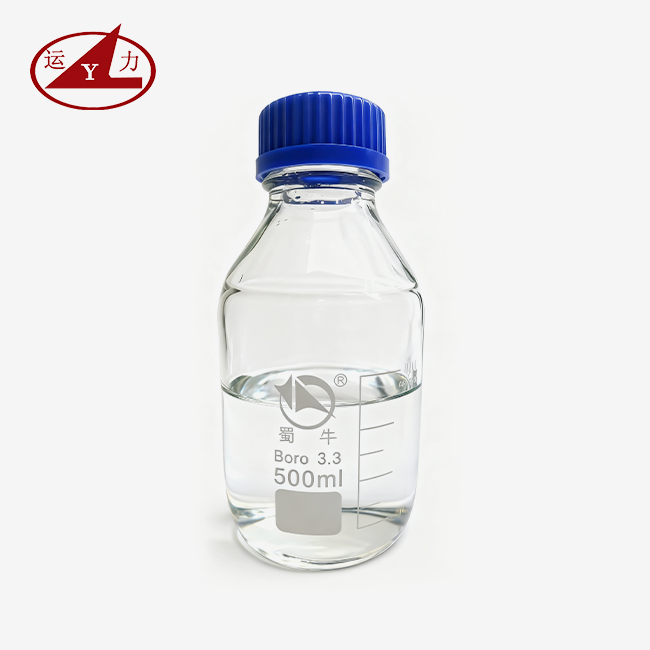
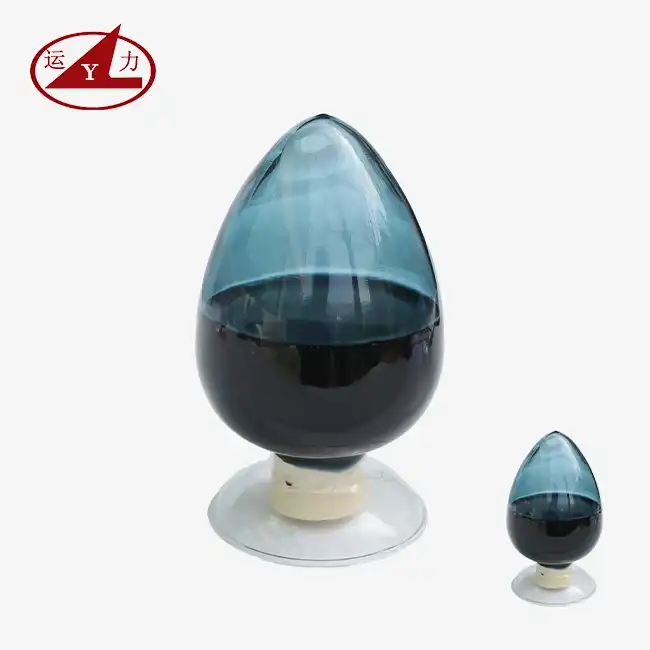
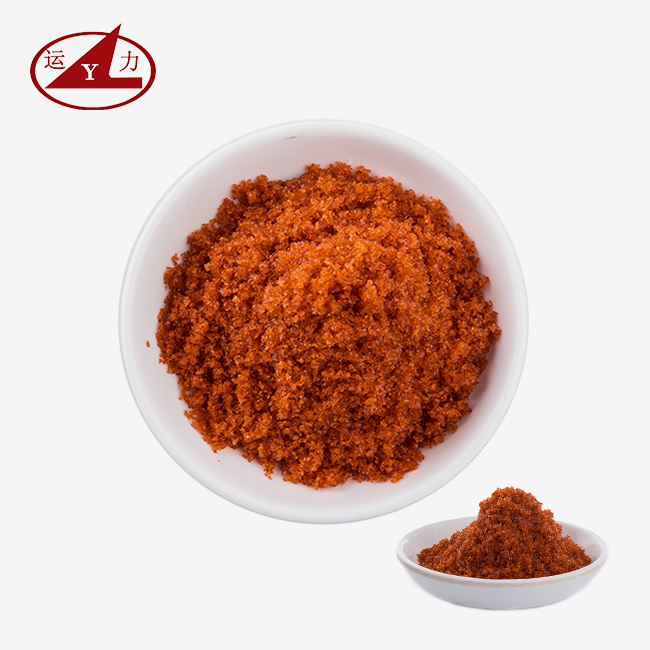
Chromium Sulfate (CAS 10101-53-8), which has the formula Chromium Sulfate and a molecular weight of 392, can be a gray-blue to purple liquid or a solid hydrate, based on how much water is in it. This Chromium Sulfate dissolves easily in water but not in alcohol. It can be found in several hydrated forms, ranging from hexahydrate to octadecahydrate. It's hard to get rid of because it dissolves easily, and if it's not contained properly, it can quickly move through dirt and into water systems.
Chromium Sulfate is less dangerous than hexavalent chromium substances, which are known to cause cancer. However, it still needs to be thrown away carefully. The sulfate part of the chemical adds to environmental problems by possibly making the water that it enters more acidic. By knowing these chemical properties, purchasing managers and technical engineers can figure out which suppliers have strict impurity control, especially when it comes to keeping iron content below 30 ppm to avoid unwanted reactions during treatment processes.
Industrial Sources and Contamination Pathways
A lot of Chromium Sulfate waste water and solid waste are made by the leather tanning industry during wet blue processing, where collagen fibers join with chrome to keep the shape of the leather stable. Electroplating plants make Chromium Sulfate baths that are used up after many rounds of metal coating. Companies that make catalysts for Chromium Sulfate have to deal with trash streams that include raw materials that haven't been reacted and batches that don't meet specifications. Textile coloring processes that use chrome mordants add to the pollution in the washing waters.
Most contamination happens when storage tanks aren't maintained properly, when secondary protection isn't used well enough during moves, or when waste streams that don't mix cause dangerous reactions. Temperature changes that happen with the seasons cause crystallization in storage tanks, which causes equipment to break and unexpected leaks to happen. When supply chain managers know about these common failure points, they can put in place preventative controls that cut down on waste production before it needs to be thrown away.
Regulatory Framework and Compliance Requirements
Chromium Sulfate waste streams are considered characteristic hazardous waste by the EPA under RCRA rules if they are corrosive (pH ≤2.0 or ≥12.5) or fail the toxicity characteristic leaching process (TCLP) standards. For off-site dumping, facilities that make more than 100 kilograms of waste per month must get EPA identification numbers and follow strict manifesting rules. OSHA rules say that the most available Chromium Sulfate can be exposed to are 0.5 mg/m³. This means that workers who handle waste must wear respirators and use engineering controls.
International businesses have to deal with the REACH registration rules in European markets, which include showing safe use throughout the chemical's lifetime and how to get rid of trash. During audits, it is very important to have proof that you are following local rules about solid trash, air emissions, and release limits. When purchasing Chromium Sulfate, procurement professionals should choose sellers who offer full compliance packages that include MSDS, COA certificates, and environmental analysis data. This makes it easier to keep track of all the paperwork that is needed when dealing with waste materials.
Risks and Challenges in Disposing of Chromium Sulfate Waste
Environmental Contamination and Ecosystem Impact
Chromium Sulfate waste leaks that are not managed are very bad for marine life in many ways. Chromium ions that are dissolved in water mess up the way fish gills work and build up in benthic sediments, making long-term exposure routes. As microbes break down sulfur molecules, the sulfate load that comes with it lowers the amount of oxygen in the water, which can kill sensitive species. Chromium clouds are spread through broken bedrock by contaminated groundwater. This can last for decades and makes water sources useless for farming or city supply.
Polluted soil stops plants from growing by changing the pH balance and making it harder for plants to take in iron. Industrial sites that have a history of improper dumping have to pay a lot of money for remediation projects that include digging up, stabilizing, and treating polluted media away from the site. These environmental responsibilities are passed on to the next owners of the land, which makes it harder to buy and sell properties and merge companies. Technical experts need to choose the right dumping method as a way to lower their risks and make sure that no future environmental claims are made.
Occupational Health Hazards and Safety Concerns
Direct exposure with Chromium Sulfate waste streams can irritate the skin, lead to rashes, and make people more likely to develop allergies. Inhaling fumes or dust while dealing with trash can upset the lining of the lungs and can set off asthma attacks in people who are more likely to get them. Even though it is not as dangerous as hexavalent chromium in the short term, long-term low-level exposure to Chromium Sulfate is still bad for your health and needs medical monitoring programs.
When you mix Chromium Sulfate trash with strong oxidizers or alkaline materials, exothermic reactions happen that make dangerous fumes and splashes. When cleaning tanks in confined spaces, workers can be exposed to oxygen-deficient air if there isn't enough circulation. Purchasing managers should check to see if Chromium Sulfate providers offer solutions that make handling less dangerous. For example, liquid formulations make less dust than powders, and pre-neutralized formulas make disposal less reactive.
Legal Liabilities and Financial Consequences
Penalties are harsh for breaking the rules about how to properly get rid of chromium trash. The EPA can fine people more than $50,000 per day for continuing to break the rules, and people who know they are endangering others could be charged with a crime. More fines are given by state environmental bodies, and facilities may have to pay for third-party environmental surveys. Cleanup costs for polluted sites often go over a million dollars, and under Superfund law, those guilty are still responsible decades after the sites are closed.
As customers look closely at a supplier's green practices, damage to their reputation adds to the money they lose. Through supply chain checks, major brands are asking for more and more proof of how they get rid of Chromium Sulfate waste, and sellers that don't follow the rules are being taken off of approved supplier lists. Environmental risks aren't covered by normal insurance policies, or premiums are too high when waste management controls don't seem to be working well. Companies can avoid these negative effects by working with licensed garbage removal partners and keeping detailed records on their waste tracking.

Proven Methods for Safe Chromium Sulfate Waste Disposal
Chemical Precipitation and Neutralization Techniques
Chemical precipitation is the most common way to treat Chromium Sulfate waste. It changes liquid Chromium Sulfate into insoluble chromium hydroxide gunk by changing the pH. When alkali chemicals like sodium hydroxide, calcium hydroxide, or magnesium oxide are added to waste stream, the pH rises to 8.5 to 9.5. This makes Chromium Sulfate precipitate as chromium hydroxide. When done right, this process gets rid of more than 99% of the dissolved Chromium Sulfate, leaving behind a filter cake that can be stabilized before being thrown away in a dump. Too much alkalinity can remove Chromium Sulfate that has been formed, so the pH level needs to be carefully watched during the process.
After it rains, drying with a filter press or centrifuge cuts the amount of sludge by 60–75%, which lowers the costs of transporting and getting rid of it. Before being sent to a city wastewater treatment plant or an authorized industry outfall, the cleared supernatant goes through polishing, filtration, and pH adjustment. Automated dosing systems keep treatment performance constant even when the waste stream makeup changes, which is helpful for facilities that deal with large amounts of trash.
Stabilization and Solidification Protocols
Chemical stabilization holds Chromium Sulfate in a solid matrix, making it less likely to leak out and violating land dumping rules. Portland cement-based mixtures have Chromium Sulfate-containing sludges added at a level of 10 to 30 percent, and pozzolanic chemicals make them more stable over time. Private stability agents with phosphates or silicates create Chromium Sulfate clusters that don't dissolve in acidic groundwater. Testing with TCLP confirms that the treatment is working, showing that the amount of Chromium Sulfate in the leachate is still below the legal limit of 5 mg/L.
Solidification literally encloses trash in a solid mass, stopping it from spreading and reducing the surface area that can be used for leaching. The material that is treated gets enough structural stability to be thrown away directly in a landfill without any extra containment. This method works well for waste generators who only produce waste sometimes and don't have the money for on-site precipitation systems. This is because mobile solidification units can process large amounts of waste during planned service trips. Documented treatment records meet legal manifesting standards and can be used as proof of proper disposal during future audits.
Case Study: Leather Tanning Facility Waste Management
The cost of getting rid of 15 metric tons of used Chromium Sulfate tan liquor every month was going up for a medium-sized leather tanning business in the southeast of the United States. The plant set up a closed-loop precipitation system that used calcium hydroxide dosing to collect chromium hydroxide sludge for recycling off-site and reuse cleaned water for non-critical rinse operations. This investment cut the amount of freshwater used by 40% and the amount of dangerous waste that had to be thrown away by 85%.
Even though the company spent $180,000 on capital, its annual running costs went down by $12,000. This meant that the money was returned within 18 months. The automatic controls of the system kept the effluent quality constant and within the limits set by the discharge permit. Getting ultra-low impurity Chromium Sulfate from quality-focused sources like Yunli Chemical helped the plant make even less waste by making the tanning baths more efficient and lasting longer.
Choosing the Right Disposal Partner: Supplier and Service Considerations
Critical Certification and Compliance Criteria
When choosing disposal partners, it's important to make sure they are registered with the EPA as a toxic waste transporter and that treatment facilities have the right permits and cash assurances to cover the costs of closing down the site. Third-party approvals, like ISO 14001 environmental management systems, show that rules are being followed in a planned way. Check the contractor's enforcement history in the EPA's Enforcement and Compliance History Online (ECHO) database. Stay away from contractors who have a past of complaints that suggests they may not be doing their job right.
Licensed treatment, storage, and dumping facilities (TSDFs) must give clear rules on what kinds of trash they will accept, how they will test them analytically, and how they will keep track of them. Being close to each other geographically is important. Shorter travel lengths lower carbon emissions and make it less likely that an accident will happen. Facilities in states that accept waste from each other make it easier for businesses to run in more than one state to get the permits they need. Having technical staff available for waste definition consultations makes it easier to make complicated legal decisions about how to classify waste and find the best treatment routes.
Integrating Waste Management into Procurement Strategy
When choosing a Chromium Sulfate provider, procurement managers can save a lot of money by thinking about how to get rid of waste. When suppliers offer customizable formulas, customers are less likely to buy too much of an item, which ends up going to waste. Using liquid Chromium Sulfate solutions instead of bags cuts down on solid trash streams that aren't dangerous. Returnable tote bins cut down on packaging trash even more and provide extra security while being stored.
By negotiating take-back programs where providers will accept diluted or off-spec Chromium Sulfate for reprocessing, material loops can be closed and waste responsibility can be reduced. Some makers offer expert support for minimizing waste, which helps customers find the best dosing rates and avoid bath contamination that forces them to throw away the product too soon. Putting standards for waste disposal paperwork in purchase orders makes sure that there are clear audit trails from buying new materials to getting rid of the trash.
Supplier Landscape and Service Providers
Some of the most reliable Chromium Sulfate sources in North America are specialty chemical companies that have been in business for decades and have quality systems that have been tested and proven. Yunli Chemical has been in business since 2005 and has ISO 9001, ISO 14001, and OHSAS certifications. They are a good example of the kind of reliable seller that corporate buyers want. Their status as a province technology center and their advanced analytical skills ensure batch-to-batch uniformity, which is important for reducing waste caused by not meeting specifications.
Companies that get rid of trash include national hazardous waste management companies that run networks of transfer stations and treatment plants, as well as area experts who focus on the waste streams from the metal finishing and leather industries. Instead of just looking at ticket rates, when comparing companies, you need to look at all of their costs, such as transportation, manifesting fees, treatment costs, and disposal costs. The total cost of ownership is lower for long-term partnerships that include trash reduction advice than for transactional disposal relationships.

Conclusion
Taking care of Chromium Sulfate trash in a responsible way keeps your business safe from environmental risks and shows that you care about using sustainable business practices. Chemical precipitation, stabilization, and new recycle technologies have been shown to be safe ways to get rid of waste when used correctly and with approved partners. Buying high-purity materials strategically, optimizing processes, and using closed-loop recycling systems can help cut down on waste, which is good for both the world and your wallet. When choosing a supplier, procurement managers and technical engineers must look at the supplier's ability to get rid of waste. They must also make sure that the chosen partners provide full compliance paperwork and technical help throughout the material's lifecycle.
FAQ
Q1: What storage methods are safest before chromium sulfate waste disposal?
A: Chromium Sulfate waste should be kept in containers that won't rust, like high-density polyethylene or fiberglass-reinforced plastic drums with extra walls that can hold 110% of the main vessel space. Keep the temperature outside between 5°C and 30°C to stop crystallization or faster rusting. Keep Chromium Sulfate waste away from strong bases, oxidizers, and organic materials to keep dangerous reactions from happening. All bins should have signs for toxic trash that include dates for when they can be piled up and kept in a safe place for no more than 90 days for big generators.
Q2: Can chromium sulfate waste be recycled or reused?
A: Specialized producers can recycle a lot of Chromium Sulfate waste by using methods like precipitation, ion exchange, or electrodialysis to get the Chromium Sulfate back. After being cleaned, recycled Chromium Sulfate often meets the requirements to be used again in dyeing or plating processes. How economically viable something is hinges on how much Chromium Sulfate is in the trash stream, how contaminated it is, and how close it is to recovery centers. Reusing as recycled material instead of throwing it away as trash gets rid of the need for showing and lowers the legal load while still supporting the ideas of the circular economy.
Q3: What documentation is required for chromium sulfate waste transportation?
A: For Chromium Sulfate waste to be shipped across state lines, the generator, the carrier, and the receiving location must all sign EPA Form 8700-22, which is a standard hazardous waste manifest. Include details about how the trash is classified, how to respond in an emergency, and the generator's EPA identification number. Keep manifests for three years and make sure that signed copies are returned to allowed sites to prove delivery. Under the Basel Convention notification processes, international shipments need more paperwork, which must be approved ahead of time by the responsible officials in the receiving country.
Partner with Yunli Chemical for Chromium Sulfate Excellence and Responsible Waste Solutions
Yunli Chemical is a reliable source for Chromium Sulfate. For more than 20 years, they have been making high-quality products for difficult industries like metal cleaning, tanning leather, and making catalysts. Our ISO 9001, ISO 14001, and OHSAS certifications, along with our status as a Shanxi Provincial Enterprise Technology Center, show that we care about quality and the environment, which keeps your activities safe. We provide ultra-low impurity Chromium Sulfate (Fe ≤30ppm) with clarity, pH, and shape that can be changed. It can be made in liquid or solid forms that are designed to help you reduce waste and make handling easier.
We are your ideal long-term partner because we supply directly from the plant and don't use middlemen. We promise consistency from batch to batch and offer flexible ways to work together, such as free samples up to 500 grams and no minimum order amount. Our expert team offers full support to help you improve your processes so that they produce less waste and still meet changing environmental rules. Get in touch with wangjuan202301@outlook.com right away to talk about how our Chromium Sulfate solutions and knowledge of reducing waste can help your supply chain be more environmentally friendly and run more smoothly.

References
1. United States Environmental Protection Agency. (2023). Hazardous Waste Management Guidelines for Chromium Compounds. Office of Resource Conservation and Recovery, Washington, D.C.
2. International Leather Maker Technical Committee. (2022). Best Available Techniques for Chrome Tanning Waste Minimization and Recovery. Journal of the Society of Leather Technologists and Chemists, Volume 106, Issue 3.
3. National Institute for Occupational Safety and Health. (2021). Occupational Exposure Limits for Trivalent Chromium Compounds in Industrial Settings. Centers for Disease Control and Prevention, Cincinnati, Ohio.
4. American Electroplaters and Surface Finishers Society. (2023). Trivalent Chromium Plating Bath Management and Waste Treatment Protocols. AESF Technical Proceedings, Orlando, Florida.
5. World Health Organization. (2020). Guidelines for Drinking Water Quality: Chromium in Groundwater and Health Effects. Fourth Edition, Geneva, Switzerland.
6. European Chemicals Agency. (2022). REACH Compliance Documentation for Chromium Sulfate: Safety Data and Environmental Risk Assessment. Helsinki, Finland.