


How to dispose of cobalt nitrate?
To get rid of Cobalt Nitrate hexahydrate (CAS# 10026-22-9), you have to follow strict safety rules and environmental laws. This dangerous inorganic substance is used a lot to make clay pigments, catalysts, and batteries, but it can be very dangerous if it is not handled properly. For business users, the most legal way to get rid of hazardous waste is to neutralize it with chemicals and then have a licensed hazardous waste contractor pick it up. Instead, recovering cobalt through precipitation or ion exchange is better for both the economy and the environment. It lets companies get back important metals while also following EPA and local government rules.
Understanding Cobalt Nitrate and Its Disposal Challenges
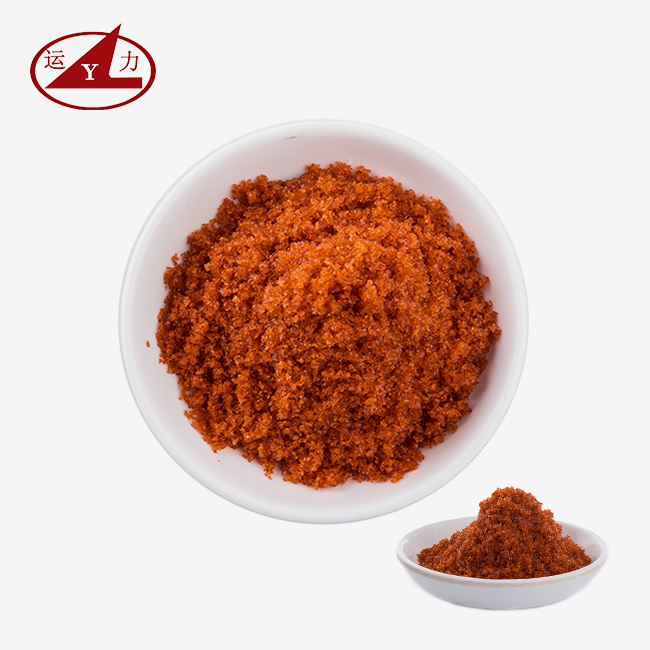
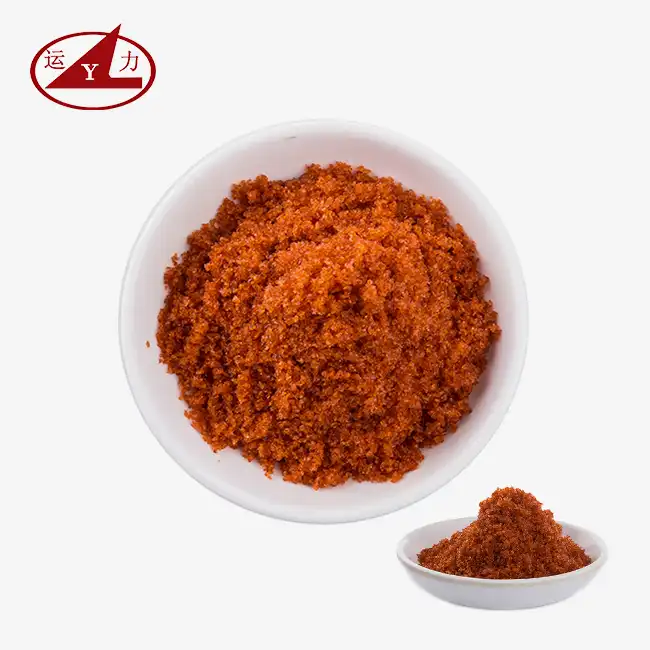
Cobalt Nitrate Hexahydrate is a solid reddish-brown substance with the molecular formula Co(NO3)2·6H2O. Its molecular weight is 291.03 and its freezing point is between 55 and 56°C, which is not very high. This chemical dissolves very well in water, ethanol, and acetone, which makes it useful in a wide range of commercial settings. As a strong oxidizing agent, it can cause fires and explosions when it comes into touch with biological materials. Because of this, it needs to be handled carefully throughout its entire lifecycle.
Industrial Applications Driving Cobalt Demand
Cobalt Nitrate products are very important for certain processes in the manufacturing sector. This material is used to treat the surface of metal parts during electroplating, which makes them more resistant to rust. Cobalt Nitrate intermediates are used by battery makers in lithium-ion cathode materials, especially in NCM and NCA chemistries that power the production of electric vehicles. Cobalt Nitrate is useful for ceramic artists because it makes bright cobalt blue glazes that don't melt at high temperatures. Pharmaceutical intermediates and analysis labs also keep up steady trends of use.
Environmental and Health Risks
The large amount of heavy metals in Cobalt Nitrate products is very bad for the environment. When cobalt ions get into rivers, they mess up the biological processes of fish and animals, which is very bad for aquatic ecosystems. It is possible for soil pollution to affect human communities through bioaccumulation in food chains. Direct exposure through breathing it in, eating it, or touching it on the skin can irritate the lungs, upset the stomach, and cause skin responses. Long-term contact has been linked to more major health problems, so it is imperative that the waste is properly thrown away.
Regulatory Framework Governing Disposal
Under RCRA rules, the Environmental Protection Agency says that Cobalt Nitrate compounds are dangerous trash. Facilities that make more than 100 kg of hazardous waste per month must register as hazardous waste makers and keep full records of their removal and manifests. As an inorganic oxidizer (Class 5.1), the substance has the UN Number 1477 and needs to be kept away from flammables during shipping. There are often more rules at the state level, especially in California, New York, and Massachusetts, where environmental standards are higher than the federal minimums.
Disposal Methods for Cobalt Nitrate: From Traditional to Modern Approaches
In the past, most Cobalt Nitrate trash was thrown away by putting it in a dump or burning it at high temperatures. These ways used to be okay, but now they are being looked at more closely because they could pollute groundwater and damage the environment. Modern factories are using circular economy ideas more and more, seeing trash streams as chances to recover resources instead of problems to be solved.
Chemical Neutralization and Stabilization
Neutralization changes explosive Cobalt Nitrate salts into solid, less mobile forms that can be thrown away in landfills. Sodium hydroxide or calcium hydroxide are alkaline agents that are added to water-based cobalt liquids to make cobalt hydroxide precipitate. This sediment is filtered, dried, and made stable with binders of Portland cement or fly ash. The resulting solid mass passes the Toxicity Characteristic Leaching Procedure test, showing that it is less likely to leak before it is thrown away in an approved facility.
Cobalt Recovery and Recycling
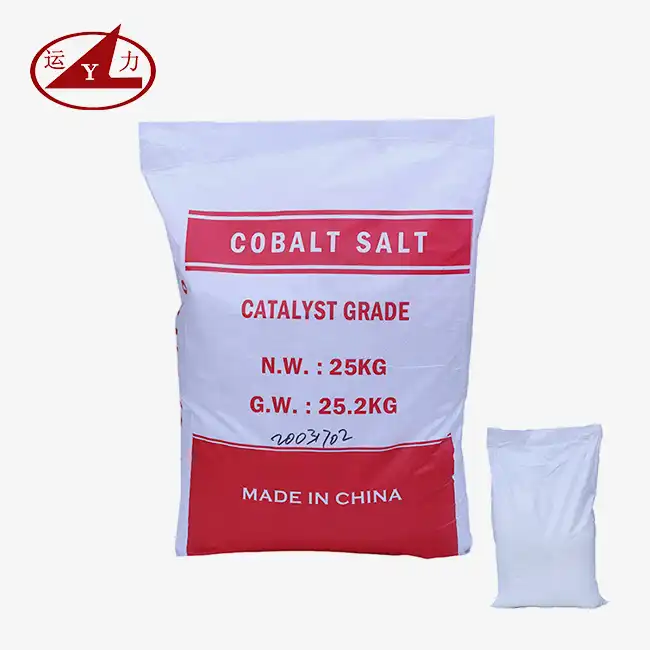
There are more and more economic reasons to collect metals instead of throwing them away. When sodium sulfide or sodium carbonate are used in precipitation methods, Cobalt Nitrate sulfide or carbonate intermediates are made. When these materials are roasted and then dissolved in acid, they make pure Cobalt Nitrate solutions that can be used to make commercial-grade goods again. Ion exchange resins are another way to clean things up. They do this by picking out cobalt ions from weak waste streams and joining them. Battery recovery centers use special hydrometallurgical circuits to get back cobalt along with lithium and nickel, which helps keep supply chains going in a circle.
Waste Classification Requirements
Classification decides how to handle things and how much it costs to get rid of them. Laboratories that make small amounts may be able to get potentially free small number generator status, which makes it easier for them to follow the rules. Large and medium-sized sources have to keep more records and report on them every two years. They also have to train their staff more often. Characterization testing of waste checks for Cobalt Nitrate levels, pH levels, and oxidizing potential, which helps choose the right treatment and shipping types.
Step-by-Step Guide: How to Safely Dispose of Cobalt Nitrate in a B2B Setting?
Industrial sites that use Cobalt Nitrate compounds need to set up detailed waste management rules that cover things like storage, paperwork, and choosing a provider. These methodical methods reduce the risk of damage while protecting the environment and workers.
Pre-Disposal Storage and Handling
For short-term storage, you need containers that can handle chemicals. High-density polypropylene or 316L stainless steel jars with tight lids that keep water out are ideal. Because it absorbs water, Cobalt Nitrate hexahydrate needs to be kept in climate-controlled areas where the relative humidity stays below 50%. In order to prevent spills, storage places should have secondary containment that can hold 110% of the biggest container's space. Separating materials that don't mix, especially flammables, reducing agents, and organics, stops reactions that could be risky. Labels that are easy to read and list the name of the chemical, its classification as a danger, and the start date for buildup make it easier to follow the rules during inspections.
Documentation and Compliance Requirements
For every Cobalt Nitrate dumping event, careful records must be kept. Safety Data Sheets give important information about hazards that helps first responders and waste removal companies do their jobs. Certificates of Analysis show the amounts of cobalt and other impurities in waste, which makes it possible to accurately describe the waste. Hazardous trash records keep track of how things move from being made to being thrown away, making legally binding ownership chains. These records must be kept by facilities for at least three years, and in some places they must be kept for longer. Documentation of training for employees shows that the OSHA Hazard Communication Standard standards have been met.
Personal Protective Equipment Protocols
People who work with Cobalt Nitrate chemicals need to wear the right PPE. Chemicals can't get through nitrile gloves as easily as they can through rubber gloves. During transfers and collection, safety masks or face covers protect the eyes from damage. When working with dry materials, NIOSH-approved respirators with P100 screens keep you from breathing in particles. Lab coats or covers that are resistant to chemicals reduce the risks of skin contact. Within ten seconds of work areas, emergency eyewash stations and safety showers must always be easy to get to.
Selecting Certified Disposal Contractors
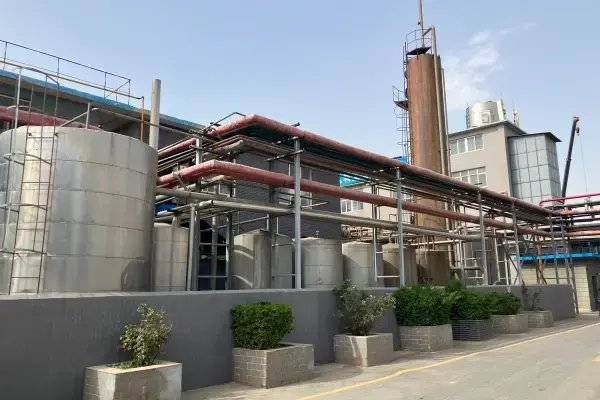
The first step in evaluating a contractor is to check their EPA identification number and make sure they have valid permits to move and clean hazardous Cobalt Nitrate garbage. Site trips show operating standards, the ability to handle garbage, and past records of environmental compliance. Generators are protected from risks that happen downstream by pollution liability insurance certificates. References from clients in the same industry attest to the dependability of the service and the technical skill of the staff. Pricing structures should represent the real costs of disposal, such as shipping, treatment, and paperwork. Quotes that are too cheap could be a sign of regulatory cheating.
Comparing Disposal Solutions: Choosing the Best Option for Your Business Needs
When deciding how to get rid of Cobalt Nitrate, cost is weighed against environmental duty and following the rules. There isn't a single method that works best in every operational situation; factors unique to each location must be carefully considered.
To use chemical neutralization, places that make modest amounts of Cobalt Nitrate waste can easily do so. Capital equipment needs are still very low, and usually only include pH meters and mixing tanks. Operating costs include the cost of alkaline reagents and contractor dumping fees, which are usually between $3 and $8 per kilogram and depend on where you live. This method gives regulators peace of mind because, once they've been stabilized, precipitated solids can be dumped in any approved waste.
Metal recovery systems need bigger inputs at first, but they pay off in the long run. Cobalt Nitrate recycling may be a way for facilities that make more than 500 kilograms of cobalt a year to break even or even make a profit. Recovered cobalt can be sold for $25 to $40 a pound, based on how pure it is. This could help cover the costs of running the business. Besides reducing waste, reducing the mining effects of basic Cobalt Nitrate production has other environmental benefits. Corporate social responsibility programs are giving more weight to circular economy projects, which is good for the brand's image among customers who care about the environment.
By working with well-known sources, you can be sure of getting goods that are compliant, which makes it easier to get rid of Cobalt Nitrate later on. Yunli Chemical's ultra-high purity formulas reduce the chance of contamination, which makes it easier to characterize and treat trash. Their sulfur-free formulas get rid of the need for extra steps in processing that are needed for sulfate-based substitutes. When lifetime management costs are taken into account, this focus on quality upstream leads to a lower total cost of ownership.
Ensuring Long-Term Safety and Compliance: Storage, Handling, and Post-Disposal Best Practices
For businesses to stay legal, they need ongoing care that goes beyond individual Cobalt Nitrate disposal events. Comprehensive programs cover things like optimizing storage, training employees, and making improvements all the time.
Advanced Storage Strategies
Temperature tracking tools stop thermal decomposition situations where Cobalt Nitrate melts in water that is above 55°C and crystallizes. Automatic alerts let people know when storage places get too hot, so that the right steps can be taken before the materials start to break down. First-in, first-out inventory management systems keep things from going bad by lowering aging and problems with caking and moisture absorption. Barcode tracking lets you see when trash is being piled up in real time, so you don't accidentally go over the storage time limits.
Audit Preparation and Record-Keeping
Digital paperwork systems keep records of compliance in one place, which makes them easy to find during regulatory checks. Cloud-based systems let companies with multiple locations standardize how they handle Cobalt Nitrate waste at all of their locations. Every year, internal reports find holes in the way things are done before they are fixed by outside police. Staff members get used to what regulators want by going through mock inspections. This makes them less nervous and better prepared for real compliance reviews.
Incident Response Planning
Procedures for responding to a Cobalt Nitrate spill must take into account the properties of cobalt compounds. Materials that soak up liquid, like sand or special spill pads, work well to limit leaks. Neutralization kits with alkaline agents let you change the pH right away, which reduces the effects of corrosion and weather movement. On emergency contact lists are environmental regulatory bodies, chemical control centers, and contractor hotlines. Every year, drills are used to test response skills and show where equipment is lacking or training is needed.
Workforce Training and Safety Culture
Refresher training every three months keeps people up to date on new Cobalt Nitrate regulations and best practices. Role-specific courses cover the jobs that purchasing managers, lab technicians, and warehouse workers need to do. Competency tests make sure that people remember what they've learned and show who needs more help. Frontline workers on safety groups come up with useful ways to make things better, which encourages ownership and participation in compliance programs.
Conclusion
Disposal of Cobalt Nitrate necessitates close attention to safety procedures, environmental laws, and budgets. Most industrial sources can easily follow the compliance paths that chemical neutralization offers, while metal recovery is more cost-effective for high-volume operations. Effective programs include proper storage, strict paperwork, relationships with certified contractors, and ongoing training for staff. Businesses that focus on quality upstream by working with dependable sources like Yunli Chemical make it easier to deal with trash downstream. Organizations can have long-term practical success in chemical supply chains that are being looked at more closely if they take proactive steps to balance legal requirements with sustainability goals.
FAQ
What makes cobalt nitrate hazardous during disposal?
The substance is a strong oxidizer that can light flammable materials on fire. If it is mixed with organics incorrectly, it can cause fires and explosions. Heavy metals can be harmful to water environments and people's health in a number of ways. Classifications as Class 5.1 oxidizer and RCRA hazardous waste mean that the trash has to be handled in a very specific way during the whole dumping process.
Can small laboratories dispose of cobalt nitrate through regular trash?
Without a doubt not. Even small amounts need special handling because they stay harmful to the environment and are dangerous. Laboratories may be temporarily free as small amount makers if they make less than 100 kilograms of waste per month, but they still have to use approved gathering programs instead of city trash streams.
How does cobalt recovery compare economically to disposal?
Metal recycling often makes operations that produce more than 500 kilograms of metal a year more profitable. Cobalt prices on the market right now, between $25 and $40 per pound, can cover the costs of processing, especially if they are connected to chemical equipment that is already in place. Because recovery systems need a lot of expensive equipment, smaller producers usually find straight dumping to be cheaper.
What kinds of paperwork do inspectors usually ask for?
During regulatory checks, the main things that are looked at are garbage characterization studies, documents that track shipments to and from the site, records of training for staff, and emergency plans. Facilities must show that containers are properly labeled, that they are stored in the right way, and that they take out trash on time, within the allowed time frames. Documents that determine the generator's state set the legal levels that apply.
Partner with Yunli Chemical for Compliant Cobalt Nitrate Supply
Yunli Chemical is a reliable source for Cobalt Nitrate, providing ultra-pure products that are designed to make removal as easy as possible. Our Cobalt Nitrate hexahydrate has an iron content below 30ppm and formulas that don't contain sulfur. This makes waste handling easier and cheaper. With 20 years of manufacturing success backed by ISO 9001, ISO 14001, and OHSAS certifications, we provide the quality consistency needed for pharmaceutical, electroplating, and battery production.
We know that the total cost of ownership includes more than just the buy price. It also includes the costs of handling, storing, and getting rid of the item. Our flexible options, which come in granular, crystalline, or liquid forms, meet the needs of your unique process and make waste handling easier. For a full review before committing, free samples up to 500 grams are available. As a technology center at the regional level, we provide expert help for issues related to quality, application problems, and regulatory compliance throughout our relationship. Get in touch with us at wangjuan202301@outlook.com to talk about your cobalt compound needs and find out how factory-direct supply cuts out the costs of middlemen.

References
1. U.S. Environmental Protection Agency. (2021). Hazardous Waste Identification Rule (HWIR): Guidance Manual. Office of Resource Conservation and Recovery, Washington, DC.
2. Schlesinger, M.E., King, M.J., Sole, K.C., and Davenport, W.G. (2011). Extractive Metallurgy of Copper (Fifth Edition). Elsevier Science, Oxford, United Kingdom.
3. Occupational Safety and Health Administration. (2019). Hazard Communication Standard: Safety Data Sheets. U.S. Department of Labor, Publication 3514, Washington, DC.
4. Zhang, P., Yokoyama, T., Itabashi, O., Suzuki, T.M., and Inoue, K. (2018). Hydrometallurgical Process for Recovery of Metal Values from Spent Lithium-Ion Secondary Batteries. Hydrometallurgy, Vol. 47, pp. 259-271.
5. American Chemical Society. (2020). The ACS Guide to Scholarly Communication. Chapter 7: Safety and Disposal of Chemical Waste in Academic Laboratories. Washington, DC.
6. National Institute for Occupational Safety and Health. (2016). NIOSH Pocket Guide to Chemical Hazards: Cobalt Compounds. Department of Health and Human Services, Publication No. 2016-112, Cincinnati, OH.