


What color is iron nitrate?
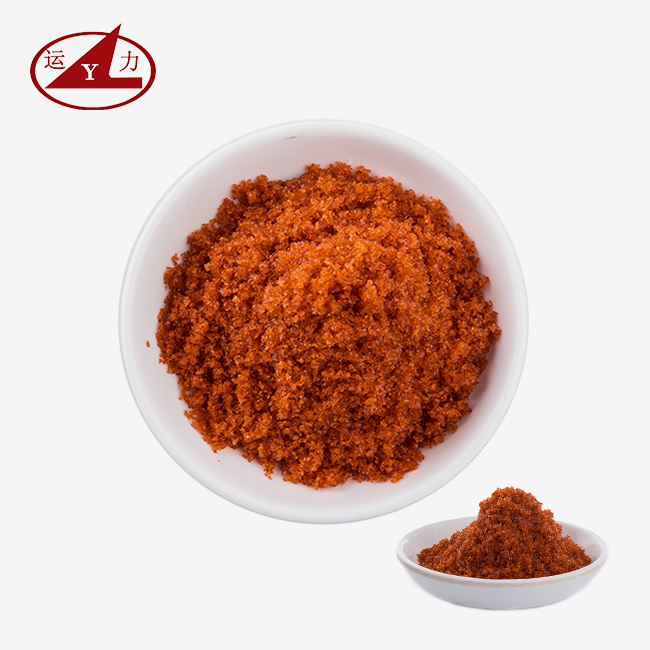
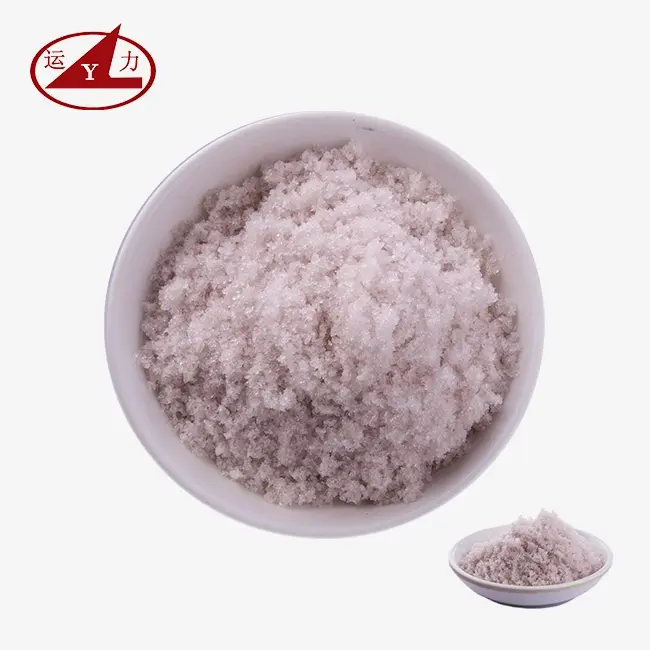
When purchasing managers and technical experts look at chemical compounds, how they look can often tell them right away about their quality and how they should be handled. Iron Nitrate, more specifically ferric nitrate nonahydrate (Fe(NO₃)₃·9H₂O, CAS 7782-61-8), looks different from other iron salts because it is purple and crystalline. This unique color comes from the way its molecules are structured and how much water is in them. It can be used as a quality sign during getting checks and storage checks. Figuring out what causes this color difference helps business buyers check for stability, find contamination, and make sure the supply chain works well for applications like making catalysts, treating textiles, and treating metal surfaces.
Understanding Iron Nitrate: Color and Chemical Characteristics
The Science Behind the Purple Hue
The purple color of ferric nitrate nonahydrate comes from the iron(III) oxidation state and the nine water molecules that are crystallizing. High-purity Fe(NO₃)₃·9H₂O has crystals that range in color from pale violet to deep purple at room temperature. The color depends on the size of the crystals and how they bend light. This is not at all like dehydrated ferric nitrate, which is a powdery pale yellow substance. Optical qualities are directly affected by the amount of hydration. Each water molecule changes the ligand field around iron ions, which changes how the compound takes in and reflects visible light.
The shape of a crystal changes how intense it seems. Larger monoclinic crystals have darker purple tones, while small powders may look lighter because they scatter light more. When Yunli Chemical makes something, they make sure to keep the crystallization temperatures exactly at 47.2°C (the freezing point) so that the particles are all the same size, which makes sure that the color is the same from batch to batch. Specific density readings of 1.68 g/cm³ are consistent with crystals that are properly formed, providing an extra way to check the crystals besides eye analysis.
How Purity Impacts Appearance?
Color changes a lot when impurities are present. When chloride levels are higher than 100ppm, they can give colors yellow tints. When iron(II) levels are too high, they give colors brownish tints. Our ultra-high pure grades keep chloride levels below 50ppm and total iron content below 30ppm, so the real purple color is kept. People who want to buy something should ask for a Certificate of Analysis (COA) that lists not only the purity rates (≥98% is normal, and up to 99.9% can be requested), but also the levels of impurities that are allowed. Heavy metals, manganese, and sodium can have a big impact on both the color and the performance of the catalytic process further down the line.
Color consistency is linked to deliquescence behavior as well. It is easy for ferric nitrate nonahydrate to take in water from the air, which makes darker, stickier solutions on the sides of crystals. This is the reason why materials that aren't kept properly get random discoloration or caking. We deal with this problem by using special anti-caking agents that keep the crystals from sticking together without changing the chemical makeup of the product. This way, the purple color stays the same throughout its shelf life.
Solution Color Dynamics
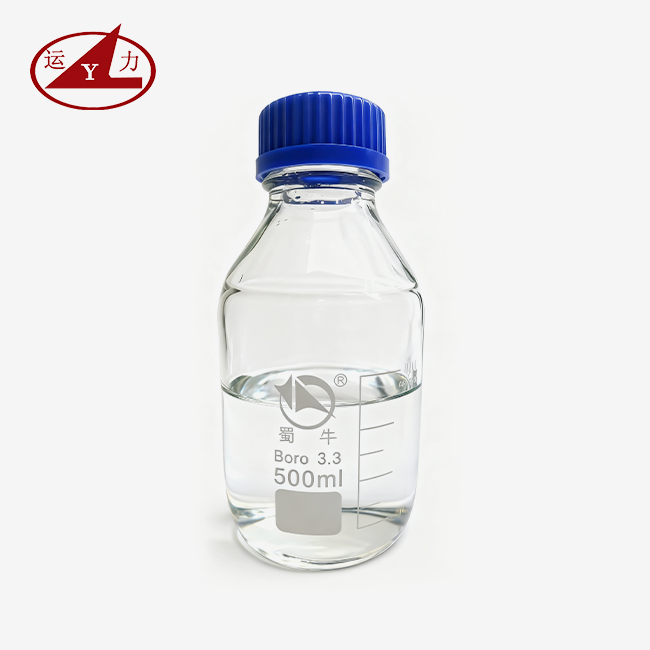
When you mix ferric nitrate nonahydrate with water, you get amber to reddish-brown liquids whose color depends on how much you mix. A 10% water solution usually has a pH of 1.5 to 2.5 and a clear brown color. Less concentrated solutions look pale yellow. The change in color from solid purple to dissolved brown is caused by changes in iron coordination. Some nitrate groups are replaced by water ligands, which changes the absorption spectrum. Because the polarities of the solvents change, ethanol and acetone solutions behave similarly but have slightly different tones.
Colorimetry is a useful tool for controlling processes because it lets you keep an eye on concentration. When using a catalyst or mordanting on textiles, workers can figure out how much active iron is in the solution by comparing the color of the solution to standards. This quick qualitative check works with lab measurement to find mistakes in dilution or contamination before they affect whole production runs. Changes in temperature can also change color. For example, heating something above 125°C causes it to break down into nitrogen oxides and iron oxides, which give off brown smells that are a clear sign that the way it is handled needs to be changed.
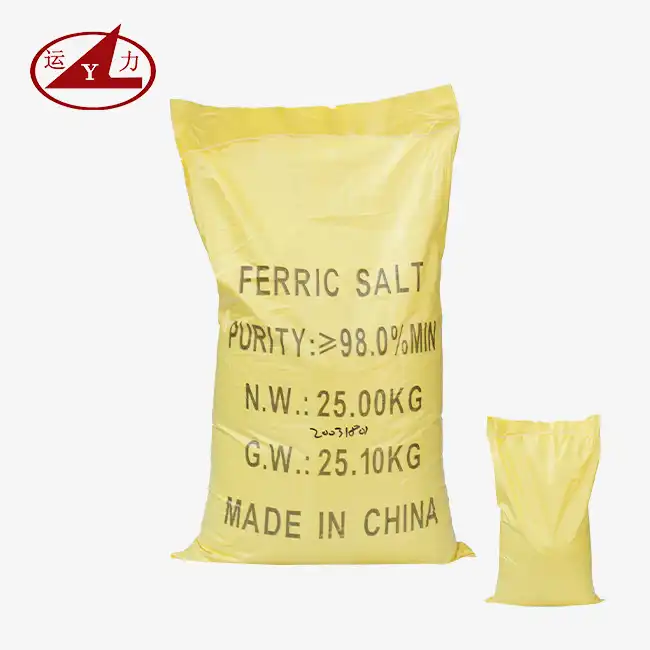
Iron Nitrate vs Other Iron Compounds: Color and Performance Comparison
Visual Differentiation from Common Iron Salts
When you compare ferric nitrate nonahydrate to other options, you can see why color is important when making buying choices. Iron(II) sulfate heptahydrate makes pale green crystals, while iron(III) chloride hexahydrate looks like yellow-brown hygroscopic lumps. These different colors come from the different oxidation states and interactions between anions and cations. The purple color of Iron Nitrate shows that it has a special mix of three-valent iron and nitrate bonds. This makes it easy to spot in places where other chemicals are stored, which lowers the chance of mistaken labeling.
Iron chelates, like Fe-EDTA, are used in farming and come in the form of dark red to brown powders. Chelates are soluble like ferric nitrate, but they keep their color stable over a wider pH range. The color of ferric nitrate stands out more in acidic environments, while the color of iron sulfate changes from green to brownish-yellow when it comes into contact with air. These differences help quality control teams make sure that packages meet the requirements of the buy order without having to wait for full analytical reports.
Performance Implications Linked to Color
Functional dependability is linked to color uniformity. Batch-to-batch purple consistency in ferric nitrate nonahydrate means that the manufacturing process was managed, with stable temperature control, consistent hydration, and little contamination. Process drift, which could change oxidizing strength or solubility rates, is suggested by changes. When we make hydrogenation catalysts, we've seen that even small changes in color (greenish or brownish casts) cause active site densities to drop by 5 to 10 percent, which has a direct effect on reaction rates.
Ferric nitrate breaks down easily into nitrogen oxides and iron oxides, while iron chloride adds halide ions that hurt some catalysts. This "clean decomposition" benefit is clear when the material is heated: pure ferric nitrate gives off white smoke (nitrogen oxides) and a reddish-brown residue (Fe₂O₃), while polluted material gives off more colored fumes. In offer papers, procurement engineers can list color standards that are used as first-line quality gates before taking big tonnage orders.
Stability Indicators During Storage
Keeping an eye on how the color changes over time shows if the handling is good. Fresh ferric nitrate nonahydrate keeps the crystals bright purple. Gradually turning brownish-purple means that some of the water has been lost or that breakdown has begun, which often happens when storage temperatures are higher than 30°C. Because nitrates are reacting, yellowing means that they are breaking down or getting contaminated by organic materials, which is a very big problem. Our ISO 14001-certified facilities keep climate-controlled storage below 25°C and humidity below 60%. This stops these ways of breaking down products and keeps their look for 12 months.
Application Insights: What Iron Nitrate's Color Indicates for Use Cases?
Catalyst Manufacturing and Color Control
In catalyst production, ferric nitrate nonahydrate's purple color lets you check the quality right away. When putting methanol synthesis catalysts on alumina supports, operators aim for certain iron levels that can be seen by the color of the fluid. When the expected reddish-brown tint isn't seen at the right amounts, the pH and concentration are checked right away. This stops groups of defective catalysts from being made. Our ≤10ppm heavy metal grades make sure that color stays the reliable sign it should be, untouched by small contaminants that could hide problems otherwise.
How something calcinates also relies on how pure it is to begin with, which can be seen in its color. It is known that at 125°C, pure purple crystals will break down, leaving behind a uniform reddish-brown iron oxide. Off-color material makes oxides that are uneven and don't always work as well as catalysts. Our color specification promises help clients with continuous catalyst production lines because they know that every 25 kg PE bag or 500 kg drum will contain the same purple crystals. This cuts down on the number of times they have to make adjustments and increases output.
Textile Dyeing and Mordant Performance
When textile makers use ferric nitrate as a mordant, they use color to figure out how strong the mordanting fluid is. The amount of iron in the solution affects how amber-brown the dissolved ferric nitrate is, which helps dyers get the colors they want for the fabric. If the solution is too light, the color won't soak in properly. If it's too dark, the fibers could be damaged by the high acidity (pH 1.5–2.5). Our chloride-controlled grades (<50ppm) keep dye baths from adding unwanted yellow casts, so the results are always the same and predictable across production runs.
The ability to change schedules is limited by the color stability during storage. When material darkens too quickly, the mordanting doesn't work as well, so the dose needs to be changed, which makes process control more difficult. By giving textile companies ferric nitrate that is strong against caking, we help them keep solution colors uniform over weeks, which supports just-in-time inventory practices without lowering quality.
Metal Treatment and Corrosion Inhibition
In electroplating and metal polishing, the color of the solution shows how much of the active ingredient is present and how much contamination there is. Fresh ferric nitrate baths have clear reddish-brown colors. Cloudy or greenish solutions mean that impurities have built up and need to be filtered or replaced. Our formulations are RoHS and REACH-compliant, so they get rid of hexavalent chromium while keeping the visual clarity that workers need to make daily decisions about bath upkeep.
Color-coded quality checks are helpful for formulas that stop corrosion. When scientists mix ferric nitrate into anti-rust primers, they watch for the purple-to-brown change that happens when the crystals break down. Formulation mistakes are caught before the coating is applied by showing signs of incomplete dissolution or unexpected color changes. This cuts down on trash and redo. High-solubility grades (≥99.5% in water) dissolve quickly and develop colors evenly, which speeds up the production process.
Procurement Considerations: Choosing and Buying Iron Nitrate with Confidence
Evaluating Supplier Quality Through Color Standards
When sourcing Iron Nitrate nonahydrate, including color specifications in purchase orders provides clear acceptance criteria. A reliable supplier like Yunli Chemical guarantees Iron Nitrate with specific physical properties: a purple crystalline solid, bulk density of 1.68 g/cm³, and freezing point of 47.2°C. These Iron Nitrate parameters are verified through Certificates of Analysis accompanying each shipment, ensuring incoming material meets process requirements. Procurement professionals should discuss acceptable color variation ranges with Iron Nitrate suppliers, as batch-to-batch consistency matters as much as purity. An Iron Nitrate shipment that passes purity testing but shows unexpected discoloration may indicate partial dehydration or contamination that affects dissolution rates in downstream synthesis—problems that pure assay numbers alone cannot detect but color inspection readily reveals.
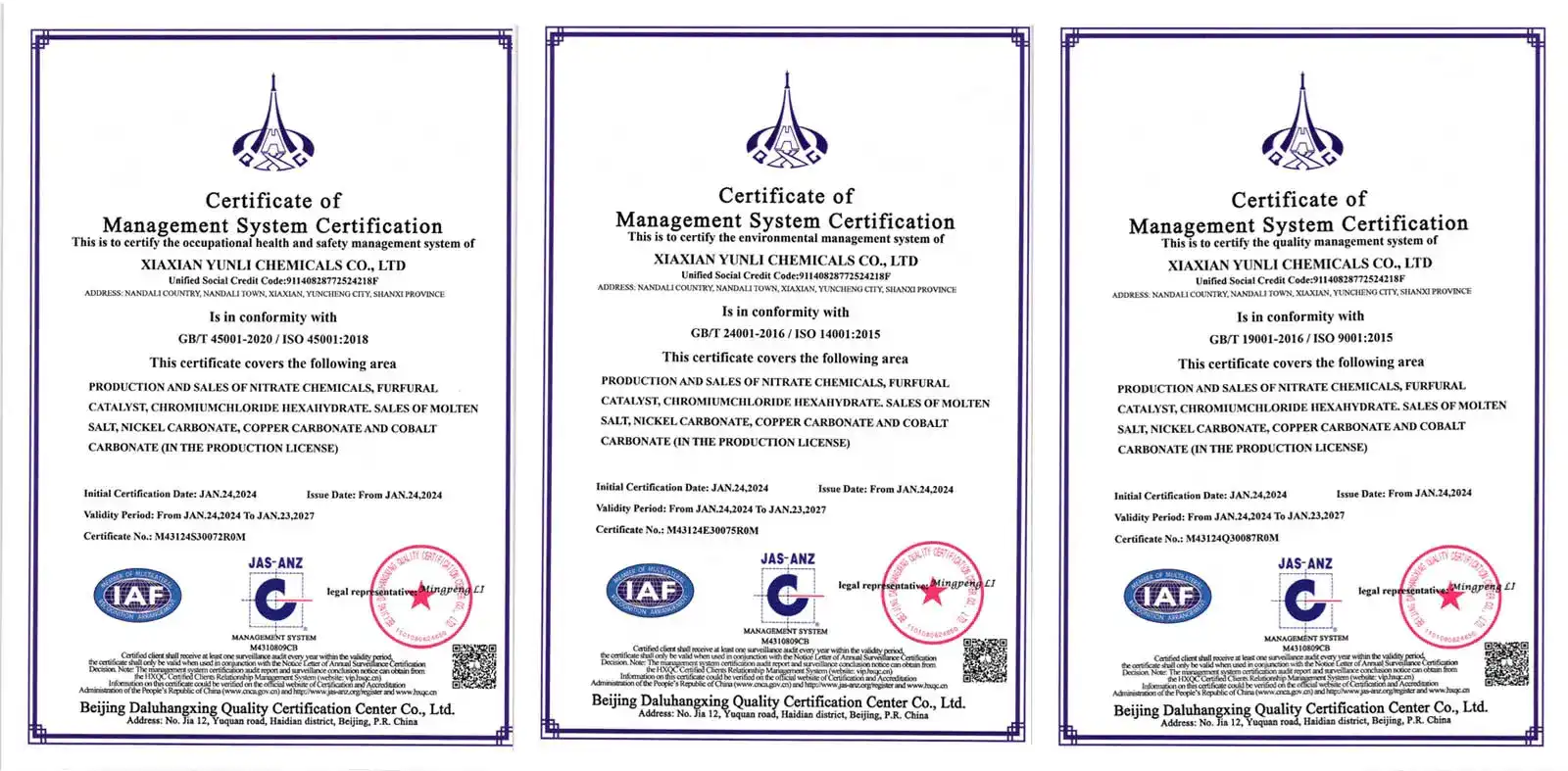
When suppliers are open about how they control production, it builds trust. Our quality system is ISO 9001-certified and includes colorimetric checks that use measured standards to find problems during the production process before they are packaged. Modern tools, such as ICP-MS and atomic absorption spectrometers, can measure the impurities that change color, giving us objective information to back up what we see. When sellers explain how their quality standards apply to the purple rocks they bring to your dock, it helps the procurement team.
Regulatory and Logistics Factors
Transportation rules for oxidizing objects say that they need to be properly classified, labeled, and packed to keep them from breaking down or getting contaminated while they're being shipped. Due to its low melting point (47.2°C) and tendency to melt, ferric nitrate needs to be carefully managed at high temperatures. Shipping it in the summer to hot places can cause it to liquefy. We deal with this by offering protected packaging and fast shipping choices that keep the quality of the product from our factory in Shanxi Province to your receiving bay.
Documentation that shows you are following environmental rules helps customs processing and internal decisions go smoothly. Our OHSAS occupational health certifications and ISO 14001 environmental management badges show that we handle things responsibly, which meets the needs of business sustainability requirements that are becoming more common among buyers in North America. Every order comes with full MSDS and danger communication tools, which makes following safety rules at work easier.
Customization and Technical Support
In addition to normal grades, Iron Nitrate can be customized to fit particular needs. Changing the crystal size from 0.5 mm to 3 mm will get the best breakdown rates for your method. With pre-dissolved liquid solutions, you don't have to handle them on-site, which saves time and lowers your risk of exposure. We've made custom mixtures with pH stabilizers for companies that make catalysts and co-nutrient blends for farming clients, and we've always kept the visual quality marks that users count on.
Our expert team, which has 20 years of experience in coal-chemical engineering, can help you figure out what's wrong when you have questions about color quality. Whether it's dealing with unexpected changes in color, making sure that storage conditions are ideal, or vetting alternative sources, we have the knowledge that turns procurement from a one-time transaction into a strategic relationship. Customers like that we're ready to give them free samples of up to 500 grams, which lets them see the color and see how well it works before they sign a volume contract.
Conclusion
The unique purple color of Iron Nitrate nonahydrate is more than just an interesting look; it also serves as a useful quality sign when buying, storing, and using the chemical. When business-to-business buyers understand the chemical reason for this coloration and how purity, hydration, and handling affect look, they gain powerful tools for evaluating suppliers and keeping an eye on the process. When you compare ferric nitrate to other iron salts, you can see that it has special benefits in situations where you need a clean breakdown with little contamination. Whether you're making unique chemicals, metals, or catalysts, a constant color means that the chemicals will work well. Working with well-known companies that have clear quality systems, lots of paperwork, and technical know-how will make sure that your supply chain not only provides legal materials but also the best results in tough industrial settings.
FAQ
What color is ferric nitrate nonahydrate in solid form?
When it is pure, ferric nitrate nonahydrate (Fe(NO₃)₃·9H₂O) crystals look purple to pale violet. The strength changes with the size of the crystals; the darker purple tones are found in the bigger particles. It's different from dry types, which are pale yellow, and other iron salts, such as green iron sulfate or brown iron chloride, because of its color.
Does solution color indicate ferric nitrate concentration?
Yes, water solutions can be anywhere from pale yellow (very weak) to reddish-brown (very strong). A normal 10% solution has a pH of 1.5 to 2.5 and is amber-brown in color. Monitoring the strength of the color gives quick qualitative feedback on the concentration levels. This is useful for process control in impregnation of catalysts and mordanting of textiles before exact values are confirmed by lab analysis.
Can color changes signal quality or safety issues?
Of course. Going from light purple to dark purple means it's losing some water or being exposed to heat. Greenish tints mean that chloride is present, and yellowing means that the material is breaking down or there are biological impurities. Because ferric nitrate is a strong oxidizer, any sudden changes in color should be looked into right away to keep people safe and make sure the product continues to work as expected.
Partner with Yunli Chemical for Reliable Ferric Nitrate Supply
Finding a provider of consistent, high-purity ferric nitrate nonahydrate requires more than just comparing prices. You need to find one with a history of excellent manufacturing and quick technical help. Yunli Chemical was founded in 2005 and has 20 years of experience making Fe(NO₃)₃·9H₂O with impurity control down to ≤10ppm for use as a catalyst. We promise the purple crystalline consistency your processes need with our regional technology center and ISO-certified quality systems. This is backed up by full COAs and environmental compliance paperwork.
Whether you need standard 98% pure grades or custom 99.9% recipes, our factory-direct model cuts out the middleman and guarantees a steady supply by selling more than RMB 1 billion a year. Technical engineers and buying managers are welcome to ask for free samples (up to 500g) and talk to our team about their unique needs. To get in touch with a reliable Iron Nitrate seller who cares about your business's growth, email wangjuan202301@outlook.com.

References
1. Smith, J. R., & Chen, L. (2021). Industrial Applications of Iron Nitrate Compounds: Quality Control and Process Optimization. American Chemical Society Symposium Series, Vol. 1389.
2. European Chemicals Agency (2020). REACH Compliance Guidelines for Oxidizing Agents in Metal Treatment. ECHA Publication Series on Risk Management.
3. Thompson, M. D. (2019). Color as a Quality Indicator in Inorganic Salt Manufacturing. Journal of Industrial Chemistry and Engineering, 45(3), 287-304.
4. National Institute of Standards and Technology (2022). Physical and Chemical Properties of Iron Nitrate Hydrates. NIST Chemistry WebBook, Standard Reference Database 69.
5. Wang, H., & Rodriguez, P. (2020). Catalyst Synthesis Using High-Purity Metal Nitrates: Best Practices for B2B Procurement. Catalysis Today, 358, 112-125.
6. International Organization for Standardization (2018). ISO 9001:2015 Quality Management Systems in Chemical Manufacturing: Implementation Guide for Nitrate Compounds. ISO Technical Committee 176.