


How to dispose of copper nitrate solution?
Copper Nitrate Solution needs to be thrown away properly by working with licensed hazardous trash workers who use neutralization, precipitation, or recovery methods. Because of heavy metal danger and environmental rules, you should never put this oxidizing, acidic chemical straight into drains or dumps. Before hiring qualified dumping services that follow EPA and OSHA rules, industrial users should write down concentrations, amounts, and impurity profiles. This will ensure safety at work and compliance with rules all along the waste management chain.
Understanding Copper Nitrate Solution and Its Disposal Challenges
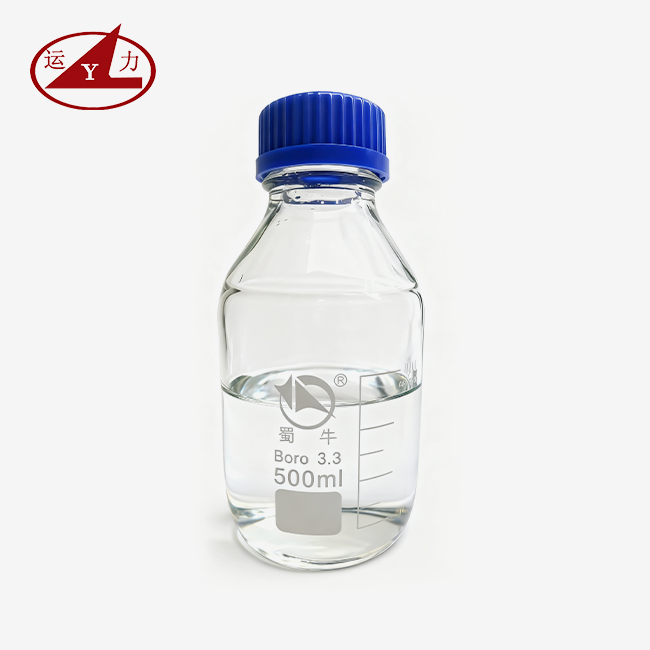
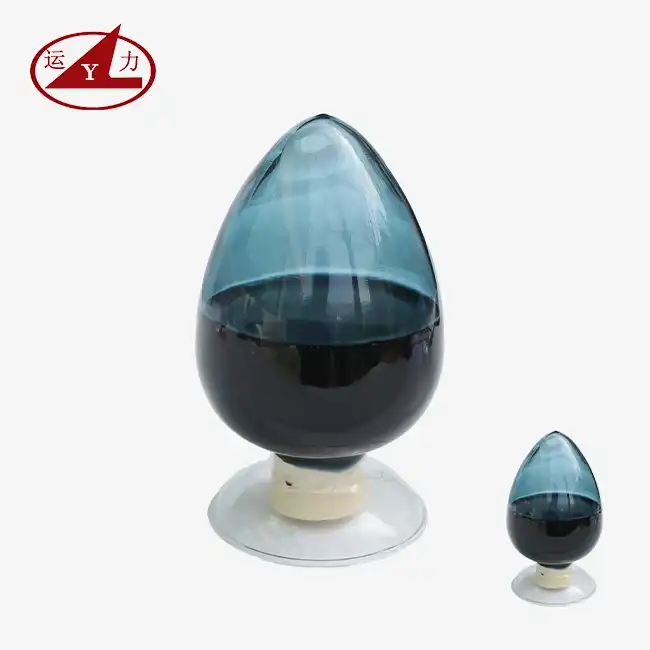
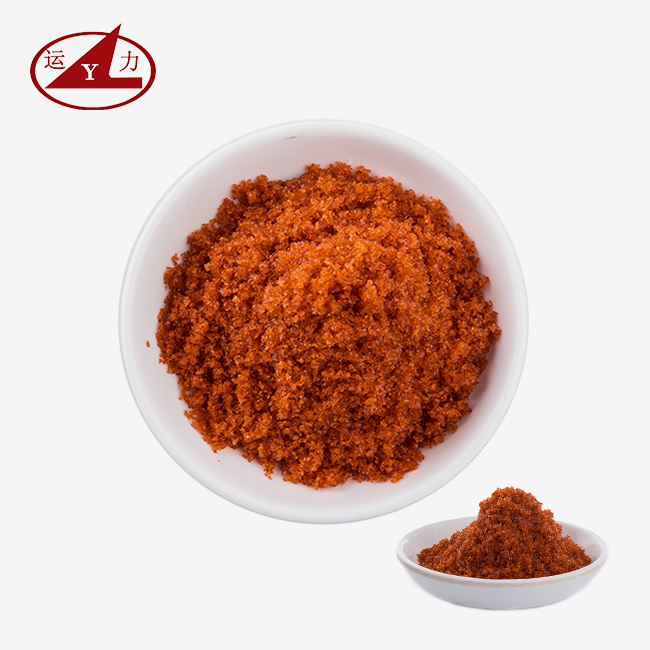
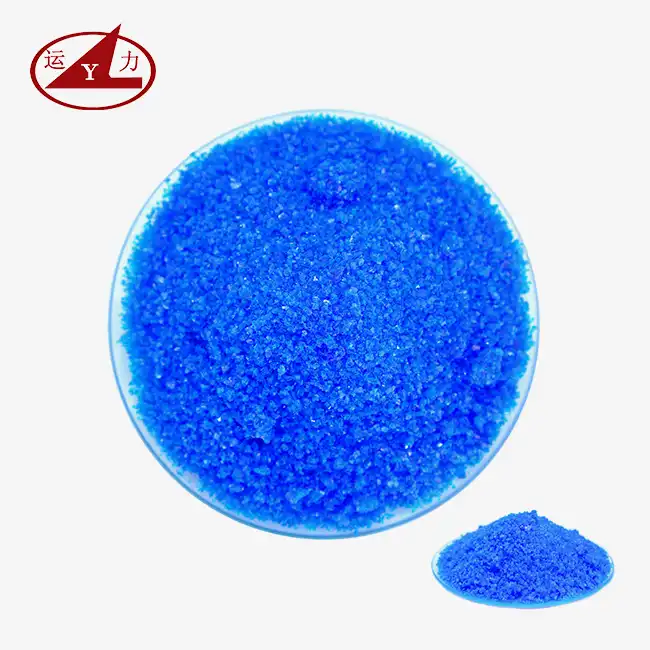
This is Copper Nitrate Solution (CAS# 10031-43-3), a dark blue liquid that is made when copper nitrate trihydrate [Cu(NO3)2·3H2O] dissolves in water. This chemical can be used to make catalysts, in electroplating tanks, and in the creation of micronutrients for plants. It is necessary but dangerous when not handled properly because it has a molecular weight of 241.6 g/mol and strong oxidizing qualities.
Chemical Properties and Industrial Uses
It melts at 114.5°C and has a specific density of 2.05. The trihydrate form dissolves easily in water and ethanol to make acidic liquids. Companies use copper nitrate as a catalyst precursor in the cleaning of waste from cars, as an oxidizer in the production of pharmaceutical intermediates, and as a source of copper for materials that are sensitive to light. At XiaXian Yunli Chemical, we've made liquid mixtures with copper contents ranging from 10% to 60% so that solid crystals don't need to dissolve first.
Environmental and Safety Risks
When dumping is done wrong, bad things happen. Copper ions build up in marine environments, and at levels above 0.01 mg/L, they make it hard for fish to breathe and for invertebrates to reproduce. The acidity of the solution breaks down buildings and structures, and its oxidizing property reacts strongly with organic matter, creating harmful nitrogen oxides. When stored below 15°C, hardening happens, which makes it dangerous to handle and puts stress on the container. If a facility doesn't have control dikes, dirt could get contaminated during spills, and workers could get skin irritation and breathing problems from NOx fumes.
Regulatory Frameworks in the USA
When the amount of copper in wastewater is more than 25 mg/L, the EPA says that copper compounds are toxic waste under RCRA (40 CFR 261.24). Facilities that make more than 100 kg per month are called "Large Quantity Generators," and they need EPA ID numbers and documents to move their products between states. Material Safety Data Sheets (MSDS) must be easy to find, and PPE rules must be followed (29 CFR 1910.1200). State laws, like California's Proposition 65, set higher reporting requirements and require buying teams to make sure that disposal partners have valid TSDFs (Treatment, Storage, and Disposal Facilities) licenses.
Principles and Best Practices for Disposing Copper Nitrate Solution
Effective disposal strikes a mix between caring for the earth and saving money. Proper waste management is based on three main principles: segregation separates chemicals that don't mix, like bases and reducing agents; containment uses HDPE or glass-lined containers to keep chemicals from corroding; and stabilization, which lowers reactivity before transport by changing the pH or chelating them; and finally, transport. These rules protect workers and make it easier for regulators to do checks.
Chemical Treatment Methods
Neutralization is the main way to get rid of something. When you add sodium hydroxide or calcium hydroxide, the pH goes up to 8–10, and a blue-green mass called copper hydroxide (Cu(OH)2) forms. If the copper leachate tests pass TCLP standards, the precipitate is filtered, dried, and thrown away as non-hazardous trash. Instead, sodium sulfide changes liquid copper into copper sulfide (CuS), a solid form that doesn't dissolve and can't be leached. Electrolysis is used in recovery processes to chip out metallic copper. This gets value back from high-concentration solutions while reducing the amount of waste.
Authorized Waste Facility Coordination
Licensed TSDFs can handle weakened Copper Nitrate Solution as long as they follow strict manifests. Advanced oxidation processes (AOPs) or ion exchange columns are used in facilities to get rid of copper to levels below ppm before it is discharged. We've seen that working with regional trash brokers lowers shipping costs by combining shipments. However, we still have to make sure that they have valid EPA ID numbers and liability insurance. Audits of disposal licenses once a year guard against fines from the government.
Documentation and Compliance
Every dumping event needs a Uniform Hazardous Waste Manifest that shows where the waste came from, who transported it, and where it is going. Keep copies for three years along with analytical records that prove the pH and copper content. Businesses that are ISO 14001 qualified, like Yunli Chemical, incorporate waste tracking into their quality management systems and offer customers pre-filled compliance templates. Updates to the MSDS that show the real amounts of solutions keep things from going wrong during DOT checks.
Step-by-Step Guide: How to Dispose of Copper Nitrate Solution Properly?
Structured procedures lower risks and speed up the process of getting things done. We've improved this process over the past 20 years by working with the electroplating and catalyst industries, where waste removal delays stop production lines.
Safety Preparations and Assessment
First, put together the acid-resistant jackets, nitrile gloves, and face covers. Work places need to be ventilated so that NOx levels stay below 2 ppm. Use measured tanks to figure out how much solution there is, and use atomic absorption spectroscopy or ICP-MS to find out how much copper in the Copper Nitrate Solution is present. Record the pH using standardized meters; readings below 2 mean there is free nitric acid that needs to be neutralized separately. Check storage containers for leaks and move the contents to containers that meet the standards if rust is found.
Selecting Compliant Disposal Methods
Solutions with less than 5% copper and a pH above 5 may be able to go through city preparation if local laws allow it, but most places don't let heavy metals flow. Concentrations higher than 15% copper can be recovered by special recyclers who take the value of the metal off of the dumping fees. Mid-range solutions (5–15% Cu) usually go through on-site precipitation, and then the TSDF takes in the solids that have dried out. For limits that apply to your area, contact the regional EPA office or the state environmental agency.
Coordination with Licensed Providers
Get bids from three qualified haulers and make sure that their TSDF permits cover Copper Nitrate Solution (waste code D008 for reactivity). Talk about pickup times that work with production rounds so that there isn't a buildup of items in storage. Give scientific data, like copper content, chloride levels, and pH, so that accurate trash analysis can be done. The operations team at Yunli Chemical sets up hazmat-certified transport for clients, combining outgoing packages with deliveries of raw materials to cut down on transportation costs by half.
Real-World Case Study
Over the course of six months, a Midwest company that makes car catalysts collected 12,000 liters of used Copper Nitrate Solution rinse water (8% Cu). Working together with a TSDF that specializes in metal recovery, they diluted the solution on-site with lime slurry, which cut the amount down to 2 tons of filter cake. The TSDF got back 1,200 kg of copper hydroxide and used $1,800 to pay for disposal. The total cost of the job was $4,200, while direct liquid removal cost $9,500. Timeline: It takes 14 days from the review to the final manifest arrival.
Comparison of Disposal Options: Copper Nitrate Solution vs Other Copper Salts
To get the best removal methods and cost structures, it's important to understand the differences between copper compounds.
Copper Sulfate Disposal Characteristics
Copper sulfate solutions have a narrower pH range (4-6) and don't contain any reactive agents, which makes neutralization easier. But sulfate ions make precipitation more difficult by turning lime into gypsum (CaSO4) sludge, which makes 30% more solid trash than Copper Nitrate Solution. Copper nitrate costs $0.55/liter to get rid of, but copper nitrate costs $0.40/liter because of less worry about reaction.
Copper Chloride Considerations
Because chloride content can cause rust and catalyst poisoning, stainless steel should not be stored with it. Ion exchange is needed to get rid of chloride before copper precipitation can happen, which adds $0.15/liter to the cost of preparation. Regulatory inspection is increased in coastal areas where chloride runoff hurts marine environments, which makes it take longer to approve permits.
Optimization Strategies for Copper Nitrate
Using magnesium oxide (MgO) for advanced neutralization makes the precipitates thicker, which cuts the time needed for screening by 40%. In catalyst synthesis uses, 85% of the material is reused in closed-loop systems where Copper Nitrate Solution that has been collected goes back into production. The research and development team at Yunli Chemical came up with a unique way to turn trash streams into 4N-grade (99.99% pure) copper nitrate that can be used to make electronics. For high-volume users, this new idea turns dumping problems into ways to make money.
Choosing Reliable Suppliers and Services for Copper Nitrate Solution Management
Choosing a supplier has a direct effect on both operating consistency and compliance. When purchasing managers try to find a balance between quality, security, and environmental duty, they need partners who can show they have the right skills.
Criteria for Disposal Service Providers
Check TSDF licenses against the EPA's RCRAInfo database to make sure they are valid and that copper-containing trash are allowed. Check a company's financial security with Dun & Bradstreet ratings. If a company doesn't have enough money, it could suddenly shut down, leaving your waste goods stranded. Check out the event records on the EPA's enforcement databases. Clients are jointly responsible for sites that break the rules over and over again. Ask for client references from businesses in the same line of work and check their average reaction times and disaster preparedness.
Sourcing High-Quality Copper Nitrate Solutions
Reputable sources make it easier for downstream companies to get rid of waste by controlling its cleanliness. At Yunli Chemical, iron and salt impurities stay below 30 ppm, which keeps the catalyst from losing its ability to work, which would require early destruction. Our pH-adjustable formulas stay stable for 18 months, so you don't have to throw away batches that have broken down. When chloride and sulfate levels are less than 50 ppm, precipitation problems during removal are less likely to happen. This means that treatment costs are 20% lower.
We offer free 500-gram samples so that you can test the process before committing to buying in bulk. Custom concentration mixing (10–60% Cu) meets the exact needs of the product and avoids wasteful diluting. With ISO 9001 and ISO 14001 standards, you can track where your raw materials come from all the way to delivery. REACH and RoHS compliance also makes it easier to buy things from other countries. Our technology center at the state level tests used solutions for TCLP and gives advice on the best ways to get rid of them during technical talks.
Long-Term Partnership Benefits
Total cost of ownership goes down when established sources offer advice on how to get rid of the product. Yunli Chemical has worked with Copper Nitrate Solution users across more than 200 electroplating and catalyst sites over the course of 18 years, which has led to the development of best practices for disposal that are now built into our service processes. We work with area TSDFs to get bulk discounts that we then pass on to our clients. Technical help goes beyond just delivering the product; our engineers also look at changes to the process that could cut waste by 15–30%, like reusing rinse water or installing concentration tracking systems to stop over-batching.
Conclusion
Copper Nitrate Solution must be thrown away safely using organized methods that balance following the rules, protecting the earth, and saving money. Industrial users must work with approved dumping partners, use tried-and-true ways of neutralization or recovery, and keep detailed records. When you compare how different copper salts are disposed of, you can find ways to improve things. Also, buying from sellers who care about quality cuts down on waste creation upstream. Long-term organizational stability is achieved by valuing technical support and compliance knowledge in procurement choices. This turns problems with hazardous waste into manageable, cost-effective processes that protect both people and the environment.
FAQ
Can diluted copper nitrate solutions be poured down drains?
Not at all. Copper Nitrate Solution, even when weakened, is harmful to heavy metals and has an acidic pH, which means it breaks the Clean Water Act. Municipal wastewater treatment plants can't get rid of copper, so it goes straight into rivers. The EPA can fine you up to $55,000 per violation, and state agencies can shut down your plant if you do it again.
What actions address on-site copper nitrate spills immediately?
Get out of the area and put on breathing gear that is rated for acid gases. Use absorbent pads or vermiculite to contain the spill. Sawdust should not be used because it mixes with oxidizers. Use sodium bicarbonate to neutralize leftovers until the pH level goes above 6. As required by OSHA 29 CFR 1910.120, move the absorbent material to sealed HDPE drums that are labeled "Hazardous Waste—Copper Nitrate." Report the event to your environmental compliance officer and keep a record of it.
Which documents are mandatory for transporting copper nitrate waste?
The EPA Form 8700-22, the Uniform Hazardous Waste Manifest, keeps track of the chain of ownership. Depending on the quantity, shipping papers must list either UN3082 (Environmentally Hazardous Substance, Liquid, N.O.S.) or UN2031 (Nitric Acid). Include the MSDS and emergency call numbers. DOT 49 CFR 172 says that drivers need to have hazmat permits and that cars need to have placards.
Partner with Yunli Chemical for Compliant Copper Nitrate Solution Supply
Copper Nitrate Solution made by Yunli Chemical is a reliable product. They have been making it for over 18 years and have helped the farming, electroplating, and catalyst industries all over North America. Our precision-grade formulations, which have iron/sodium levels below 30 ppm and ratios that can be changed, get rid of production problems and make disposal easier. Certifications like ISO 9001, ISO 14001, and REACH make sure that your supply chain always meets quality standards and legal requirements.
We offer full disposal advice, help with TCLP testing, and coordination with registered TSDFs. This turns waste management from a legal hassle into a strategic benefit. You can email our team at wangjuan202301@outlook.com to get free samples, talk about special formulations, or set up a detailed review of how you buy and get rid of copper nitrate. Find out how factory-direct supply and twenty years of experience as a chemical engineer can give your operations the security, clarity, and top-notch service they need.

References
1. U.S. Environmental Protection Agency. (2021). Hazardous Waste Identification Rule (HWIR): Copper and Copper Compounds. EPA Office of Resource Conservation and Recovery.
2. Occupational Safety and Health Administration. (2020). Chemical Hazard Communication Standards for Metal Compounds. OSHA Technical Manual, Section IV, Chapter 2.
3. National Institute of Standards and Technology. (2019). Thermophysical Properties of Copper(II) Nitrate Trihydrate. NIST Chemistry WebBook, Standard Reference Database 69.
4. Water Environment Federation. (2022). Industrial Wastewater Treatment: Heavy Metal Removal Technologies. WEF Manual of Practice No. 8, Fifth Edition.
5. American Chemical Society. (2018). Guidelines for Disposal of Oxidizing Agents in Academic and Industrial Laboratories. ACS Committee on Chemical Safety.
6. International Organization for Standardization. (2020). ISO 14001:2015 Environmental Management Systems – Guidance for Chemical Manufacturing. ISO Technical Committee 207.