


What type of bond is cobalt nitrate?
Cobalt Nitrate, whose chemical formula is Co(NO₃)₂, has an interesting linking structure that blends ionic and coordination properties. The compound is made up of a center cobalt ion (Co²⁺) that bonds with nitrate ligands (NO₃⁻) to form coordination bonds. These coordination complexes make a molecule that is stable but volatile and dissolves easily in polar solvents. This makes it very useful for electroplating, making batteries, and making catalysts. It is important to understand this bonding nature when judging the quality of a product and whether it is suitable for a certain purpose in industrial buying.
Understanding the Chemical Bond in Cobalt Nitrate
The Coordination Complex Structure
Cobalt Nitrate bonds are made up of many different layers that communicate with each other. The cobalt ion is in the middle, and nitrate groups circle it. These groups connect to it through coordinate covalent bonds. The nitrogen atoms in the nitrate ions give electron pairs to the cobalt ion in this arrangement, making a stable octahedral shape. This framework for coordination explains why Cobalt Nitrate dissolves so easily in water and other polar liquids. The molecules of the fluid can easily interact with the coordinated structure.
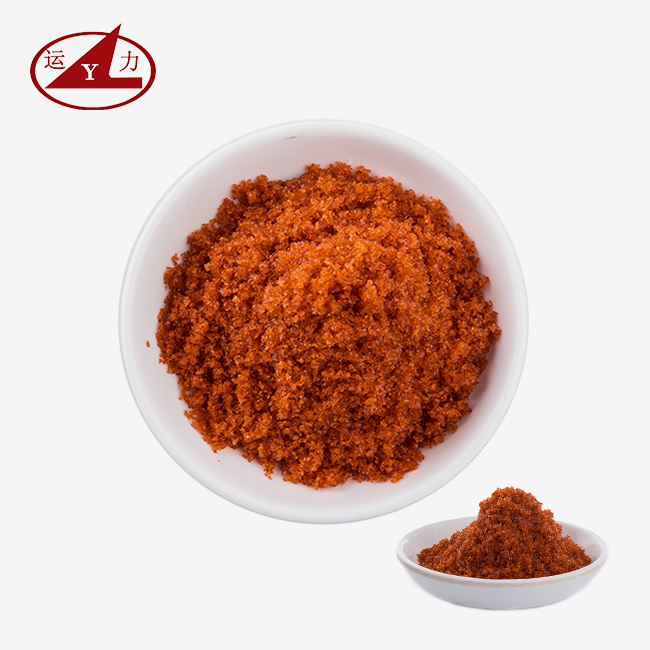
Cobalt Nitrate hexahydrate (CAS 10026-22-9), which is the commercially important form, has six water molecules in its solid structure. These water molecules take up coordination sites around the cobalt center, which makes the product more stable when it's not in solution but still reactable when it is. There are 291.03 grams of this substance per mole, and it forms reddish-brown crystals that melt at 55 to 56 degrees Celsius.
Ionic Versus Covalent Character
Even though coordination bonds make up most of the structure, Cobalt Nitrate also has a lot of ionic character. The substance is made up of positively charged cobalt ions and negatively charged nitrate groups that stick together electrostatically. Because it has two types of bonds, Cobalt Nitrate is physically different from compounds that are only ionic, like sodium chloride, or only covalent, like biological molecules. Cobalt Nitrate's unique ability to oxidize and break down at high temperatures comes from the balance between ionic and coordinate covalent bonds.
Hydrated and Anhydrous Forms
The difference between hydrated and dry Cobalt Nitrate has a huge effect on choices about what to buy. Cobalt Nitrate hexahydrate has water molecules built into its crystal structure, which makes it stable while it is being stored or transported. However, this hydration makes the product hygroscopic, which means it can easily take in more water from the air. Although less common in industrial uses, anhydrous Cobalt Nitrate has a higher cobalt concentration per unit mass but needs stricter storage conditions that control moisture. Buyers must define the right hydration state based on the conditions of their process and the surroundings.

Chemical and Physical Properties Influenced by Bonding
Solubility and Dissolution Behavior
Cobalt Nitrate has a unique solubility characteristic that is directly caused by its coordination bonding structure. The compound dissolves completely in water (about 134 g per 100 mL at 0°C), and it also dissolves very well in ethanol and acetone. This is because polar liquids can dissolve both the cobalt cation and the nitrate anions, which breaks up the crystal structure. The coordination sphere around cobalt can change when it dissolves, letting water molecules briefly replace some nitrate ligands. This makes watery cobalt complexes that look red to pink when they are in solution.
Thermal Stability and Decomposition
Because of how it bonds, Cobalt Nitrate changes behavior depending on the temperature. At 55 to 56°C, the hexahydrate form starts to lose the water that helps it crystallize, so it melts in its own crystal water. Because this low decomposition level is so low, moving and storing during the summer needs to be done with great care. Once the temperature goes above 74°C, the molecule thermally decomposes into oxygen, cobalt oxide (Co₃O₄), and nitrogen dioxide. Cobalt Nitrate is better for making high-purity cobalt oxides that are used in battery cathodes and clay colors because it breaks down in a clean way that doesn't leave behind any sulfur or chloride.
Safety and Handling Considerations
Cobalt Nitrate has strong oxidizing qualities because of its coordination and ionic bonds. The nitrate groups can easily move oxygen to reducing agents or organic materials, which could lead to reactions that burn or explode. This is why the substance has the UN Number 1477 rating (Oxidizer, Class 5.1) for shipping. Cobalt Nitrate must be kept away from flammables, reducing agents, and materials that can catch fire in storage sites. The chemical can also be harmful to your health if you eat, breathe it in, or touch your skin. That's why working areas need to have proper PPE and air systems. To make sure that all shipments in the United States follow OSHA and EPA rules, they should all come with full MSDS paperwork and COA certificates.
Comparing Cobalt Nitrate with Other Cobalt Salts
Cobalt Chloride Versus Cobalt Nitrate
Compared to Cobalt Nitrate, cobalt chloride (CoCl₂) mostly forms ionic bonds and has a weaker coordination character. Both salts dissolve easily in water, but cobalt chloride leaves chloride behind when it breaks down at high temperatures. This can contaminate finished goods and damage stainless steel tools. Because it breaks down more slowly, Cobalt Nitrate is better for uses that need very pure cobalt minerals. Also, chloride ions can be catalyst poisons in some industrial processes, but cobalt that comes from nitrate keeps its catalytic activity. To avoid chloride contamination, procurement managers in the pharmacy and technology industries usually ask for Cobalt Nitrate.
Cobalt Sulfate Comparison
Cobalt sulfate has a different way of linking, with sulfate groups joining with cobalt cations to form ions. Sulfate salts are more stable at high temperatures than nitrates, but they add sulfur to the system. When making batteries, they often have to choose between these two predecessors. Cobalt Nitrate is useful in spray pyrolysis and direct calcination because it breaks down at low temperatures, which makes the process more energy-efficient. To get rid of sulfur leftovers, cobalt sulfate needs extra steps of precipitation and washing, which makes the processes more complicated. But sulfate salts usually cost a little less per unit of cobalt content, so when making purchases, you need to think about how well they work versus how much they cost.
Hexahydrate Versus Anhydrous Specifications
Choosing between hexahydrate and anhydrous types of Cobalt Nitrate affects both how it is bought and how well it works in the process. Hexahydrate is mostly water, about 37% of its mass. This lowers the useful cobalt content but makes it easier to handle. The crystals don't stick together when kept correctly and stay fluid at room temperature. Anhydrous Cobalt Nitrate has a higher cobalt density, which is good for shipping small amounts, but it is very hygroscopic, so it needs special packing that keeps moisture out and climate-controlled storage. When direct dissolving is used in manufacturing, hexahydrate is usually preferred because it is easier to work with. On the other hand, uses that need the highest cobalt loading per volume may be worth the extra cost and complexity of anhydrous material.
Key Industrial Applications Explained Through Bonding Characteristics
Catalysis and Petrochemical Processing
Cobalt Nitrate is regularly utilized as a catalyst antecedent since it has coordination bonds. When Cobalt Nitrate is put on alumina or silica bolsters, it breaks down perfectly into cobalt oxide or strong cobalt particles that are broadly spread out. These partners make hydrodesulfurization forms less demanding in the refining of oil, where cobalt-molybdenum frameworks take sulfur compounds out of unrefined oil. The coordination structure lets the dynamic fabric be spread out equitably over the bolster materials, which increments the dynamic surface range. Strong salts do not enter empty underpins as well as fluid Cobalt Nitrate arrangements do. This makes depth-impregnated catalysts that final longer and keep their action better.
Battery Manufacturing and Energy Storage
Cobalt Nitrate is a key fixing in the making of present day lithium-ion batteries. It is utilized to make cathode materials. The chemical makes a difference make nickel-cobalt-manganese (NCM) and nickel-cobalt-aluminum (NCA) hydroxides through co-precipitation. Here, the coordination chemistry lets nickel and manganese antecedents blend at the nuclear level with solution-based nickel and manganese forerunners. This makes uniform accelerates that lead to uniform electrochemical execution. The oxidizing property of the nitrate anion makes a difference keep the right oxidation states amid precipitation, which is critical for coming to the objective stoichiometry. To keep wrapped up cells from losing capacity and having higher inner resistance, battery-grade Cobalt Nitrate has to meet strict virtue guidelines. Its press level must be less than 30 parts per million (ppm).
Pigments and Surface Treatment
Cobalt Nitrate is where most of the cobalt blue colors in glass and pottery come from. The coordination bonding makes it possible for the substance to dissolve in glazes, which makes sure that the color is spread out evenly. Cobalt Nitrate breaks down in high-temperature fire, releasing cobalt ions that mix with the silicate structure and give the material its bright blue color. Cobalt Nitrate is used in electroplating baths and conversion coating solutions for surface cleaning. The coordination chemistry lets controlled layers of cobalt-containing materials form on metal surfaces, making them more resistant to rust and better at sticking to them. Cobalt Nitrate is also used in the coloring and dying of leather and textiles as a drying aid and color change agent, thanks to its ability to oxidize and bind metals.
Procurement Considerations for B2B Clients
Critical Specification Parameters
When looking for Cobalt Nitrate hexahydrate for commerce employments, there are a number of specialized subtle elements that influence how well the item bonds and how well it works by and large. Cobalt rate is as a rule appeared by an test number between 98.0% and 99.5% for mechanical grades and electronic grades, separately. Matter that doesn't break down in water needs to remain underneath 0.01% so that splash frameworks and channel hardware do not get clogged. It is imperative to pay near consideration to follow metals components like press, nickel, copper, and lead since they can mess up coordination chemistry and make catalysts less compelling. ICP-MS (Inductively Coupled Plasma Mass Spectrometry) is utilized by progressed venders to degree debasements at parts-per-million levels and send explanatory certificates with each run.
Packaging and Logistics
Because Cobalt Nitrate hexahydrate absorbs water, it needs to be packed in a way that keeps moisture out. HDPE buckets lined with polyethylene bags are the standard for industry packing. Each drum has a net weight of 25 kg or 50 kg. Woven bags that don't let water in or intermediate bulk containers (IBCs) that are properly sealed can be used for bulk shipping. Controlling the temperature during travel keeps things from melting too quickly, especially in the summer when temperatures are close to the freezing point of 55°C. Suppliers who offer climate-controlled transportation and insulated shipping crates add value by making sure that the purity of the product is maintained throughout the supply chain. Labels with the UN 1477 hazard rating and oxidizer placards make sure that regulations are followed during both local and foreign travel.
Quality Assurance and Documentation
Suppliers you can trust have strict quality control systems that are approved by ISO 9001 standards. A Certificate of Analysis (COA) should show the results of all the tests that were done on each production batch. Important test factors include the amount of cobalt found using EDTA titration, the amount of chloride and sulfate leftovers, the pH of water solutions, and the profiles of metallic impurities. Material Safety Data Sheets (MSDS) must be sent with packages. These sheets contain information on how to handle the goods, what to do in an emergency, and how poisonous the materials are. When doing business across borders, sellers should make it easier for customers to get customs paperwork like tariff classification numbers and certificates of origin. Long-term ties with suppliers who can provide regular quality, expert help, and responsive customer service are good for buyers.
Supplier Selection Criteria
Aside from price, there are a few other things that set superior Cobalt Nitrate sellers apart. Manufacturing experience that spans several decades shows that the process is stable and that the company knows what it's doing. Supply breakdown risks are lower when a company has strong finances, as shown by large fixed assets and steady yearly income. Environmental compliance is becoming more and more important. Controls for NOx emissions and wastewater treatment systems show that a business is committed to running in a way that is good for the environment. Customizing goods by giving different particle sizes, solution concentrations, or ultra-high purity grades makes them more useful for specific uses. The minimum order numbers should match how much you normally use, and being able to get samples lets you test the process before making big purchases.
Conclusion
When buying workers understand the coordination bonding structure of Cobalt Nitrate, they can make decisions that improve both performance and cost. The compound has a special mix of ionic and coordinate covalent bonds that make it very soluble, very clean when heated, and very reactive in a wide range of situations, such as making catalysts, batteries, and surface treatments. Specification factors like purity grades, hydration states, and impurity profiles show how well the bonds are held together and decide the quality of the final product. Cobalt Nitrate sources that meet strict process requirements, regulatory compliance, and supply chain stability can be found by industrial buyers working with experienced suppliers who maintain strict quality systems, provide full documentation, and offer technical support.
FAQ
What type of chemical bonding exists in cobalt nitrate?
Cobalt Nitrate has coordination bonds between the cobalt ion in the middle and the nitrate ligands around it. It also has an ionic character from the electrostatic attraction between the Co²⁺ and NO₃⁻ ions. This compound's unique solubility and temperature qualities come from its dual bonding nature.
How does bonding affect cobalt nitrate's solubility?
The coordination structure makes it possible for neutral liquids like water to dissolve both the cobalt cation and the nitrate anions, which breaks up the crystal lattice. This makes the chemical very soluble in water—more than 134 g per 100 mL—which makes it perfect for processes that use solutions.
Why does cobalt nitrate hexahydrate melt at such a low temperature?
At 55–56°C, the weak coordination bonds that hold water molecules in the crystal structure break. This lets the chemical dissolve in the water that it used to form crystals. Because of this behavior, the product needs to be stored and shipped at a controlled temperature to keep its structure.
Which purity grade should I specify for catalyst applications?
To make catalysts, you usually need electronic-grade Cobalt Nitrate that is more than 99.5% pure and has less than 30 parts per million of iron. In petrochemical production settings, lower iron amounts keep catalysts from becoming poisoned and increase their useful life.
Partner with Yunli Chemical for Premium Cobalt Nitrate Supply
With more than twenty years of experience in nitrate chemistry, Yunli Chemical makes high-purity Cobalt Nitrate hexahydrate that meets the strict requirements of catalyst makers, battery makers, and surface treatment businesses all over the United States. As a manufacturer that is approved by ISO 9001, ISO 14001, and OHSAS and whose yearly sales top RMB 1 billion, we provide consistent product quality backed by full COA documentation and MSDS compliance. Our Cobalt Nitrate supplier can offer different levels of purity (as low as 30 ppm iron), a range of packing options (from 25 kg drums to bulk containers), and full technical help from our Enterprise Technology Center at the local level.
We simplify the supply chain by selling over 60 different types of nitrate directly from the plant at low prices. There is no minimum order size, and we offer free samples of up to 500 grams to make sure the process works. You can email our buying team at wangjuan202301@outlook.com to talk about your specific needs and enjoy the peace of mind that comes from working with a well-known, financially stable company that cares about quality, compliance, and customer success.

References
1. Cotton, F. A., & Wilkinson, G. (1988). Advanced Inorganic Chemistry (5th ed.). New York: John Wiley & Sons.
2. Greenwood, N. N., & Earnshaw, A. (1997). Chemistry of the Elements (2nd ed.). Oxford: Butterworth-Heinemann.
3. Huheey, J. E., Keiter, E. A., & Keiter, R. L. (1993). Inorganic Chemistry: Principles of Structure and Reactivity (4th ed.). New York: Harper Collins College Publishers.
4. Patnaik, P. (2003). Handbook of Inorganic Chemicals. New York: McGraw-Hill.
5. Perry, R. H., & Green, D. W. (2008). Perry's Chemical Engineers' Handbook (8th ed.). New York: McGraw-Hill.
6. Lide, D. R. (2004). CRC Handbook of Chemistry and Physics (85th ed.). Boca Raton: CRC Press.