





How to do a cupric nitrate patina?
Putting a controlled chemical solution on copper surfaces speeds up decomposition and creates bright blue-green finishes. This is called a Cupric Nitrate patina. High-purity Copper Nitrate Trihydrate (Cu(NO₃)₂·3H₂O) must be dissolved in pure water, usually at a strength of 10–30%. The solution must then be applied by spraying, brushing, or immersing. Temperature, humidity, and how the area is prepared all have a big impact on color consistency. Cupric Nitrate is a strong oxidizer that can irritate the skin and give off harmful nitrogen oxide gases when not treated properly. This is why it is used in industrial settings that have strict safety rules.
Understanding Cupric Nitrate and Its Role in Patina Formation
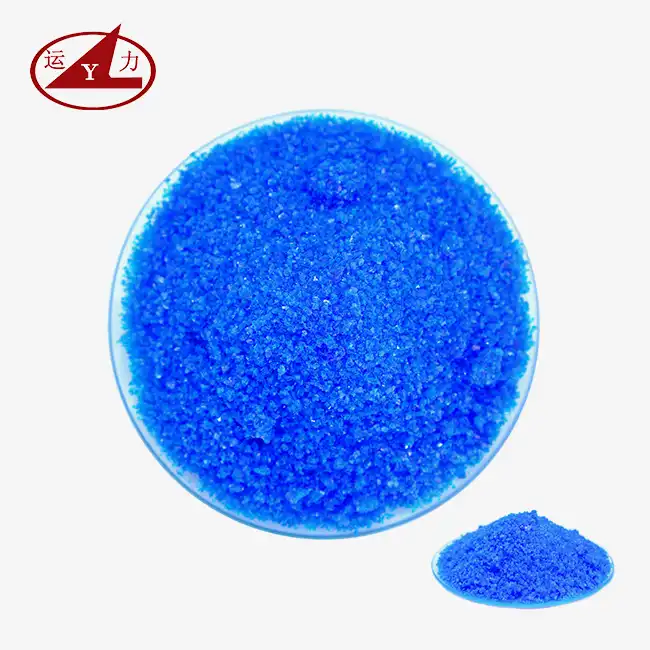
Copper Nitrate Trihydrate is the most effective chemical for controlling the formation of patinas in metal finishing processes in industry. This substance is a dark blue crystalline salt with the chemical formula Cu(NO₃)₂·3H₂O and the CAS number 10031-43-3. When accuracy and consistency are important, it is better than copper sulfate or chloride-based solutions.
Chemical Composition and Physical Properties
Copper Nitrate Trihydrate has molecular weight 241.6 g/mol and specific density 2.05 with three water molecules per unit. The hygroscopic crystals absorb atmospheric moisture, requiring sealed containers in climate-controlled storage. Melting occurs at 114.5°C into crystallization water; thermal decomposition begins around 170°C releasing oxygen and nitrogen dioxide. The oxidation property makes it effective for patina work but demands careful handling. Aqueous solutions become acidic and corrosive to copper surfaces.
Safety Protocols for Industrial Handling
Bulk procurement prioritises safety documentation. Copper Nitrate Trihydrate is UN 1477 Class 5.1 oxidising solid requiring segregation from organics and flammables during storage and transport. Personal protective equipment includes chemical-resistant gloves, safety goggles, and respiratory protection when handling dust or heated solutions. Processing areas need emergency eyewash stations and safety showers. Yunli Chemical provides complete MSDS and COA with each shipment. ISO 14001 certification demonstrates environmental management commitment.
The Science Behind Cupric Nitrate Patina
Cupric Nitrate patination involves electrochemical processes transforming metallic copper into oxide and hydroxide compounds. Nitrate ions facilitate electron transfer from solid copper atoms, creating cupric ions that combine with atmospheric oxygen and moisture to form basic copper nitrates, carbonates, and hydroxides visible as the coloured patina layer. This controlled oxidation enables predictable colour development for architectural and decorative applications.
Key Variables Affecting Patina Characteristics
The concentration of the solution has a big effect on how fast the reaction happens and how it looks in the end. When you dilute solutions (5–10%), you get lighter, more see-through finishes that are great for artistic building elements. But when you concentrate formulations (20–30%), you get deeper blue-green tones that are more resistant to corrosion. Controlling the temperature is also very important. High temperatures speed up reactions, but if they are not closely watched, they can lead to uneven coloration. For best stability, industrial operations usually keep solution temperatures between 20°C and 25°C. However, controlled heating to 40°C to 50°C can help with some specific tasks.
Industrial Case Applications
How well the surface is prepared tells us if the binding of the patina meets the standards for industrial toughness. Alkaline cleaners or solvent wipes must be used to completely remove any grease from copper surfaces. This must be followed by acid pickling or mechanical grinding to get rid of any existing rust layers. Surfaces that are clean and microscopically rough are great places for patina to form. Defects like spotting, poor bonding, and early failure in the environment are caused by residual oils, mill scale, or earlier coats.
Cupric Nitrate patination is often used by architectural metalwork companies to make bronze statues, copper roofing panels, and decorative walls look the same across large areas of surface. This is because the controlled chemical processes are worth the money. When properly sealed, these works last a very long time. The patinas will not fade in the weather for decades. When making electronics, controlled Cupric Nitrate treatment adds conductive oxide layers to copper lines, which makes solder joints more reliable. Similar methods are used in the car industry for decorative trim parts that need to look good and not rust in hard working conditions.
Step-by-Step Guide: How to Do a Cupric Nitrate Patina?
For industrial patination to work, there needs to be a set of steps that are followed exactly the same way every time the product is made. Setting up standard working procedures that cover everything from choosing the materials to the final inspection is helpful for technical teams.
Material Selection and Safety Preparation
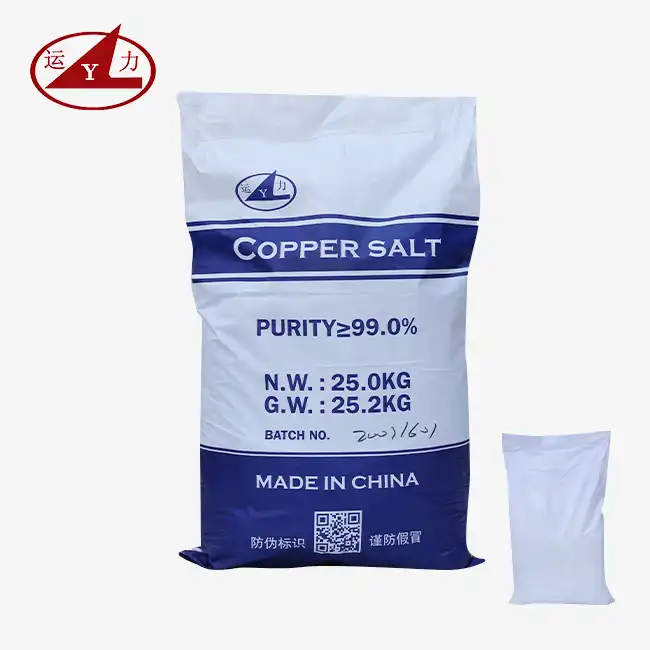
Finding Copper Nitrate Trihydrate that is very pure (assay values ≥98%) makes sure that the product will work as expected. You can choose from different pure grades up to 99.99% at Yunli Chemical. These are for uses that need very little iron (≤30ppm) or stable pH (±0.5). Our pre-dissolved liquid formulas get rid of the need for mixing on-site, which saves time and reduces the risk of exposure.
Before starting the patination process, workers must put on the right PPE, which includes nitrile gloves that can handle nitric acid, splash-proof masks that meet ANSI Z87.1 standards, and skirts that can handle chemicals. When working with hot solutions or in places with bad air flow, you need to wear respiratory protection. Set up procedures for cleaning up messes that include buffering agents like sodium bicarbonate and absorbent materials that can handle chemicals that oxidize.
Surface Preparation and Application Techniques
A three-step process is used to clean copper substrates: alkaline degreasing to get rid of grease, water washing, and light acid pickling (10% citric acid solution) to get rid of passive oxide films. Rinse well with pure water and dry with clean cloths that don't have lint on them. Any leftover dirt or dust will show up in the finished patina as discolouration or failure to stick.
When working on small areas or with fine features, a brush gives you more power. Apply the Cupric Nitrate solution with acid-resistant plastic brushes and even strokes. Keep the edges wet to avoid lap marks. Spraying larger flat areas with corrosion-resistant HVLP equipment that has fluid tubes made of stainless steel or plastic works well. Immersion dipping gives the most even coverage for complicated shapes, but tanks made of polypropylene or HDPE are needed because the solution oxidizes them.
Once the treatment is done, let the surface respond in normal settings. As soon as the patina layer forms, you can see the color start to change. One thick coat doesn't give as even of a finish as several thin coats do. Rinse with purified water in between coats and check the color development in the same lighting conditions.
Post-Application Treatment and Sealing
To stop the reaction once the color you want is reached, rinse the surface well with pure water and then use a weak baking soda solution (5 g/L) to neutralize any acidity that is still there. Apply safe sealers to lock in the patina and stop it from oxidizing further after the last rinse and drying in the air. Depending on the climate it will be used in, you can choose clear lacquers, microcrystalline waxes, or special metal coats. These barriers make patina last a lot longer, especially in outdoor works that are subject to changes in temperature and wetness.
Procurement and Supplier Guidance for Industrial Cupric Nitrate
Picking the right providers has a direct effect on the success of the patina job. Unpredictable results, work delays, and wasted materials are all caused by inconsistent quality, which costs a lot more than the money saved by using inferior goods in the first place.
Quality Evaluation Criteria
Buyers should check the pure requirements with an independent lab test or a full Certificate of Analysis from the maker. Copper percentage (assay), insoluble matter (≤0.01%), salt levels (<0.005%), and minor metals like iron, nickel, and lead are some of the most important factors. Even small flaws can change the way reactions work or taint finished goods, so strict quality control is a must for making catalysts and using them in medicine.
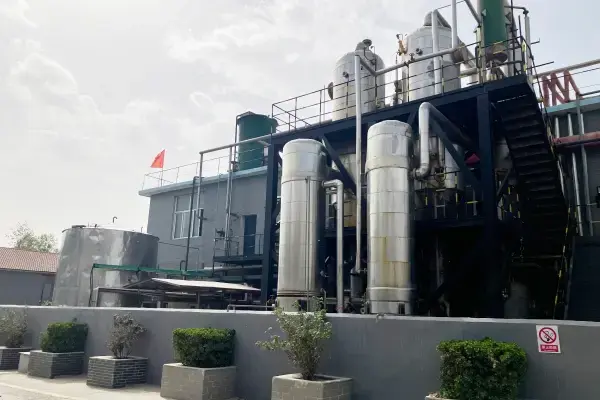
Yunli Chemical has a provincial-level business technology center with ICP-MS and atomic absorption spectrometers that lets them check the quality of every batch of production in real time. Our normal testing procedures make sure that everything is the same whether you order 25 kg drums or packages of several tons. We are a trusted long-term partner for demanding industrial uses because we can analyze things and have been making nitrates for over twenty years.
Strategic Supplier Partnerships
By building ties with manufacturers who offer direct delivery, you can cut out the middleman and the delays that come with contact. Yunli Chemical has an export section that it runs itself. This lets customers from other countries talk to production teams directly, who know the technical needs of their customers and can make goods that fit those needs. We offer a range of flexible packing choices, specify particle sizes (20–80 mesh), and can make pre-dissolved aqueous solutions at concentrations that you specify. This makes it easier for you to receive and handle our products.
Because we don't have a minimum order number, we can handle both small-scale tests and big production commitments. When a new customer signs up, they get up to 500 grams of free samples to try. This lowers the risk that comes with switching suppliers. This method takes into account the fact that once industrial processes have confirmed a certain chemical supplier, it becomes too expensive to switch—we work hard to earn that accepted place by showing that we can be relied on.
Every package comes with regulatory compliance paperwork, such as Material Safety Data Sheets that meet OSHA HCS requirements, transport grades based on DOT 49 CFR, and environmental certifications that prove our production methods are in line with ISO 14001 standards. These papers make it easier to clear customs and please company auditors in health, safety, and the environment. They also keep your supply chain safe from legal problems. Buying industrial Cupric Nitrate and how to choose a supplier should be done with these standards in mind.
Troubleshooting and Best Practices for Long-Term Patina Success
Even when patination processes are well managed, sometimes strange things happen. Differentiating between good results and great ones requires spotting trends of mistakes and taking corrective action.
Common Application Defects and Solutions
Uneven coloring is usually caused by not applying the solution evenly, surfaces that are dirty, or environmental factors that can't be managed. You can solve these problems by defining the ways that applications are made through written instructions and training for operators. Temperatures should stay within ±3°C of goal values and relative humidity should stay between 40 and 60%. If there is surface contamination, cleaning methods need to be reviewed. Adding an ultrasonic cleaning step can often fix problems with oils or tiny particles that won't go away.
If the patina layers made too quickly or don't bond properly to the base, they will be too fragile or not stick together well. Mechanical features are better when working solutions are diluted and thickness is built up through multiple light coats instead of a single heavy application. Adhesion problems may also mean that the surface isn't properly prepared. Chemical cleaning alone doesn't make the anchor profiles as good as mechanical roughening with scotch-brite rubbing or grit blasting.
Maintenance and Storage Best Practices
When patinas are properly sealed, they don't need much care other than being inspected every so often and cleaned with light soaps. Do not use rough cleaners or high-pressure washing, as these can damage protection layers. For outdoor projects, reapplying a protection wax or lacquer once a year makes the service last a lot longer. Using soft cloths to wipe down indoor decorations and applying furniture wax every so often can help keep them in good shape.
Copper Nitrate Trihydrate should be kept in its original, sealed cases in climate-controlled areas where the temperature stays below 25°C and the relative humidity stays below 50%. Because the substance is hygroscopic, it reacts with water in the air and forms a solid that melts or cakes. This makes the material hard to handle and measure correctly. Label all packages clearly with what's inside, how dangerous it is, and when it was received to help with inventory rotation and regulation compliance.
Concerns for the environment include the right way to handle rinse water that has copper and nitrate ions dissolved in it. Many places have rules about how copper can be put into urban sewer systems. Before it can be thrown away, the pH level may need to be adjusted and precipitation treatment may be needed. The expert support team at Yunli Chemical can help you find the right wastewater treatment methods based on your local rules. This will help you stay in line with environmental laws while also making the process more efficient. Mastering these principles is key to Cupric Nitrate success.
Conclusion
When backed by appropriate material selection, process control, and supplier partnerships, Cupric Nitrate patination produces finishes that are reliable, beautiful, and long-lasting. Industrial-grade results are achieved by understanding the science at play, preparing the surface carefully, and using the same application settings every time. Getting high-purity Copper Nitrate Trihydrate from well-known companies like Yunli Chemical keeps quality difference to a minimum and gives you access to technical support and full legal documentation. Mastering these principles will set up your operations for reliable, cost-effective patination success, whether you're finishing building steel, making electronic parts, or looking into decorative uses.
FAQ
Can copper sulfate substitute for cupric nitrate in patination applications?
Compared to Cupric Nitrate's basic copper nitrates and oxides, copper sulfate forms blue-green patinas but also makes different chemical compounds (mainly copper sulfate hydroxides). Both the way they look and how they weather are obviously different. More importantly, sulfate ions might get in the way of later steps in the making of electronics or catalysts. Cupric Nitrate has cleaner routes for decomposition, which makes it better for precise uses even though it costs a little more.
What copper alloys respond well to cupric nitrate patination?
Patinas look nice on pure copper (C11000) and high-copper metals like bronze (copper-tin) and brass (copper-zinc). Zinc oxidizes more quickly when the amount is above 20%, which could lead to less uniform effects. Phosphor bronze and silicon bronze alloys are commonly used in architecture because they patinate very well and look great while also being very resistant to rust. Always test certain metal mixes before making them on a large scale.
How should you handle and store large amounts safely?
Set up a specific store place that is away from materials that don't go with it, especially organics and reducing agents. Keep fire control systems in good shape and make sure there is enough air flow. Teach people how to handle emergencies, such as how to control spills and give first aid to people who have been exposed to chemicals. Our bulk packaging uses moisture-barrier covers inside fiber drums or returnable totes to keep the purity of the materials while they are stored for a long time.
Partner with Yunli Chemical for Reliable Cupric Nitrate Supply
To get reliable, high-quality patina finishes, you must first get premium-grade Copper Nitrate Trihydrate from makers with a lot of experience who know what your technical needs are. Yunli Chemical has been making nitrates for more than 20 years and has ISO 9001 quality management certification and the ability to work with a local technology center for all of its customers. Copper Nitrate Trihydrate supplier services include purity grades that can be changed, a variety of packing choices, and direct technical help from our chemical engineering team.
We know that reasonable pricing isn't the only thing that matters when an industry buys something. Reliability in the supply, full paperwork, and quick expert service are also important for building long-lasting relationships. You can email our export department at wangjuan202301@outlook.com to talk about your unique patination needs, get free samples, or set up a meeting with one of our applications experts. You can download detailed data sheets to help you with your process development. Partnering for Cupric Nitrate supply ensures industrial consistency.

References
1. Davis, J.R. (2001). Copper and Copper Alloys: ASM Specialty Handbook. ASM International, Materials Park, Ohio.
2. Graedel, T.E. (1987). "Copper Patinas Formed in the Atmosphere—II. A Qualitative Assessment of Mechanisms." Corrosion Science, Volume 27, Issue 7, pp. 721-740.
3. Fitzgerald, K.P., Nairn, J., and Atrens, A. (1998). "The Chemistry of Copper Patination and Its Relation to Conservation Practices." Metal Finishes, Volume 96, pp. 85-91.
4. Watanabe, M., Shinohara, T., and Tanaka, S. (2006). "Corrosion Behavior and Surface Characterization of Copper in Mildly Alkaline Solutions." Journal of the Electrochemical Society, Volume 153, pp. B129-B135.
5. Hughes, R. and Rowe, M. (1991). The Coloring, Bronzing and Patination of Metals: A Manual for the Fine Metalworker and Sculptor. Thames and Hudson, London.
6. Robbiola, L., Blengino, J.M., and Fiaud, C. (1998). "Morphology and Mechanisms of Formation of Natural Patinas on Archaeological Cu-Sn Alloys." Corrosion Science, Volume 40, Issue 12, pp. 2083-2111.







