


How to dispose of ferric nitrate?
Getting rid of Ferric Nitrate (Fe(NO₃)₃·9H₂O) needs careful planning and following environmental rules. This purple crystalline oxidizer, which is labeled as UN 1466, can't be thrown away with normal industrial trash. To get rid of a compound properly, it needs to be neutralized by controlled chemical reactions with alkaline solutions like calcium hydroxide or sodium carbonate. This turns the compound into solid iron hydroxides and safe salts. Instead, approved hazardous waste management companies can take the compound to specialized incineration sites. There, it breaks down at controlled temperatures, releasing nitrogen oxides that are then removed from exhaust streams.
Understanding Ferric Nitrate and Its Disposal Challenges
Purchasing managers and environmental officers need to know about the unique problems that come with handling and getting rid of Ferric Nitrate nonahydrate before they can come up with rules for how to handle trash. At Yunli Chemical, we've seen directly how the physical and chemical properties of this compound cause specific risks that need specific ways to be disposed of.
Physical Properties That Affect Disposal
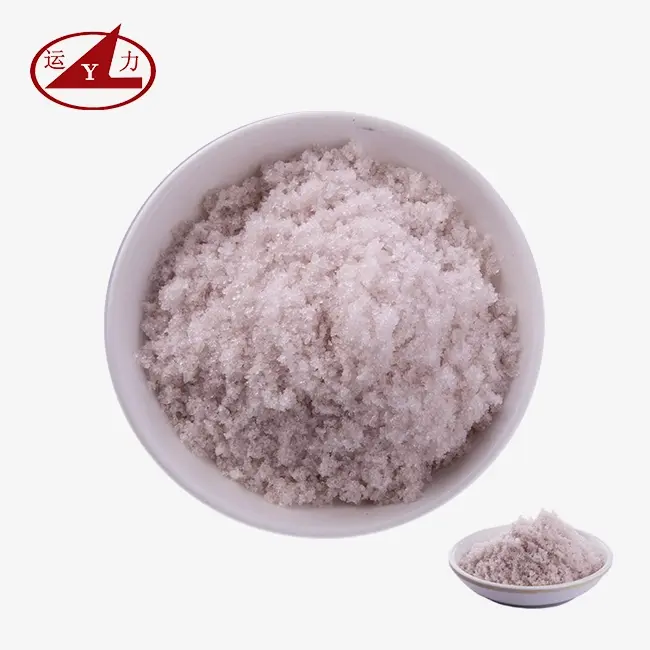
This purple crystalline substance is deliquescent, which means it easily draws water from the air. If humidity control fails, it can turn into a highly concentrated liquid even in sealed cases. Because it only melts at 47.2°C, the substance can become liquid during shipping or storage in warm weather, which makes it harder to keep contained. Because it dissolves completely in water, ethanol, and acetone and has a mass of 1.68 g/cm³, it needs special materials for storage that can handle acidic and oxidizing conditions.
Chemical Hazards and Oxidizing Risks
As a Class 5.1 oxidizing agent, this chemical makes combustion stronger when it comes into touch with organic materials. This increases the risk of fire and explosion during wrong removal. Nitrogen oxides (NOx) are poisonous fumes that are released when things break down above 125°C. If thermal treatment is used, they need to be cleaned up. The molecular structure (Fe(NO₃)₃·9H₂O, molecular weight 404.01) means that one kilogram has about 138 grams of iron and a high nitrate content. If these substances are released into land or streams without being cleaned up, they could pollute the environment.
Environmental and Regulatory Concerns
The oxidizing qualities and heavy metal content make strict regulatory control necessary under the EPA Resource Conservation and Recovery Act (RCRA) rules. This is because the spent material is considered hazardous garbage and needs to be disposed of legally with a manifest. Eutrophication happens in water systems because of nitrate, and haze is caused by dissolved iron, which changes the pH level.
Different industries that use this substance to make catalysts, dye fabrics, or treat metal surfaces produce different types of waste, ranging from watery rinse solutions to highly concentrated spent pools, which need different ways to be disposed of. Knowing these basic traits helps technical teams plan for problems that might come up during the procurement planning process. This lets them deal with suppliers for disposal support services and set aside enough money for legal trash management throughout the product lifecycle.
Common Methods for Disposing of Ferric Nitrate
There are several tried-and-true ways to get rid of spent Ferric Nitrate solutions and solid waste, and each has its own benefits based on the type of waste, its amount, and the facility's capabilities. Combining several methods often leads to the best results for both safety and cost management, as shown by real-world examples.
Chemical Neutralization and Precipitation
Neutralization is still the most common way to treat diluted water-based waste streams on-site. Facilities change liquid iron into iron hydroxide precipitates that can't be removed by adding alkaline reagents like sodium hydroxide (NaOH), calcium hydroxide (Ca(OH)₂), or sodium carbonate (Na₂CO₃). In addition, this process brings the pH level back to a normal range (usually 1.5 to 2.5 for 10% solutions) so that it meets the 6.5 to 9.0 release standards needed by most wastewater permits.
The solids that have formed are then dried out using filter presses or centrifuges. This makes sludge that can be stabilized even more or sent to dumps that are allowed to do so. The liquid that is on top, which now only has low amounts of sodium or calcium nitrates, goes through biological denitrification or ion exchange to get rid of any remaining nitrates before it is released. This method works especially well for constant low-concentration waste from washing operations in electroplating or textile facilities, but it makes a lot of hydroxide sludge that needs to be handled more carefully.
Controlled Thermal Decomposition
If a facility has access to a hazardous waste burner, they may choose heat treatment, especially for highly concentrated crystalline waste or solutions with organic contaminants that can't be neutralized. The combination is broken down into iron oxide (Fe₂O₃), nitrogen dioxide (NO₂), and water vapor in specialized rotating kiln incinerators that work at temperatures between 800°C and 1100°C.
Modern systems with wet scrubbers and selective catalytic reduction units eliminate NOx emissions by changing them into nitrogen and water before they are released into the air. This method gets rid of the original substance completely and leaves behind an inactive iron oxide residue that might be usable again as a pigment. This choice is only financially possible for large-scale sources or when processing mixed hazardous waste streams that contain this oxidizing salt along with other materials that don't work well together.
Solidification and Secure Landfilling
Stabilization and solidification methods surround dissolving or liquid waste in a solid structure, stopping it from leaching in landfills. When waste solutions are mixed with cement-based binders, they form solid blocks where iron and nitrate ions are chemically bound within the hardened matrix. Private polymer or silicate binders provide an alternative way to immobilize waste types that don't work with cementitious systems.
Before being taken to Subtitle C hazardous waste sites, testing the treated waste using the Toxicity Characteristic Leaching Procedure (TCLP) makes sure it meets the rules for land dumping. This path works well for sporadic sources that make small amounts of concentrated waste and don't have their own neutralization systems. However, the costs of shipping and landfill disposal can add up over time.
To choose the right way to get rid of trash, you need to look at its characteristics, the infrastructure that is accessible, the rules that apply, and the total cost of ownership. Many successful operations combine main treatment with neutralization with backup plans for thermal disposal of concentrated waste or amounts that don't meet specifications.
Regulatory Compliance and Best Practices in Ferric Nitrate Disposal
Figuring out the rules for getting rid of oxidizing agents keeps businesses from getting fined and protects the health of workers and the surroundings. The environmental and procurement teams need to work together to make sure compliance from the time of purchase to the time of final disposal of waste.
United States EPA and OSHA Requirements
As required by RCRA, makers must test their Ferric Nitrate waste for ignitability, reactivity, and toxicity, as well as evaluate it against a list of dangerous wastes. Most sites label it as D001 (ignitable) or D003 (reactive) hazardous waste, which means they need to get an EPA ID number, fill out trash manifests, send reports every two years, and train their staff. Secondary containment standards say that storage areas must be able to hold 110% of the biggest container volume, keep out materials that don't go together (especially organics and reducing agents), and have clear danger communication signs up. OSHA's Hazard Communication Standard says that Safety Data Sheets must be kept up to date and employees must be trained on how to handle oxidizers, use personal protective equipment, and handle emergencies.
Documentation and Record Keeping
Careful recording provides an audit trail that shows that proper care was taken. Some of the records that must be kept are information about the type of waste, manifests that track shipping to disposal sites, certificates of destruction or removal from receiving sites, training records for everyone who handles waste, and inspection logs for storage areas. These papers should be kept for at least three years, but ideally five years. This will protect you from legal measures and help with ISO 14001 Environmental Management System audits. Many big companies use digital tracking systems that connect the batch numbers of materials they buy to how they are used in production and finally to where the waste is thrown away. This lets them respond quickly to regulatory questions or supply chain checks from customers further down the line who need proof of proper dumping.
Transportation Safety Protocols
Moving oxidizing trash to a different location is against the rules for moving dangerous materials set by the Department of Transportation. Each package comes with the right packing in UN-rated cases with clear labels (UN 1466, Ferric Nitrate, Class 5.1, Packing Group III), vehicle stickers, and shipping papers. Legally, only approved hazardous garbage carriers with the right permits can take things to places where they can be thrown away. Shipments must include emergency response information that follows the Emergency Response Guidebook, and drivers must have special HAZMAT training. IMDG (sea), IATA (air), or TDG (Canada) rules make international shipments more complicated.
Often, export and import permits and informed agreement are needed before they can happen under Basel Convention procedures. Proactive compliance management starts with the buying process. Choosing suppliers who offer detailed legal paperwork, advice on how to properly dispose of waste, and technical help makes it easier for downstream companies to follow the rules. It also shows a commitment to environmental responsibility that both customers and regulators are looking for.
Procurement Considerations for Safe Ferric Nitrate Handling and Disposal
Costs of disposal, compliance risks, and organizational effectiveness are all directly affected by strategic buying choices. Professionals in procurement are very important when it comes to building ties with suppliers that go beyond just negotiating prices and include full lifecycle chemical management.
Supplier Selection and Documentation Requirements
Reliable providers give full regulatory paperwork to help with planning for safe handling and removal. Since 2005, Yunli Chemical has been selling ultra-high purity Fe(NO₃)₃·9H₂O to manufacturers around the world. We always provide full Safety Data Sheets that meet both OSHA and international GHS standards, Certificates of Analysis with full impurity profiles (≤30ppm iron content, ≤100ppm chloride content), and batch-specific traceability that makes it easy to keep track of inventory. Suppliers who are recognized under the ISO 9001 Quality Management System and the ISO 14001 Environmental Management System show that they are dedicated to consistently high product quality and caring for the environment.
The availability of technical support is very important. Suppliers who offer application advice, storage suggestions, and removal consultation help customers avoid making mistakes that cost a lot of money and create more trash that needs to be treated. When procurement managers look at possible partners, they should ask for references from companies in the same industry, look at their track records for compliance, and make sure that manufacturing licenses are real by having independent checks done.
Inventory Optimization to Minimize Waste Generation
Right-sizing orders cut down on trash from old or broken-down goods. Because this crystalline substance doesn't melt and has a normal shelf life of 12 months, having too much of it on hand often leads to it melting or clumping together in a way that makes it impossible to dose accurately, so the off-spec material has to be thrown away. Using just-in-time purchasing that is in line with how things are actually used stops buildup. When you buy pre-dissolved liquid formulations, you don't have to worry about waste from preparation or packing removal for tasks that use both crystalline solids and water-based solutions.
Yunli Chemical has a variety of styles that can be changed, such as 25 kg PE bags, 500 kg drums, and ISO tanks. They also offer liquid solutions at different concentrations, so customers can match the size and shape of the package to the real output. Accurate demand forecasts based on past usage data and production planning integration make sure that materials arrive fresh and are used within the best time frames, which greatly reduces the amount of waste that needs to be thrown away and the costs that come with it.
Quality Specifications That Affect Disposal Complexity
Higher purity grades can make it easier to treat waste. For industrial uses like making catalysts, materials with controlled impurities are better. Our normal formulation has ≤30ppm iron content, or ≤10ppm for sensitive catalytic processes. This means that waste streams have fewer contaminants that make cleanup chemistry more difficult. Lower chloride levels (<50ppm in luxury grades vs. >500ppm in technical grades) make treatment equipment less likely to rust and get rid of the need for extra steps to get rid of chloride before release.
By naming the right levels of purity, you can avoid buying too much expensive high-purity material when technical grade will do, and you can also avoid buying cheap, contaminated goods that make trash that can't be treated and needs expensive ways to get rid of them. When you base your purchasing decisions on the total cost of ownership instead of just the unit price, you take into account things like disposal costs, compliance risks, and operating efficiency. This helps you build relationships with sellers that can help you reach your long-term sustainability goals.
How Your Business Can Implement a Sustainable Ferric Nitrate Disposal Plan?
Creating an integrated trash management program changes disposal from a task to be dealt with when it happens into a managed process that helps achieve environmental goals and improves operations. For implementation to go well, the roles of buying, operations, environmental health and safety, and funding must work together.
Personnel Training and Safe Handling Protocols
Handling Ferric Nitrate safely starts with comprehensive training covering chemical hazards, spill response, and proper disposal methods. Training programs must address the unique oxidizing risks of Ferric Nitrate, emphasizing segregation from combustibles, appropriate PPE (chemical-resistant gloves, face shield, apron), and recognizing degradation signs such as color changes or gas evolution. Hands-on drills practicing spill containment using absorbents and reducing agents reinforce emergency response procedures.
Documenting Ferric Nitrate training through attendance records and competency assessments satisfies regulatory requirements while reducing incidents that generate hazardous waste requiring expedited disposal. A worker trained to recognize Ferric Nitrate decomposition by its characteristic nitrogen dioxide evolution can isolate a compromised container before it reaches critical failure—a response that no generic chemical safety course without Ferric Nitrate-specific content would adequately prepare them for.
Partnering with Certified Waste Management Firms
Building partnerships with licensed Treatment, Storage, and Disposal Facilities (TSDFs) before trash builds up keeps people from having to scramble when things go wrong. Qualified partners have the right permits to handle oxidizing agents, keep the right treatment facilities up and running (neutralization systems, incinerators, or stabilization equipment), and offer clear price and service level agreements.
By asking to tour facilities and looking at past records of environmental compliance, companies can find partners whose business practices are in line with their own. Master service agreements that cover how to classify garbage, how to supply containers, how often to pick up trash, and how to respond to emergencies make operations run more smoothly and often lead to bulk discounts. Many TSDFs offer expert advice on how to reduce waste, which helps find changes to processes that lower the amount of garbage made and the cost of disposal.
Integrating Supply Chain and Waste Management
Leading makers know that planning for removal begins with buying the materials. Suppliers like Yunli Chemical, which is a Shanxi Provincial Enterprise Technology Center and has worked in the field for more than twenty years, give help that goes beyond just delivering products. Our technical team has a background in coal-chemical engineering and has a track record of delivering import-substitution goods. They offer disposal advice services that are tailored to each customer's needs, whether they are making catalysts, dying fabrics, or treating the surface of metals.
We can change the impurity levels (iron 10–30ppm, sodium <100ppm, chloride <50ppm), the physical qualities (crystal size 0.5–3mm or pre-dissolved solutions), and the ingredients (anti-caking agents, pH stabilizers) that make it easier to handle waste later on. Our environmental management systems that are ISO 14001-certified and our fully operational wastewater treatment plants show that we are committed to sustainability, which helps our customers handle their own waste streams.
Creating written waste management plans that include data on where the garbage comes from, how it is treated, who will take it away, and what to do in case of an emergency makes operations more consistent and helps you defend yourself in court. As operations change, the efficiency of the plan is kept up to date by reviewing it regularly and taking into account lessons learned and new rules.
Conclusion
To properly get rid of Ferric Nitrate nonahydrate, you need to pay close attention to how it oxidizes, how it affects the environment, and the rules that govern it. Choosing the right way to get rid of waste, like chemical reduction, heat treatment, or solidification, protects workers' safety, keeps the environment clean, and makes sure that rules are followed. Choosing which products to buy has a big impact on how hard and expensive it is to get rid of them. Working with suppliers who offer high-purity products, full paperwork, and expert help makes managing waste easier throughout the chemical lifecycle. Setting up regular training, working with licensed waste removal companies, and combining supply chain and garbage management tasks can help businesses run in a way that is sustainable and meets their environmental obligations.
FAQ
Is It Possible to Recycle or Reuse Ferric Nitrate?
Some solutions that have been used up can be recovered by selective precipitation or ion exchange. This is especially true in metal finishing processes where concentrated pools keep their activity. Through controlled reduction and re-oxidation processes, catalyst waste from production may be able to recover iron. However, pollution with organic molecules, heavy metals, or ions that don't work well together often makes recycling not worth the money when compared to the cost of new materials. In every case, the trash needs to be carefully described and a feasibility study must be done to compare the costs of recovery with the costs of dumping and the price of new materials.
How Does Disposal Differ from Other Iron Compounds?
When you get rid of ferric chloride, you get harmful hydrochloric acid fumes and chloride-contaminated trash. But when you get rid of Ferric Nitrate, you have to control the nitrate level by biological denitrification or chemical reduction. Getting rid of ferrous sulfate waste is mostly about preventing heavy metal precipitation. But oxidizing Ferric Nitrate waste needs careful pH control to keep the precipitates from dissolving again, and it needs to be thought about that the waste could explode if it mixes with organics. These differences mean that it needs special treatment protocols.
What Are Penalties for Improper Disposal?
EPA enforcement measures for improperly disposing of hazardous trash can lead to civil penalties of up to $70,117 per violation per day. Knowing violations that cause major physical harm can also lead to criminal charges. More fines and corrective action orders from state environmental agencies are needed to clean up the site, which often costs millions of dollars. In addition to fines, violations hurt businesses' reputations, keep them from getting government contracts, and cause customers to audit suppliers, which could end supply deals.
Partner with Yunli Chemical for Premium Ferric Nitrate Supply and Disposal Expertise
Since 2005, Yunli Chemical has been your reliable source for Ferric Nitrate, consistently providing ≥98% pure Fe(NO₃)₃·9H₂O with strict quality control. We make ultra-pure materials (with less than 10ppm heavy metals) at our provincial technology center that meet the strict needs of making catalysts, electroplating, and making medicines. In addition to making great products, we also offer complete removal advice based on decades of experience handling nitrate wastewater and exhaust treatment in a way that meets environmental standards. We give away free samples of up to 500 grams, let you change the way the products are packed, and offer direct factory prices with no minimum order numbers. You can email our technical experts at wangjuan202301@outlook.com to talk about how our combined supply chain solutions and disposal advice services can help you make the best purchases while still following all the rules.

References
1. United States Environmental Protection Agency. (2021). Hazardous Waste Management System: Identification and Listing of Hazardous Waste. Code of Federal Regulations, Title 40, Part 261.
2. National Institute for Occupational Safety and Health. (2019). NIOSH Pocket Guide to Chemical Hazards: Ferric Nitrate. Department of Health and Human Services Publication No. 2019-128.
3. American Conference of Governmental Industrial Hygienists. (2020). Threshold Limit Values and Biological Exposure Indices for Chemical Substances and Physical Agents.
4. European Chemicals Agency. (2022). Guidance on Waste and Recovered Substances: Implementation of REACH Regulation for Chemical Waste Management.
5. Water Environment Federation. (2018). Industrial Wastewater Management, Treatment, and Disposal: Specialized Treatment of Metal-Bearing Oxidizer Waste Streams.
6. National Fire Protection Association. (2017). NFPA 430: Code for the Storage of Liquid and Solid Oxidizers - Compatibility and Segregation Requirements for Ferric Compounds.