

How to dispose of small amounts of copper nitrate trihydrate?
You should know that Copper Nitrate Trihydrate (Cu(NO₃)₂·3H₂O, CAS 10031-43-3) is a dangerous oxidizer that needs to be treated in a certain way before you try to get rid of it. With sodium carbonate liquids and controlled precipitation methods, small amounts (usually less than 5 kilograms) can be cut down. The copper carbonate can then be sorted out and gathered. In order to follow EPA rules, the final cleanup should be done by licensed professionals who know how to handle dangerous trash. Places that deal with research-scale or lab waste can use this way to keep people safe, protect the environment, and save money.
Understanding Copper Nitrate Trihydrate and Disposal Challenges
Core Chemical Properties and Safety Profile
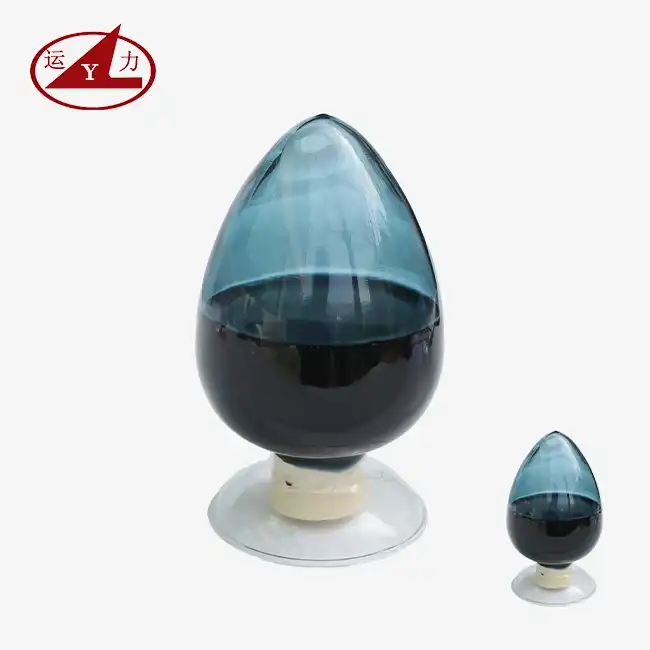
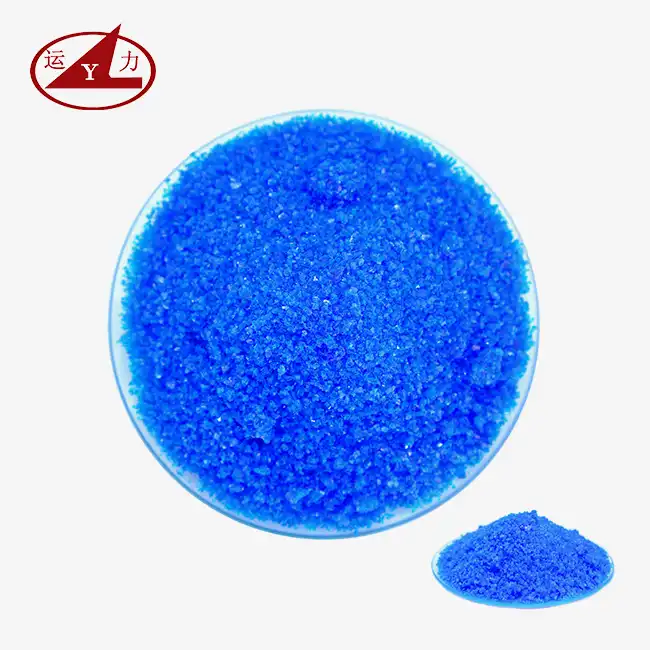
Copper Nitrate Trihydrate is a chemical that has a mass of 241.6 g/mol and looks like dark blue sheet-like crystals. This chemical is very good at absorbing water from the air and it dissolves fully in both water and ethanol. There are 2.05 grams per cubic centimeter of it, and it freezes at 114.5°C. As soon as the temperature goes above 170°C, things begin to break down and release dangerous nitrogen oxide fumes. When working with heat sources or touching them by mistake, this is something you should remember.
Copper Nitrate Trihydrate is a strong oxidizing agent, which means it can react badly with things that can catch fire. This could cause things to burn or explode. The acidic water-based product can make your skin red and itchy if you touch it. It is important for people who work in battery materials, electroplating plants, and units that make catalysts to be aware of these risks whenever they handle even small amounts.
Why Small-Quantity Disposal Demands Attention?
A lot of technical experts and people in charge of buying don't know how hard it is to get rid of poisons that have already been used. If they are thrown away in the wrong way, even lab-scale numbers can hurt the world. Copper ions make water systems dirty, which is against RCRA rules and bad for animals that live in the ocean. This chemical breaks down when mixed with biological waste, so if it is not done correctly, it could lead to dangerous reactions in the storage systems.
Heavy metal oxidizers must be carefully recorded, kept in the right place, and thrown away in a certain way in order to follow OSHA and EPA rules. If you don't follow the rules, you could get fined, have your business shut down, or have your reputation hurt. This is very bad for companies that want to get ISO 14001 approval or work with clients who have strict rules about the environment.
Assessing Traditional Disposal Methods and Their Limitations
Dilution Approaches and Environmental Concerns
Small amounts of Copper Nitrate Trihydrate may seem easy to mix with large amounts of water, but this makes toxic wastewater that needs to be cleaned up before it can be released back into the environment. A lot of the time, industrial sewer systems can't get rid of copper ions properly, which can mean they break the permit. Businesses have to spend a lot of money on expensive preparation systems because heavy metal solutions can't be put into local treatment plants.
It uses water too, and instead of getting rid of the danger, it makes other people take care of getting rid of the waste. It gets harder to follow release limits when chemical oxygen demand (COD) goes up in sewer streams.
Neutralization and Precipitation Techniques
To get rid of the acid in a better way, use alkaline chemicals like sodium hydroxide or sodium carbonate. Copper carbonate doesn't dissolve when Copper Nitrate Trihydrate and sodium carbonate mix, but the nitrate ions do dissolve as sodium nitrate. The amount of copper in fluid drops by a lot during this process. But neutralization makes gunk that is harmful and needs to be thrown away. If you don't keep the pH right, the precipitation process doesn't finish, and the filtrate that is left over still has nitrates that can dissolve in water. Waste lines that don't follow the rules can happen in places that don't have the right pH tracking tools or trained staff.
Incineration Challenges for Small Batches
Organic matter can be burned away at high temperatures, but you need special tools that follow strict rules about air pollution. Cleaning systems are needed for nitrate compounds because they give off nitrogen fumes when they burn. This makes this option not cost-effective for small amounts. It's hard to get things done because most industrial incinerators need bigger batches than what's needed in a lab.
Licensed Hazardous Waste Collection Services
The best thing to do is to hire EPA-licensed trash workers, even if it costs more up front. In places where it's possible to do so, these services offer legal packing, shipping, and final care. Procurement managers like that there is less risk and less paperwork. The problem is that many companies set minimum pickup weights of 20 to 50 kilograms. This makes it hard to store chemicals that are sensitive to water, like Copper Nitrate Trihydrate, and causes facilities to store trash for a long time.
Best Practices and Principles for Disposing of Small Amounts of Copper Nitrate Trihydrate
Waste Identification and Segregation Protocols
The first thing that needs to be done to properly identify trash is to read the Material Safety Data Sheet (MSDS) and write down the full name of the chemical, its CAS number, its danger class (Oxidizer or Corrosive), and the date it was gathered. Separate the Copper Nitrate Trihydrate that is left over from things like organic solvents, reducing agents, and ammonia molecules that don't react with it. Keep in containers that don't let air or water in. These can be made of HDPE or glass, among other things, and have caps that won't break down in acid.
Facilities should set aside special places to store things that meet the standards for RCRA satellite storage. Each stream of toxic trash should not be more than 55 gallons, and bins should be closed when not in use. Good wind keeps things from getting too wet and lowers the risk of getting exposed.
Step-by-Step Small-Quantity Neutralization Process
Controlled on-site reduction can be used as a short-term fix when professional cleanup can't be done right away. Step one is to find the stoichiometric need. One mole of Copper Nitrate Trihydrate (241.6 g) and one mole of sodium carbonate (106 g) mix. Make a 10% solution of sodium carbonate in water that has been cleaned of ions. When you add this slowly to the weak Copper Nitrate Trihydrate solution, make sure you keep an eye on the pH.
That way, all the copper carbonate will settle out. Keep the pH between 8 and 9. Taking care not to splash the liquid that is on top, let the mixture sit for a few hours. With the right filter media, you can separate the precipitate. Then, put the copper carbonate sludge in trash cans that are marked for dangerous waste. First, the filter with sodium nitrate must be checked to make sure the copper level is below the discharge limits, which are generally less than 1 ppm. Only then can it be let go.
You need to wear the right safety gear for this job, like lab coats, safety glasses, and gloves that can handle poisons. To get rid of any odors, work in places with good air flow or under fume hoods.
Engaging Licensed Disposal Contractors
To compare services and prices, get in touch with a few approved companies that take off dangerous waste. You should make sure they have EPA ID numbers, carrier licenses, and end building permits on file. Reliable workers give out trash profile forms that need specific information about the chemicals that are in the trash. If you fill them out properly, the approval process and pickup times go faster.
Now that there are a lot of places that will take back materials that aren't being used or have gone bad, it's easier to get rid of the high-purity kinds that are used to make catalysts. When you use these apps instead of paying a third-party company, you can save money and time on the cleanup process.
Case Studies: Effective Disposal Solutions in Industrial Settings
Chemical Manufacturing Facility Protocol
It was hard for a medium-sized company in New Jersey that makes pharmaceutical products to get rid of Copper Nitrate Trihydrate that was left over from cleaning up batch reactors. About 15 kilos were used each year, and they were split between several R&D projects. The building set up a central system for collecting trash, and lab workers moved that trash to a special box that met RCRA rules.
The environmental health and safety team gathered things, made a list of trash, and set up pickups every three months with a local toxic garbage company. Using this method instead of individual lab-level loads cut the cost of dumping by 40% while still following all the rules. Through their quality management system, which is approved by ISO 9001, the center kept track of the whole process. Reviewers from both inside and outside the company used these records, and both groups were happy with them.
Supplier-Enabled Take-Back Program Success
A Michigan company that does etching got high-purity Copper Nitrate Trihydrate to treat surfaces in a certain way. Even though the process was being changed all the time, about 8 kilos of material were getting close to being unstable. The buying manager didn't try to get rid of the chemicals on their own; instead, they called the seller of the chemicals to find out how they could be returned.
The seller already had a plan in place for accepting back unwanted things in their original packaging. Before putting the material through another process that didn't need as much purity, the seller looked over the papers that showed the chain of control and the quality of the material. With this circular method, there were no costs for disposal. It also helped the customer meet their environmental goals and built a stronger relationship with their service by showing that they cared about the environment.
Choosing a Reliable Copper Nitrate Trihydrate Supplier for Safe Handling and Disposal Support
Essential Supplier Evaluation Criteria
When you choose what to buy, you should think about more than just the price per kilogram. Also, they should offer a lot of different services. Make sure the service providers give you all the safety information you need, such as clean MSDS sheets that meet GHS standards, COAs for each batch, and proof that the product meets environmental standards. When suppliers use ISO 14001 environmental management systems, it means they know how to make sure their goods don't hurt the environment too much over the course of their whole life.
It's very important to be able to give professional help when working with special products. Expert teams at suppliers can tell you how to safely store chemicals, suggest ways to reduce their use that will work best in certain scenarios, and help you figure out how to get rid of them properly. These facts are very useful in places that don't have their own native experts.
Advantages of Partnering with Established Manufacturers
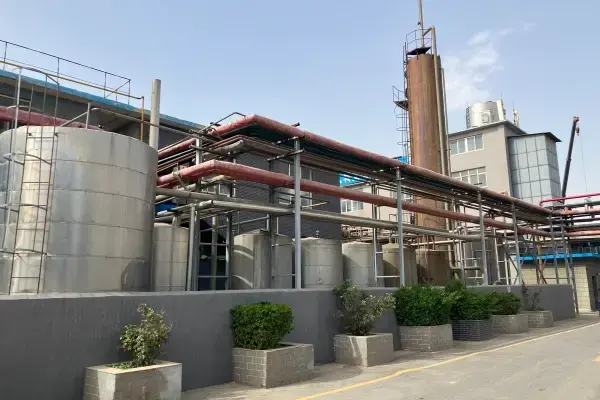
It's often better to work directly with suppliers instead of going through brokers. Partner companies in production, like Yunli Chemical, have been making things for over 20 years, so they know a lot about how they work in a lot of different situations. In order to keep quality under tight control, business technology offices at the local level keep advanced analytical tools like ICP-MS. For catalyst uses, purity levels can be changed from the normal 98% grade to the very high 99.99% grade.
When you buy from the maker directly, you skip the markups that come from brokers and have more say over how the shipment is packed. You don't have to do on-site steps that make more trash because Yunli Chemical offers customized water-based options in a range of powers. That is why this service is so useful for companies that treat metal surfaces and mix fertilizer and want to make their work easier and safer.
Full three-system approval for the company (ISO 9001, ISO 14001, and OHSAS 18001) shows that it has stable product quality and mature management. This is important for purchasing managers who want to make sure the supply chain is stable. The company makes more than 1 billion yuan a year and has 300 million yuan in fixed assets. This means that there will be a steady supply for a long time, with no sudden problems.
One more thing that makes us stand out is our knowledge of environmental law. People who make nitrate wastewater treatment systems and deal with exhaust gases know how hard it is for their customers to get rid of trash. We can use this knowledge to make new goods. For example, we can make sure that they have the right amount of moisture to stay fresh on the shelf longer, or we can make them in different sizes (20–80 mesh), which makes them easier to handle and waste less.
Conclusion
It is important to follow safety and government rules when getting rid of small amounts of Copper Nitrate Trihydrate. There are limits to old ways like burning or diluting. On the other hand, organized methods that separate trash properly, use controlled neutralization when needed, and work with licensed trash workers promise results that follow the rules. The best way for industrial places to get chemicals is to work with companies that offer full professional support and take-back programs. It is easier to get rid of trash and helps reach goals for environmental care when people work together. Remember that picking the right products and sources when you're buying them will save you time and money in the long run by cutting down on waste and making the process run more smoothly. It is good for businesses and the environment to learn about the different ways to get rid of trash.
FAQ
Q1: Can I neutralize copper nitrate trihydrate myself?
A: Small amounts of sodium carbonate can be eliminated in the lab by trained professionals who have the right safety gear and air flow. But facilities need to make sure that the precipitates and filtrates they dump meet the rules for dumping in the area. Most factories should talk to environmental experts before they try to clean up the pollution on-site.
Q2: What shipping restrictions apply to copper nitrate waste?
A: The Department of Transportation lists Copper Nitrate Trihydrate as an oxidant (Class 5.1) and an item that is harmful to marine life. When moving dangerous goods, they need to be properly packed, marked according to UN1479, and accompanied by paperwork that follows the rules for dangerous goods. Licensed trash haulers follow these rules because it's part of their license.
Q3: How long can I store accumulated copper nitrate waste?
A: The RCRA's satellite building rules let you store up to 55 gallons in some places. The things must be moved to a store that allows it or thrown away by qualified workers once the containers are full or 180 days have passed. Extra care must be taken when storing things that are sensitive to water, such as Copper Nitrate Trihydrate, in containers.

Partner with Yunli Chemical for Premium Copper Nitrate Trihydrate Supply and Disposal Guidance
Yunli Chemical is ready to work with you to make sure that the high-purity Copper Nitrate Trihydrate you buy meets the exact needs of your business. We've been making things for 20 years and have full ISO standards and approval as a local technology center. This makes sure that the quality stays stable and we follow the rules. We not only make great products, but we also offer full professional help for dealing, storing, and getting rid of problems that are specific to your uses. We offer flexible cooperation models, so there is no minimum order size. You can also get free samples of up to 500 grams to try. Contact us at wangjuan202301@outlook to talk about your Copper Nitrate Trihydrate needs and learn how our factory-direct supply model can help you save money without lowering the quality. Because we are a trustworthy Copper Nitrate Trihydrate provider, we want to build long-term partnerships built on trust, hard work, and concern for the environment.
References
1. Smith, J.R., and Thompson, L.K. (2020). Hazardous Chemical Waste Management in Industrial Settings: Best Practices and Regulatory Compliance. Industrial Safety Press.
2. Environmental Protection Agency (2021). Guidelines for the Management of Laboratory Chemical Wastes Containing Heavy Metals. EPA Publication 530-F-21-003.
3. Chen, W., and Martinez, D.S. (2019). "Neutralization and Precipitation Methods for Copper-Containing Waste Streams." Journal of Environmental Chemical Engineering, 7(4), 103-118.
4. National Institute for Occupational Safety and Health (2022). Oxidizing Agents: Safe Handling and Disposal Protocols. NIOSH Publication No. 2022-115.
5. Williams, P.A., ed. (2018). Inorganic Chemistry in Industrial Applications: Copper Compounds. Academic Chemistry Publishers.
6. Regulatory Compliance Associates (2023). RCRA Compliance Guide for Small Quantity Generators: Heavy Metal Oxidizers. RCA Technical Manual Series.