

How to make ferric nitrate?
In order to make Ferric Nitrate (Fe(NO₃)₃·9H₂O), iron oxide or solid iron and nitric acid must be mixed in a planned way. This creates a purple crystallized material that is used in many fields. We need to carefully control the temperature (usually between 60°C and 80°C), the amount of acid (45–60% HNO₃), and the impurities in this method so that it can be used in pharmaceutical, catalyst, and electronic-grade products. If buying managers and technical experts know how synthesis works, they can judge the quality of sellers, make sure goods are consistent, and make sure they meet quality standards that are important in fields like battery making, textile dyeing, and electroplating.
Understanding Ferric Nitrate – Basics and Key Properties
In industrial chemistry today, Ferric Nitrate nonahydrate (CAS 7782-61-8) is one of the most useful iron solutions. It is used to make specific chemicals and clean surfaces, among other important things. By knowing its basic parts, procurement professionals can compare what sellers have to offer and make sure that product specifications meet the needs of the application.
Chemical Structure and Physical Characteristics
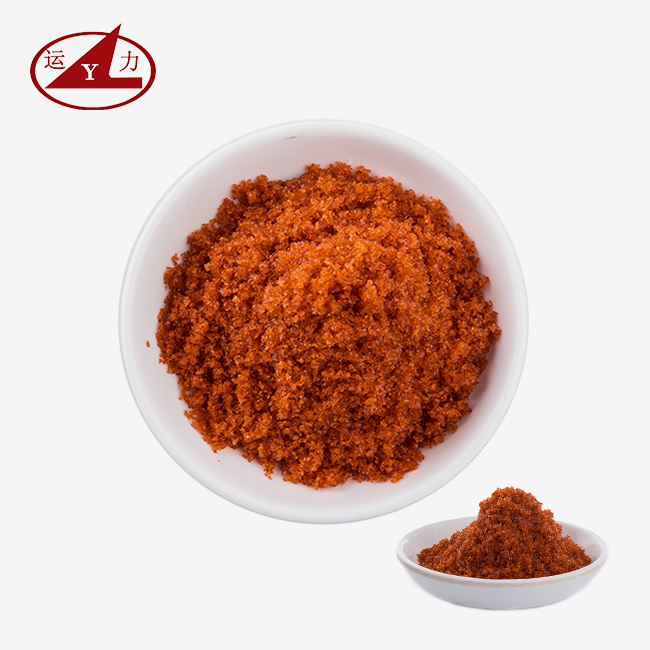
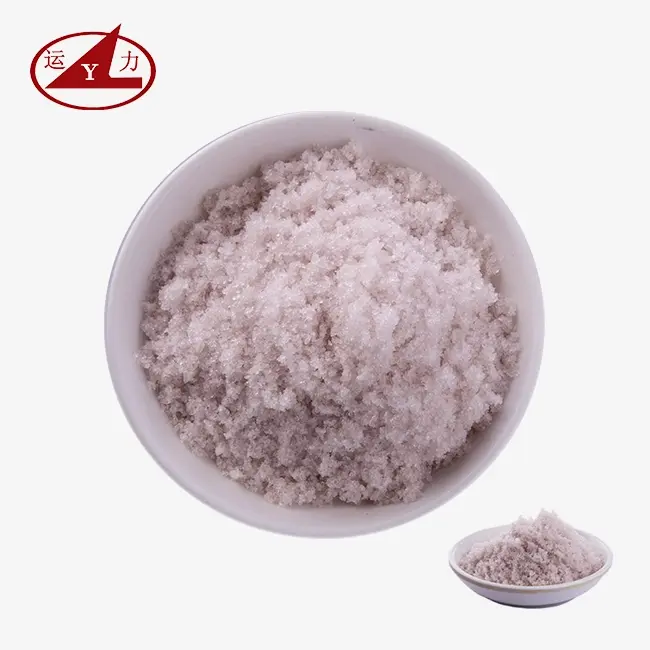
There are 404.01 grams of this chemical per mole, and its formula is Fe(NO₃)₃·9H₂O. It is 1.68 g/cm³ dense and looks like single pale violet to purple crystals. The temperature at which it freezes is 47.2°C, so be very careful when moving and keeping it, especially in hot places. It's easy for this material to take water from the air because it has a high deliquescence. To keep it safe, it needs to be shut up and kept in a temperature-controlled space. The substance is simple to break down in water, ethanol, and acetone, which makes it useful for many formulation chemistry jobs. Nitrogen fumes are released when it breaks down at 125°C, so it can't be used in processes that need to handle trash well at high temperatures.
Industrial Applications and Performance Advantages
Because this iron salt can decompose, it is very useful for making catalysts. If you heat it, it doesn't leave behind a lot of halide or sulfur waste as a clean iron precursor. In processes like hydrogenation or making methanol, chlorides or sulfates that are left over can hurt the active sites of noble metals. This is something that catalyst makers like about the metals. As a mordant, the chemical is used to dye clothes so that the colors stay bright and don't run when they're cleaned.
It does this by forming complexes with the color molecules and the threads of the fabric. Instead of hexavalent chromium processes, it is used to prepare the surface of metals in electroplating plants. This makes them comply with REACH and RoHS rules without losing their ability to protect against corrosion. People who work in the leather dying business use it to add weight and as an extra coloring agent. It is also included in recipes that stop rust to protect steel used in tough environments.
Quality Standards and Purity Requirements
Most of the time, corporate buyers need at least 98% pure for everyday uses. The quality needs to be at least 99%, though, for making catalysts and electrical materials. The amount of iron (ideally ≤30 ppm as Fe, but can be dropped to ≤10 ppm for sensitive uses), salt (<100 ppm to keep equipment from rusting), and heavy metals (usually <20 ppm total) that must be present is very important. The pH of a 10% water solution should be between 1.5 and 2.5 so that it responds with other chemicals in the same way every time. Sellers you can trust will give you all the information you need, such as Certificates of Analysis (COA), Material Safety Data Sheets (MSDS), and certificates that show they follow environmental rules. For officials, this makes it easy to check the quality of the goods.
How to Make Ferric Nitrate – Synthesis Methods and Best Practices?
When buying teams know how things are made, they can judge how skilled the plant partners are in technology and how well they keep quality in check. In the long run, this makes the supply line more stable.
Laboratory-Scale Synthesis Route
Weak nitric acid is used in controlled amounts in the old method to break down iron oxide (Fe₂O₃) or solid iron powder, producing Ferric Nitrate as the final product. Fe₂O₃ + 6HNO₃ → 2Fe(NO₃)₃ + 3H₂O as the reaction goes on. Starting with a 45–60% dose of nitric acid keeps the reaction from making too much heat and keeps it moving at the right speed. It's cooked to between 60°C and 80°C and stirred all the time for two to four hours, or until it's all dissolved. To get rid of the extra acid and return the pH to 1.8 to 2.2, careful changes are made to the pH.
Once the solution is strong enough, it is slowly cooled so that the nonahydrate form crystallizes. This is done at a low pressure so that the solution doesn't break down too fast. Filtration is used to remove the purple crystals. The crystals are then washed with cold ethanol to get rid of any dirt on the surface. To keep the crystals from losing water and breaking apart, they are dried under vacuum at temperatures below 40°C.
Industrial-Scale Production Considerations
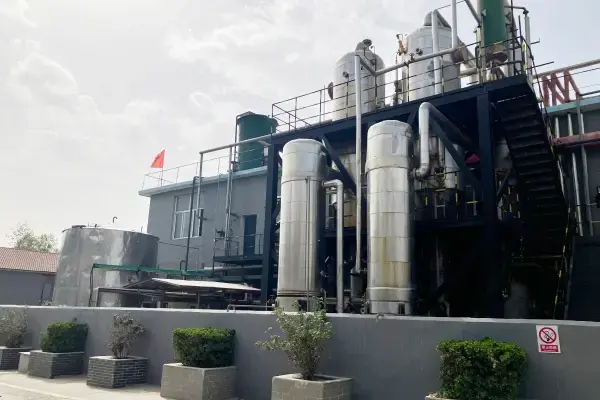
For big-scale production, you need special tools like glass-lined or high-grade stainless steel reactors that don't rust, exhaust scrubbers to get rid of nitrogen oxide fumes, and closed-loop cooling systems to keep the temperature fixed. To make sure that stoichiometric control is accurate, automated dosing systems are used. This cuts down on acid waste and keeps batches from not meeting specifications. Workers can step in before reaction parameters go out of acceptable ranges because temperature monitors and pH probes track them in real time.
Because it can hurt the skin and start exothermic runaway reactions when it comes into contact with biological materials, safety rules say that there needs to be enough air flow, emergency neutralization systems, and personal protective equipment. To meet EPA and state environmental standards, wastewater treatment plants have to lower the amount of toxic trash they put into the environment and collect heavy metals that have been dissolved before they can be dumped into the water.
Quality Control and Testing Protocols
Tough science tests make sure that each batch is the same as the last. Atomic absorption spectroscopy (AAS) or inductively coupled plasma mass spectrometry (ICP-MS) finds small amounts of metal that shouldn't be there. Titration tests check for iron and total acid levels. A technique called X-ray diffraction (XRD) checks the crystal structure and water content. Another technique called thermogravimetric analysis (TGA) checks the heat stability and water content. With ion chromatography, you can find chloride, sulfate, and other anions that could make a product less useful. The quality management systems of reputable manufacturers are regularly tested by a third party and are ISO 9001-certified. They also keep representative samples from each production batch so that customers can check their work and keep track of them.
Comparing Ferric Nitrate with Other Iron Salts and Oxidizing Agents
You need to know how to weigh cost, reactivity, and contamination patterns against performance in order to pick the best iron combination for a certain manufacturing process.
Ferric Nitrate Versus Ferric Chloride and Ferric Sulfate
Ferric Chloride (FeCl₃) is simple to get and doesn't cost much, so it's a good choice for getting rid of a lot of trash. Stainless steel is very likely to rust, though, because it contains a lot of salt. It also leaves behind unpleasant substances in catalyst substrates. In the same way, ferric sulfate (Fe₂(SO₄)₃) adds sulfate ions that can hurt catalytic active sites and lead to scaling issues in heat exchangers further down the line. Ferric Nitrate, on the other hand, breaks down quickly into iron oxides and nitrogen oxides, without leaving any long-lasting cationic toxins behind. Because of this, it is the best choice for making pharmaceutical intermediates, cutting semiconductors, and making high-purity catalysts when small amounts of sulfate or halide pollution are not okay.
Oxidation Potential and Reactivity Profiles
When compared to hydrogen peroxide or potassium permanganate, Ferric Nitrate is not as strong at oxidizing. This makes it good for controlled processes. It breaks down faster with potassium permanganate, but it makes manganese dioxide that needs to be thrown away. On the other hand, hydrogen peroxide breaks down quickly, but when it builds up, it can explode. The profile of Ferric Nitrate is equal. It's strong enough to break down organic matter and sulfides in wastewater treatment, but it's also stable enough that it can be kept safely for a long time if it's packed right. Because of this, it works great for making metal conditioners and rust inhibitors, since slow, steady oxidation is better than fast, rapid reaction rates.
Cost-Effectiveness and Supply Chain Considerations
Ferric Nitrate costs more than regular iron powders, but it is cheaper overall, so it is often better to use it here and there. Getting rid of salt rust makes things last longer, so they don't need to be changed as often. It costs less to treat wastewater and does less work to meet environmental standards when breakdown patterns are cleaner. It makes up for the higher cost of raw materials by giving you more of the product you want and making the catalyst bed last longer. Purchasing managers shouldn't just look at the price per kilogram when they buy products for sensitive processes. They should also look at these lifetime factors.
Procuring Ferric Nitrate – What B2B Buyers Need to Know?
Making sure of quality, keeping the supply going, and getting a good price are all important parts of a good buying strategy. Also, they make sure that all supply lines around the world follow the rules.
Supplier Evaluation and Qualification
When sourcing Ferric Nitrate, it is very important to look into the manufacturer's background. Look for companies that have ISO 9001 quality standards, ISO 14001 environmental management systems, and OHSAS 18001 workplace health and safety approvals. These models show that you always want to grow and keep organized process rules in place. Suppliers that are recognized as local or national technology centers are very good at research and development and can make formulations that are unique to your needs. Ask for facility checks or inspection records from a third party to show how big the company is, how advanced the equipment is, and how good the lab's skills are. Established makers with decades of experience and billion-yuan sales amounts are more financially stable and less likely to have problems with supply than smaller makers who don't have enough cash on hand.
This company, Yunli Chemical, was formed in 2005 in Shanxi Province and fits the description. It makes more than RMB 1 billion in sales every year, has fixed assets worth RMB 300 million, and is known as a Shanxi Provincial Enterprise Technology Center. It is very accurate for us to find impurities down to ppm levels in our high-tech testing lab, which has ICP-MS and atomic absorption spectrometers. We use high-tech nitrate wastewater and pollution cleaning systems to keep the environment safe. This lets OEM users know they are not at risk of being sued.
Documentation and Compliance Requirements
By giving buyers full technical papers, sellers protect them from legal problems and poor quality. Batch-specific Certificates of Analysis that compare actual test results to specifications are important papers to have. So are full MSDSs that explain what to do in an emergency and what risks are present, as well as third-party testing reports from well-known labs. When you send something to another country, you need to make sure you have the right UN classification paperwork (usually Class 5.1 Oxidizing Substances), that the package meets IMDG/IATA standards, and that you follow the rules for importing that country's goods.
Keep track of the chain of custody and for at least two years, keep standard samples from each accepted lot. If problems arise during the process, you will be able to figure out what went wrong.
Pricing Structures and Contract Terms
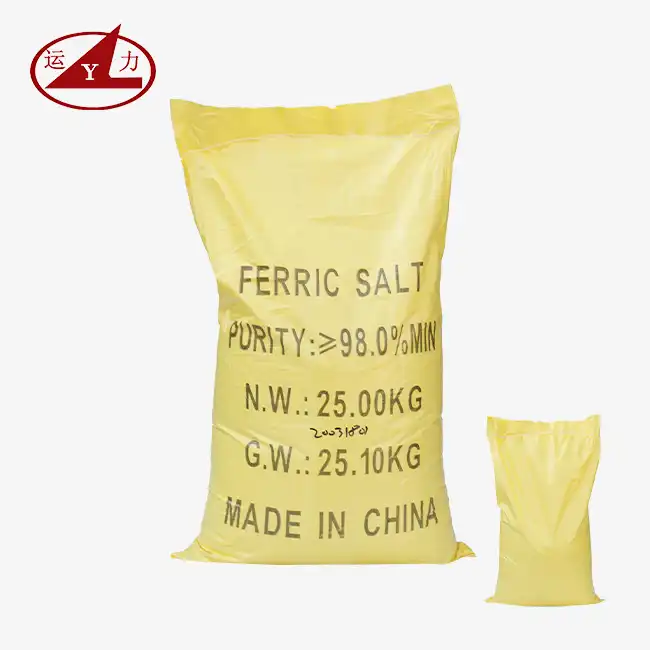
The price of Ferric Nitrate changes based on how clean it is, how much is bought, and if the customer has any other needs. To buy a lot of standard 98% pure material in 25 kg bags, the price ranges from USD 800 to $1200 per metric ton FOB origin. Goods that are 99.5% pure for electronics cost 30 to 50 percent more. Often, you can get a deal if you buy 5 tons, 20 tons, or more than 100 tons per year. Buyers should agree on fixed prices that are adjusted for inflation based on the price of nitric acid. They should also get suppliers to promise to keep a certain amount of goods on hand, and they should set up payment terms that balance the need for cash flow with the desire to save money by paying early. Deals that last three to five years lock in good prices and make sure that capacity is used when the market is tight.
There are no markups for middlemen when you buy from us, and there is no minimum order number for test projects. You can also get free samples of up to 500 grams of the material to help you decide if it's right for you. We can make impurity profiles (iron 10–30 ppm, chloride <50 ppm), crystal sizes (0.5–3 mm), and liquid solutions that are already dissolved, which saves customers time during processing. We can meet the needs of OEMs by private labeling and custom packing, and we can also help them integrate their products.
Conclusion
If industrial buyers know how Ferric Nitrate is made and how to best buy it, they can get high-quality, legal materials that make processes run better later on. How the iron sources are mixed with controlled nitric acid and then carefully condensed changes the impurity profiles and how even the end product is. It's clear that this material is better than other iron salts for tasks that need clean thermal breakdown with little halide contamination. It is more important to look at a provider's credentials, production size, technical skills, and all of their paperwork than it is to just look at their price. As government rules and quality standards rise around the world, it becomes more crucial to work with well-known manufacturers who offer flexibility, expert support, and a history of reliability. This will help you stay ahead of the competition and keep the supply chain strong.
FAQ
Q1: What safety precautions are essential when handling ferric nitrate?
A: Ferric Nitrate is a strong oxidizer that can make your skin and eyes hurt. People should wear lab coats, rubber gloves, and safety glasses when they touch the stuff. Make sure there is enough air flow so that nitrogen gas doesn't get into the system as it breaks down. Keep the substance away from living things, things that can catch fire, and reduction agents to keep it from starting a fire or blast. It should be washed off with lots of water right away.
Q2: How should ferric nitrate be stored to prevent degradation?
A: Heavy-duty plastic, glass, or fluoropolymer-lined jars that can't let water in should be used to store Ferric Nitrate. Keep storage areas below 25°C and below 60% relative humidity to avoid deliquescence as much as possible. Keep containers away from things that don't belong together, heat sources, and direct sunlight. Always check the seals, and right away throw away any packaging that is broken. When things are stored correctly, they stay in good shape for 12 to 24 months.
Q3: What is the most environmentally responsible disposal method?
A: Putting Ferric Nitrate solutions straight into sewer lines is not a good idea. When liquids are too weak, add sodium hydroxide or calcium hydroxide to bring them back to a pH of 6 to 8. The iron hydroxide will settle down, and then it can be purified. After being tested, the solid waste may be marked as safe and thrown away according to local laws. This is usually done by licensed industrial waste workers. Professionals who get rid of chemical waste should be in charge of concentrated solutions because they know how to either dry out nitric acid to get the acid back or neutralize and precipitate metals properly.
Partner with Yunli Chemical for Reliable Ferric Nitrate Supply
Yunli Chemical has been selling very pure Ferric Nitrate nonahydrate (≥98%, upgradable to 99.9%) to businesses all over the world for almost 20 years. They have the best impurity control in the business. We can offer a steady supply of Ferric Nitrate because we are a well-known manufacturer with ISO 9001, ISO 14001, and OHSAS records. The fact that we are a state technology center and have fixed assets worth RMB 300 million backs this up. The recipes that our skilled team can make for your process will be just what you need.
This includes catalyst grades with low chloride levels (<50 ppm), solutions that are already dissolved, and unique packaging. We eliminate risks in the supply chain by selling directly from the plant, giving away free 500-gram samples, and providing full paperwork such as COA, MSDS, and environmental certificates. We also don't have any minimum order number rules. Contact our team at wangjuan202301@outlook to discuss your specifications and receive a detailed quotation within 24 hours. Secure your supply chain with a trusted partner committed to quality, compliance, and customer success.

References
1. Greenwood, N.N., Earnshaw, A. (1997). Chemistry of the Elements (2nd ed.). Butterworth-Heinemann, Oxford.
2. Perry, R.H., Green, D.W. (2008). Perry's Chemical Engineers' Handbook (8th ed.). McGraw-Hill Professional, New York.
3. Patnaik, P. (2003). Handbook of Inorganic Chemicals. McGraw-Hill, New York.
4. Cotton, F.A., Wilkinson, G., Murillo, C.A., Bochmann, M. (1999). Advanced Inorganic Chemistry (6th ed.). John Wiley & Sons, New York.
5. Seidell, A., Linke, W.F. (1965). Solubilities of Inorganic and Metal-Organic Compounds (4th ed.). American Chemical Society, Washington DC.
6. Lide, D.R. (2004). CRC Handbook of Chemistry and Physics (85th ed.). CRC Press, Boca Raton.