


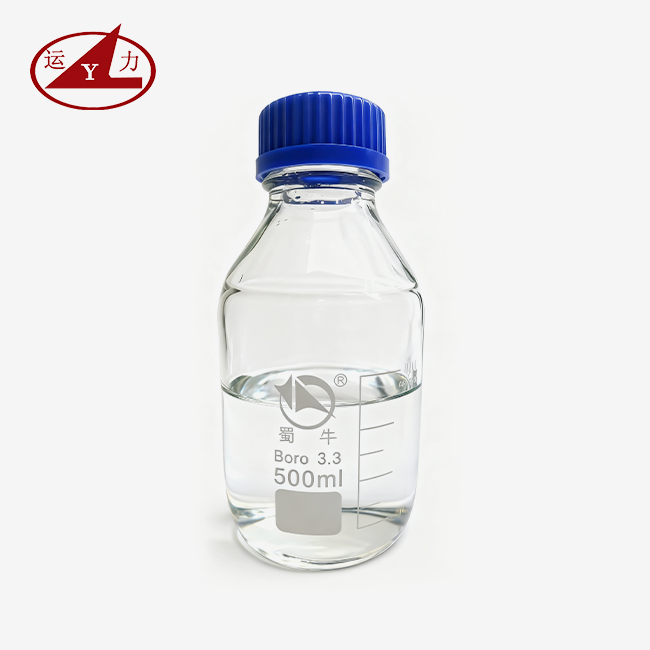
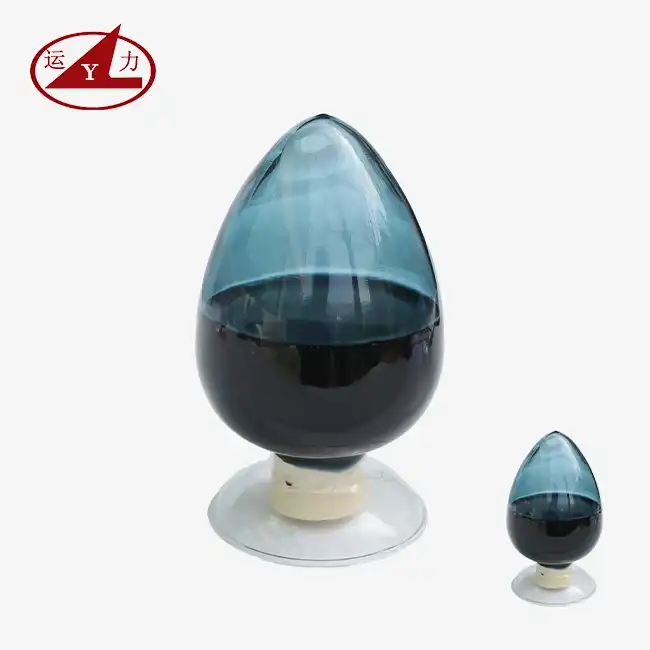
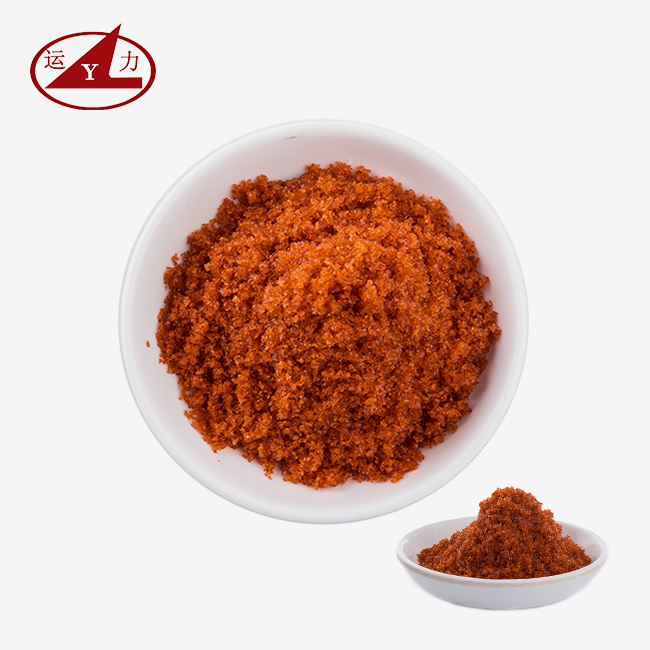
How to stop iron nitrate from corroding?
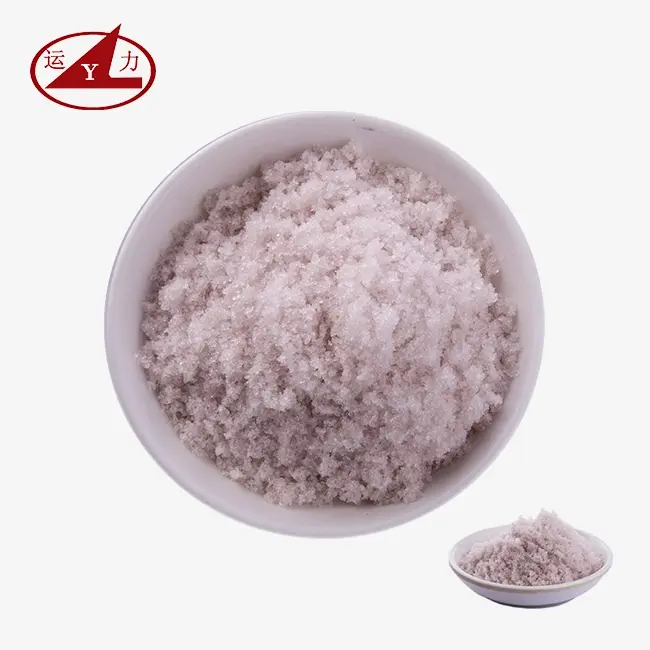
Controlling wetness and choosing the right storage materials are the first steps in stopping rust. Iron Nitrate (Fe(NO₃)₃·9H₂O), a purple crystalline substance that melts easily, easily absorbs water from the air. This starts electrochemical processes that break down metal more quickly. Using airtight, corrosion-resistant containers made of polyethylene or fiberglass-reinforced plastics, keeping the relative humidity below 40%, and adding chemical stabilizers to recipes are all good ways to stop rust. Along with keeping temperatures below 25°C and closely watching over the environment, these steps protect the quality of the goods and make tools last longer in all commercial settings.
Understanding the Corrosion Problem of Iron Nitrate
Ferric nitrate nonahydrate (CAS 7782-61-8) has special chemistry qualities that affect how corrosively it acts in industrial settings. This chemical has a molecular formula of Fe(NO₃)₃·9H₂O and a molecular weight of 404.01 g/mol. It is very good at oxidizing things and dissolves easily in water. Because the material is deliquescent, it draws water from the air on its own, turning it into concentrated acidic solutions that cause contact areas to rust.
Chemical Reactivity and Corrosion Mechanisms
The process of rusting is made up of many chemical reactions. When ferric nitrate dissolves, it splits into ferric ions (Fe³⁺) and nitrate ions (NO₃⁻). This makes the solution acidic, with a pH value usually between 1.5 and 2.5 for 10% solutions. This acidity affects metal surfaces through electrochemical processes. At the same time, cathodic reduction and anodic dissolution remove material from the walls of equipment. Nitrate ions work as oxidizing agents, speeding up the movement of electrons and making metal breakdown more intense.
In these processes, moisture speeds things up. Even very little humidity can make the hygroscopic crystals partially melt, which concentrates acidic species at metal surfaces. When the temperature rises above the compound's melting point of 47.2°C, this behavior gets worse. This is because the solid material turns into hostile liquid phases that can get through safe shields and reach weak substrate layers.
Distinguishing Iron Nitrate from Other Iron Salts
Procurement managers can make better choices when they compare the corrosion rates of different iron compounds. There are different ways that iron sulfate (FeSO₄) and iron chloride (FeCl₃) rust. Because chloride ions can get through passive oxide films, chloride salts cause very violent pitting corrosion on stainless steels. Compounds that are sulfate make sulfuric acid situations that help surfaces break down evenly.
The Iron Nitrate nonahydrate is in the middle. The nitrate anion causes general rusting because it is acidic, but it doesn't cause as much specific pitting as chlorides do. When heated above 125°C, the substance breaks down into nitrogen oxides instead of leaving behind halogen or sulfur leftovers. This makes it better for uses that need highly pure end products. Catalyst makers and electronics makers like this clean decomposition route because it doesn't bring the secondary contamination risks that sulfates and chlorides do.
Root Causes and Risk Factors Behind Iron Nitrate Corrosion
Corrosion rates in buildings that handle Iron Nitrate are greatly affected by the environment. Technical teams can put in place focused control measures when they understand these factors.
Environmental Factors Influencing Corrosion Rates
Things in the environment that affect corrosion rates: Changes in temperature cause cycles of expansion and contraction that damage protective layers and leave new metal surfaces open to chemical attack. When relative humidity is above 50%, deliquescence speeds up. This means that solid materials quickly turn into acidic solutions. In factories that don't have temperature control, seasonal changes often mean that equipment breaks down faster in the hot summer months.
When handling nitrate liquids, it's important to keep an eye on the pH. As more of the liquid evaporates, the acidity gets stronger, which lowers the pH and makes the acidic potential stronger. Exposure to air adds to the problems; absorbing carbon dioxide makes carbonic acid, which makes liquids even more acidic. The presence of oxygen keeps cathodic processes going, which keeps corrosion cells working.
Storage and Handling Pitfalls
A lot of rust problems happen because the wrong materials were used when the building was designed. When carbon steel cylinders come into touch with acidic ferric nitrate solutions, they rust very quickly. Under harsh conditions, they rust at rates of more than 5 mm per year. Even though aluminum metals don't usually rust, the same things happen to them when nitrate solutions break down protective oxide layers.
Another common failure cause is improper container closing. Lids that aren't completely closed let both wetness and material leave at the same time. Humidity comes in and reacts with the stored crystals, while acidic vapors escape and damage the infrastructure around them. When warehouses don't have enough air, corrosive fumes build up and damage building parts, electrical systems, and kept items nearby.
Safety and Regulatory Considerations
Logistics for transportation put mechanical stresses on packages that damage their structure. During shipping, vibrations can open lids, changes in temperature can melt crystallized goods, and stacking forces can bend containers. When these things come together, they make pathways for leaks that cause widespread corrosion when material touches shipping equipment or building floors.
Because it can oxidize, handling rusted ferric nitrate needs extra care. Material that has been broken down by organic contaminants may contain flammable chemicals that can catch fire on their own. Ferric nitrate is a Class 5.1 oxidizer, which means that it needs to be stored away from flammable materials, its hazards must be communicated through MSDS documents, and there must be clear emergency action plans in place.
Concerns about toxicity go beyond chemical burns. Nitrate exposure pollutes the environment when rusted material gets out of its container and affects the quality of water and dirt. In order to follow environmental protection rules, there must be systems for finding leaks, extra containment structures, and waste treatment facilities that can neutralize acidic water before it is released.
Proven Strategies to Prevent Iron Nitrate Corrosion
Putting in place thorough prevention programs saves both the quality of the products and the machinery that runs the business. These methods attack rust from different directions, building up multiple layers of defense against damage.
Optimal Storage Environments and Container Selection
The best places to store things and how to choose containers: Climate-controlled storage spaces keep the conditions stable, which reduces the chances of rusting. Keeping the relative humidity below 40% with dehumidification systems stops deliquescence and protects the structure of the crystals. Controlling the temperature between 15°C and 25°C keeps the material rigid and stops phase changes that create harmful liquids.
The choice of container material has a huge effect on how well it stores things over time. Acidic nitrate solutions don't damage high-density polyethylene (HDPE) canisters very well, and they work well and don't cost a lot of money. Fiberglass-reinforced plastic (FRP) tanks are good for storing bigger amounts of stuff because they are strong and don't rust. Fluoropolymer linings and other specialized coats make metal vessels compatible when plastic ones aren't possible for certain tasks.
Airtight sealing systems keep wetness from the air from getting into kept items. Containers that are sealed with induction and have air shields keep the inside dry for long periods of time. For mass storing, nitrogen blanketing moves wet air out of the way, making inert atmospheres that stop corrosion processes that are caused by moisture.
Chemical Inhibitors and Stabilizers
By adding supporting ingredients to Iron Nitrate mixtures, the naturally acidic properties are lessened. Anti-caking agents, like magnesium stearate, cover the sides of crystals. This stops them from absorbing water and makes the process take longer. For most uses, these substances don't change the chemical purity, so they can be used as physical walls.
Solution-phase products are less acidic when pH balancing systems are present. Adding small amounts of suitable bases raises the pH to less corrosive levels while keeping the product's usefulness. This method works especially well as a cloth mordant because strong acids break down fibers without needing to.
Our Ferric Nitrate 98%min (Fe(NO₃)₃·9H₂O) formulations at Yunli Chemical contain special anti-caking agents that keep them from absorbing water while they are being stored or shipped. Our ultra-high purity grades (with less than 30ppm of iron, which can be lowered to 10ppm for catalyst uses) make sure that there aren't many impurities that could speed up rust processes that you don't want. Customized impurity control, which includes keeping chloride levels below 50ppm, stops the violent pitting rusting that halide contamination causes.
Operational Controls and Monitoring Programs
Regular inspections find early signs of rust before they cause problems. Visual inspections show that the layer is breaking down, the container is changing shape, or the material is changing color, which are all signs of chemical reactions. Testing the pH of solution products on a regular basis makes sure they are stable and lets workers know when the concentration changes and needs to be fixed.
Monitoring devices for the environment keep an eye on the temperature and humidity all the time and sound alarms when the levels fall outside of normal limits. Automated dehumidification starts working before moisture levels hit dangerous levels. This keeps storage conditions safe without constant human intervention.
Adding protection coverings to the building's structure and process equipment makes them even less likely to rust. Industrial coats made of epoxy work well in acidic environments, and special mixes with zinc phosphate primers make structure steel that is exposed to nitrate fumes last longer. Regular recoating plans keep these protected layers in good shape, stopping the breakdown that reveals weak substrates.
Comparing Iron Nitrate with Other Iron Salts: Corrosion and Procurement Insights
Comparing the performance of different iron compound options in great depth is helpful for the procurement strategy. Each salt has its own pros and cons when it comes to rust, which applications are best for it, and the total cost of ownership.
Corrosion Tendency Analysis Across Iron Compounds
Iron sulfate heptahydrate (FeSO₄·7H₂O) has some rusting properties, mostly because it turns into acid through sulfate. Even though sulfate compounds are not as bad for stainless steels as chlorides, they do produce hydrogen sulfide gas when reduced, which opens up more ways for rusting to happen and makes the workplace more dangerous. For equipment that works with iron sulfate, it needs air systems that deal with sulfur compound fumes and materials that are resistant to acids.
Iron chloride hexahydrate (FeCl₃·6H₂O) is the iron salt that is most likely to damage things. Chloride ions break through the passive films on stainless steels and cause localized pitting that quickly makes holes in the walls of equipment. Extreme hygroscopicity of the substance makes it absorb water more quickly, making highly concentrated corrosive solutions very quickly. When procurement managers choose iron chloride over nitrate alternatives, they have to deal with much higher upkeep costs and shorter machine service lives.
Iron Nitrate strikes a mix between efficiency and managing corrosion. Its mild acidity causes general surface corrosion instead of localized pitting. This makes it easier to plan upkeep because you can predict how much material will be lost. When halogens or sulfur are not present, secondary rusting processes can't happen. This means that equipment will last longer and be less damaged over its lifetime.
Cost Implications and Equipment Durability
The total costs of ownership go beyond the price of the original buy. When you think about how much it will cost to repair tanks, pipes, and pumps that have rusted, iron chloride's low material cost can be misleading. To build facilities that work with chloride salts, you usually need to use titanium or high-nickel metals, which are five to ten times more expensive than normal stainless steel that can handle nitrate service.
The regularity of maintenance and the availability of replacement parts also have an effect on economic results. Because ferric nitrate works with common corrosion-resistant materials like 316L stainless steel, HDPE, and FRP, new parts are easy to find and don't cost too much. For chloride uses, custom manufacturing is often needed with long lead times. When equipment breaks down, production is interrupted.
The costs of downtime caused by rust often go beyond the prices of materials and labor. Unexpected power blackouts mess up production plans, cause deliveries to customers to be late, and need extra workers to fix right away. Choosing iron compounds with good rust profiles reduces these breaks to operations, making the facility more reliable and profitable as a whole.
Application-Specific Selection Criteria
Application needs, not just rust concerns, determine the best chemical choice. Even though iron chloride is very bad for rust, water treatment plants often choose it because it coagulates quickly, which lowers the amount needed and the size of the treatment basins. Iron sulfate is used in agriculture to make the earth more acidic, and the sulfur in it gives plants extra nutrients.
Only ferric nitrate can be used for contamination-free breakdown, which is needed for making catalysts, pharmaceutical intermediates, and electronic materials. For these high-value uses, ultra-pure grades are worth the extra cost because flaws cause catalytic poisons or product faults that are much more expensive than differences in the prices of raw materials.
Procurement Considerations: How to Buy and Store Iron Nitrate to Minimize Corrosion Risks
Corrosion prevention is built into strategic buying practices all the way through the supply chain, from choosing the provider to using the finished product.
Supplier Selection and Quality Assurance
To find reliable Iron Nitrate providers, you need to look at a number of quality factors. Product quality has a direct effect on how it corrodes; high levels of impurities add catalytic species that speed up the breakdown process. Limits should be set for chloride levels (ideally less than 100ppm), sulfate levels, and heavy metal amounts in the specifications. Suppliers who give thorough Certificates of Analysis (COA) that list test results for each batch show that they care about quality.
Manufacturing licenses show that the company can control the process. The ISO 9001 Quality Management System certification makes sure that work processes are always the same, and the ISO 14001 Environmental Management certification makes sure that waste treatment equipment keeps the environment clean. These licenses, along with their OHSAS Occupational Health and Safety credentials, show that Yunli Chemical follows strict rules for operations that they've learned over twenty years of making things.
Premium suppliers are different from basic suppliers because they offer technical help. Access to application experts who understand how rust works, can suggest the right grades for different uses, and can help with storage problems is valuable in and of itself. Our Enterprise Technology Center at the provincial level helps customers with research and development to make custom formulas that solve specific corrosion problems in specific uses.
Quality of packaging and best use of space
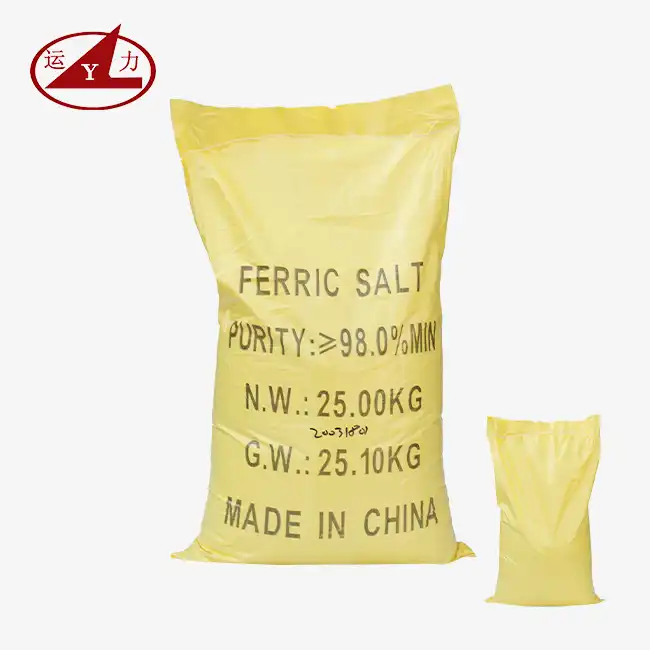
The purity of the packaging keeps the quality of the product safe during transport. Crystalline materials are kept dry during shipping and storage by multi-layer moisture shields that are made up of polyethylene inner liners inside woven polypropylene outer bags. Induction sealing makes hermetic covers that keep things from opening by mistake while they're being handled. Labels on containers should include GHS-compliant information about hazards, suggestions for storage temperatures, and the date the container was made so that the manufacturer can track its shelf life.
When deciding on a volume, you have to weigh the ability to store things against their security. Bulk amounts, like 500 kg drums or ISO tanks, lower the cost per unit, but they need a lot of climate-controlled storage space and equipment for moving the materials. Even though they cost more per kilogram, smaller packages (25 kg bags) are better for businesses that don't have a lot of store space or only use their products sometimes. Our flexible packaging choices, which range from lab amounts to tanker transfers, meet the needs of a wide range of customers.
When it comes to packing, Yunli Chemical can make changes to meet local regulations and customer tastes. We offer both pure solid and pre-dissolved liquid solution forms, so customers don't have to deal with the risks and steps of dissolving. When stored properly (below 25°C, relative humidity <50%), anti-caking ingredients make things last up to two years longer, which cuts down on waste from material breakdown.
Transportation Best Practices and Documentation
Logistics planning stops damage that leads to rusting during transport. Temperature-controlled shipping keeps things below their melting point, which keeps them from melting and liquefying, which damages packages and delivery equipment. Proper packing and locking stops vibrations that could damage packages and let moisture in. Environmental stress can be lowered by choosing routes that cut down on travel time and protect people from extreme weather.
Professional packages of chemicals come with all the necessary paperwork. Material Safety Data Sheets (MSDS) tell people who work with dangerous materials about the risks and how to handle an accident. Dangerous goods statements prove that shipping rules (DOT, IATA, or IMDG, as needed) have been followed. International packages are easier to clear customs with the help of commercial documents like packing lists, bills, and certificates of origin.
Our international business is run by us, so there are no middlemen. This means that you get direct plant prices and quality control all along the supply chain. We've been working with big corporate clients around the world for more than twenty years, so we know what paperwork is needed in each country. This makes sure that customs processing goes smoothly and that deliveries happen on time. Procurement teams can check the quality and suitability of materials with free samples of up to 500 grams before committing to large production runs. This lowers the risk of qualification.
Conclusion
To effectively handle corrosion for Iron Nitrate, you need to use a combination of methods that include choosing the right materials, keeping the surroundings under control, and working with suppliers. Keeping moisture under control with dehumidifiers and closed packages stops deliquescence, which leads to electrochemical degradation. If you choose the right materials, like HDPE, FRP, or covered metals, they will not be damaged by acid, and chemical additives will lessen their natural corrosive properties. Compared to iron chloride and sulfate options, ferric nitrate provides balanced performance with manageable corrosion rates as long as the right safety measures are taken. Strategic buying that focuses on source quality, package integrity, and technical support sets up operations for long-term success by reducing equipment damage and keeping product performance in areas like textile processing, specialty chemicals, and catalyst manufacturing.

FAQ
Q1: What Makes Iron Nitrate More Corrosive Than Expected?
A: Because Iron Nitrate nonahydrate is deliquescent, it absorbs water from the air on its own, making acidic solutions (pH 1.5–2.5) that are very rough on metal surfaces. Oxidizing nitrate ions speed up electrochemical processes, and even a small amount of humidity can cause rusting to happen quickly. This process can't work if you store things properly, without air leaks, in containers that won't absorb wetness below 40% relative humidity.
Q2: Can Stainless Steel Safely Store Ferric Nitrate Solutions?
A: Grade 316L stainless steel can handle ferric nitrate rust well in most industrial settings as long as the concentration of the solution stays below 40% and the temperature stays below 50°C. For long-lasting use in high quantities or temperatures, you need special metals (like AL-6XN or Hastelloy) or non-metallic materials (like HDPE or FRP). Regular inspections find early signs of wear and tear that mean the material needs to be upgraded.
Q3: How Do Impurities Affect Corrosion Rates?
A: If there is more than 100ppm of chloride in the air, it starts localized pitting rust on inactive metals, which makes failure rates much faster. Heavy metal impurities speed up electrochemical processes by acting as catalysts. Ultra-pure grades with chloride levels below 50ppm and heavy metal levels controlled at or below 10ppm greatly decrease corrosion. This is why they are more expensive, but they are needed for important tasks like making catalysts, where equipment life directly affects profits.
Partner with a Trusted Ferric Nitrate Manufacturer for Corrosion-Free Operations
Yunli Chemical offers rust control options using ultra-pure Iron Nitrate 98%min (Fe(NO₃)₃·9H₂O) that is designed for tough industrial uses. Our regional technology center creates custom mixtures with limited elements, like chloride levels below 50ppm and iron levels that can be lowered to 10ppm. This gets rid of catalytic species that speed up the breakdown of equipment. We have been making things for twenty years and make more than one billion yuan a year. This shows that we can provide a stable, high-volume supply that supports long-term relationships. Certifications like ISO 9001, ISO 14001, and OHSAS make sure that quality standards are always met and that environmental rules are followed. Also, buying directly from the plant cuts out the middleman's markups. Technical teams give advice on how to use the product, how to store it, and free samples of up to 500 grams for approval testing. You can email us at wangjuan202301@outlook to talk about your ferric nitrate source needs, and you can find full product specs at yunlichemical.com.
References
1. Jones, D.A. (2019). Principles and Prevention of Corrosion, 3rd Edition. Pearson Education Limited, London.
2. Smith, R.L. & Patterson, M.K. (2020). "Corrosion Behavior of Iron Salts in Industrial Storage Environments," Journal of Materials Engineering and Performance, 29(4), pp. 2156-2167.
3. Chen, W. & Rodriguez, F. (2021). "Comparative Study of Iron Compound Corrosivity in Process Equipment," Corrosion Science and Technology, 18(2), pp. 88-101.
4. American Society for Testing and Materials (2022). ASTM G31-21: Standard Guide for Laboratory Immersion Corrosion Testing of Metals. ASTM International, West Conshohocken.
5. National Association of Corrosion Engineers (2020). NACE SP0169: Control of External Corrosion on Underground or Submerged Metallic Piping Systems. NACE International, Houston.
6. Thompson, A.J., Lee, S.H., & Kumar, P. (2018). "Environmental Factors Influencing Chemical Storage Corrosion Rates," Industrial & Engineering Chemistry Research, 57(33), pp. 11234-11248.