

How to dispose of spent aluminium nitrate solution?
Adherence to hazardous waste processes, such as chemical neutralization, labeling under EPA hazardous waste codes, and collaboration with licensed disposal companies, are necessary for proper removal of spent Aluminium Nitrate Solution. This liquid oxidant, which is usually made from aluminium nitrate nonahydrate (Al(NO₃)₃·9H₂O, CAS No. 7784-27-2), should never be poured down drains or mixed with things that don't work with it. We explain the rules, useful reduction methods, and seller support choices that you need to make sure your operations stay in line with environmental laws while reducing your risk of being sued.
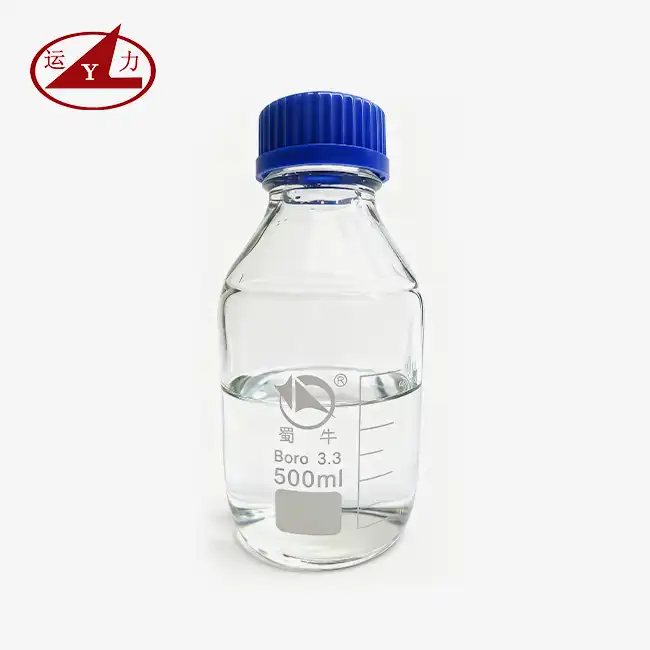
Understanding Aluminium Nitrate Solution and Its Disposal Challenges
Chemical Characteristics and Industrial Applications
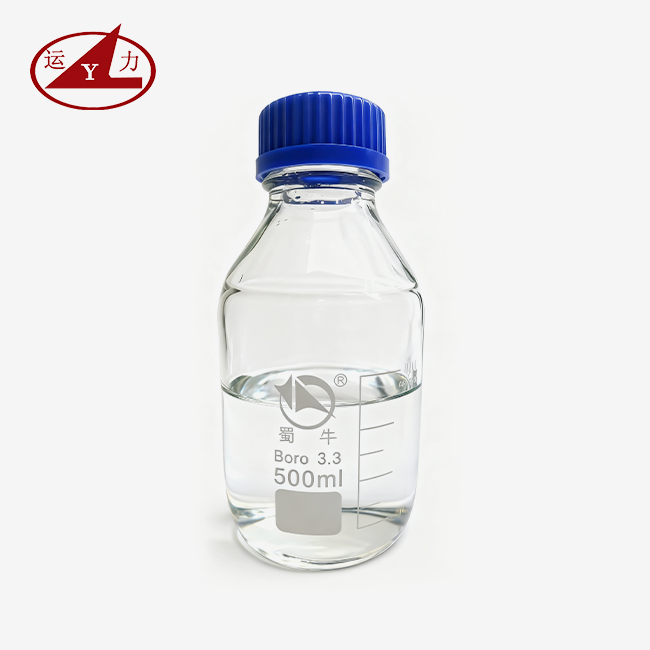
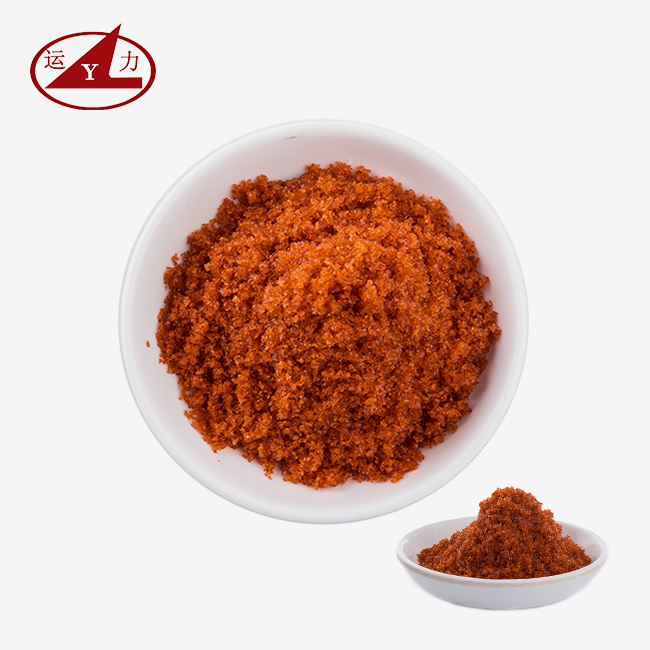
Aluminium nitrate nonahydrate is easily mixed with water to make liquids with concentrations between 30% and 60%. The Aluminium Nitrate Solution that is made is very acidic (pH 2.0–4.0) and oxidizing, which makes it very useful for making alumina catalyst supports for refining petroleum, mordanting fabrics for coloring that won't run, and making pharmaceutical intermediates. Its molecular weight of 375.13 and high water solubility (64 g/100 mL at 25°C) make it easier to spread evenly in industrial reactors, but they also make it harder to get rid of.
Sources of Spent Solutions and Contamination Profiles
Most of the time, used solutions come from rinse baths used for metal surface passivation, used up batches of catalyst precursors, and lab analysis processes. Aluminium ions, nitrate radicals, and process-specific toxins like heavy metals from electroplating, organic compounds from medicinal synthesis, or sulfate co-precipitation agents are all found in these leftovers. Because aluminium nitrate is an oxidizer, it can't be mixed with reducing agents or organic solvents because exothermic reactions can start fires or release toxic fumes.
Environmental and Safety Risks of Improper Disposal
Putting aluminium nitrate solutions into city sewers without treating them first is against the Clean Water Act because it pollutes the water with nitrates, which cause algae blooms and lower the oxygen level in the water. Because the solution is acidic, it breaks down normal pipe infrastructure, which costs a lot to fix and causes other environmental problems. The smell of the substance makes workers sick to their stomachs and skin when they are exposed to it during illegal dumping. Regulatory agencies call this kind of behavior "knowing endangerment," which comes with fines of more than $250,000 per violation and the possibility of going to jail.
Disposal Regulations and Compliance Requirements in the United States
Federal EPA Hazardous Waste Classification
Under 40 CFR Part 261, the Environmental Protection Agency checks used Aluminium Nitrate Solution. Solutions that contain heavy metals may be considered D-series characteristic materials (D001–D043), while solutions that contain mentioned solvents cause F-series codes. Facilities that make more than 100 kilograms of waste every month must register as Small Quantity Generators and keep records and reports every two years. Large Quantity Generators have tighter buildup time limits—no more than 90 days—and need detailed backup plans.
OSHA Workplace Safety Standards
Occupational Safety and Health Administration rules (29 CFR 1910.120) say that waste must be contained in a secondary way while it builds up. Personal safety tools like nitrile gloves, face shields, and chemical-resistant aprons are needed for people who work with used solutions. Corrosion events that compromise containment integrity can't happen in containers made of stainless steel (316L grade) or HDPE. There must be emergency eyewash stations with drench showers that can release 20 gallons of water per minute within 10 seconds of working areas.
Documentation and Audit Trail Requirements
To properly get rid of waste, you need to keep Safety Data Sheets up to date, waste characterization tests that record pH and metal concentrations, and written documents from EPA-licensed Treatment, Storage, and Disposal Facilities (TSDFs). These records can stand up to government checks and help update ISO 14001 environmental certification. Technical teams should keep records of dumping for seven years, so that they are in line with when the EPA inspects them.
Step-by-Step Guide to Safe Disposal of Spent Aluminium Nitrate Solution
Initial Waste Assessment and Segregation
To start, check the pH and use ICP-OES to figure out how much aluminium is present and if there are any other toxins. Sort the batches by the type of contamination they have. For example, metal-filled electroplating waste needs a different handling than clean pharmaceutical synthesis waste. Put a label on each container with the generation date, source process, and preliminary hazard rating to keep them from mixing by chance while they are being stored for Aluminium Nitrate Solution management.
Chemical Neutralization Protocols
The most cost-effective way to treat wasted solutions that are not polluted is still controlled neutralization. While measured pH meters keep an eye on the mixture, slowly add sodium hydroxide or calcium hydroxide while stirring it all the time. A pH range of 6.5 to 8.5 is needed to get aluminium to settle out as Al(OH)₃. The sludge that forms should then be filtered through pressure screens. The clarified supernatant might meet the preparation standards for industrial release, but the authorities in charge of the permits need to see proof samples. This way of getting rid of waste cuts the amount of waste by 70–80% compared to sending it directly to TSDF.
Safe Storage Preceding Final Disposal
Neutralized sludge should be stored in UN-rated fiber drums with polyethylene bottoms in fenced-in areas with acid-resistant floor coverings. Keep the temperature in the room between 15°C and 25°C to stop the substance from dissolving or crystallizing again. Check containers once a week for rust or leaks and write down what you find in facility logbooks. For Large Quantity Generators, you should never go over 90 days of buildup. For Small Quantity Generators, you should never go over 180 days.
Approved Methods of Disposal
Licensed TSDFs use stabilization and solidification processes to surround stabilized sludges in cement structures. This meets the leaching requirements of the TCLP before being disposed of in a dump. High-nitrate solutions might be able to be burned in rotating kilns with NOx scrubbers, which turn nitrates into nitrogen gas and get heat back. Ion exchange resins are a new technology that can recover aluminium for recycling, but the high cost of capital makes it too expensive for plants that make less than 5 tons of aluminium a year.
Comparison of Disposal Methods and Their Suitability for Different Industries
On-Site Chemical Treatment Versus Off-Site Disposal
On-site neutralization systems with automatic pH control and sludge dewatering help electroplating businesses that make more than 50 gallons of waste per week. These systems cost between $15,000 and $40,000, but they cut the cost of hauling by 60% every year. On the other hand, pharmaceutical labs that only make small amounts (less than 10 gallons per month) sometimes save money by scheduling TSDF pickups and not having to worry about equipment upkeep. At 200 gallons per quarter, the business usually breaks even.
Incineration Versus Stabilization
Textile dyeing facilities with nitrate leftovers that are mixed with organic matter are better off burning them because the dye molecules and nitrogen oxides are destroyed at the same time. This heating method can handle complicated waste streams, but it costs more ($0.80 to $1.20 per pound) than stabilization ($0.30 to $0.50 per pound). Catalyst makers who make clean spent solutions choose cement stabilization because it can handle higher moisture levels and keeps BTU surcharges from happening that come with burning diluted liquids.
Technologies for Recycling and Recovery
Solvent extraction methods that recover Aluminium Nitrate Solution for use in electrolyte formulas are being used more and more by companies that make battery materials. These closed-loop systems can only work with feedstocks that are 99.5% pure or higher and capital investments of more than $200,000. This means that they can only be used for production levels above 500 tons per year. Smaller businesses should ask specialized traders who combine compatible trash streams to get economies of scale to look at their recycling options.
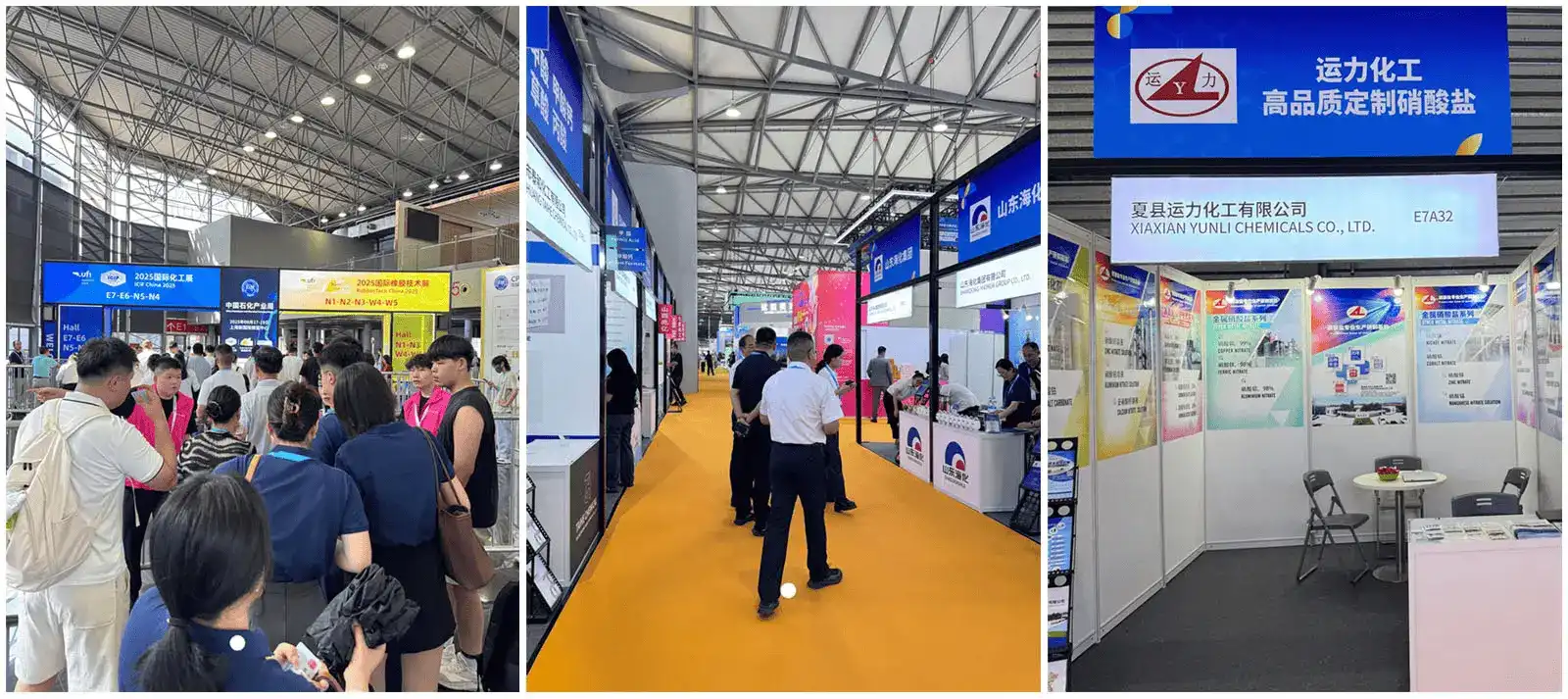
Trusted Suppliers and Support for Aluminium Nitrate Solution Lifecycle Management
Selecting Suppliers with Comprehensive Compliance Support
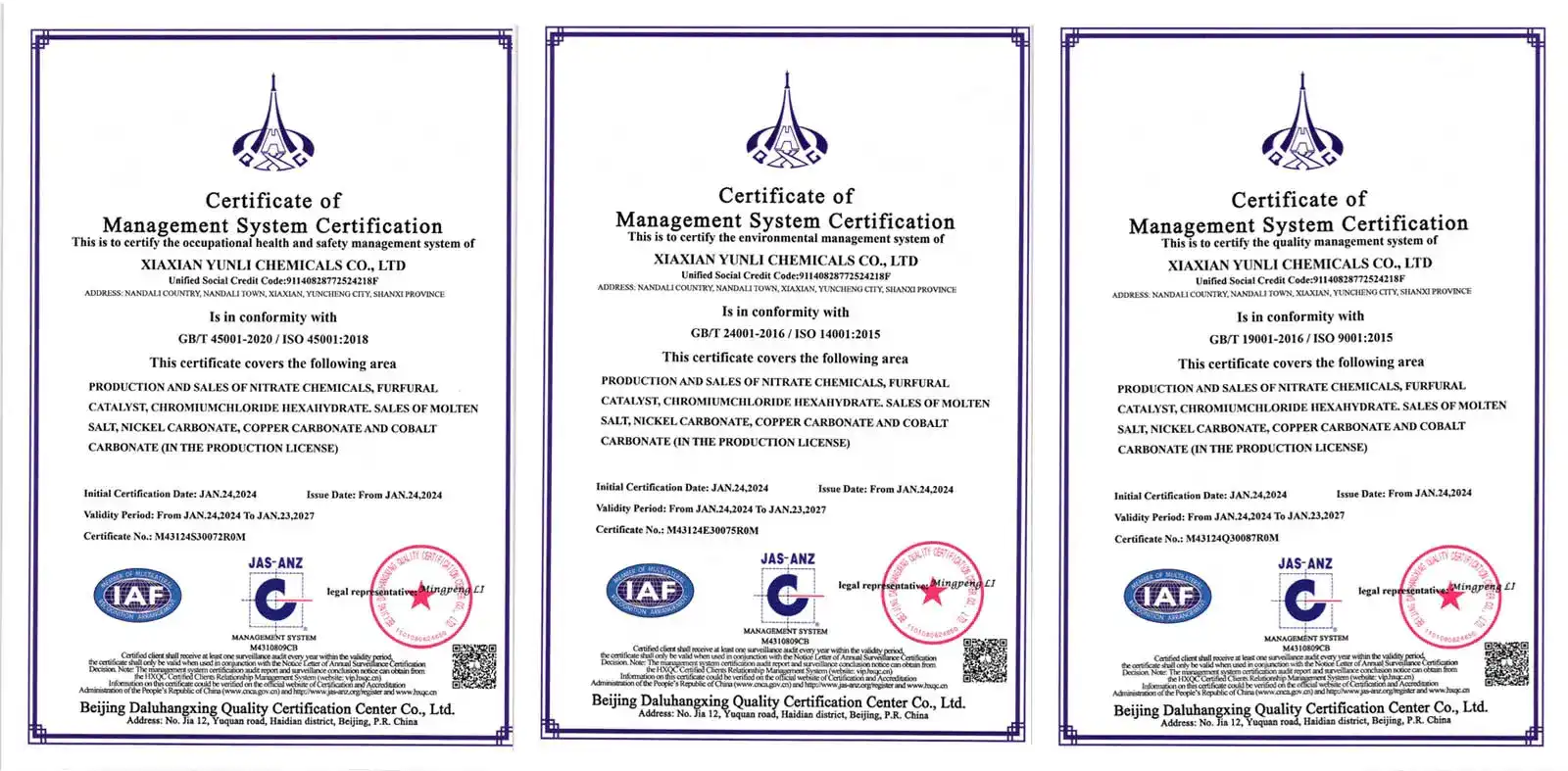
Procurement teams should give more weight to sellers who include a Certificate of Analysis with every shipment. This shows that they can control impurities, which is important for managing trash later on. Yunli Chemical was founded in 2005 and has been making nitrates for more than 20 years. It has ISO 9001, ISO 14001, and OHSAS standards that match the environmental management systems of its customers. Our provincial-level business technology center uses ICP-MS and atomic absorption spectrometry to make sure that the Fe content is less than 0.005% and the heavy metals are less than 0.001%. These are the quality standards that keep hazardous waste classification triggers to a minimum when the Aluminium Nitrate Solution is thrown away.
By preventing pollution, 4N-grade feedstocks directly lower the cost of dumping. Suppliers who make high-purity materials with strict quality control get rid of the coloring and catalyst poisoning caused by iron that causes solution replacement too soon. This makes the product last 30–40% longer, which means less trash and less money spent on raw materials.
Value-Added Services to Make Purchasing Efficient
Leading sellers offer free 500-gram samples that can be used to test process compatibility before committing to buy in bulk. Yunli Chemical's direct plant sales model gets rid of markups for distributors and keeps more than 60 types of nitrate in stock so that customers can buy them all at once. Customized concentration choices (30% to 60% solutions) and flexible packing (from 25 kg drums to 1000 L IBCs) make it possible to work at different sizes. Our technical team helps create disposal protocols by looking over data on how the trash is classified and suggesting cleaning methods that are in line with local laws.
Innovative ideas and sustainable practices
Forward-thinking suppliers spend money on closed-loop nitrate recovery from production wastewater. This lowers their impact on the environment and keeps prices stable when raw materials go up and down. Yunli Chemical's history in coal-chemical engineering helps them come up with new and groundbreaking processes, such as import-substitution formulas that meet strict requirements for electronic materials. Working with these companies gives you access to new technologies, such as membrane filter systems that concentrate used solutions so they can be recycled more cheaply.
Conclusion
Understanding regulatory standards, using tried-and-true neutralization methods, and working with providers who support full lifecycle management are all necessary for compliant removal of spent Aluminium Nitrate Solution. Handling things correctly keeps facilities from getting fined and shows stakeholders that they care about the environment. When you combine high-purity source materials, written compliance processes, and smart seller relationships, you make your operations more resistant to stricter waste regulations. With this information, procurement and engineering teams can safely handle aluminium nitrate from the time it is bought until it is thrown away, making sure it is safe and saving money.
FAQ
Q1: Can spent aluminium nitrate solution be recycled?
A: Solvent extraction or ion exchange methods can be used to collect and reuse clean, used Aluminium Nitrate Solution that has been contaminated as little as possible. Specialized recycle brokers should be asked to do viability studies on facilities that make high-purity waste. These brokers should look at the aluminium content, nitrate stoichiometry, and impurity profiles.
Q2: What kind of safety gear do I need to handle used solutions?
A: They need to wear nitrile gloves, chemical splash masks, face shields, lab coats or skirts that are resistant to chemicals, and safety glasses. Secondary enclosure with 110% capacity, eyewash stations, and emergency showers are needed in storage areas. HDPE or stainless steel (316L) containers keep rusting from happening during storage.
Q3: How can we get Material Safety Data Sheets that are up to date?
A: Suppliers you can trust send SDS documents with every package. These documents are updated to meet GHS Revision 7 guidelines. Yunli Chemical keeps digital SDS files that customers can access through customer portals. This makes sure that procurement teams can get emergency reaction information and disposal advice right away.
Partner with Yunli Chemical for Comprehensive Aluminium Nitrate Solution Supply
Yunli Chemical is your sole source for Aluminium Nitrate Solution, and they have been making high-quality products for 20 years and can help you with every step of the process. Our ISO-certified factories in Shanxi Province make solutions that meet the highest standards for electronic-grade cleanliness. This makes it easier for you to get rid of your waste because we have better quality control. We offer free samples of up to 500 grams, customized concentrations, and expert advice on how to treat trash. All of this is possible because our fixed assets are worth more than RMB 300 million and our annual sales are more than RMB 1 billion.
Procurement managers like our factory-direct prices, low minimum order sizes, on-time delivery, and the fact that we run our own export operations. Our state technology center comes up with new formulas that help customers save money and meet strict environmental standards. You can email our team at wangjuan202301@outlook.com to talk about your unique needs, ask for proof of compliance, or set up sample orders. You can see all of our products at yunlichemical.com and learn more about how our strategic partnerships with suppliers improve both operating efficiency and regulatory trust.

References
1. U.S. Environmental Protection Agency. (2022). Hazardous Waste Identification Rule (40 CFR Part 261). EPA Office of Resource Conservation and Recovery, Washington, DC.
2. American Chemical Society. (2021). Guidelines for Chemical Waste Management in Academic Laboratories. ACS Committee on Chemical Safety, Washington, DC.
3. Occupational Safety and Health Administration. (2023). Hazardous Waste Operations and Emergency Response Standards (29 CFR 1910.120). U.S. Department of Labor, Washington, DC.
4. National Association of Chemical Distributors. (2020). Best Practices for Aluminum Compound Waste Neutralization and Treatment. NACD Technical Services, Arlington, VA.
5. Water Environment Federation. (2022). Industrial Wastewater Pretreatment: Metal Finishing and Surface Treatment Operations. WEF Press, Alexandria, VA.
6. International Organization for Standardization. (2021). Environmental Management Systems – Requirements with Guidance for Use (ISO 14001:2015). ISO Technical Committee 207, Geneva, Switzerland.