


What are the common industrial applications of chromium nitrate nonahydrate?
Chromium Nitrate Nonahydrate (Cr(NO₃)₃·9H₂O, CAS 7789-02-8) is an important chemical molecule used in many industries, from making catalysts to treating metal surfaces. A lot of people like this trivalent chromium salt because it dissolves easily, doesn't contain any halides, and can give pure chromium ions without adding chlorides or sulfates. As purchasing managers and technical experts look for dependable providers who can meet quality standards and regulations, it's important to know the many uses of this compound. Our guide talks about how Chromium Nitrate Nonahydrate helps solve problems in different industries, such as getting rid of catalyst poisoning in industrial processes and helping to make electroplating solutions that are better for the environment. We'll also talk about important procurement factors, such as purity requirements, safety rules, and seller evaluation criteria, to help you make smart sourcing choices that improve business efficiency and supply chain resilience.


Introducing Chromium Nitrate Nonahydrate: Properties and Safety
Chemical and Physical Characteristics
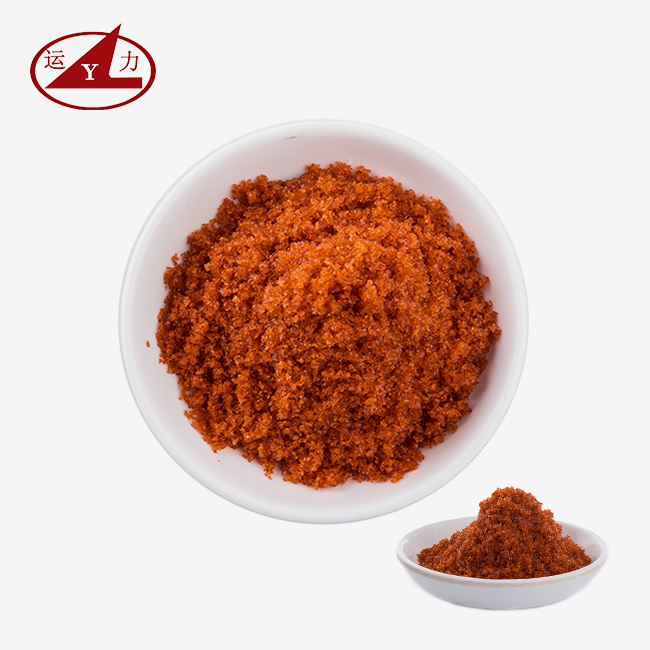
Chromium Nitrate Nonahydrate is a dark purple-red solid that has a molecular weight of 400.15 g/mol. This hydrated salt dissolves very easily in water, which makes it perfect for working settings that use water. It melts at 60°C, and at 125.5°C, it starts to break down thermally, making chromium oxide in the end. The water-based solution has interesting thermochromic properties; it changes color from reddish-purple to green when heated and back to purple when cooled. It turns out that this one-of-a-kind quality is used to check the quality in the lab.
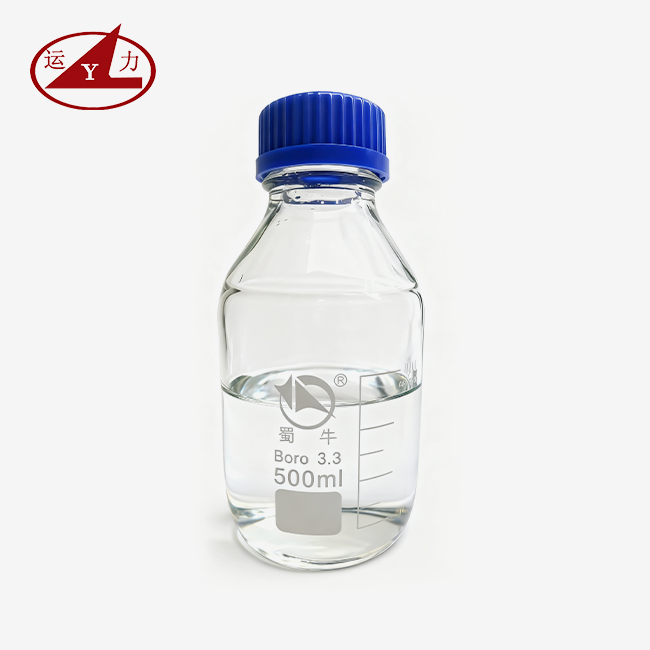
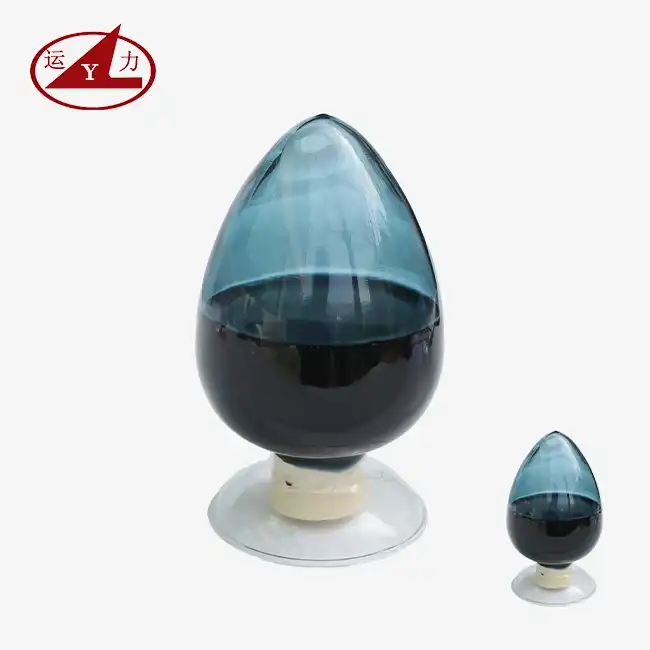
The substance dissolves easily in acetone, ethanol, and several inorganic acids. This makes it easy to use in a wide range of commercial settings. At Yunli Chemical, we make crystalline solids and unique liquids with purity levels between 98% and 99.9%. This way, our customers can choose the style that works best for their process needs. Our technical team can change pH levels between 5.0 and 7.0 while keeping the accuracy within 0.2 units. This makes sure that sensitive catalytic and surface cleaning processes always work at their best.
Safety Protocols and Handling Requirements
As a result of its oxidizing and toxic properties, Chromium Nitrate Nonahydrate must be handled with great care. If the substance comes in contact with skin, it can burn, and it can catch fire when it comes in contact with organic materials or reducing agents. For proper keeping, bins must be kept in cool, dry places away from things that don't go together. Because the diamonds melt when they come in contact with water, it can damage the product and make it more dangerous to handle.
All packages must include MSDS paperwork that explains what to do in an emergency and how much contact is safe. To make sure they follow all the rules set by REACH, RoHS, and ISO 9001, Yunli Chemical includes full Certificate of Analysis (COA) records with every batch. Our packaging has moisture-resistant shields that come in 25 kg bags or IBC tanks and are made especially for materials that absorb water. Personal protective equipment, such as gloves that can fight chemicals, safety glasses, and ventilation systems that work, is a must for safe working in workplace settings.
Top Industrial Applications of Chromium Nitrate Nonahydrate
Catalyst Manufacturing and Chemical Synthesis
For polymerization and dehydrogenation processes, the petroleum industry relies on chromium-based catalysts a lot. The best impregnation agent is Chromium Nitrate Nonahydrate because its nitrate counter-ion breaks down easily during calcination, leaving only active chromium oxide sites on alumina or silica supports. This clean breakdown route gets rid of the problems that chloride-containing chromium salts often cause with catalyst poisoning. These salts can eat away at reactor metals and stop catalytic sites from working.
Our ultra-low impurity grade, which has less than 30ppm of iron and less than 50ppm of alkali metals, makes catalysts last a lot longer in processes like hydrogenation and making methanol. Our pH stability makes sure that the chromium is spread out evenly across support surfaces, which directly boosts the efficiency of the catalyst. Technical experts really like that there are no chloride ions, because if there were, expensive materials for the reactor would have to be used to keep it from rusting. A lot of companies that make medicines and fine chemicals also use pharmaceutical-grade Chromium Nitrate Nonahydrate (with less than 0.1% HNO₃ left over) in the production of APIs, which must meet strict USP/EP standards for trace metal poisoning.
Metal Surface Treatment and Electroplating
Environmental rules have sped up the change in metal finishing processes from using hexavalent chromium (Crⁿ⁺) compounds to trivalent chromium (Cr³⁺) compounds. Chromium Nitrate Nonahydrate is a key ingredient in TCP (Trivalent Chromium Passivation) baths for aluminum and zinc parts. In transportation, spacecraft, and boats, these passivation processes leave behind thin barrier films that keep metals from rusting.
Chromium Nitrate Nonahydrate solutions from Yunli Chemical stop phosphating baths from forming sludge, which is a frequent issue that stops output and raises upkeep costs. Our product is 99.9% less harmful than older hexavalent chromium methods while still having the same level of corrosion protection as tested by ASTM B117 salt spray. Because we offer changeable iron and chloride amounts, formulators can find the best bath chemistry for each substrate material. Purchasing managers like that moving to trivalent chromium solutions not only follows the rules but also lowers the costs of getting rid of toxic trash and the safety risks at work that come with using carcinogenic Crⁿ⁺ compounds.
Textile Dyeing and Leather Tanning
Chromium Nitrate Nonahydrate is used as a mordant in complicated dyeing methods for cotton, silk, and man-made fabrics. This chemical creates steady coordination complexes between dye molecules and cloth fibers. This makes the color last much longer and be more stable after washing. Instead of chromium sulfate, which can add unwanted sulfate ions that make it harder for dyes to stick, Chromium Nitrate Nonahydrate has better acid-blocking properties and cleaner chemistry in coloring settings that are sensitive to acid.
Chromium Nitrate Nonahydrate consistently makes soft, long-lasting leather with great color retention, which is also good for leather tanning businesses. It is easier for the nitrate form to get into the structures of collagen fibers, which results in more even coloring with less chemical use. Our customizable concentration solutions help textile and leather makers make changes to their current equipment without having to spend a lot of money on new equipment. This way, they can keep their production efficient and meet stricter rules for environmental discharge.
Corrosion Inhibition and Specialty Coatings
Chromium Nitrate Nonahydrate is an additive that is used in winter building and infrastructure repair. It has two uses: it stops freezing and it stops corrosion. When mixed into concrete, it lowers the freezing point and forms protected layers on the reinforcing steel, which makes structures last longer in harsh conditions. Chromium Nitrate Nonahydrate is used in steel coatings to make them stick better and protect them from reactive decay.
Glass and pottery companies use this substance in color glazes to take advantage of chromium's ability to make bright green colors that are also very stable at high temperatures. To make chrome oxide pigments for use in car paints, which must have consistent color and weather resistance, the pigment business needs high-purity Chromium Nitrate Nonahydrate. These uses show that the compound can be used in a wide range of temperatures and harsh chemical conditions, always giving performance that justifies its standard over other chromium sources.

Choosing the Right Chromium Nitrate Nonahydrate for Your Business Needs
Grade Selection and Purity Requirements
Most industrial uses need 98–99% purity, which is a good mix between low cost and good performance for most surface cleaning and catalytic processes. For lab and drug use, 99.9% purity grades are needed to keep trace contaminants from getting in the way of analytical processes or drug manufacturing. The most important difference is in the residue profiles: the amount of iron, chloride, sulfate, and alkali metals must match how sensitive your process is.
Yunli Chemical lets you change the specs so that the iron levels are as low as 30ppm or less and the chloride content is changed based on your equipment's corrosion worries. We can make 4N-grade (99.99%) high-purity Chromium Nitrate Nonahydrate materials for electronics and advanced manufacturing at our provincial technology center, which has ICP-MS and atomic absorption spectrometers. When looking at different providers, it's better to get full COA reports with batch-specific impurity analyses instead of general specification sheets. This is because differences in quality can have a big effect on how well your production goes.
Supplier Evaluation and Certification Standards
Reliable providers show physical proof of their ability to produce, their quality control methods, and their compliance with regulations. The ISO 9001, ISO 14001, and OHSAS certifications that Yunli Chemical has show that they are responsible for quality management and the environment. These are all things that lower supply chain risks for your business. Being named a Shanxi Provincial Enterprise Technology Center proves that we can do research and development, which is important when you need expert help or special formulations.
Size of production is important. Companies that make more than RMB 1 billion in yearly sales and have fixed assets worth RMB 300 million are financially stable enough to keep up a steady supply even when the market changes. Our 20-year background of working with big industrial clients shows a level of dependability that newer sellers can't match. Environmental compliance infrastructure is very important. Our advanced Chromium Nitrate Nonahydrate wastewater and exhaust treatment systems keep production going without interruption, so there's no chance that environmental violations at your source could stop the flow of your materials.
Pricing Dynamics and Lead Time Planning
The price of Chromium Nitrate Nonahydrate is linked to the price of chromium metal and the price of nitric acid. Both of these prices can change with the trade market and supply problems in certain regions. When you buy in bulk, you usually get better unit prices and get first choice for release during times when the market is tight. Yunli Chemical's factory-direct approach cuts out the middleman, which means they can offer reasonable prices without lowering the standard of their products.
Lead times depend on the size of the order and how much customization is needed. Standard specifications ship within 7–14 days, but ultra-high purity grades or pH changes that are made to order may take an extra 3–4 weeks. Our flexible MOQ of 1000 kg works for medium-sized makers trying out new uses, and our capacity can handle the tonnage needs of large-scale operations. Free samples of up to 500 grams let you test the product's technical suitability before placing a large order, which lowers the risk of buying. Strategic buyers often make outline deals that lock in prices for 6–12 months but allow for flexible delivery. This protects them against changes in the market.

Procurement Best Practices for Chromium Nitrate Nonahydrate
Regulatory Compliance and Documentation
When Chromium Nitrate Nonahydrate products are shipped internationally, they need to be accompanied by full paperwork such as MSDS sheets, COA reports, and environmental compliance certificates. Make sure that providers give you up-to-date REACH pre-registration numbers for European markets and RoHS compliance statements for electronic uses. As a way to speed up customs clearance and lower import delays, Yunli Chemical keeps its regulatory paperwork up to date and in line with the needs of the final market.
Technical data sheets should not only list the purity, but also the actual form, the range of particle sizes, the amount of wetness, and the pH ranges. Ask your seller to store batch retention samples so that you can find out what happened with the quality months after delivery. Environmental discharge permits from the factory make sure that the ways of making things meet the green standards that are being asked for more and more by corporate buying policies.
Supplier Vetting Questions
Comparing prices is only one part of an effective seller review. Ask possible providers about their backup production capacity—that is, can they still fill your order if their main production equipment needs to be fixed? Find out what their quality control lab can do and if they do in-process tracking or just testing of the finished product. Yunli Chemical's high-tech analytical tools allow for real-time quality checks, which stops batches that don't meet specifications from getting to buyers.
Contract terms should include things like how to settle quality disputes, how reliable service is, and what happens in cases of force majeure. Make it clear if the price includes customizing the packaging, since label standards vary by market and industry. Payment terms often show how confident a seller is in the quality of the product. For example, well-known companies like Yunli Chemical give standard payment structures because our track record of consistent quality reduces the number of complaints. Ask for references from customers in the same business as you to back up promises of success with real-world operational experience.
Storage and Inventory Management
Because Chromium Nitrate Nonahydrate absorbs water, it needs to be stored in a controlled setting that stays below 25°C and has a relative humidity of less than 60%. When sealed packages are not opened until they are used, they should stay that way because letting moisture in lowers the quality of the product and makes handling more dangerous. Use first-in, first-out inventory rotation to keep things from being stored for too long, though material that is properly packed will stay stable for 24 months in the right circumstances.
Find the best order numbers by weighing bulk savings against limited storage space and capital that is locked up in inventory. Just-in-time delivery works well for businesses that buy a lot of things and know how they will use them. Smaller businesses, on the other hand, may want to keep safety stock even though it costs more per unit. Yunli Chemical offers a range of flexible packing options, such as 25 kg bags for batch operations and IBC tanks for continuous processes. These options help you get the most out of your transportation and reduce the amount of work you have to do moving materials.
Future Outlook: Trends and Innovations Impacting Chromium Nitrate Nonahydrate Use
Evolving Environmental Standards
Global regulatory frameworks keep putting more limits on hexavalent chromium while pushing trivalent options. This makes the market for Chromium Nitrate Nonahydrate bigger. The REACH rules in the European Union and related programs in North America and Asia require full safety documentation and an environmental review of a product's whole life. As pressure mounts on procurement offices to buy from environmentally friendly sellers, suppliers who invest in green manufacturing certifications gain a competitive edge.
More strict rules are being put in place for treating wastewater that contains chromium, which benefits providers who can handle advanced sewage processing. Because Yunli Chemical's environmental infrastructure is well-established, we can keep output stable even as rules get stricter. On the other hand, suppliers who don't have enough cleaning systems may have to deal with production interruptions or expensive facility upgrades. If things keep going the way they are, environmental standards of suppliers will likely become just as important as technical specs when it comes to buying things.
Advanced Applications in Emerging Technologies
High-purity Chromium Nitrate Nonahydrate compounds are in high demand in the areas of making batteries and electrical products. As methods for storing energy improve, Chromium Nitrate Nonahydrate plays a bigger part in making specific cathode materials and conductive coats. Because the semiconductor business needs very pure chemicals, it opens up possibilities for suppliers who can make 4N-grade materials with very low impurity levels.
There are new uses for nanotechnology in which Chromium Nitrate Nonahydrate is used to make chromium oxide nanoparticles that can be used for sensing and catalysis. These unique uses usually come with higher prices, but they need suppliers who can do advanced research and development and make small batches quickly. The provincial technology center at Yunli Chemical lets us work with customers on unique formulations that support innovation while keeping the output scale that is needed for business.
Supplier Partnership Models
Transactional buying ties are being replaced by long-term strategic partnerships, especially for essential raw materials. When sellers work with buyers to provide technical support, unique formulations, and inventory management services, both parties benefit in more ways than just competing on price. Yunli Chemical has a wide range of products, including more than 60 different types of nitrate. This makes it possible to buy everything in one place, which streamlines supply chains and lowers administrative costs.
More and more people want supply chain management to be open and honest. When sellers share production dates, data on how much capacity is being used, and information on where to get raw materials, it helps customers plan for possible problems. Our 20-year history of working directly with big international clients and our direct export operations show that we are stable and good at communicating, which is what procurement professionals look for in long-term partnerships with suppliers.

Conclusion
Chromium Nitrate Nonahydrate is an important chemical for modern industry because it is used in many areas, such as metal processing, fabrics, and specialty chemicals. To be successful at procurement, you need to know the purity standards for your application, evaluate providers based on their certifications and production capacity, and build relationships that ensure consistent quality and supply security. Environmental laws that support trivalent chromium compounds will keep the demand going up, and new technologies will open up possibilities for high-purity specialty grades. In this changing market, strategic buyers who put technical skills, legal compliance, and long-term dependability of suppliers at the top of their list of priorities will get the best product performance and supply chain resiliency.
FAQ
How does chromium nitrate nonahydrate differ from chromium chloride or chromium sulfate?
Chromium Nitrate Nonahydrate doesn't contain any halides, so it doesn't damage the catalyst or cause equipment to rust. This is different from chromium chloride, which does this by adding chloride ions that are bad for the metals in the reactor. When compared to chromium sulfate, the nitrate form breaks down more slowly at high temperatures and dissolves better in formulations. In coloring and coating processes that are sensitive to pH, the nitrate counter-ion also works better as a buffer.
What storage conditions maintain chromium nitrate nonahydrate quality?
Keep in containers that can't be opened at temperatures below 25°C and relative humidity below 60% to prevent moisture absorption. Stay away from biological materials, reducing agents, and things that can catch fire. When stored correctly, things stay stable for 24 months. Always wear the right PPE when working, and make sure there is enough air flow.
Which industries benefit most from high-purity chromium nitrate?
To keep trace metals from getting into their products, companies that make catalysts, medicinal APIs, and electronics materials need pure grades of 99.9% or higher. Standard industrial grades (98–99%) are good for dying fabrics, treating metal surfaces, and general chemical production where small amounts of impurities don't affect performance. Cost-effectiveness is best achieved by choosing the right quality based on how sensitive the application is.
Partner with Yunli Chemical for Reliable Chromium Nitrate Nonahydrate Supply
Getting Chromium Nitrate Nonahydrate from a reputable supplier is very important for keeping production going and making sure the quality of the products you make. Yunli Chemical has been making chemicals for more than 20 years and has access to the state technology center's research and development facilities. They can offer customized purity grades ranging from 98% to 99.9% with very low impurities (Fe ≤30ppm). Our REACH, ISO 9001, and ISO 14001 certifications make sure that every batch meets the highest quality and environmental standards around the world.
We offer prices from the factory directly to you without any markups, a customizable MOQ starting at 1000 kg, and free samples up to 500 grams for scientific testing. Our wide range of products includes more than 60 different kinds of nitrates, and you can choose the package and quantity that works best for you. We promise stable supply and on-time delivery, backed by strict quality control using modern ICP-MS and atomic absorption spectrometry. Our yearly sales exceed RMB 1 billion, and our environmental treatment systems are well-established.
Get in touch with our expert team at wangjuan202301@outlook.com to talk about your Chromium Nitrate Nonahydrate needs and get a personalized quote. Find out how working with a reliable Chromium Nitrate Nonahydrate provider can help you get the best deals while also making sure you follow the rules and do a great job.

References
1. Smith, J.R. & Williams, T.K. (2021). "Trivalent Chromium Compounds in Modern Electroplating: Performance and Environmental Benefits." Journal of Surface Finishing Technology, 45(3), 112-128.
2. Chen, L., Zhang, M. & Anderson, P. (2020). "Chromium-Based Catalysts for Petrochemical Applications: Preparation Methods and Activity Optimization." Catalysis Reviews: Science and Engineering, 62(4), 445-489.
3. European Chemicals Agency (2022). "REACH Compliance Guidelines for Chromium Compounds in Industrial Applications." ECHA Technical Guidance Document Series, Helsinki.
4. Thompson, R.D. (2019). "Mordants in Textile Processing: Chemical Mechanisms and Application Protocols." Textile Research Journal, 89(7), 1456-1472.
5. International Chromium Development Association (2023). "Global Market Analysis: Trivalent Chromium Compounds in Surface Treatment and Specialty Chemicals." ICDA Industry Report, Paris.
6. Kumar, S. & Patel, N. (2022). "Safety Protocols and Handling Procedures for Oxidizing Inorganic Salts in Industrial Settings." Chemical Safety & Health Management Quarterly, 18(2), 67-84.