


How to etch silver with ferric nitrate?
To etch silver with Ferric Nitrate nonahydrate, you need to put clean silver surfaces in a solution of Fe(NO₃)₃·9H₂O, usually at a strength of 20 to 40 percent. The iron(III) ions will change the silver metal into liquid silver nitrate. This controlled oxidation process makes precise etch patterns with little damage to the substrate. This makes Ferric Nitrate the best choice for making electronics, jewelry, and precision surface treatments where quality engineers and production managers care most about consistency and repeatability.
Understanding Ferric Nitrate and Its Role in Silver Etching
Chemical Profile and Oxidizing Mechanism
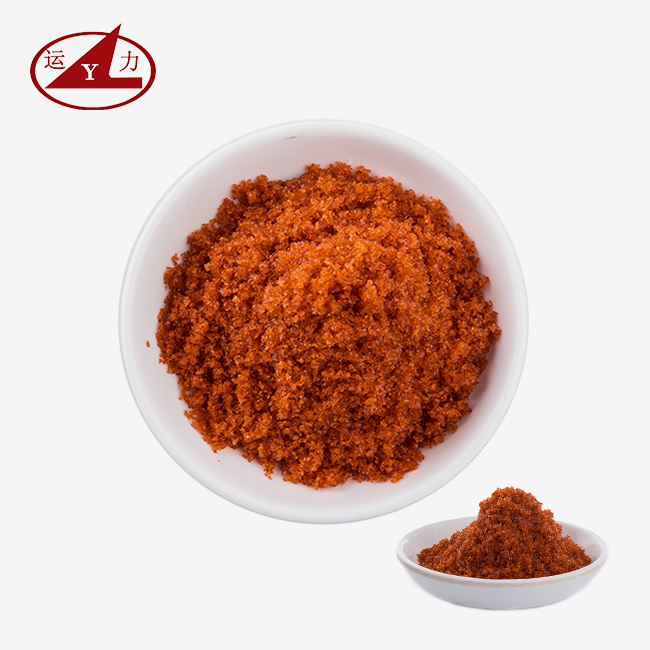
The molecular weight of Ferric Nitrate nonahydrate is 404.01 g/mol, and its freezing point is 47.2°C. It looks like purple crystals that are melting. Because it dissolves easily in water, ethanol, and methanol, it can be used quickly to make solutions in a wide range of commercial settings. Iron in the +3 oxidation state gives up electrons to metallic silver during the etching reaction: 3Ag + Fe³⁺ → 3Ag⁺ + Fe²⁺. This gives the combination its oxidizing power. This way of moving electrons makes clean, reliable etch profiles that don't have the rough attack patterns that come with mineral acids. This controlled reactivity is liked by technical engineers because it keeps physical limits that are important in making circuit boards and fine jewelry.
Advantages Over Competing Etchants
When buying teams look at etching agents, they usually focus on three things: accuracy, substrate compatibility, and how hard it is to handle waste. Even though ferric chloride is easy to find, it adds chloride ions to wastewater that damage stainless steel processing equipment and make it harder to neutralize wastewater. Even though ferrous nitrate is cheaper per kilogram, its scratch rates aren't always constant because it has a lower oxidizing potential. Ferric Nitrate nonahydrate is the best of both worlds because it removes materials evenly without adding halides, which break down equipment. Environmental compliance officers like that used Ferric Nitrate solutions break down into iron oxides and nitrogen oxides instead of the lingering halogen residues that make RCRA rules more expensive to get rid of.
Storage and Safety Protocols
Users in industry need to be aware of this material's ability to absorb water and oxidize. To keep things from melting too quickly, they should be stored in sealed cases in climate-controlled spaces below 25°C. Because the substance is irritating to the skin, it must be handled with rubber gloves and eye protection. Labels should have to meet GHS standards, and the specs for purchases should include MSDS documents that explain what to do in an emergency. Automated dispensing systems keep batch-to-batch stability, which is what sets trusted sellers apart from commodity vendors, and they are useful for facilities that deal with large amounts of tonnage.
Step-by-Step Method to Etch Silver Using Ferric Nitrate
Solution Preparation and Concentration Control
To get consistent etching results, you must first make sure that the solution is correct. Dissolve enough deionized water in Ferric Nitrate nonahydrate to get a usable concentration of 20–40% by weight. You can change this amount depending on how fast you want to etch and how smooth you want the surface to be. Higher amounts help remove material faster, but they might make it harder to define edges in fine-feature uses. By keeping the temperature stable between 20°C and 25°C, the reaction rates stay the same from one production run to the next. Businesses that care about quality use conductivity meters to check the strength of the solution. This makes up for the fact that evaporation losses change the concentration of ions over long periods of time.
Pre-Etch Surface Preparation
Before submerging, silver surfaces need to be cleaned thoroughly to get rid of grease and oxide. Hydrocarbon residues that make uneven scratch patterns can be removed by ultrasonic cleaning with mild alkaline soaps. A quick rinse in a weak citric acid solution (2–5% strength) gets rid of any tarnish without adding any new dirt. This preparation step is especially important in electronics, where leftover organics can make it impossible for the solder mask to stick later on. When production engineers check the failure rate, they often find that inconsistent results are caused by bad pre-treatment procedures instead of the etching chemicals itself.
Application Techniques and Process Parameters
There are three main methods that are used in different business situations:
Immersion Etching: Put silver pieces into Ferric Nitrate baths that are kept at a steady temperature and stir them around. Continuous solution movement through recycling pumps keeps the distribution of ions even and stops depletion zones from forming in certain areas. Etch speeds are usually between 0.5 and 2 micrometers per minute, but they can be different based on the temperature and concentration. This way of doing things works well for tasks that handle a lot of parts at once.
Spray Etching: Use groups of nozzles to direct streams of atomized solution onto silver surfaces. The mechanical action of droplet impact speeds up the removal of material while lowering the amount of fluid needed for each part. Aerospace companies like this method for big screens where the size of an immersion tank would not work.
Brush Application: Etchant can be applied by hand or automatically to certain areas, allowing for the creation of selective patterns. This managed method is used by jewelry makers to protect nearby shiny surfaces. To make sure that everyone follows the same steps, the process documents should list dwell times (usually 30 seconds to 3 minutes) and the number of application rounds.
Managing temperature has a direct effect on the quality of the result. When water temps are raised from 20°C to 35°C, etch rates double, but the process window for fine-feature work gets smaller. Companies that want to reach six-sigma quality standards buy tanks with thermostats that keep the temperature stable within ±2°C.
Post-Etch Processing and Quality Verification
After being taken out of the working solution, immediate neutralize stops the etching process from continuing. Rinse the parts well under running deionized water and then dip them in a 5% sodium bicarbonate solution to get rid of any acid that is still there. Low-temperature convection heaters (below 60°C) or compressed air drying finish the process without adding thermal stress. Inline optical inspection systems use laser profilometry to check that the etch depth is uniform. They send this information back to process control algorithms, which change the settings of the next bath. This closed-loop method lowers the amount of waste and supports the lean manufacturing ideas that supply chain managers value.
Comparing Ferric Nitrate with Alternative Iron Compounds for Etching and Industrial Uses
Performance Benchmarking Against Ferric Chloride
Due to past inertia and lower raw material costs—usually 15–20% less expensive per kilogram than Ferric Nitrate—ferric chloride is widely used. Total cost of ownership estimates, on the other hand, show that there are secret costs. For handling unusual alloys like Hastelloy or titanium, corrosion caused by chloride is needed, and wastewater treatment systems need extra steps to precipitate chlorides before they can be released. Environmental reports are pointing out chlorinated waste streams more and more as compliance risks under stricter standards for industry pretreatment. When buying something, managers should look at more than just the unit price and ask for a lifetime cost analysis. This is because Ferric Nitrate breaks down more slowly, which lowers long-term costs.
Ferrous Nitrate Trade-Offs
Businesses that want to save money sometimes use ferrous nitrate (Fe(NO₃)₂), which costs about 60% less than the ferric form. This savings seems to go away when you look more closely at how it works: iron ions have a lower ability to oxidize, which makes etch cycles take 40–70% longer and introduces batch-to-batch unpredictability. Because the molecule is unstable in air, it spontaneously oxidizes, which changes the chemistry of the solution while it is being stored and makes it harder to keep track of inventory. Because ferrous nitrate makes the process unpredictable, it can't be used in production plants with multiple shifts. This means that it can only be used for low-volume prototyping work where machine utilization rates don't affect profits.
Beyond Etching: Catalysis and Specialty Applications
In chemical companies that are tightly merged, Ferric Nitrate nonahydrate has two uses. Ultra-high-purity grades (≥99.9%) are used by catalyst makers as iron precursors in Fischer-Tropsch and methanol synthesis processes, where chloride pollution below 10 ppm is needed to keep the catalyst from becoming poisoned.
Controlled-chloride formulations (<50 ppm) are used as mordants by textile makers to keep colors in place without breaking down cellulose fibers. This application's flexibility has benefits for procurement: suppliers who can meet multiple grade standards lower the costs of qualifying vendors and combine freight processes. Technical buyers should ask potential sellers if they keep different levels of purity and can give batch-specific Certificates of Analysis that show impurity profiles.
Procurement Considerations: Sourcing High-Quality Ferric Nitrate for Industrial Use
Critical Quality Specifications
Industrial-grade Ferric Nitrate that can be used for precise etching has to meet very high standards of purity. The minimum amount of Fe(NO₃)₃·9H₂O should be 98%, and the total amount of iron impurities should be less than 30 ppm to keep finished silver surfaces from getting discolored. Levels of chloride need extra attention—specifications above 100 ppm pose rusting risks that damage equipment further down the line. If there is more than 100 parts per million of sodium in the system, it can mess up some electroplating processes that happen after etching. Ask for Certificates of Analysis that include these parameters for each production lot. Batch-to-batch consistency is what sets professional-grade providers apart from commodity traders who repackage technical-grade materials.
Navigating Pricing Dynamics and MOQ Constraints
Prices for industrial-grade Ferric Nitrate usually range from $800 to $1,400 per metric ton, but they can change based on the price of nitric acid fuel and the iron ore market. Spot market instability shows how important it is to make yearly supply deals that lock in prices for 12 to 18 months. This way, budget estimates are protected from changes in commodities. Many foreign suppliers have minimum order amounts of 20 to 25 metric tons, which can make it hard for mid-sized businesses to keep their working capital up. When it comes to domestic wholesalers, those with flexible MOQs (down to 500 kg) charge 10-15% more, but their practical flexibility makes up for the extra cost for businesses that need to increase production volumes.
Vetting Suppliers for Reliability and Compliance
Three steps of proof keep the supply line from breaking down. Ask for proof of ISO 9001 certification, which shows that the quality management system is mature. According to ASQ benchmarking data, makers who are qualified have 40% fewer defect cases. Make sure you're following environmental rules by getting ISO 14001 certification.
This shows that you know how to properly handle trash and keeps your audit trail safe in case officials look into your upstream suppliers. Check the expert help by asking for examples of how the vendor can solve problems. For example, can the vendor's chemists suggest changes to concentration for certain alloy compositions? Suppliers who offer on-site application help and free sample testing (up to 500 grams) show that they are committed to more than just a business relationship. They build the partnerships that are the basis for long-term buying success.
Conclusion
Using Ferric Nitrate nonahydrate to etch silver gives current industry processes the accuracy, consistency, and environmental friendliness they need. Technical buyers have an edge over their competitors when they know how chemical purity, correct application methods, and source stability all affect the overall cost of a process. Compared to chloride-based options, this substance is a better choice because it breaks down cleanly, has a controlled oxidizing strength, and can be used with current infrastructure. When rules get stricter and people expect higher quality, buying choices that are based on lifecycle cost analysis instead of unit price comparisons help keep production going and keep profit margins high.
FAQ
Q1: Is ferric nitrate safe for regular industrial use?
A: When treated safely according to standard chemical safety rules, Ferric Nitrate doesn't cause too many problems. Avoid getting the substance on your skin or eyes by wearing nitrile gloves and safety masks. To avoid exothermic reactions, keep containers in well-ventilated places that are away from organic materials. According to OSHA 29 CFR 1910.151, facilities that handle tonnage amounts must put in automatic filling systems and eyewash stations within 10 meters of work areas.
Q2: Can spent etching solutions be recycled?
A: Silver that has been dissolved in Ferric Nitrate baths still has economic value. At cathodes, electrochemical recovery devices form silver ions, which regenerate the ferric species so that it can be used again. This closed-loop method cuts down on the amount of raw materials needed by 30–50% while also recovering valuable metals that help cover the costs of processing. Environmental experts say that solution research should be done on a regular basis to keep an eye on iron oxidation state ratios, since too much ferrous buildup slows down the etching process.
Q3: What documentation should accompany bulk orders?
A: Reliable sources give out Certificates of Analysis that show how much Fe(NO₃)₃·9H₂O is in each production lot, as well as the amounts of impurities like chloride, sodium, and heavy metals. Safety Data Sheets that meet the latest GHS version standards make it possible to properly communicate hazards. Manufacturers who are ISO 9001-certified include tracking paperwork that connects batch numbers to the sources of raw materials. This helps find the root cause of quality problems that happen during production runs.
Partner with Yunli Chemical for Reliable Ferric Nitrate Supply
Since 2005, Yunli Chemical has been making high-purity Fe(NO₃)₃·9H₂O for electronics makers, surface treatment experts, and catalyst makers all over the world. Our technology center at the provincial level offers customized purity grades ranging from standard 98% to ultra-high 99.9%, along with impurity controls that are made to fit the needs of your unique application. As a recognized producer of Ferric Nitrate with ISO 9001, ISO 14001, and OHSAS credentials, we promise batch consistency backed by full COA documentation and MSDS compliance.
We offer a range of flexible packaging choices, from 25 kg PE bags to ISO tank containers, to meet the needs of businesses of all sizes. Additionally, our zero-MOQ sample program lets you try our products without any risk. Distributors don't have to add markups to direct factory prices, and our self-run export division makes sure that there is clear contact throughout the whole buying process. Get in touch with our expert team at wangjuan202301@outlook to talk about customizing the concentration, setting shipping dates, and negotiating volume discounts that work with your production plan.

References
1. Industrial Metal Etching Handbook, 4th Edition, Society of Manufacturing Engineers, 2021.
2. Comparative Study of Iron-Based Etchants for Precision Silver Processing, Journal of Electronic Materials Processing, Vol. 48, 2020.
3. Chemical Safety and Hazard Management in Surface Treatment Operations, American Chemical Society, 2019.
4. Lifecycle Cost Analysis of Industrial Etchants: Economic and Environmental Considerations, International Journal of Sustainable Manufacturing, Vol. 15, 2022.
5. Quality Management Systems for Chemical Procurement in Electronics Manufacturing, IEEE Transactions on Components and Packaging Technologies, 2021.
6. Ferric Nitrate Applications in Catalysis and Materials Science, Royal Society of Chemistry Advances, Vol. 11, 2020.