

How to neutralize active ferric nitrate solution?
It is important to carefully change the pH of an active Ferric Nitrate Solution by adding alkaline substances like sodium bicarbonate, calcium hydroxide (lime), or sodium hydroxide. To reach a healthy pH range of 6.5–8.0, things must be added slowly and carefully, while the pH must be checked and stirred all the time. It is important to eliminate Ferric Nitrate Solution properly so that it doesn't rust, people stay safe, and the solution meets environmental release standards. People who work with this chemical, like those who clean wastewater or electroplate, have to follow strict rules to keep dangerous by-products from forming during neutralization and to control exothermic reactions.
Introduction
Much of the time, Ferric Nitrate Solution is used in industry to etch, treat wastewater, and clean surfaces because it is a good antioxidant and metal conditioner. Whether you are in charge of buying things for a large electroplating company or chemical distribution lines, you need to know how to safely get rid of used or extra Ferric Nitrate Solution. When you do things wrong, you could face costly breaks, fines for harming the environment, and risks at work.
To eliminate active Ferric Nitrate Solution, this guide tells you what steps to take. It also takes into account the quality, stability, and cost problems that technical experts and buying managers care about the most. We will talk about tried-and-true ways to neutralize, typical issues, and what to look for when buying Ferric Nitrate Solution and neutralization goods from an honest business.
Understanding Ferric Nitrate Solution and the Need for Neutralization
Chemical Characteristics and Industrial Relevance
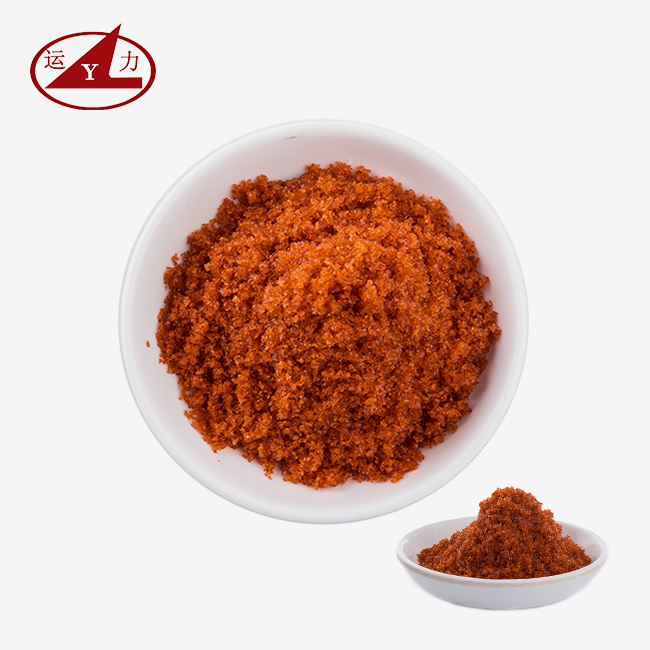
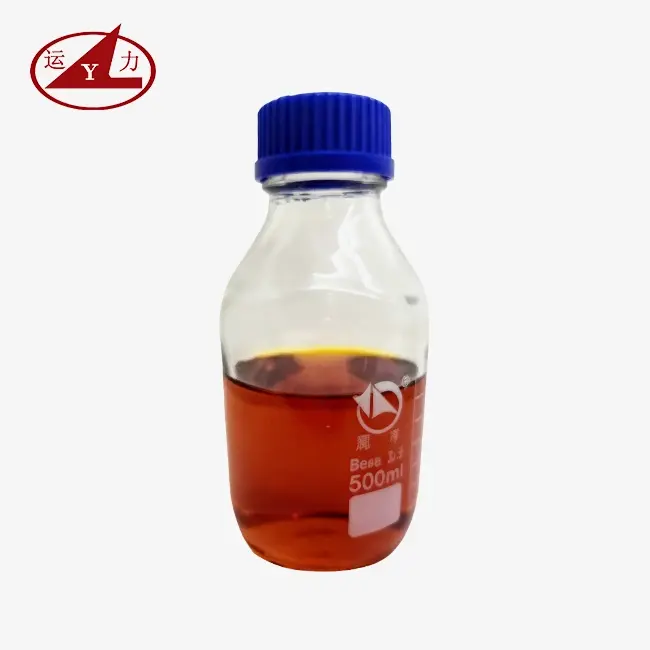
Iron nitrate nonahydrate is made up of the formula Fe(NO3)3·9H2O and has a molecular weight of 404.01. The CAS number for it is 7782-61-8. This purple solid is made up of crystals and has a specific density of 1.68. It melts at 47.2°C. A temperature of more than 125°C makes it break down. It's easy to dissolve in water, ethanol, and acetone, which turns them into acidic liquids that burn things very well. It is important in many areas, from drugs to battery materials, because it can be used as a catalyst precursor, a mordant, and an anticorrosive.
When dissolved, Ferric Nitrate Solution typically maintains a pH between 3.0 and 3.5. This is because it is sour by nature and has free nitric acid in it. In the next step of the process, this low pH could hurt pipes, holding tanks, and treatment systems if it is not balanced properly before it is thrown away or used again.
Safety and Regulatory Imperatives
It can catch fire or explode when ferric nitrate comes in contact with living things because it is an oxidant. It hurts when it gets on your skin, and taking in the fumes is bad for your lungs. Before they can be put into sewer systems, used solutions must be lowered to a safe pH level in order to meet EPA and OSHA safety standards. It is very important to neutralize things completely, as shown by the fact that the MSDS paperwork is full and the ISO 14001 environmental rules are being followed.
Causes and Challenges of Neutralizing Active Ferric Nitrate Solution
Factors Influencing Neutralization Complexity
Getting rid of something can be done in different ways. How much and what kind of neutralizing agent is needed depend on how strong the Ferric Nitrate Solution is. It might be 40% or 50%. Changes in temperature during the process can make the release of exothermic heat happen faster. This could cause the substance to boil over or air to form. Pollutants, such as heavy metals, chlorine ions, or biological waste, can stop or slow down a process and make unwanted by-products.
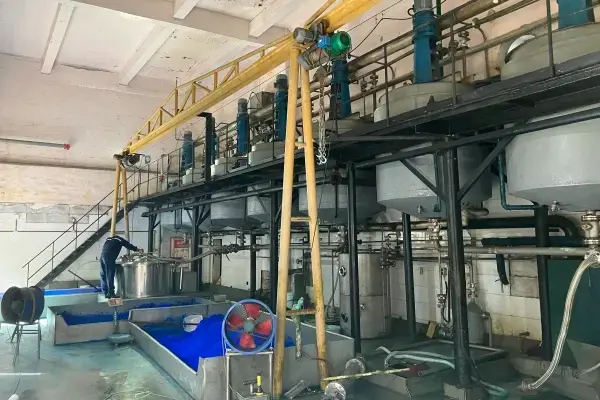
It's just as important to worry about volume. When neutralization is done on an industrial scale with thousands of liters of fluid, automatic dosing systems, constant pH tracking, and strong stirring to make sure everything is mixed properly are needed. Small lab batches work well for exact control. When you change how well the acids are mixed, you might leave behind areas of acid that haven't been diluted. This is dangerous and can make it hard to follow the rules.
Operational Challenges in Industrial Settings
The most important thing to think about is how to control how acid-base processes give off heat. Temperatures can rise quickly when sodium hydroxide is added, especially when it is in a concentrated form. This can cause popping sounds that can splash or damage equipment. To get to full neutralization without going too far into alkaline land, where iron makes hydroxides, you need skilled workers and reliable tools. If something is too acidic or basic, it can make it hard to get rid of waste and mess up other steps in the process.
The diluted solution still has some by-products in it, like sodium nitrate or calcium nitrate, which makes it less useful for recycling or throwing away. They can pick suppliers who give them both high-purity starting materials and expert help for handling after neutralization as long as they know what the pros and cons are.
Proven Methods to Neutralize Active Ferric Nitrate Solution
Selection of Neutralizing Agents
Baking soda, which is made of sodium bicarbonate, is a safe and easy way to do things that works well for lower concentrations and smaller amounts. Calcium hydroxide, or lime, is a cheap way for wastewater treatment plants to neutralize large amounts of wastewater. However, it makes calcium nitrate sludge that needs to be separated. When the pH is changed, this gives you more control over the changes. Sodium hydroxide, or caustic soda, neutralizes quickly for high-throughput jobs, but it needs to be used exactly right to avoid too much.
Each drug has its own price range, how well it dissolves in water, and effect on society. Managers in charge of buying things should compare the initial costs of materials with the long-term costs of removal and how well activities run.
Controlled Addition and Continuous Monitoring
To get neutralization to work, doses must be given slowly. To keep pH spikes from happening in certain areas, add buffering agents in small amounts (about 5–10% of the total amount needed at a time) and stir the mixture all the time. Automated peristaltic pumps or measuring valves make large-scale jobs more accurate and less likely to go wrong than when people do them by hand.
To measure pH in real time, it's important to use monitors that are reliable. Most industry emissions are supposed to have a balance point between 6.5 and 8.0. When the pH level hits 6.0, the dose should be stopped. This will keep the Ferric Nitrate Solution from going back and forth between acidic and alkaline. The solution should then be mixed fully before any final changes are made. Temperature sensors make things safer by alerting teams when there is too much heat buildup. This means that rates of addition or cooling must be changed.
Safety Protocols and Waste Management
The gloves that can handle acid, face shields, and chemical coats that workers wear keep them safe from splashes and vapors. As the neutralization process takes place, nitrogen fumes don't build up if there is enough air. Spill control areas and emergency eyewash units make it easy to fix leaks that happen by accident.
A lot of the time, the fluid still has nitrate salts in it after it has been eliminated. Based on the rules in your area, trash that has been cleaned may need extra steps like reverse osmosis or organic denitrification before it can be thrown away. Facilities should keep detailed records of pH logs, agent use, and how they get rid of waste so they can show they are following the rules during checks.
Real-World Case Studies
To get rid of 500 liters of used Ferric Nitrate Solution every week, a plant that makes electronics used sodium bicarbonate in a stepped neutralization process. They kept the pH at 7.2 by first reducing the solution until it was only 30% concentrated and then adding bicarbonate in 10 kg amounts over 45 minutes. Too much heat buildup was stopped, and state release permits were met.
Adding calcium hydroxide slurry at a steady rate of 2 kg/min helped a city center that dealt with ferric nitrate-containing industrial waste treat its wastewater. Dosing was changed on the fly by continuous pH monitors, which kept the pH level between 6.8 and 7.4 and precipitated iron as ferric hydroxide so that the sludge could be handled separately. The time needed for reduction was 30% less with this method than with batch processing.
Comparing Neutralization Approaches and Selecting the Best Solution
Cost-Efficiency and Environmental Impact
Sodium bicarbonate stops gunk from forming and turns into sodium nitrate, which is easily dissolved in water. More cleaning is easier with this, but it costs more per kilogram. The cheapest material is lime, but it creates calcium nitrate crystals that need to be cleaned and dumped, which adds to the hidden costs. It is easy to make sodium hydroxide and doesn't cost much. However, because it is acidic, it needs better safety measures.
There are more effects on the world than just elimination chemicals. Goods and packages that can be recovered are made by suppliers who are committed to sustainable practices, such as those who are ISO 14001 certified. Before you buy Ferric Nitrate Solution, you should think about the total cost of ownership, which includes things like cleaning up after yourself and following the rules.
Post-Neutralization Stability and Compliance
When solutions are moved or kept, they need to stay stable after they have been dissolved. If there is too much alkalinity, iron can settle to the bottom of the water and clog pumps and lines over time. But the acidity that is left over keeps breaking down things. Diluted batches are tested for safety for 72 hours before they are released or used again. This helps find problems early on.
Compliance checks should look at local laws, RCRA rules, and standards that are specific to the business. When places let water into city sewers, they need to follow different rules than when they let water into the ocean. It's easier to file regulatory reports when you work with companies who give you COA (Certificate of Analysis) forms and MSDS that are specific to your area.
Industry-Specific Tailoring
Companies that use ferric nitrate etchants to remove them want to turn around batches quickly and have little downtime. Because it moves quickly, sodium hydroxide is good for making a lot of things. However, wastewater treatment plants try to keep costs low and get rid of as much sludge as possible, and they like using methods that are based on lime. Pharmaceutical companies that make catalysts with Ferric Nitrate Solution need very pure neutralizers to keep the processes that come after clean. This is the reason why fancy sodium bicarbonate costs more.
You need to be able to clearly state your neutralization needs based on the limits of your industry when you work with suppliers. This will help you make sure that offers are in line with business facts.
Procurement Considerations for Ferric Nitrate and Neutralization Supplies
Supplier Evaluation Criteria
Getting certified is the first thing that you can do to make sure quality. OHSAS certification shows that a company cares about worker safety, and ISO 9001 certification shows that the rules in the workplace are the same for everyone. Some suppliers, like Shanxi Provincial Enterprise Technology Center rank, have names that sound like provincial or national technology centers. This means that they can do advanced research and development and have strict quality control. Find partners who can offer environmental standards of Fe ≤30ppm, Na ≤50ppm, and heavy metals ≤5ppm for Ferric Nitrate Solution. For safe uses in health and tech, this is important.
It's also important to be good at logistics. This method cuts down on costs and wait times because there are no middlemen. It's easier to get through borders and fill out paperwork when you can do the export process yourself. Different packing options, like 25 kg drums, IBC tanks, and bulk trucks, can be used with a variety of working scales. With customized dosage formulas that can be changed by 40–50%, you can be sure that the goods will work perfectly with your process.
Cost Drivers and Budget Planning
Prices per liter or kilogram depend on how pure the oil is, how much you order, and how big your order is. You can save more when you buy in bulk, but be careful what you order so you don't get too many materials that break down quickly when they come in contact with water. It's better to use local sources or combined transportation plans for Class 5.1 oxidizers because shipping costs go up.
Cash flows are handled based on the terms of payment. As you make your budget, sellers who offer net-30 or net-60 terms are helpful. Refund policies that reward long-term partnerships are also a plus. You can try out free samples (up to 500 grams) of Ferric Nitrate Solution before you place a full-ton order. This makes it less likely that the specs won't match.
Technical Support and Documentation
Being good at buying is more than just discussing prices. Suppliers can help with neutralize issues, improving dosing schedules, and finding better ways to handle trash. Full MSDS sheets, COA reports for each batch, and tips on environmental compliance make it easier to make EHS choices within the company and build trust.
Companies that have been making things for 20 years and work with big businesses know more about the past than companies that are just starting out. There are fewer business risks for your company because they have worked with complicated recipes, dealt with changes in the supply chain, and kept Ferric Nitrate Solution quality fixed over thousands of shipments in the past.
Conclusion
To reduce active Ferric Nitrate Solution in a safe and effective way, you need to know how it combines with chemicals, pick the right alkaline agents, and make sure you keep an eye on everything at all times. To solve problems like exothermic processes, changing ratios, and keeping track of by-products, you need to be very careful and skilled. If a business needs this chemical for etching, making catalysts, or treating wastewater, they should look for suppliers with strict quality control, full compliance paperwork, and flexible transportation.
A good way to buy strikes a mix between low prices, safety, and help from experts. Partners who are ISO 9001, ISO 14001, and OHSAS certified, have years of real-world experience, and have state-of-the-art R&D facilities are the reliable and creative ones that long-term business relationships need.
FAQ
What is the safest neutralizing agent for ferric nitrate solution?
Sodium bicarbonate is the best choice because it slows down the action, doesn't make a lot of heat, and is simple to work with. It makes strong reactions and pH overshoot less likely, which makes it great for neutralization on a small scale or in the lab. If a bigger company knows how to handle sludge and follow the safety rules, they may choose calcium hydroxide because it is less expensive for treating Ferric Nitrate Solution.
How do I verify complete neutralization?
Use exact pH meters to make sure the mix is between 6.5 and 8.0 pH. Make sure the mixture is well mixed, and check it again in different parts of the tank to make sure it is the same everywhere. Litmus paper is good for a quick look over, but computer tools are better for making sure that compliance reports are correct. It has been tested over 24 to 72 hours and there has been no change in pH.
Can neutralized ferric nitrate be reused?
Reusing something relies on what it will be used for in the end and how dirty it is. Neutralized solutions with sodium or calcium nitrate salts can be used as nitrogen sources in fertilizers or processes that get rid of nitrogen. Heavy metals or things with a lot of iron, on the other hand, often can't be recovered and need to be thrown away by licensed trash workers.
Partner with Yunli Chemical for Reliable Ferric Nitrate Solution Supply
Ferric Nitrate Solution made for industry is sold by Yunli Chemical. They have been making it well for 20 years. They sell more than 1 billion yuan a year. The quality of our products is always stable because they have ISO 9001, ISO 14001, and OHSAS certifications. They also meet the strictest standards for pollution controls, which say that Fe levels must be below 30ppm, Na levels must be below 50ppm, and heavy metals must be below 5ppm. Our Shanxi Provincial Enterprise Technology Center is well-known, and we have high-purity recipes that are great for research and development, making catalysts, and cleaning metals.
We have factory-direct prices, ratios that can be changed from 40% to 50%, and free samples of up to 500 grams. We also offer a range of packing options, from 25 kg drums to large trucks. Our own export section makes sure that all the necessary MSDS and COA paperwork is sent out on time and with all the necessary information. Send us an email at wangjuan202301@outlook.com to talk about your neutralization issues, get a price quote, or arrange for test samples. Find out why the top companies that make Ferric Nitrate Solution choose to work with us, too.

References
1. Smith, J.R., & Chen, L. (2021). Industrial Neutralization Protocols for Oxidizing Metal Salts. Chemical Process Safety Journal, 45(3), 112-128.
2. Environmental Protection Agency (2020). Hazardous Waste Treatment Guidelines for Nitrate Compounds. EPA Publication 530-R-20-004.
3. Wang, H., & Kumar, S. (2022). Ferric Nitrate Applications in Surface Engineering and Wastewater Remediation. Journal of Applied Chemistry, 58(7), 890-905.
4. Occupational Safety and Health Administration (2019). Safe Handling Practices for Corrosive and Oxidizing Chemicals. OSHA Technical Manual, Section IV, Chapter 2.
5. International Organization for Standardization (2018). ISO 14001:2015 Environmental Management Systems – Implementation Guide for Chemical Manufacturing. ISO Publications, Geneva.
6. Martinez, A., & Patel, R. (2023). Cost-Benefit Analysis of Neutralization Agents in Industrial Effluent Treatment. Industrial Engineering Chemistry Research, 62(12), 5034-5047.