


Is cobalt nitrate soluble in water?
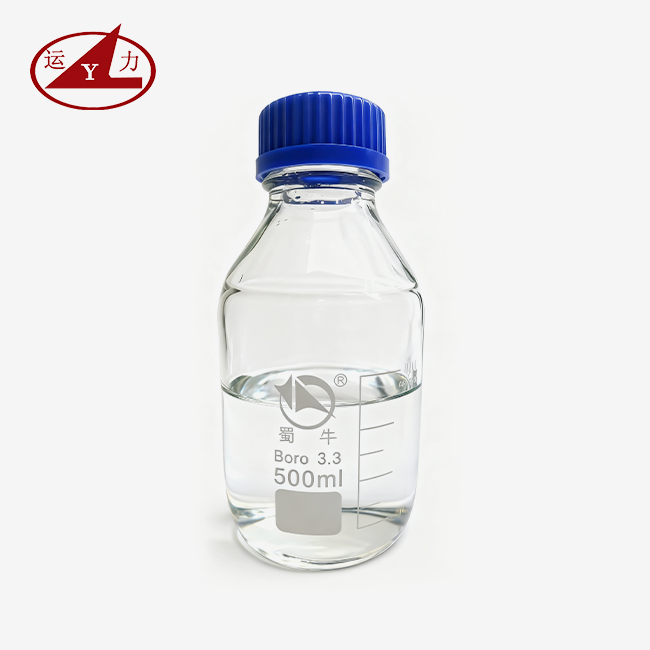
Cobalt Nitrate is very easy to dissolve in water. Cobalt Nitrate Hexahydrate (Co(NO₃)₂·6H₂O), which is the most common form, turns into a reddish-brown solution when mixed with water. Because it is easy to dissolve in acetone and ethanol, it is used as a starting material in many industrial processes, such as making catalysts and battery materials. These people need to know how solubility works because they are in charge of chemicals, making sure mixtures work well, and keeping an eye on quality throughout the manufacturing process.
Understanding Cobalt Nitrate: Properties and Chemical Nature
Chemical Identity and Physical Parameters
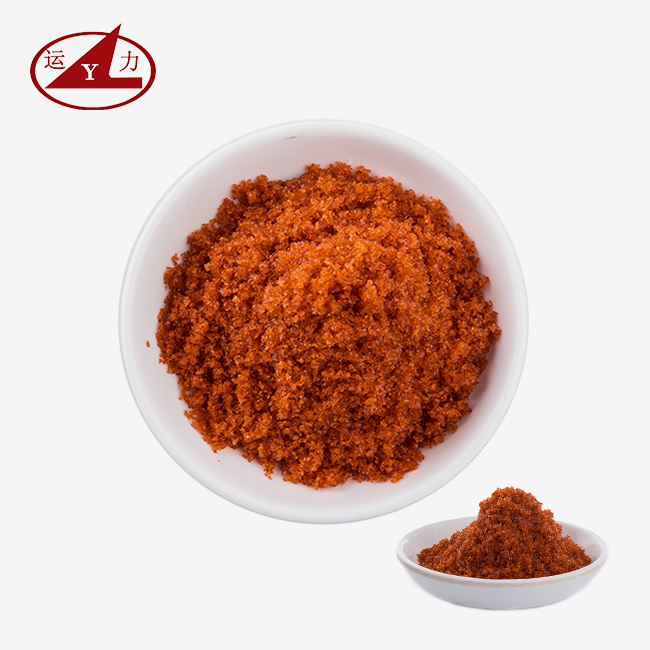
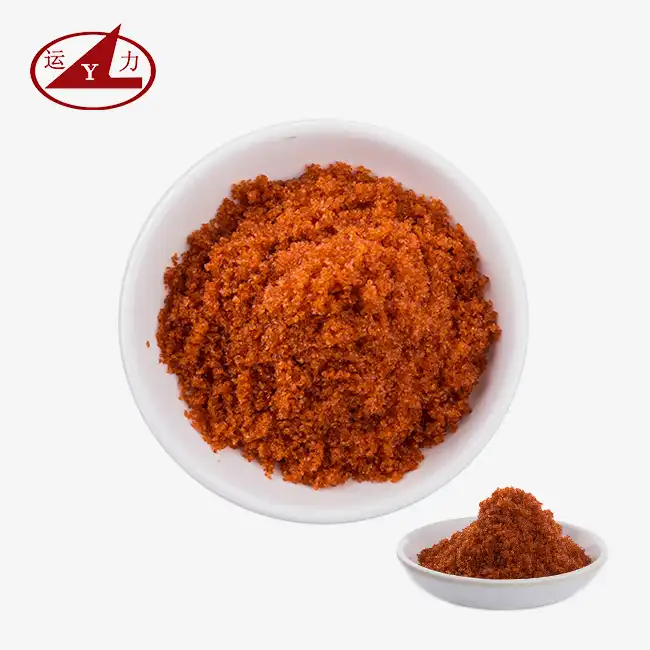
Cobalt Nitrate Hexahydrate is what this is. Its CAS number is 10026-22-9 and its formula is Co(NO₃)₂·6H₂O. The molecular weight of it is 291.03 g/mol. Tiny red-brown crystals or grains make up this chemical. It melts at 55–56°C, which is very cold, and has a specific density of 1.88 g/cm³. When you handle the material, these physical qualities will help you keep certain things in mind. If the material has a low melting point, it may soften or cake together during shipping in the summer or in hot countries. This can make automatic dose systems less effective. The warm-orange color makes it clear that the item is what it claims to be when it is being reviewed, which is the first quality check before it is sent to a lab to be proven.
Temperature Dependence and Physical State Transitions
It is easy for Cobalt Nitrate Hexahydrate to take in water from the air because it is hygroscopic. When it gets wet, this makes it stick together or even dissolve in its own clear water. Because of this, the things need to be kept in a climate-controlled area where the humidity level stays below 60%. While being shipped, changes in temperature can cause some melting. If the touch is short, though, this physical change usually doesn't affect the chemical purity.
These things must be taken into account by buying teams when they decide what kind of packing is needed. For example, paper bags with moisture barriers or boxes that are sealed with heat are no longer choices; they are required. It's great that the material breaks down quickly in water and doesn't leave any residue behind. This is really important for processes that need precise doses of volume in reactors.
Safety and Storage Guidelines
Cobalt Nitrate can start fires and blasts when it comes in contact with organic chemicals or reducing agents (UN 1477). This is because it is an oxidizing agent. The EPA and OSHA say that storage places must keep this stuff away from things that can catch fire or are flammable. This chemical is dangerous if you eat it, take it in, or get it on your skin. This means that you have to follow strict rules when you wear chemical-resistant gloves, safety masks, and breathing protection in places where air flow is low. When you get Material Safety Data Sheets (MSDS) and Certificates of Analysis (CoA) from sources, they should list the dangers, how to give first aid, and how to get rid of the material. Businesses that use ISO 14001 environmental management systems or that have to follow strict state rules in Massachusetts, New Jersey, or California need to keep a lot of paperwork.
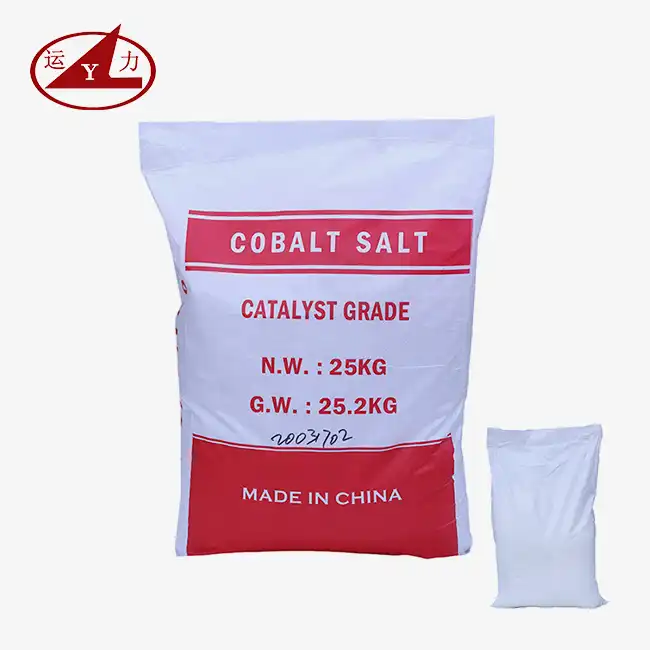
Is Cobalt Nitrate Soluble in Water? Scientific Insight and Practical Implications
Complete Solubility Profile Across Solvents
It is very easy for the hexahydrate form of Cobalt Nitrate to dissolve in water at room temperature. This makes safe solutions that can be used right away. It doesn't just dissolve in water; it also dissolves in acetone and ethanol, which gives formulators more choices for different uses. Different from Cobalt Carbonate or Cobalt Oxide, which can only dissolve in acidic or hot conditions, this one can dissolve in a wide range of solutions. When the purchasing manager gets things to make a wet impregnation catalyst, the things will dissolve right away, so they won't need any extra tools or more time to mix them. The boss won't have to spend as much on cash, and it will be easier to run the process.
Temperature Impact on Solubility and Manufacturing Relevance
There is no need to heat Cobalt Nitrate before it dissolves completely at room temperature. This means that a strong solution can be made at high temperatures and will stay stable even after it cools down. This trait is useful when strong Cobalt Nitrate solutions are mixed with nickel and manganese nitrates to make battery intermediates. The influence on weather changes every year as well. Shipping in the winter is better for preventing caking than shipping in the summer. If you don't have a lot of climate-controlled storage room, you may need to change how and when you buy things.
Solubility's Role in Process Efficiency and Product Quality
The speed at which Cobalt Nitrate dissolves has a direct effect on how well the process cleans metal. Electroplating plants that make baths with Cobalt Nitrate can meet their production goals in minutes instead of hours. This means they don't have to wait as long between production runs. Full solubility makes sure that the Cobalt Nitrate is spread out evenly in glaze formulas when making pottery colors. This keeps finished goods from having spots or different shades of color. When a catalyst maker in the Midwest switched from Cobalt Carbonate to Cobalt Nitrate Hexahydrate, it cut the time it took to make a batch by 30%. This shows that better stability is useful in the real world.
Comparative Insights with Cobalt Sulfate and Cobalt Chloride
It works the same way when mixed with water, but it adds sulfate ions that could make some uses less useful. This is especially true when making battery cathodes, because sulfur pollution makes the electrochemical system work less well. It is also possible for Cobalt Chloride to dissolve, but chloride ions are very strong and can damage stainless steel tools. If you heat Cobalt Nitrate, it breaks down completely, leaving only oxides behind and no sulfur or chemicals. This makes it the best choice for high-purity uses in pharmaceutical intermediates and electronic materials. When keeping them, different things need to be thought about. Cobalt Sulfate doesn't absorb water as easily, so it can be kept at room temperature. On the other hand, Cobalt Nitrate needs to be kept in more controlled conditions, which changes the choices that are made about the warehouse's structure.
Comparison of Cobalt Nitrate with Related Compounds for Procurement Decisions
To pick the best Cobalt Nitrate material, you need to think about how well it dissolves, how pure it needs to be, how much it costs, and how well it works in a certain situation. Cobalt Nitrate Hexahydrate, Cobalt Sulfate Heptahydrate, Cobalt Chloride Hexahydrate, and dry Cobalt Nitrate are the main products that compete with each other in many business settings. Cobalt Sulfate costs about 15% to 20% less per kilogram, but it can contain sulfur, which can make it unsafe to use in certain ways. Sulfate is less expensive, which makes it a good choice for vitamins in farming or for making less expensive ceramics. But people who buy things for making batteries or catalysts always choose Cobalt Nitrate, even though it costs more per unit, because it gives better results with fewer production losses.
Cobalt Chloride costs about the same as sulfate, but it can rust machinery, which can cost more to fix and could stop production. Chemically, nickel nitrate and Cobalt Nitrate are alike, but they are used for different things in nickel-rich battery chemistries. Nickel nitrate can't be used in place of Cobalt Nitrate in formulas that need certain electrical properties. Most of the time, the hexahydrate form of Cobalt Nitrate is used in trade because it is easier to work with than the dry forms, which dissolve in air and attract water.
When deciding what to buy, it's useful to think about both the purchase price per ton and the total cost of ownership, which includes things like infrastructure upkeep, trash treatment, and quality control testing. The number of providers also affects the choices that can be made. For instance, the production of Cobalt Nitrate is centered in fewer places around the world than the production of sulfate. This could affect wait times and supply security during market breakdowns.

Procurement Considerations for Bulk Cobalt Nitrate Purchases
Supplier Evaluation and Compliance Documentation
To find reliable Cobalt Nitrate providers, you should look at how well they can make the product, how well they control quality, and how well they follow the rules. Manufacturers who have been in business for a while keep ISO 9001 certification for quality management, ISO 14001 certification for environmental standards, and OHSAS 18001 certification for safety at work. With these certificates, you can be sure that the way the goods are made stays the same every time and that they will always work. Each item should have a Certificate of Analysis sent with it.
In these, the pH levels, trace metal levels (especially iron, which should stay below 30 ppm for high-grade uses), and purity levels should all be written out. When you place an order, you must include a Material Safety Data Sheet that meets the requirements of the EPA and the OSHA Hazard Communication Standard (29 CFR 1910.1200). These sheets must always be easy for building safety programs to find.
Pricing Structures and Volume Considerations
The cost of Cobalt Nitrate Hexahydrate changes based on the cost of Cobalt metal. However, for extra-large amounts (more than one metric ton), the cost is usually around $15 to $25 per kilogram for scientists. The most expensive grades are 4N, which is 99.999% pure. They cost $30 to $45 per kilogram more than other grades, but they are needed for technology and medicine that need to strictly control impurities. Most of the time, volume discounts start at five tons of sales. For yearly orders over twenty tons, savings of eight to twelve percent are possible.
Teams in charge of buying things should talk about how to set prices in a way that takes into account how unstable the Cobalt Nitrate market is. They might want to talk about Cobalt Nitrate metal price tracking in order to keep long-term costs fixed. When you buy from a well-known company, they may accept trial orders as small as 25 kg and give away samples of up to 500 grams for free, so you can see how the process works before you buy a lot.
Logistics and Regulatory Shipping Requirements
Because Cobalt Nitrate is an explosive (UN 1477, Class 5.1), it has to follow rules about how to move dangerous goods. For ground transportation in the US, packages must be DOT-compliant, drivers must have the right licenses to carry dangerous goods, and cars must have the right signs. When exporting goods internationally, they have to follow IMDG rules for sea freight or IATA rules for air transport. This makes the costs of handling much higher.
When buying from Asia-Pacific sources outside of Asia, the lead time is usually between 8 and 12 weeks, and when making something locally, it's usually between 4 and 6 weeks. So, planning your inventory is important to find the right mix between the costs of having stock and the chance of running out. Buildings that store oxidizers must follow fire code rules. For example, they must keep them away from materials that don't work with them and have enough air flow. To avoid these shipping issues, it is best to deal with sellers who can send more than one nitrate substance at the same time. Through economies of size, this makes it cheaper to ship each unit.
Best Practices in Handling, Storage, and Safety for Cobalt Nitrate
Since the product's identity needs to be kept safe and clean from the time it is brought until it is used, strict rules must be followed. Places where things are stored should have temperatures below 25°C and relative humidity below 60% so that moisture doesn't soak in and form a crust. Spills can't happen because of secondary control systems, and the risk of fire or explosion is lower because flammables, biological materials, and reducing agents are stored in separate areas. It's very important to pick the right carrier. Fiber drums don't keep out wetness as well as high-density polyethylene drums with tight-sealing lids. This means that goods can stay fresh for up to eighteen months if they are stored properly.
The most Cobalt Nitrate that OSHA allows is 0.1 mg/m³ over the course of 8 hours. These limits need to be written into safety rules for the job. The amount of dust that gets into the air during material handling is kept low by technical controls such as local exit ventilation at transfer points. Chemical safety glasses with side guards, rubber gloves that don't react with burning chemicals, and NIOSH-approved respirators for when air flow isn't enough are all examples of personal protective equipment.
Employees should be taught how to clean up spills in an emergency, how to sort trash correctly, and how to recognize signs of exposure like skin and lung irritation. The Clean Water Act says that Cobalt Nitrate is a major pollution, so it has to be cleaned up before it can be put into local water systems. Environmental compliance includes getting licenses to dump garbage. These strict safety and environmental rules not only make sure that the rules are followed, but they also keep workers healthy and lower their chances of being charged.
Conclusion
Cobalt Nitrate is a good chemical building block that is easily dissolved in water. It is used in many industrial processes, such as making catalysts, battery materials, and surfaces. If you know how the compound dissolves, how to handle it, and where to buy it, you can make smart decisions that combine the need for efficiency with the security of the supply chain and the cost of doing business. When it comes to purity, working speed, and compliance with equipment, Cobalt Nitrate is very different from other cobalt salts. These differences make a big difference in how much it costs to own after the original price. For buying strategies to work, they need to carefully check all papers, find qualified sellers, and form long-term partnerships with makers who always meet legal and quality standards. These methods keep the production going and make sure that the high quality standards needed by markets that are very competitive are met.
FAQ
Q1: How does temperature affect cobalt nitrate solubility in industrial processes?
A: Cobalt Nitrate is easier to dissolve when the temperature is high. This lets you make solutions that are too full to mix and stay solid even when they cool down slowly. You can use this trait to make concentrated stock solutions and stiffening methods that work well. When it's close to 55°C, on the other hand, packaging can break down too quickly during summer shipping, making it hard to handle when you get it.
Q2: Can cobalt nitrate solutions be mixed with other metal nitrates without precipitation?
A: Nickel nitrate, manganese nitrate, and aluminum nitrate all mix well with Cobalt Nitrate in water. And because of this, it is great for co-precipitating multiple metal oxides to make battery cathodes. Be careful when you mix something with sulfates or chlorides, because competing anions can change how precipitation works or bring pollution to places that shouldn't have it. A small test of compatibility is done in the lab before the answer is put into production to make sure it stays stable.
Q3: What documentation verifies cobalt nitrate quality for regulated industries?
A: A Certificate of Analysis with trace metal analysis by ICP-MS or atomic absorption spectrometry is needed for uses in health and electronics. This shows that the iron level is less than 30 ppm and there are no heavy metals present. For pharmaceutical intermediates, source audit reports, batch production records, and steady data can all be used to show that they follow cGMP rules. Companies that make batteries usually need sulfur-free approval and information on particle size distribution to make sure that their batteries always dissolve the same way.
Partner with Yunli Chemical for Reliable Cobalt Nitrate Supply
The company Yunli Chemical is a good one that makes Cobalt Nitrate Hexahydrate. The work on nitrates has been going on for over twenty years. Our plant in Shanxi Province is certified by ISO 9001, ISO 14001, and OHSAS. This means that the quality of our goods is always the same, and we have all the tools of a province technology center. We offer products that are very pure and have iron amounts that are kept below 30 ppm. You can change these materials to fit your process needs because they come in different forms, like solids, grains, and liquid solutions. Flexible buying makes it possible for projects ranging from 25-kilogram samples to yearly contracts for many tons.
You can try free samples of up to 500 grams to fully decide before purchasing. People in the United States have to follow strict rules about the environment. Our closed-loop NOx treatment and wastewater recycling systems make sure that everyone does. We can offer full expert help during the whole buying and using process because we are the straight manufacturer and don't have to pay markups to middlemen. You can email our team at wangjuan202301@outlook to talk about your Cobalt Nitrate needs, get full product specs, or set up sample shipping.

References
1. Cotton, F. A., & Wilkinson, G. (1988). Advanced Inorganic Chemistry, Fifth Edition. John Wiley & Sons, New York.
2. Patnaik, P. (2003). Handbook of Inorganic Chemicals. McGraw-Hill Professional, New York.
3. Richardson, H. W. (2003). Handbook of Copper Compounds and Applications. Marcel Dekker, New York.
4. Audi, A. A., & Sherwood, P. M. (2002). X-ray photoelectron spectroscopic studies of cobalt oxide films and cobalt compounds. Surface and Interface Analysis, 33(3), 274-282.
5. Young, R. S. (1971). Cobalt: Its Chemistry, Metallurgy, and Uses. Reinhold Publishing Corporation, New York.
6. National Institute for Occupational Safety and Health. (2014). NIOSH Pocket Guide to Chemical Hazards: Cobalt Compounds. U.S. Department of Health and Human Services, Cincinnati.