


How to make cobalt nitrate?
Cobalt Nitrate is synthesized through a straightforward chemical reaction: cobalt metal, cobalt carbonate, or cobalt hydroxide reacts with dilute nitric acid, producing cobalt nitrate hexahydrate (Co(NO₃)₂·6H₂O) along with water and carbon dioxide. The reaction is exothermic and requires careful temperature control to maintain product purity. Industrial-scale production involves precise pH monitoring, impurity filtration, crystallization, and drying stages to achieve the desired grade—from technical to ultra-high purity specifications required for battery cathodes and catalyst formulations.
Introduction
If you are a buying manager or technical expert who relies on stable quality and reliable supply lines, you need to know how Cobalt Nitrate is made. What is this solid red-brown stuff called Co(NO₃)₂·6H₂O? It's an important part of electroplating, making batteries, getting catalysts ready, and making clay colours. Problems with materials or changes in quality have a direct impact on how well goods work, how quickly they are made, and how well they meet rules.
This guide talks about the various ways to make things, the quality standards, and the things you should think about when you buy things. This way, you can make smart decisions and strengthen your ties with your sellers in tough industrial markets.
Understanding Cobalt Nitrate – Chemical and Physical Properties
Molecular Structure and Identification
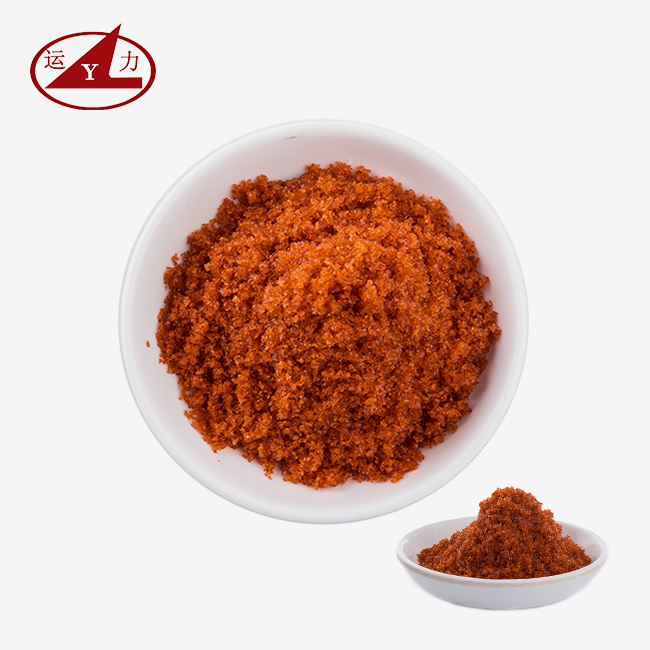
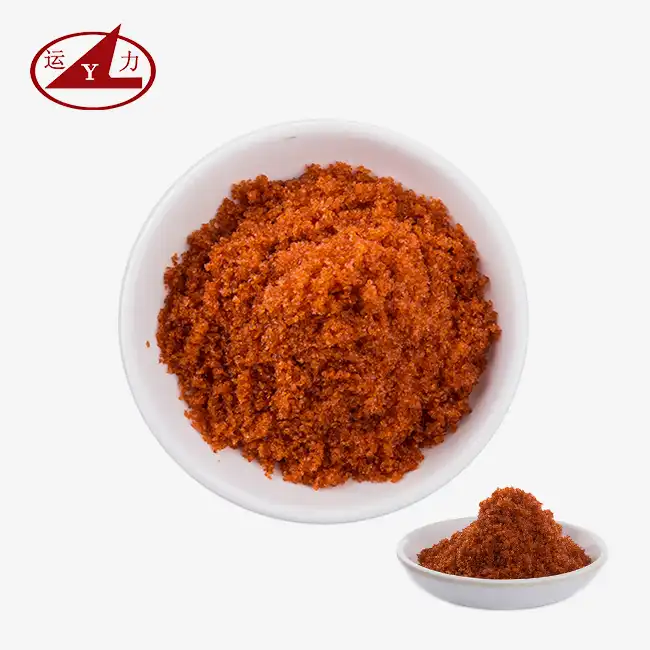
Cobalt Nitrate Hexahydrate has the CAS number 10026-22-9 and a molecular weight of 291.03 g/mol. This chemical comes in the form of reddish-brown prisms or monoclinic crystals that are easily able to take in water from the air. Every cubic centimetre of space holds 1.88 grams of cobalt. At 55 to 56°C, it melts into its own water, which crystallises, and then above 74°C, it breaks down into cobalt oxide. This way the temperature changes is very important for uses that need to do with calcination or thermal spray pyrolysis.
Solubility and Handling Characteristics
The material is very easy to dissolve in water (about 134 grams per 100 millilitres at 0°C), acetone, and ethanol, for instance. Because it dissolves easily, it's easier to use liquid-phase manufacturing methods to do things like make an electroplating bath and soak something to support a catalyst. Because it soaks up water, it needs to be kept in a temperature- and humidity-controlled space so that the crystal structure stays open. During transport, if the material is exposed to heat or moisture, it may melt into its own crystal water. This can change the way it looks without necessarily changing how it is chemically structured.
Safety Profile and Oxidizing Properties
According to UN Number 1477, Cobalt Nitrate Hexahydrate is a Class 5.1 oxidiser. This means that it burns faster and can start a fire or explosion if it comes in touch with biological materials or substances that break down fuel. People who handle it should wear safety gear and make sure there is enough air flow because it can be harmful if breathed in, eaten, or touched. To follow OSHA and REACH rules, safety data sheets stress how important it is to store and move this material away from things that can catch fire.
How to Make Cobalt Nitrate – Step-by-Step Production Process
Traditional Synthesis Using Nitric Acid
In business, weak Nitric Acid (HNO₃) is often used to remove cobalt metal, Cobalt Carbonate (CoCO₃), or Cobalt Hydroxide (Co(OH)₂). Ionic Cobalt Carbonate, Nitric Acid, and hydrogen peroxide are what you get when you mix them. CO₂ gas and heat are released during the process, and they need to be let out safely. To stop heat breakdown and keep the response rates at their best, the temperature must be kept under control. The mix that is made is then cleaned to get rid of any solids. It is then carefully evaporated to make it more concentrated so that the hexahydrate form can crystallise.
Industrial-Scale Production and Purity Control
To get ultra-high purity grades, big makers make this simple process better by adding more complex quality checks. There isn't much pollution in closed-loop production systems because they collect NOx gases and use wastewater again in ion-exchange or precipitation processes. A variety of planting methods and changes in temperature should be used during the crystallisation step to ensure that all of the crystals are the same size. In later steps, this makes it easy for the material to move and break down. Impurity rejection aims to lower the amount of iron (Fe), nickel (Ni), copper (Cu), and sulphate (SO₄²⁻) that is present. These things can hurt catalysts or materials used in electronics.
Quality Assurance and Testing Protocols
ICP-MS or ICP-OES are used to check every production batch for small metal impurities. This is a very thorough process. The iron level is usually kept below 30 ppm in high-purity types so that they don't hurt the catalysts used in hydrodesulfurization processes. Worms are most likely to spread iron.
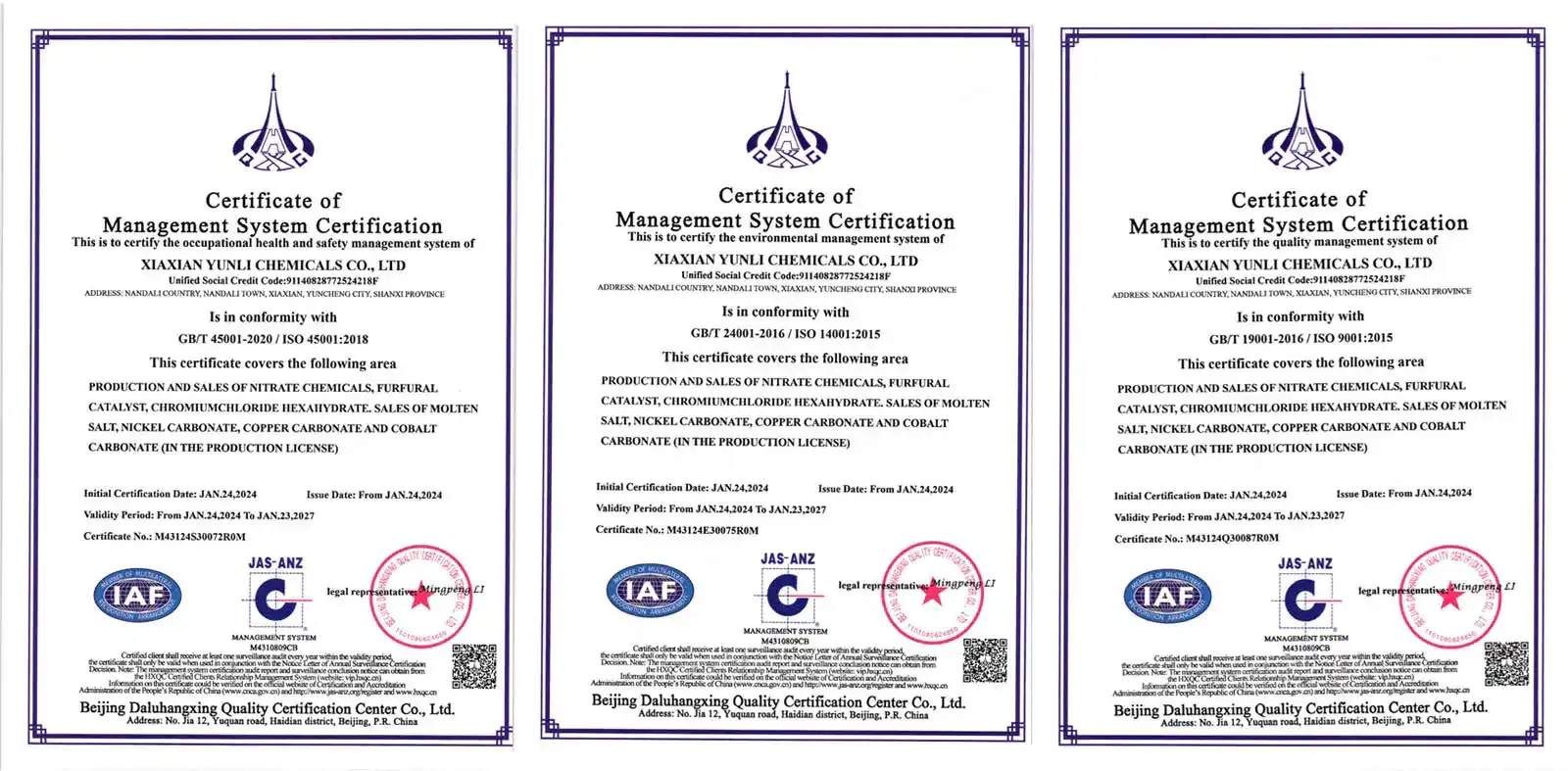
Thanks to ion chromatography, the amounts of chloride and sulphate are checked to make sure they stay below 0.005% and 0.02%, respectively. It is important that the amount of matter that doesn't dissolve in water stays below 0.01% so that filter systems and spray tubes don't get blocked. Buyers can be sure that these strict quality standards will be followed and that they can be tracked because they are in line with ISO 9001 and OHSAS certifications.
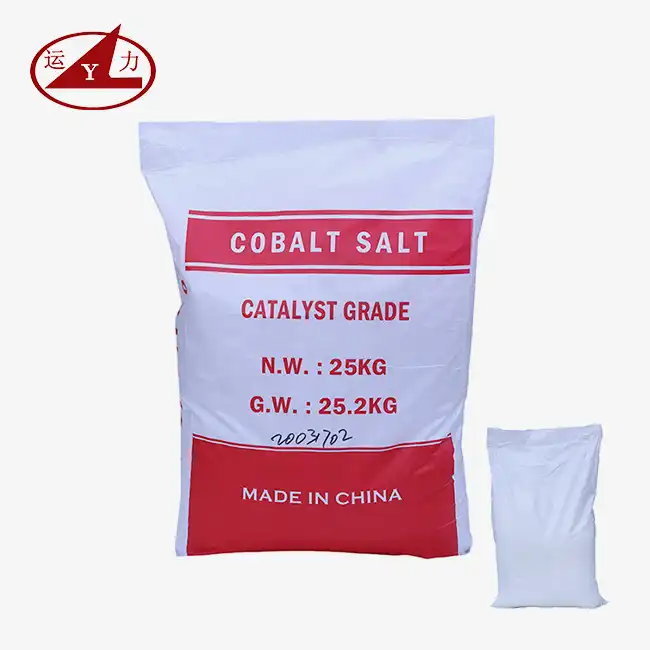
Comparing Cobalt Nitrate with Related Cobalt Compounds for Industrial Use
Cobalt Chloride vs. Cobalt Nitrate
Cobalt Chloride (CoCl₂) is simple to find and doesn't cost much, so it can be used for low-quality colours and general desiccants that show moisture. But its chloride anion can damage stainless steel reactors and get into electrical parts that are supposed to be clean. Cobalt Nitrate gets rid of all halides and leaves only cobalt oxides by using clean thermal breakdown. Since this is the case, it is the best starting material for making very pure catalysts and cell cathodes where anion pollution is not allowed.
Cobalt Sulfate vs. Cobalt Nitrate in Battery Manufacturing
Because of how it is shipped and how much it costs, Cobalt Sulfate (CoSO₄) drives the supply chain for lithium-ion batteries. However, it takes more water and longer to get rid of sulphate during hydroxide precipitation because it needs to be washed many times. With Cobalt Nitrate, you can use direct calcination or spray pyrolysis, which speeds up the process and skips all the steps required to clean up sulphate. This method is liked by battery makers because it helps them make more cells faster and with less damage to the environment. This is especially important as rules for sulphur emissions get tighter.
Selecting the Right Cobalt Compound
If you need to buy something, you should think about what the program needs and then compare cost and supply. Cobalt Nitrate is very useful when you need something that is very pure, dissolves quickly, and breaks down cleanly. Pharmaceutical intermediates, precision catalysts, and electronic-grade ceramic colours are a few examples. Cobalt Sulfate is still a cheap choice for bulk uses that don't need the highest quality.
The calcination method ends with Cobalt Oxide, but it can't be mixed with liquids, which is needed for liquid-phase synthesis. When purchasing managers know these differences, they can better match the materials they need with their output goals and spending limits.
Procuring Cobalt Nitrate – What B2B Buyers Need to Know
Evaluating Supplier Credentials and Certifications
A good way to find a trustworthy provider is to look for ones that have ISO 9001, ISO 14001, or OHSAS certifications. These show that they follow standards for quality management, being environmentally responsible, and safety at work. It shows that a business does a lot of research and development (R&D) and always comes up with new ideas if it is named a provincial or national technology center, like Shanxi Provincial Enterprise Technology Center.
Certificates of Analysis (COA) for each batch should be asked for by buyers. These documents show the physical properties, chemical profiles, and test results for each batch. People believe providers more when they are honest about how they make things, how they care for the environment, and how they keep track of everything.
Packaging, Logistics, and Storage Solutions
Based on the amount received, Cobalt Nitrate Hexahydrate can be sent in a number of different ways. Fibre drums or woven bags that hold 25 kg are good for regular shipping, while bulk cases or special liquid solutions are better for large-scale industry needs. Because it is an oxidiser, shippers must follow IMDG, IATA, and DOT rules.
These rules include marking it correctly, keeping it away from things that can catch fire, and keeping records. Places that store things should keep the temperature and humidity below 25°C to avoid deliquescence and caking. If a seller lets buyers place smaller orders, gives free samples (up to 500 grams), and helps with handling quickly, it's easy for buyers to do test runs before signing big contracts.
Building Long-Term Supplier Partnerships
If you want to buy things that work well, you should look for sellers who have a past of getting things to you on time, giving good advice, and charging fair prices. When you buy Magnesium Nitrate, Calcium Nitrite, and Zinc Nitrate from a distributor, you only have to deal with one person.
This makes handling vendors easy and cuts down on the cost of buying things. It's easier to plan your money when you have long-term contracts with open payment terms and returns based on output. Working together as a technical team to provide custom pH changes, particle size specs, and formulation advice adds value above and beyond the price of the item. It also helps build strategic relationships that can adapt to changing production needs.
Ensuring Quality and Safety When Handling Cobalt Nitrate
Interpreting Safety Data Sheets and Hazard Controls
It is important to know the most important risks, how to give first aid, and what to do in an emergency. As part of your personal safety gear, you should have nitrile gloves, chemical shields, and respirators rated for oxidiser exposure. Facilities need to set up the right air systems to get rid of the Nitric Oxide fumes that come out when something spills or heats up by mistake.
In fire control systems, you shouldn't use organic fire extinguishers. Instead, you should use water or carbon dioxide devices. Employees who are trained regularly on how to read SDS and what to do in an emergency are less likely to have accidents at work and are more likely to follow OSHA and EPA rules.
Storage and Spill Response Strategies
Cobalt Nitrate Hexahydrate should be kept somewhere cool and dry, away from heat sources, direct sunlight, and things that don't react with it, like organic solvents, reducing agents, and things that can catch fire. Traps for spills must have neutral absorbents in them, like sand or vermiculite.
There can't be any sawdust or anything else that could catch fire there. Bad absorbent stuff needs to be put in sealed, marked containers so it can be thrown away according to local rules on hazardous trash. For factories that handle a lot of tonnes, automatic environmental tracking and secondary control systems make it easy to find leaks or changes in temperature quickly.
Environmental Compliance and Sustainable Practices
Modern companies have to follow strict rules about the environment, so they use closed-loop systems to reuse wastewater and clean up NOx from fumes. The least harmful to the environment and the most cost-effective way to get cobalt back from process wastewater is to use precipitation or ion exchange.
More and more, buyers want providers with clear environmental management systems, sustainability records that can be checked, and certificates that show they meet REACH, RoHS, and local emission standards. It's better for the brand's image in global markets to work with sellers who care about the environment because it lowers legal risks and fits with CSR goals.
Conclusion
Cobalt Nitrate Hexahydrate is produced through a number of carefully controlled chemical reactions, strict purity tests, and thorough safety methods that are tailored to meet the needs of various businesses. Learn the ins and outs of production, check the records of sources, and make sure that material specs match performance standards that are specific to the application. This will help procurement experts stay ahead of the competition. Price alone isn't enough to build strong supply lines for this important product.
You also need to make sure the supply is stable and get help from experts. Companies can easily get high-purity Cobalt Nitrate that helps with innovation, efficiency, and regulatory trust in the electroplating, battery manufacturing, catalysis, and speciality chemical industries by focusing on certified suppliers who have a history of research and development and following environmental rules.
FAQ
What is the shelf life of cobalt nitrate hexahydrate under proper storage conditions?
When stored in covered containers at temperatures below 25°C and humidity below 50%, Cobalt Nitrate Hexahydrate keeps its chemical make-up fixed for 24 months. Heat or moisture can speed up deliquescence and possibly breakdown, so climate-controlled shops are the best way to keep long-term goods safe.
How do I verify the purity of a cobalt nitrate batch before bulk ordering?
Ask for a Certificate of Analysis (COA) that shows the test results from EDTA titration, ICP-MS impurity profiles (mainly Fe, Ni, and Cu), salt and sulphate content, and things that don't dissolve in water. Sellers you can trust will give you free samples of up to 500 grams, which can be checked by a third-party lab before you place a big order.
Can cobalt nitrate hexahydrate be used directly in aqueous electroplating baths?
In fact, it is great for electroplating mixes because it dissolves quickly in water (134 g/100 mL at 0°C). To keep the water from getting cloudy from hard water minerals, mix the crystals with deionised water. You can make the mix a little more acidic by adding a little nitric acid if you need to. That way, it will stay clear and not break down, and the quality of the metal will stay the same.
What transportation restrictions apply to cobalt nitrate hexahydrate shipments?
Because it is a UN 1477 (Oxidiser, Class 5.1) chemical, products need to be clearly marked as dangerous and kept away from flammables and reducing agents. They also need to follow all IMDG, IATA, and DOT rules. Carriers must have the right paperwork, and to avoid accidents caused by heat, storage should be kept away from sources of heat while it's being moved.
Partner with Yunli Chemical for Reliable Cobalt Nitrate Supply
Cobalt Nitrate Hexahydrate that is very pure is sent by Yunli Chemical, a Shanxi Provincial Enterprise Technology Center that has been making chemicals for over 20 years. With an iron level of less than 30 ppm and pH levels that can be changed between 3.0 and 5.0, our ISO 9001, ISO 14001, and OHSAS standards make sure that the quality is always the same. We make it easy to order—there is no minimum amount—and you can try out free samples of up to 500 grams of material before you decide to buy a lot of it. Our closed-loop environmental solutions make it easy for you to follow the rules and make sure that the output is sustainable. They also meet REACH and EPA standards.
Our team of experts works together to make sure that your processes run more easily, no matter if you need liquid solutions, granular crystals, or special recipes. You can email us at wangjuan202301@outlook.com to talk about your specific needs and find out why Yunli Chemical is the main source of Cobalt Nitrate for top companies that do electroplating, battery production, and catalyst synthesis. By going to yunlichemical.com, you can see all of our more than 60 nitrate versions. We have reliable shipping, fair prices, and the best customer service in the business.

References
1. Greenwood, N. N., & Earnshaw, A. (1997). Chemistry of the Elements (2nd ed.). Butterworth-Heinemann.
2. Perry, R. H., & Green, D. W. (2008). Perry's Chemical Engineers' Handbook (8th ed.). McGraw-Hill.
3. Cotton, F. A., Wilkinson, G., Murillo, C. A., & Bochmann, M. (1999). Advanced Inorganic Chemistry (6th ed.). Wiley-Interscience.
4. Considine, D. M., & Considine, G. D. (Eds.). (1984). Van Nostrand's Scientific Encyclopedia (6th ed.). Van Nostrand Reinhold.
5. Patnaik, P. (2003). Handbook of Inorganic Chemicals. McGraw-Hill Professional.
6. Lide, D. R. (Ed.). (2004). CRC Handbook of Chemistry and Physics (85th ed.). CRC Press.