


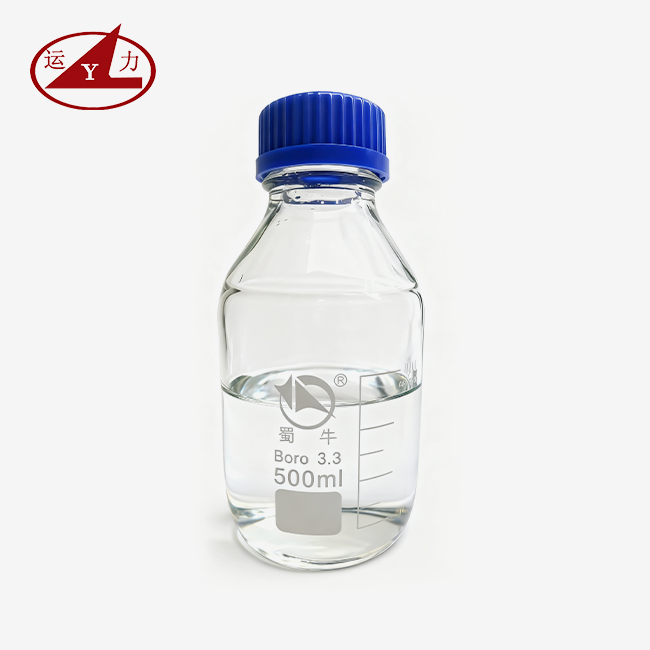
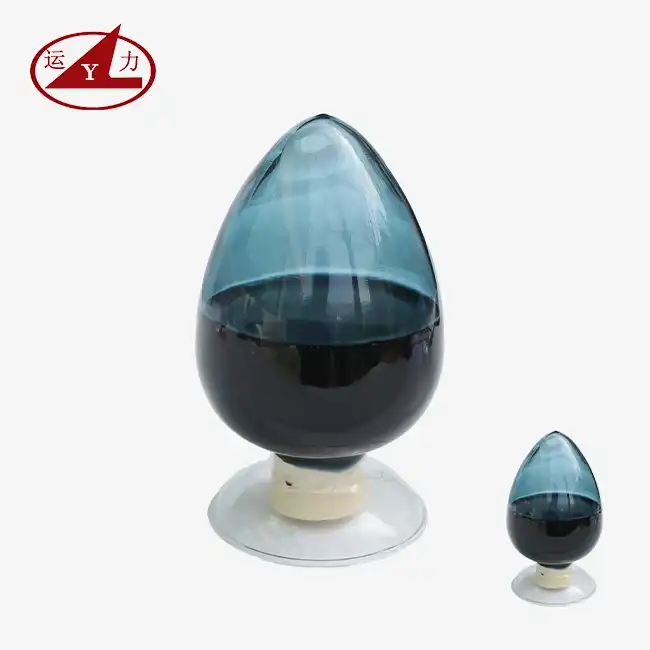
Why copper nitrate solution turns blue after no2 gas released?
When Copper Nitrate Solution is heated and breaks down or is put under chemical stress, nitrogen dioxide gas is released. This causes the blue colour to get deeper. This happens because taking away NO₂ changes the balance of copper ions in the solution. This lets hydrated copper(II) complexes form, mostly [Cu(H₂O)₆]²⁺, which give the solution its distinctive azure blue colour. Changes in the oxidation state of copper and the coordination of ligands are shown by the process. This makes colour tracking an important diagnostic tool for businesses that work with aqueous copper compounds.
Introduction to Copper Nitrate Solution and Its Characteristics
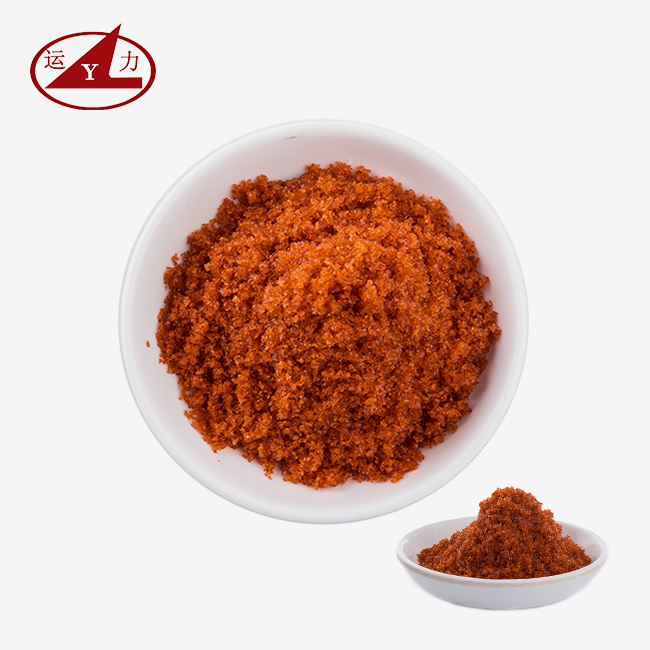
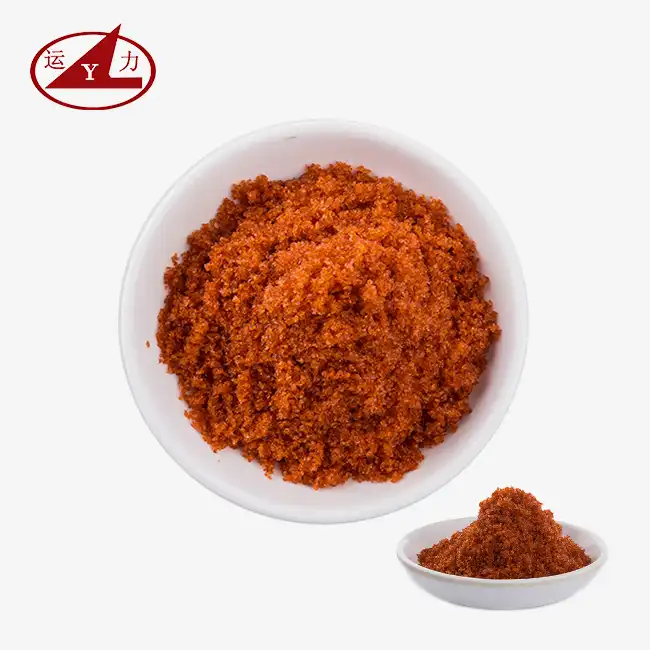
The molecular formula for copper nitrate trihydrate is Cu(NO₃)₂·3H₂O, and its molecular weight is 241.6 g/mol. It looks like dark blue columnar crystals. It turns into an acidic solution with a pH range usually below 3.0 when mixed with water or ethanol. Its specific density is 2.05 g/cm³, and its freezing point is 114.5°C. It starts to break down thermally at about 170°C. Because it absorbs water and oxidises quickly, it needs to be stored carefully to keep it from reacting with flammable materials and absorbing water.
Industrial Relevance and Application Scope
Aqueous Copper Nitrate Solution mixtures are important chemical intermediates used in many fields. When making catalysts, especially for oxidation catalysts in the oil and car industries, the liquid state makes sure that the copper active sites are spread out evenly on alumina or silica supports.
In electroplating, it keeps the quantity of copper ions in the baths stable, which keeps circuit boards and brass metals from getting flaws. In agriculture, copper is used in water-soluble micronutrient fertilisers to help plants grow without adding chloride or sulphate toxins that could hurt crops or irrigation systems that are sensitive to those chemicals.
Product Grades and Solution Concentrations
When businesses decide what to buy, they need to know about the different grades that are out there. There is the normal reagent grade, which is good for general synthesis; the electronic grade, which has iron and sodium impurities below 30 ppm; and the high-purity formulations that hit 4N purity levels for pharmaceutical intermediates. Solution concentrations usually fall between 10% and 60% copper content by weight. This lets process engineers choose the best concentration that requires the fewest steps of diluting while still being safe to handle.
At Yunli Chemical, we offer ratios that can be changed and pH levels that can be changed between 1.5 and 3.0. This makes it possible for our products to be easily integrated into closed-loop production systems without causing pH shock or equipment damage. These specific requirements get rid of the need to dissolve solid crystals, which takes time, and lower the risk of dust exposure in industrial settings.
Decoding the Color Change: Why Does Copper Nitrate Solution Turn Blue After NO₂ Gas Release?
The blue colour getting stronger after NO₂ is released is caused by basic coordination chemistry. There are different kinds of copper(II) ions based on what other molecules are in the fluid. Nitrogen dioxide gas is made when pure Copper Nitrate Solution breaks down at high temperatures. This gas can mix with water to make nitric acid and nitrous acid. It changes the balance from nitrato complexes to Hexaaqua Copper(II) Ions as soon as NO₂ leaves the system.
Thermal Decomposition Mechanism
When copper nitrate trihydrate is heated above 170℃, it breaks down: 2Cu(NO₃)₂ → 2CuO + 4NO₂ + O₂. In water, even mild heating or photochemical action can make nitrogen dioxide come out. At first, it stays dissolved as nitrous acid or mixes with copper species. It may look green or brown during active breakdown because of the NO₂ and intermediate nitrito complexes [Cu(NO₂)]⁺.
Formation of Hydrated Copper Complexes
As soon as the NO₂ gas leaves the solution, the Copper Nitrate Solution releases copper ions that are free, and these ions quickly join with available water molecules to form the octahedral [Cu(H₂O)₆]²⁺ complex. This species absorbs light very strongly in the red part of the visible spectrum (around 800 nm), returning the blue wavelength that our eyes see.
Spectroscopic tests using UV-Vis absorption show that the peak strength near 800 nm rises as NO₂ levels fall, which is directly linked to the blue colour getting deeper. Process engineers can use colorimetry to see how breakdown is going in real time. This lets them make changes to the temperature or air to keep the product safe and consistent during the handling or synthesis stages.
Chemical Properties and Safety Considerations Related to Copper Nitrate Solution
To safely handle Copper Nitrate Solutions, you need to know about how stability changes with quantity and how sensitive the solution is to its surroundings. When exposed to heat, light, or organic contaminants, higher amounts raise the chance of spontaneous decomposition. The solution's pH has two functions: too much acidity (pH < 1.0) speeds up metal corrosion in storage tanks, and not enough acidity can cause basic copper salts to precipitate, which can clog nozzles and cause dose mistakes.
Toxicity and Exposure Risks
Nitrogen dioxide that is released when things break down is very dangerous and can irritate the lungs and cause pulmonary oedema at levels above 3 parts per million (ppm). According to MSDS rules, Copper Nitrate Solutions are dangerous substances that need extra protection, safety gear that doesn't react with acids (like nitrile gloves and face shields), and enough air flow. Contact with the skin causes itching and possibly sensitisation, so you need to wash your hands right away with a lot of water.
Regulatory Compliance and Shipping Requirements
When moving water-based Copper Nitrate Solutions, you have to follow the rules for dangerous materials set out by REACH and DOT (UN1479, Oxidizing Substances Liquid, Class 5.1). Labels must correctly show oxidiser risks and acidic qualities. HDPE or glass-lined containers are needed for packaging.
Tanks made of stainless steel may pit or corrode because of the free nitric acid presence. Yunli Chemical is fully compliant with REACH and RoHS. They provide all the necessary paperwork, such as Certificates of Analysis (COA) and Material Safety Data Sheets, to make it easier for customs officials to clear foreign shipping and for regulators to check their work.
Our combined wastewater recycling system turns used solutions into sodium nitrate that can be used again. This lowers the cost of dumping and the damage that can be done to the environment. NOx emissions from production are collected and changed into sodium nitrite. This stops the emissions from going into the air and helps clients reach their sustainability goals.
Comparative Analysis: Copper Nitrate Solution vs Other Copper Salts in Industry
Choosing the right copper salt relies on the needs of the product, the cost, and how well it works with processes that come after. Copper Sulfate Pentahydrate is cheaper and is used a lot in farming and electroplating. However, it can add sulphate ions that can make gypsum crystallise in alkaline conditions or mess up some catalytic systems. Copper Chloride solutions are very easy to dissolve, but they also give off chloride ions that eat away at stainless steel and aluminium machinery, which means they can't be used in sensitive production lines.
Copper Nitrate Solutions have clear benefits: the nitrate anion stays very soluble at all pH levels, which stops problems with precipitation. Its strong oxidising property makes it useful for tasks that need to control oxidation processes, like organic synthesis and catalyst impregnation. The lack of chloride and sulphate lowers the risk of pollution in pharmaceutical and electronic-grade uses, where small flaws can have a big effect on how well a product works and whether it gets approved by regulators.
Pricing and Purity Trade-offs
Copper Nitrate Solution usually costs more than sulphate or chloride salts, but the liquid form lowers the total cost of ownership. Clients get rid of the dissolving tools, heating energy, and work that comes with working with hygroscopic crystals. Different grades have different purity requirements. Standard industrial grades have iron levels below 50 ppm, while electronic-grade formulas have iron and sodium levels below 30 ppm, making them good for PCB plating where even small amounts of pollution can cause problems.
Supplier standards like ISO 9001, ISO 14001, and OHSAS make sure that quality is stable from batch to batch and that the source of the goods can be found. Yunli Chemical can make 4N-grade high-purity materials thanks to its provincial-level Enterprise Technology Center approval and modern analytical instruments like ICP-MS and atomic absorption spectrometers.
This feature meets the high standards of pharmaceutical intermediates and fine chemicals, industries where controlling impurities has a direct effect on output and following the rules. Our clear COA reports and no-minimum-order-quantity policy let buying teams try out materials without any risk, which helps them feel more confident before signing tonnage contracts.
Practical Guide for Procuring and Using Copper Nitrate Solution Safely and Effectively
For buying Copper Nitrate Solution to work well, concentration and impurity limits must be clearly stated and in line with process needs. Figuring out the copper amount in terms of weight percent helps match the density of the solution to the powers of the dosing equipment. Automated titration or ICP analysis checks what suppliers say, so there aren't any problems that throw off production plans.
Criteria for Evaluating Suppliers
Suppliers you can rely on have strong quality control systems, consistent delivery performance, and quick expert assistance. Certifications like ISO 9001 prove that process controls are working, and ISO 14001 certifications show that responsible manufacturing practices are being used.
Case studies and reviews from customers show that the company has a history of dealing with complicated formulations and calls for customisation. Value-added services that established providers often offer include custom mixing with additives (like brighteners for electroplating or chelating agents for fertilisers), flexible packing (ranging from 20-liter drums to IBC totes), and quick sampling programs.
Yunli Chemical stands out because it has been in business for 20 years, makes more than 1 billion yuan a year, and has fixed assets worth 300 million yuan, all of which show that it is financially stable and can produce a lot. With factory-direct supply and self-operated export operations, there are no markups for middlemen. This means that prices are affordable without sacrificing quality.
Our environmental facilities are well-established and we have a lot of experience treating nitrate wastewater. We can offer our customers complete catalyst OEM production services, so they don't have to worry about the costs and legal issues that come with handling dangerous materials in-house. With more than 60 different types of nitrates and aqueous solutions that can be customised at any concentration, clients can make transportation for purchase easier while still keeping process freedom.
Storage and Handling Best Practices
Copper Nitrate Solutions should be kept above 15℃ so that they don't crystallise, which can block pumps and dose lines. Acidic rusting must not happen in containers; HDPE or cross-linked polyethylene tanks work best. Vessels lined with glass are good for high-purity uses. Set up extra storage to catch spills, and make sure that neutralisation agents like lime or sodium bicarbonate are easy to get to. Handling a spill is different from handling solids because liquids spread quickly and need to be contained right away with absorbing materials.
Visual inspection for precipitation or discolouration, pH verification to find changes in free acid, and regular residue analysis to make sure specifications are met are all part of routine tracking. Automated dosing systems with pH controls and flow meters improve accuracy, cut down on waste, and make it easier to repeat batches. Ventilation systems must be able to handle any NO₂ that might be released during heating or moving operations, keeping exposure in the workplace below the levels allowed by OSHA.
Conclusion
Figuring out why Copper Nitrate Solution goes blue after NO₂ gas is released is a very important part of understanding how it works and how to handle it in real life. This effect shows the change from nitrato or intermediate complexes to steady Hexaaqua Copper(II) Ions. It can be used to see how stable a solution is and how much it is breaking down. Purchasing managers should choose sources that offer pure formulas that can be changed and are backed by strict quality control and environmental compliance.
When you compare copper salts, you can see that nitrate solutions work best in situations where you need to keep chloride and sulphate levels low. This makes their higher cost worth it because they make the process more reliable. Following storage guidelines and safety rules lowers the risks of oxidising qualities and NO₂ toxicity. This makes sure that operations are safe and that regulations are followed in the farming, catalyst synthesis, and electroplating sectors.
FAQ
What causes nitrogen dioxide gas to release from copper nitrate solutions?
Copper nitrate breaks down when it comes in touch with reducing agents, UV light, or temperatures above 170℃. This releases NO₂ gas. Even at room temperature, slow breakdown can start after long storage or contact with organic materials. This shows how important it is to store things properly and check the quality often.
Does the blue color remain stable after NO₂ release?
The blue colour from the Hexaaqua Copper(II) Ions stays stable under normal store conditions after all the NO₂ is gone and the solution cools down. Keeping the solution from getting any hotter, dirty, or exposed to light for too long protects its structure and stops it from breaking down again.
How should contaminated or spent copper nitrate solutions be disposed of?
Use sodium hydroxide or lime to bring acidic liquids back to a pH of 7-8. Copper will then settle out as hydroxide or carbonate. Filter the precipitate so that it can be recycled or thrown away in a dump according to the rules in your area. Before releasing the supernatant liquid, it should be checked for copper levels to make sure the amounts meet wastewater standards. Hiring licensed trash disposal companies makes following the rules easier and lowers your environmental responsibility.
Partner with Yunli Chemical for Reliable Copper Nitrate Solution Supply
Yunli Chemical is a reliable Copper Nitrate Solution provider with more than 18 years of experience in the field. They offer precision-grade formulas that are made to fit your exact impurity and concentration needs. Our ISO 9001, ISO 14001, and OHSAS certifications make sure that the quality is always the same, and our provincial-level Enterprise Technology Center lets us do special research and development for high-purity uses in medicines, electronics, and catalysis.
Customers get lower prices from the plant, don't have to buy a certain amount, can get free samples up to 500 grams, and can choose from different packaging choices that make logistics easier. You can email our expert team at wangjuan202301@outlook.com to talk about your specific needs and get a quote, or you can download our free Copper Nitrate Solution Safety & Handling Guide to help you make the best decisions about how to buy things and make sure that your operations are safe.

References
1. Cotton, F. A., & Wilkinson, G. (1988). Advanced Inorganic Chemistry (5th ed.). New York: Wiley-Interscience.
2. Greenwood, N. N., & Earnshaw, A. (1997). Chemistry of the Elements (2nd ed.). Oxford: Butterworth-Heinemann.
3. Smith, R. M., & Martell, A. E. (2004). Critical Stability Constants: Inorganic Complexes. New York: Plenum Press.
4. Patnaik, P. (2003). Handbook of Inorganic Chemicals. New York: McGraw-Hill Professional.
5. Housecroft, C. E., & Sharpe, A. G. (2012). Inorganic Chemistry (4th ed.). Harlow: Pearson Education Limited.
6. Dean, J. A. (1999). Lange's Handbook of Chemistry (15th ed.). New York: McGraw-Hill.