


Safety precautions when handling ferric nitrate solution
Ferric Nitrate Solution is very dangerous because it oxidises and corrodes, and strict safety measures must be taken to protect people and property. To handle this chemical safely, you need to wear protected clothing that covers your whole body, gloves that are resistant to chemicals, and face masks. Workspaces need to have enough air flow, and storage places need to be cool, dry, and away from flammable and organic materials.
Eyewash stations, safety baths, and materials for cleaning up spills should always be easy to get to in case of an emergency. Organisations that use this material must follow strict safety rules and get regular training to make sure they are following OSHA rules and international chemical safety standards.
Understanding Ferric Nitrate Solution: Chemical and Safety Essentials
Molecular Structure and Physical Characteristics
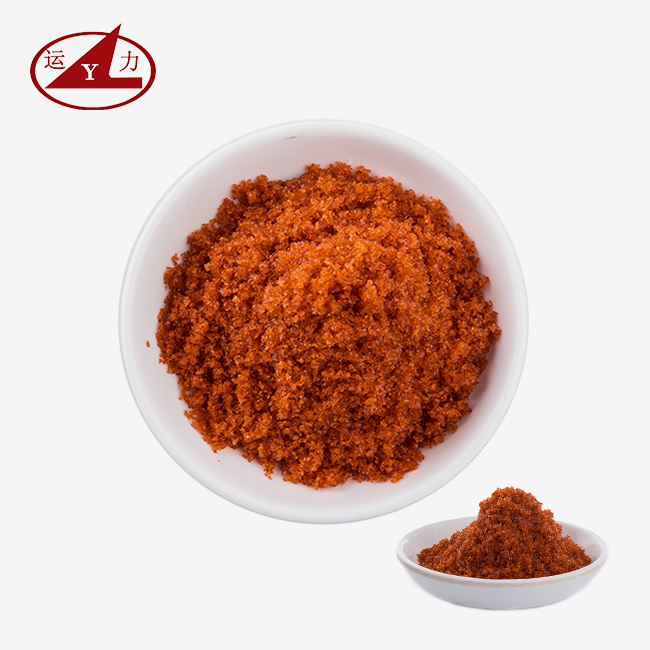
The chemical name for ferric nitrate nonahydrate is 7782-61-8, and its molecular formula is Fe(NO3)3·9H2O. Its molecular weight is 404.01. The specific density of this purple solid material is 1.68, and it melts at 47.2°C. When raised to 125℃, thermal decomposition happens, creating nitrogen oxide vapours that could be dangerous. The substance has strong hygroscopic properties and can easily take water from the air. It dissolves easily in water, ethanol, and acetone, which makes it useful in many commercial recipes, especially when made as an aqueous solution.
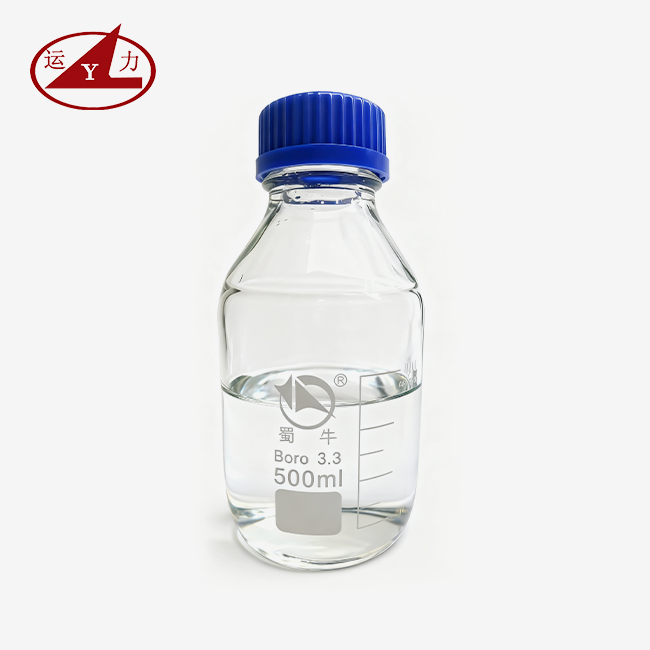
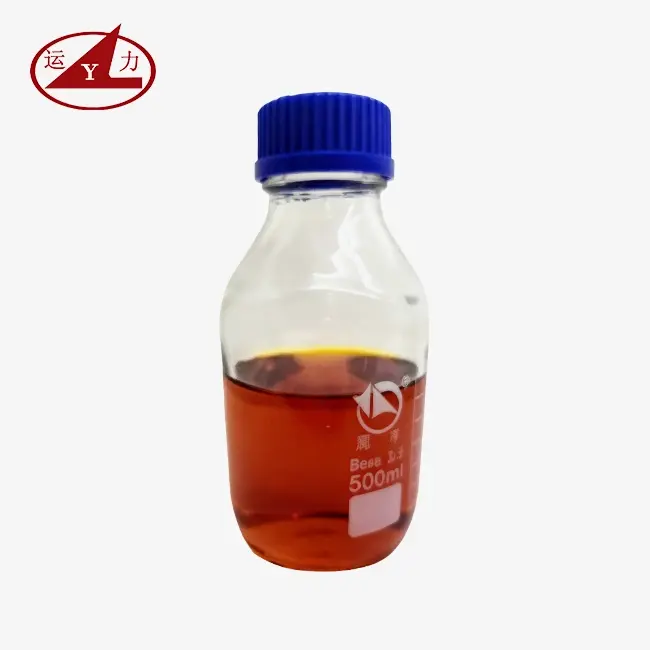
Industrial-grade liquids usually come out as clear, reddish-brown to dark purple solutions. The quantity can be changed from 40% to 50% by weight depending on the needs of the application. The pH range of these solutions stays between 3.0 and 3.5, which is best for keeping chemicals stable while they are being stored and moved. Because it oxidises, this Ferric Nitrate Solution works really well in processes like etching, metal treatment, and making catalysts in the electroplating, electronics manufacturing, and chemical synthesis industries.
Essential Chemical Properties and Reactivity
The main chemistry property of this iron-based solution is its strong ability to oxidise. Because ferric ions are present in solution, they take part in redox processes. This makes the material very useful for treating metal surfaces and making catalysts. Controlled amounts of free nitric acid (usually between 0.5% and 2.0%) keep the fluid stable and help the reaction move along at the right speed. This balance stops iron hydroxides from precipitating out of control, which could damage industrial processes and jam supply systems.
When the substance comes in contact with organic chemicals, flammable materials, or reducing agents, it reacts very badly. When organic chemicals and concentrated liquids come into contact, exothermic reactions can happen, which can lead to fires or explosions. Material suitability is very important because storage containers need to be able to handle both acidic corrosion and oxidative attack. Standard stainless steel types may slowly corrode, but high-density polyethylene (HDPE) or carefully lined steel tanks are good for keeping things inside.
Critical Storage Guidelines and MSDS Considerations
Following the right storage rules will keep your products fresh longer and reduce the risks to your workplace. Solutions stay chemically sound for 12 to 24 months if they are kept in cool, dark, covered cases that are out of direct sunlight and away from temperature extremes. To keep things from crystallising or breaking down too quickly, storage temperatures should stay between 15°C and 25°C. The floors in storage places must be resistant to acids, there must be good drainage, and there must be temperature monitoring tools.
Material Safety Data Sheets (MSDS) put this chemical into several risk groups, including Class 5.1 (Oxidiser) and Class 8 (Corrosive), which are the ones used by international transportation rules. Managers in charge of buying things must make sure that sellers give them all the paperwork they need to comply, such as certificates of analysis (COA), safety data sheets that meet GHS guidelines, and environmental certifications.
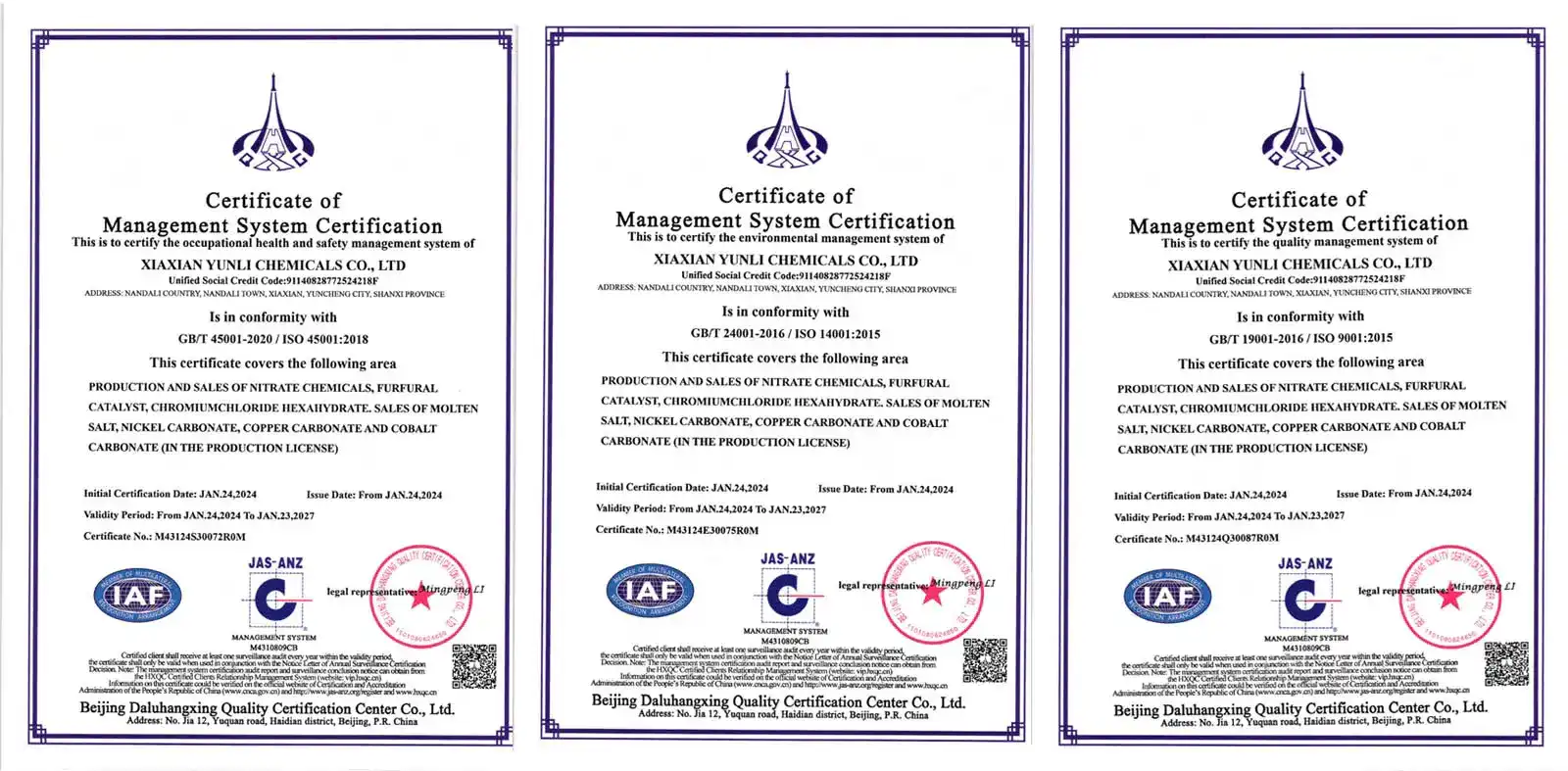
XiaXian Yunli Chemical has been working with nitrate chemistry for more than 18 years and provides detailed paperwork that meets the needs of quality engineers and compliance officers who are in charge of purchasing chemicals. This paperwork is in line with ISO 9001, ISO 14001, and OHSAS standards.
Identifying and Managing Risks: Common Hazards in Handling Ferric Nitrate Solution
Health Hazards and Exposure Routes
Chemical burns, skin irritation, and tissue damage happen right away when you come into direct touch with strong Ferric Nitrate Solutions. Both the acidic pH and the oxidising iron species in the gas make it harmful. If you get skin contact, you need to wash it off right away with lots of water for at least 15 minutes. Eye contact is an emergency situation that could permanently damage a person's vision. Victims need to get medical help right away after being flushed out at eyewash stations.
Inhaling mists or vapours upset the lungs, which can lead to hacking, trouble breathing, and even pulmonary oedema in the worst cases. Respiratory sensitisation may happen after long-term contact. Even though it doesn't happen very often in the workplace, swallowing causes serious stomach burns and systemic toxins, and needs immediate medical help. During normal operations, engineering controls like sealed transfer systems and local exhaust air make it much less likely that someone will breathe in something harmful.
Chemical Stability and Compatibility Concerns
Under normal conditions, watery solutions are pretty stable, but there are a number of things that can cause them to break down or respond in dangerous ways. High temperatures speed up the breakdown of nitrate, which releases poisonous brown fumes called nitrogen oxides (NOx). Photochemical decay is sped up by ultraviolet light, especially in clear containers. Through fast exothermic reactions, contamination with organic materials, alcohols, or reducing agents can lead to fire and blast risks.
When you compare this substance to others like ferric chloride, you can see that they are not as safe. While ferric chloride solutions make oxidising conditions less harsh, they also raise worries about chloride contamination in sensitive uses. Nitric acid, which is also an oxidising acid, is more volatile and corrosive. Knowing these differences in risk helps people who work in buying choose the right chemicals for their practical safety infrastructure and application needs.
Regulatory Compliance for Transport and Storage
International shipping rules require certain standards for packing, labelling, and paperwork. Based on the concentration, the UN classification usually comes under UN 3264 (Corrosive liquid, acidic, inorganic) or a similar oxidiser category. Shipping barrels need to meet UN standards and have the right warning signs on them. Drivers and people who work in shipping need special training on how to handle dangerous goods.
EPA rules say that storage sites must use secondary control to keep environmental damage from happening during spills or leaks. Local fire rules often limit the amount that can be stored and require that it be kept away from things that don't go together. Businesses that buy and sell things online can save money by working with sellers who have strong environmental management systems. Our status as a business technology center at the provincial level and our RMB 300 million in fixed assets show that we have the operational maturity and regulatory compliance infrastructure that helps buying managers find long-term suppliers with lower supply chain risks.
Best Practices for Safe Handling and Use of Ferric Nitrate Solution
Personal Protective Equipment Requirements
The right PPE to wear depends on the risks of the job and the amount of contact that could happen. Chemical-resistant gloves made of nitrile, neoprene, or butyl rubber protect against contamination during normal handling of Ferric Nitrate Solution, but throwaway latex gloves don't do enough. Chemical safety goggles or full-face covers protect the eyes and face from splashes when moving things, taking samples, or maintaining equipment.
Acid-resistant aprons or full-body suits should be worn as protective clothes for jobs where there is a high risk of spills or when moving large amounts of material. When working with heated solutions, doing repair in small areas, or cleaning up big spills, you need to wear respiratory protection. Different types of exposure can be controlled with NIOSH-approved respirators that have acid gas cartridges or supplied-air systems. When purchasing large amounts of goods for industries like electroplating or cloth dyeing, procurement teams should make sure that the PPE requirements match their operating routines and that field workers get the right training on how to use the equipment.
Standardized Emergency Response Procedures
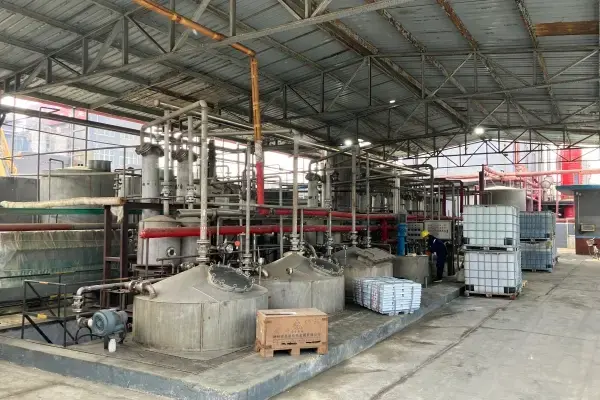
As soon as a leak is detected, spill containment measures must go into action. People who are trained can clean up small spills (less than 1 litre) by using neutralising agents like calcium hydroxide or sodium bicarbonate and then absorbing the spill with harmless materials like vermiculite. When there are large releases, the building has to be evacuated, an emergency response team has to be called in, and environmental officials have to be told right away. Second-level containment is provided by containment dikes and spill boards under storage tanks. These keep the surroundings clean.
Safe Storage and Transportation Practices
The choice of packaging has a big effect on the quality of the goods while they are being shipped. Standard items include 25 kg drums for small-scale and lab work, IBC (Intermediate Bulk Container) tanks for medium-volume users, and tanker trucks specifically designed for large-volume factories. For each type of container, you need materials that work well together, the right opening systems, and tight lids that don't leak when the container is being moved around.
For bulk handling jobs, you need special tools like pumps that don't corrode, transfer lines with insulation, and automatic dosing systems that keep operators from having to touch the goods too much. Controlling the temperature during winter transport keeps concentrated solutions from crystallising; some formulas need containers that are heated for transport.
Yunli Chemical's factory-direct supply model and self-operated export operations get their products to foreign customers without having to go through any middlemen. This cuts down on the risk of contamination and makes sure that the products are handled properly throughout the cold chain. Customers can get concentrations that are 40–50% lower or higher depending on their needs. This lets them find the best balance between transportation economy and freeze-point concerns for their specific environment.
Choosing the Right Ferric Nitrate Solution for Your Business Needs
Comparative Analysis with Alternative Chemicals
To choose between iron-based oxidisers, you need to look at a lot of technical and practical factors. Ferrous nitrate Fe(NO3)2 is a reduced iron source that can be used in some chemical processes, but it doesn't have the oxidising power that is needed for etching or treating wastewater. Ferric chloride FeCl3 is a cheaper alternative to other metal etching chemicals, but it adds chloride ions that can cause problems with galvanic corrosion in electronics manufacturing and leave behind unwanted leftovers.
Ferric sulphate Fe2(SO4)3 is often used as a coagulant in urban water treatment, but it doesn't have enough oxidising power to be used in making catalysts or speciality chemicals. The Ferric Nitrate Solution variant still has benefits in fields that need high purity (like electronics and medicines), processing conditions without chloride, and the ability to oxidise and coagulate at the same time. Nitrates have two functions: they provide oxygen to good bacteria and precipitate harmful chemicals. This is especially helpful for water treatment plants that need to get rid of hydrogen sulphide smells.
Key Procurement Criteria and Supplier Evaluation
Strict rules for controlling impurities are the first step in quality assurance. Heavy metals (Pb, Cu, Zn below 5ppm) and chloride content below 50ppm are needed for electronic-grade uses to keep downstream pollution to a minimum. Our cutting-edge lab, which has ICP-MS and atomic absorption spectrometers, provides 4N-grade materials that are very pure and meet the tightest standards in the electronics and pharmaceutical industries.
A supplier's dependability should be judged by how much they can produce, whether they have quality standards, and how long they can keep running. Companies that show they have ISO 9001 quality management systems, ISO 14001 environmental certifications, and OHSAS workplace safety standards show that their practical controls are advanced.
Being named a Provincial-Level Enterprise Technology Center means that the company has the research and development (R&D) skills to help with making special formulations and fixing technical problems. Purchasing managers who put a high priority on stable supply chains benefit from suppliers with yearly sales of more than RMB 1 billion and fixed assets of RMB 300 million. These are financial signs that show the supplier is strong against market shocks.
Optimizing Orders: MOQ, Bulk Purchasing, and Logistics
Minimum order numbers make it much harder to change your mind about what you want to buy, especially for businesses that are testing new products or running speciality production lines. High MOQ requirements from traditional chemical providers make it hard to keep enough goods on hand and limit your ability to use working capital. Because we focus on the customer, we don't have any MOQ requirements and offer free samples of up to 500 grams. This way, expert teams can test how well the product works before committing to large-volume orders.
Strategies for buying in bulk should take into account both big savings and storage space and product shelf life. IBC tank deliveries (usually 1000L) work best for medium-sized businesses, while specialised tanker supplies save money for large customers who need 10 tonnes or more every month. Being aware of shipping restrictions is important because the classification of an oxidiser affects the choice of carrier, the route of transport, and the paperwork that needs to be sent to customs. Established export businesses and skilled logistics partners make sure that foreign delivery follows the rules set by REACH, RoHS, and the target country.
Maintaining Long-Term Safety and Compliance in Your Operation
Implementing Routine Safety Audits and Training Programs
Safety attitudes in the workplace grow through processes of systematic review and ongoing growth. Every three months, safety tests check the conditions of storage, the availability and state of PPE, the functionality of emergency tools and compliance with procedures. The results of audits lead to corrective steps and new protocols. This creates feedback loops that deal with new risks before they happen.
Training for employees includes more than just the initial hiring. It also includes refresher classes, involvement in emergency drills, and updates that reflect changes to regulations or processes. Technical experts who set quality standards should get special training in testing methods, how to fix problems with contamination, and how to control the quality of their suppliers.
Purchasing managers and people who work in the supply chain need to learn about transportation rules, what paperwork is needed, and how to check suppliers. Companies that want to be the best at what they do spend money on cross-functional training to make sure that the buying, operations, and safety teams all understand Ferric Nitrate Solution dangers and how to reduce risks.
Staying Current with Evolving Regulations
Chemical laws are always changing to reflect new toxicology studies, worries about the environment, and attempts to harmonise laws across borders. The U.S. Occupational Safety and Health Administration (OSHA) changes the guidelines for danger reporting and permissible exposure limits (PELs) every so often. The Environmental Protection Agency (EPA) sets rules for what types of storage tanks can be used, how often spills must be reported, and how much wastewater can be released.
Building Strategic Supplier Partnerships
Long-term ties with suppliers offer benefits beyond just low prices. These benefits include technical help, regulatory intelligence, and supply security. Suppliers with state technology centers and specialised research and development teams can help with formulating changes, fixing problems with applications, and making processes more efficient. Our 20 years of experience in coal-chemical engineering has led to ground-breaking solutions, such as products that replace imported goods and lower customer costs while keeping or better performance.
As part of full seller support, safety paperwork is updated on time to reflect changes in regulations, suppliers are notified of product improvements or changes to specifications, and quality concerns are dealt with quickly. Purchasing departments that handle regular orders for tonnes of materials in fields like battery materials, pharmaceutical intermediates, or glass manufacturing can plan their operations more accurately when suppliers show consistent production capacity, quality systems stop batch-to-batch variations, and logistics skills make sure deliveries happen on time. Once relationships show to be reliable, these partnership traits make it much easier to find a new source without having to pay a lot of money or go through a lot of trouble.
Conclusion
To safely handle Ferric Nitrate Solution, you need to know its chemical qualities, follow strict handling procedures, and keep an eye on compliance standards. Because this flexible industrial chemical oxidises and corrodes, it needs proper storage facilities, well-trained workers, and full personal protection. When buying things, companies should give more weight to sellers who can show they have quality certifications, analytical skills, and operating maturity that will ensure a stable supply chain in the long run.
When companies use regular safety checks, ongoing training for workers, and smart relationships with suppliers, they set themselves up for operational excellence while reducing risks. Because of how complicated the technology is and how many rules apply to this material, seller knowledge and support services are just as important as product standards for running long-lasting, legal businesses.
FAQ
What immediate actions should we take if skin contact occurs?
Take off any dirty clothes right away and run a lot of water over the injured skin for at least 15 minutes. Seek medical help if the soreness lasts for a long time or if you can see burns. If you try to neutralise chemicals without the right training, exothermic reactions could make chemical burns worse.
Can we store this material in standard stainless steel containers?
Because the climate is acidic and oxidising, standard types of stainless steel (304/316) may corrode over time. High-density polyethylene (HDPE), cross-linked polyethylene (XLPE), or steel tanks sealed with rubber last longer and are more chemically compatible with Ferric Nitrate Solution.
How does concentration affect safety protocols?
Higher amounts (above 45%) raise the risks of corrosivity, oxidation, and crystallisation during movement in cold weather. Diluted liquids (below 40%) are safer to handle, but they need more space to be stored and may change how well the process works. The best way to improve working efficiency is to find the right balance between focus, application needs, and the safety infrastructure's abilities.
What documentation should we require from suppliers?
Full seller paperwork includes up-to-date Safety Data Sheets (SDS) that meet GHS requirements, Certificates of Analysis (COA) that show test results for each batch, ISO certifications (9001, 14001), and papers for transport classification. For foreign purchasing, environmental safety certificates and information about REACH registration are important.
Partner with Yunli Chemical for Reliable Ferric Nitrate Solution Supply
You can trust Yunli Chemical to make Ferric Nitrate Solution because they have over 18 years of experience making specialised products and are a provincial-level technology center. Our strict quality control makes sure that the impurity levels—Fe²⁺ ≤30ppm, Na⁺ ≤50ppm, and heavy metals ≤5ppm—meet the needs of the most demanding uses. We also provide full MSDS, COA, and environmental compliance documentation. We get rid of the minimum order quantity (MOQ) requirements and offer free samples of up to 500 grams, so you can fully test the product before committing to big quantities.
Our ISO 9001, ISO 14001, and OHSAS standards show that we follow strict rules for quality management and the environment, which lowers the risks in your supply chain. Customisable concentrations (40–50%), flexible packing ranging from 25 kg drums to bulk trucks, and factory-direct prices all make it easier for you to get what you need. Get in touch with our technical team at wangjuan202301@outlook.com to talk about your unique application needs and find out how our full support turns buying chemicals into a strategic relationship.

References
1. National Institute for Occupational Safety and Health (NIOSH). "Chemical Hazards and Toxic Substances: Ferric Nitrate." NIOSH Pocket Guide to Chemical Hazards, 2020.
2. American Chemical Society. "Safe Handling of Oxidizing Chemicals in Industrial Applications." ACS Chemical Health and Safety Journal, Vol. 28, 2021.
3. Occupational Safety and Health Administration (OSHA). "Hazard Communication Standard: Safety Data Sheets." OSHA Regulations 29 CFR 1910.1200, 2022.
4. Environmental Protection Agency (EPA). "Secondary Containment Requirements for Chemical Storage Facilities." EPA Guidelines 40 CFR Part 112, 2021.
5. International Air Transport Association (IATA). "Dangerous Goods Regulations: Oxidizing Substances and Corrosive Materials." IATA DGR Manual, 63rd Edition, 2022.
6. Chemical Safety Board (CSB). "Safety Management of Reactive Chemicals in Industrial Processes." CSB Investigation Report Series, 2020.