


How to make copper nitrate solution?
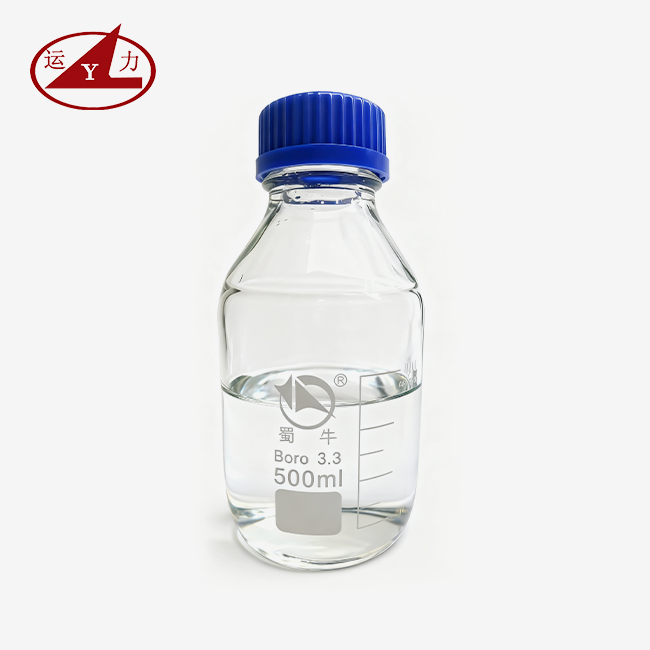
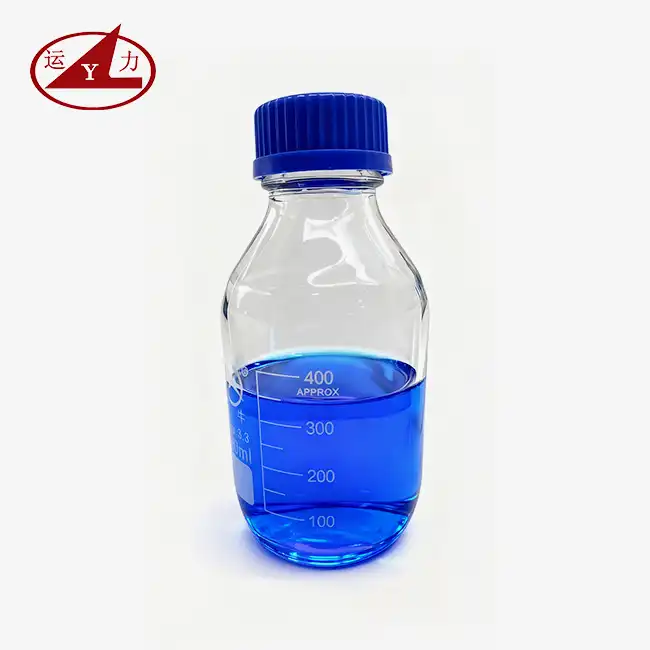
Copper Nitrate Solution is made by carefully dissolving copper metal in diluted nitric acid. This creates a deep blue liquid that contains copper(II) nitrate (Cu(NO₃)₂). In the lab, the usual method is to mix 1 part copper with 4 parts nitric acid that has been reduced to a strength of 20 to 30 percent and heat it slowly. As the process goes on, nitrogen dioxide gas is produced, which needs to be properly vented. After the copper is completely dissolved, the mixture is cleaned to get rid of any impurities. This leaves a solution that is ready to use and can be used for electroplating, catalysis, and farming.
Understanding Copper Nitrate Solution
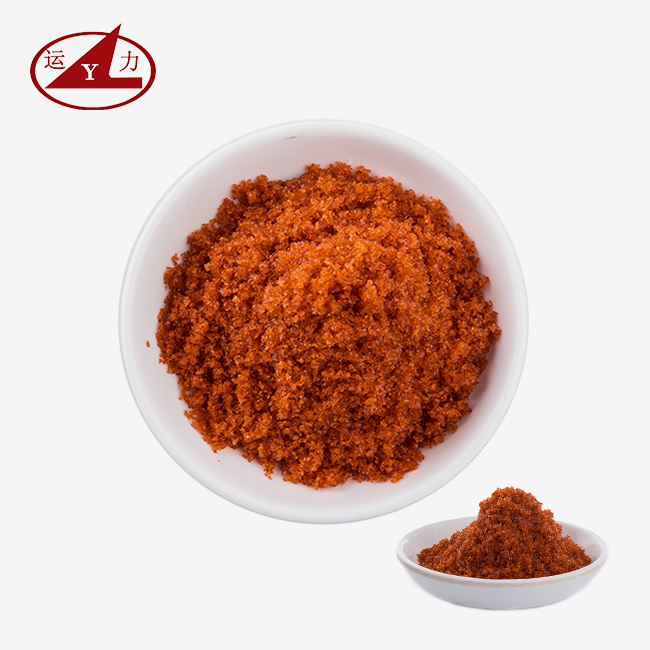
Copper Nitrate Solution is a liquid form of copper(II) nitrate, which is known for its bright blue-green color and strong ability to oxidize. Copper nitrate has the molecular formula Cu(NO₃)₂·3H₂O (CAS# 10031-43-3), which means that there are three water molecules for every molecule of copper nitrate. It has a molecular weight of 241.6 g/mol and a specific density of 2.05. The trihydrate form looks like dark blue cylindrical crystals that are very good at soaking up water. It melts at 114.5°C and starts to break down at about 170°C when heated. The chemical is easily broken down in water and ethanol, making liquids that are very acidic.
Key Physical and Chemical Characteristics
Due to its burning property, copper nitrate reacts with materials that can catch fire. When explosive things are heated, rubbed together, or hit, they can catch fire or even explode. When it burns, it gives off harmful nitrogen oxide gases that hurt the lungs. The acidic water-based product can irritate the skin, so it needs to be handled carefully. When procurement managers know about these qualities, they can choose the right sizes and concentrations for their manufacturing processes and make sure that safety rules are followed at work.
Industrial Applications and Market Relevance
Copper nitrate trihydrate is used in many fields, such as electroplating, surface cleaning, and making catalysts. It can be used to burn things, turn on glowing powders, and make photosensitive resistance materials. It is valuable to farmers because it can be used to make water-soluble fertilizers that contain micronutrients. It is used as an impregnation agent to make oxidation catalysts and catalytic converters in the automobile and petroleum industries. For high-precision electroplating baths that keep the copper concentration stable, PCB production counts on it. It is used in organic synthesis and nitration processes in the pharmaceutical and fine chemistry industries. This shows how useful it is in a wide range of technical situations.
How to Make Copper Nitrate Solution: Step-by-Step Preparation Method
Copper Nitrate Solution needs to be made on an industrial scale with concentrated nitric acid and very pure copper metal as the main ingredients. In the preparation process, the exothermic nature of the reaction and the release of dangerous gases are managed in a way that combines safety with reaction speed.
Required Materials and Equipment
High-purity copper metal (99.9%+) makes sure that the end result is as clean as possible. Nitric acid that is concentrated (65–70% w/w) is what does the oxidation. Corrosion-resistant chemical reactors are necessary. Glass-lined or HDPE tanks are preferred because free nitric acid breaks down stainless steel. Temperature control systems keep the reaction parameters stable, and NOx scrubbers or fume hoods remove harmful nitrogen oxide emissions. Filtration equipment gets rid of particles that haven't been dissolved, and storage cases that can handle acidic oxidizing solutions finish the setup.
Laboratory-Scale Preparation Process
To start, use purified water to lower the content of concentrated nitric acid to 20–30%. Add the acid to the water slowly to control the release of heat. Put copper metal pieces in a container that can handle chemicals inside a fume hood. Add nitric acid that has been dampened slowly, making sure that the acid-to-copper ratio stays at 4:1 by weight. The reaction starts right away, giving off brown nitrogen dioxide fumes and a significant heat. Warming slowly (40–60°C) speeds up breakdown without making things explode. Keep stirring until all the copper is gone, which can take anywhere from two to four hours, based on the size of the metal's surface. Once everything is done, run the deep blue solution through lab-grade filter paper to get rid of any bits or impurities that haven't been reacting. You can change the quantity by diluting or controlling the flow of the liquid.
Industrial Production Considerations
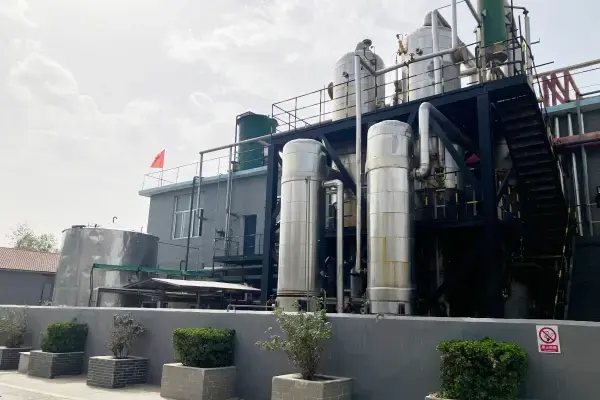
Automated reactors that can control both temperature and pH are used in large-scale manufacturing. Through absorption towers, factories reclaim NOx pollution by turning waste gases into sodium nitrite that can be used again. Wastewater recycling systems turn used liquids into sodium nitrate, which helps people follow environmental rules. Each lot is checked for copper content, pH, and impurity levels during batch processing, which lets you keep a close eye on quality. Iron and sodium impurities are kept below 30 ppm, and chloride and sulfate impurities are kept below 50 ppm. This meets the requirements for catalyst-grade uses. Continuous production lines keep up a steady flow of work, meeting the needs of high-volume customers with long-term supply contracts and tonnage requirements.
Comparing Copper Nitrate Solution with Other Copper Compounds
Before setting final specs, procurement workers often look at more than one copper salt. Each substance has its own benefits that depend on the needs of the application, the cost, and how well it works with other chemicals. Copper Nitrate Solution provides a unique balance of high solubility and oxidation potential.
Copper Nitrate vs. Copper Sulfate
Copper sulfate pentahydrate (CuSO₄·5H₂O) is still the cheapest way to get copper for many uses. Because it is cheaper, it is good for farming and treating wastewater. Sulfate ions, on the other hand, can stop some catalytic processes from working and may lead to precipitation in alkaline settings. These worries go away with copper nitrate, which works better in catalyst production than sulfate, which hurts active sites. Nitrate is useful for electroplating because it doesn't make insoluble compounds easily and mixes well with coloring agents. The nitrate form dissolves better in organic solvents, which makes it more useful for making pharmaceutical intermediates.
Copper Nitrate vs. Copper Chloride
Copper chloride (CuCl₂) is used in some chemical processes and as an etchant. Chloride ions, on the other hand, are very bad for accuracy uses. In electroplating, too many chlorides can damage the surface of finished parts by making pits and other flaws. When making catalysts, chloride content is tightly limited because it disables metal active sites. The low chloride level of copper nitrate (<50 ppm) gets around these problems, making it the best choice for high-performance catalyst production and electronics-grade uses. Copper chloride is cheaper, but copper nitrate is better in some important production processes, so it's worth the extra cost.
Performance Benchmarks and Selection Criteria
Finding the best copper combination means finding a balance between the need for clarity, the cost, and the ability to work with other processes. Ultra-low chloride and sulfate levels are important to catalyst makers, which is why they spend money on high-purity copper nitrate. When electroplating, the cost of the raw materials is weighed against the beauty of the finished surface. Higher amounts of impurity may be okay for agricultural uses, which favors cheaper choices. Before placing large orders, procurement managers should ask for thorough certificates of analysis (COA) that show impurity profiles, check that the seller has ISO certifications, and do small-scale tests.
Procurement Guide for Copper Nitrate Solution
To find a trusted source of Copper Nitrate Solution, you need to carefully evaluate vendors and know how the market works. Chemical wholesalers with a long history, such as Sigma-Aldrich, Merck, and Thermo Fisher, offer lab-grade materials with full paperwork. Industrial-scale buyers, on the other hand, can get better deals by working directly with makers who offer customized formulations and bulk prices.
Evaluating Supplier Credentials
Reliable suppliers keep their ISO 9001 quality management certification, which shows that they follow uniform standards for production. Environmental certifications, like ISO 14001, show that work and garbage control are done in a responsible way. Compliance with REACH and RoHS rules makes sure that goods follow international rules for chemical safety. Ask for MSDS (Material Safety Data Sheets) and COA paperwork before you buy. Customer reviews and a long history in the business are signs of trustworthiness. Manufacturers who have their own testing labs with high-tech tools like ICP-MS and atomic absorption spectrometers can back up claims of purity and make specs fit specific needs.
Pricing Trends and Volume Considerations
Copper nitrate prices depend on how much copper metal is worth, how easy it is to get nitric acid, and how much is being made. Due to the costs of packing and handling, small amounts (5–25 kg) are more expensive. Through direct links with manufacturers, large orders (1–20 metric tons) can get big savings. Even though the liquid form costs a little more per unit of copper content because it contains water, it has a lower total cost of ownership because it doesn't need to be dissolved on-site, which saves money on tools, energy, and labor. Agricultural markets may have buying chances during off-peak times because demand changes with the seasons.
Logistical and Regulatory Factors
Copper nitrate solutions are considered dangerous goods under UN 3141 and need to be transported in a special way. Labels, package specs, and paperwork must be done correctly according to shipping rules. People from other countries should make sure that the suppliers they buy from handle export licenses and customs clearance. Lead times range from being available right away for normal amounts to two to four weeks for custom formulas. There are big differences in the minimum order amounts. Some sellers need pledges of metric tons, while others will take sample orders as low as 20 liters. Building ties with providers who offer flexible terms helps with both testing and increasing production levels.
Best Practices for Storage, Handling, and Safety
The right way to store and handle Copper Nitrate Solution keeps people safe, keeps products safe, and makes sure that everyone in the supply chain follows the rules.
Storage Requirements and Shelf Life
To keep the solution from crystallizing, it needs to be kept between 15°C and 25°C. Trihydrate salts precipitate when the temperature drops below 5°C. Crystals need to be gently warmed and stirred to melt again without changing the chemical makeup. Free nitric acid can rust stainless steel containers, so don't use them. Instead, use HDPE, cross-linked polyethylene, or glass-lined containers. When you seal containers, the water inside doesn't evaporate, which would concentrate the solution too much. Liquid formulations stay stable for 12 to 24 months if they are stored correctly. Solid crystals soak up water and harden, but the liquid form stays chemically stable even when it's kept from drying out.
Safety Protocols and Personal Protection
Personal protective equipment (PPE) that includes chemical-resistant gloves, safety masks, face shields, and acid-resistant skirts is needed for people who work with these solutions. Work areas need enough air flow to get rid of any acid fumes. Spill containment systems need to have dikes or other additional containment that can hold 110% of the storage amount. Solid spills can be cleared up, but liquid spills spread quickly and need to be cleaned up right away with soda ash or lime. Within 10 seconds of work areas, emergency eyewash stations and safety showers should be easy to get to. Employees need to be taught how to handle emergencies and how to give first aid to people who have been exposed to acid.
Waste Disposal and Environmental Compliance
Copper nitrate solutions that have been used up can't be dumped straight into public sewers. Neutralization followed by metal precipitation is one way to treat the waste, or it can be sent back to specialized chemical waste companies. Copper can be recovered from wastewater by electrolysis or chemical reduction in places with modern drainage systems. This turns waste into materials that can be used again. Acidic leftovers stay on empty objects and need to be rinsed three times before they can be thrown away or recycled. Environmental audits and regulatory reviews are easier to do when trash handling methods are written down. When businesses work with providers that offer trash recovery services, they can save money on disposal fees and still meet their green goals.
Conclusion
To make Copper Nitrate Solution, you have to carefully manage the reaction conditions, purity requirements, and safety rules. To make sure they have stable supply lines, industrial buyers should know both the chemistry of preparation and how to buy things. When you look at copper nitrate against other compounds, you can see that it has certain benefits in catalyst production, electronics manufacturing, and precise electroplating where controlling impurities is very important. Partnerships for buying that work well strike a balance between quality standards, low costs, and technical help from the provider. Using the right containers for keeping and following strict safety rules will protect people and the quality of the product throughout its entire lifecycle.
FAQ
What concentration range suits most industrial applications?
Copper Nitrate Solutions with 13% to 16% copper by weight are usually used in industrial settings. This means that they have specific gravities of 1.30 to 1.55 g/cm³. For effective impregnation of support materials, catalyst production often needs higher amounts (40–60% Cu content). Lower amounts (5–15%) of copper are used in electroplating baths to control the rate of deposition and make sure that the coating is the same thickness all over. Agricultural formulas mix copper with other micronutrients at ranges between 3 and 10%. Custom percentage changes let the process be optimized without having to have dilution tools on-site.
Why choose copper nitrate over copper sulfate for electroplating?
Copper nitrate works better in high-precision electroplating because it doesn't react with coloring agents with sulfate ions and lowers the chance of precipitation in the alkaline cleaning stages. Nitrate solutions stay more stable when the temperature changes that happen a lot in automatic plate lines. Because there is no sulfate, there are fewer pitting flaws on the finished surfaces. This is important for car and electronics parts where the quality of the surface affects how well they work. Copper nitrate is more expensive per kilogram than copper sulfate, but its better performance makes it worth the extra cost in situations where flawless results are needed.
What certifications should buyers verify before purchasing?
ISO 9001 certification proves that quality control methods in industry are consistent. ISO 14001 shows that you care about the earth and handle trash responsibly. Documentation for REACH and RoHS makes sure that chemicals are safe for use in Europe and other countries. Ask for a COA (Certificate of Analysis) that lists the amount of copper, pH, and certain impurity levels (such as iron, sodium, chloride, and sulfate). Documentation for sending dangerous goods (UN classifications and proper shipping names) confirms that the transport plans are legal. Suppliers with OHSAS workplace health certifications show that they care about the safety of their workers and the control of operational risk.
Partner with Yunli Chemical for Reliable Copper Nitrate Solution Supply
Yunli Chemical is a reliable company that has been making Copper Nitrate Solution for more than 18 years. They have experience working with the electroplating, catalyst, and farming businesses. Our building has been certified with ISO 9001, ISO 14001, and OHSAS, and it is known as a Shanxi Provincial Enterprise Technology Center. It has advanced analysis tools like ICP-MS and atomic absorption spectrometry. We provide precision-grade purity, with iron and salt levels below 30 ppm, chloride and sulfate levels below 50 ppm, and copper amounts that can be changed from 10% to 60%.
Our eco-friendly production includes reusing wastewater and controlling NOx emissions, so our goods are REACH and RoHS-compliant. Factory-direct price cuts out the middleman, and open terms allow for both small sample orders (no minimum order quantity) and large orders of tons. Get in touch with our team at wangjuan202301@outlook.com to talk about your needs and find a reliable supply chain partner that is dedicated to quality, safety, and good value.

References
1. Cotton, F. A., & Wilkinson, G. (2018). Advanced Inorganic Chemistry, 7th Edition. Wiley-Interscience Publications.
2. Greenwood, N. N., & Earnshaw, A. (2017). Chemistry of the Elements, 2nd Edition. Butterworth-Heinemann.
3. Perry, R. H., & Green, D. W. (2019). Perry's Chemical Engineers' Handbook, 9th Edition. McGraw-Hill Education.
4. American Chemical Society. (2020). ACS Reagent Chemicals: Specifications and Procedures for Reagents and Standard-Grade Reference Materials, 11th Edition. Oxford University Press.
5. Patnaik, P. (2016). Handbook of Inorganic Chemicals: Properties, Production, and Uses. McGraw-Hill Professional.
6. Industrial Safety and Health Administration. (2021). Guidelines for Safe Handling of Oxidizing Chemical Substances in Industrial Environments. U.S. Department of Labor Publications