


What industries commonly use ferric nitrate solution in their processes?
Due to its high chemical reactivity and adaptability, Ferric Nitrate Solution is a potent oxidizing agent that has become indispensable in many industry sectors. This material is used in many fields, from making electronics to cleaning up the environment, to scratch metal, speed up chemical reactions, handle wastewater, and prepare surfaces. For tasks that need to be precise and reliable, this compound is essential because it can provide controlled oxidation, act as a source of ferric ions, and take part in specific chemical processes.
Introduction
Chemical solutions that consistently work well and meet strict quality and environmental standards are always being sought after by industry. These needs are met by Ferric Nitrate Solution, which comes in both liquid and solid forms and has clear chemical qualities that make it useful in many situations. Purchasing managers and technical experts are under more and more pressure to find materials that ensure stable product quality, full compliance paperwork, and reliable long-term supply.
This guide has everything buying workers need to know about Ferric Nitrate Solution for their businesses. We look at the basic science of the substance, how it can be used in different industries, how it compares to other chemicals, and what you need to think about when buying something from a business. Whether you're looking for high-purity grades for pharmaceutical chemicals or to meet mass requirements in electroplating, these factors have a direct effect on how well your operations run and how well you work with your suppliers.
Understanding Ferric Nitrate Solution and Its Key Chemical Properties
Molecular Structure and Physical Characteristics
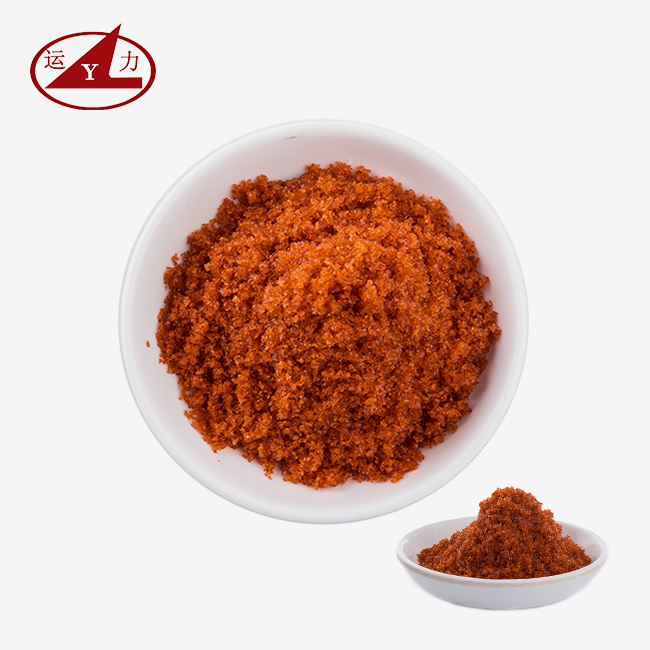
Ferric nitrate nonahydrate has the formula Fe(NO3)3·9H2O and a molecular weight of 404.01. Its CAS number is 7782-61-8. This purple crystalline substance has a specific mass of 1.68, melts at 47.2℃, and breaks down at 125℃. This substance is very hygroscopic and dissolves easily in water, ethanol, and acetone, which makes it useful in a variety of liquid systems.
Solution Characteristics and Quality Parameters
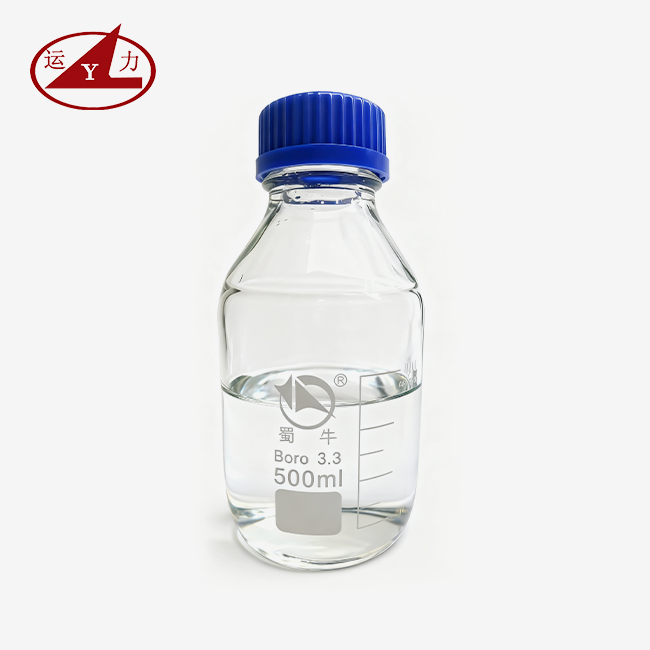
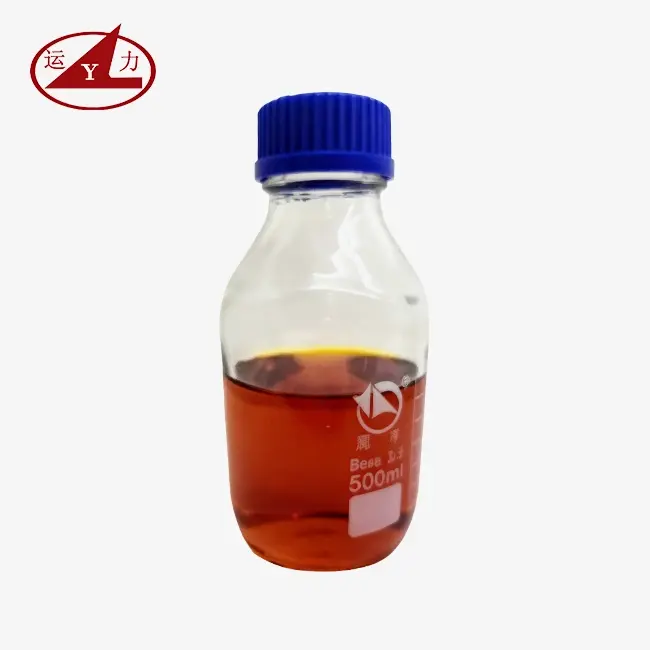
Ferric Nitrate Solution usually looks like a clear, reddish-brown to dark purple liquid when it is mixed with water. Good commercial solutions keep the iron content between 6% and 10.5% by weight and the specific gravity between 1.25 and 1.45 g/cm³ at 20°C. The best pH range for most uses is between 3.0 and 3.5, which also keeps the compound's oxidation potential. The amount of free acid, which is usually kept between 0.5% and 2.0%, has a direct effect on how fast something etches and how stable it is in storage.
Safety and Handling Considerations
Because the combination is a strong oxidizer, it needs to be handled carefully. Organic materials can catch fire or explode when they come into contact with them, and the acidic nature of the substance can irritate the skin. Heavy metals (Pb, Cu, Zn) and chlorides are kept to less than 50 parts per million (ppm) in electronic-grade fluids. This keeps sensitive uses from having problems with galvanic corrosion. The liquid form is much better than solid ferric salts because it can be dosed automatically and precisely in continuous flow reactors. This lowers the risk of handling errors and improves process control.
Industries That Rely on Ferric Nitrate Solution
Electronics and Semiconductor Manufacturing
One of the industries that needs Ferric Nitrate Solution remedies the most is technology. The chemical is used in semiconductor manufacturing facilities to precisely etch circuit boards and prepare the surfaces of substrates. The method specifically oxidizes silver coatings from copper surfaces during silver and alloy etching processes. This keeps the fine line definitions needed for high-density circuit patterns. With Fe ≤30ppm, Na ≤50ppm, and heavy metals ≤5ppm, the low impurity profile is very important for keeping out contamination that could hurt the device's performance.
Technical experts in this field really like how the compound can keep etching rates the same from one production batch to the next. When the inhibitors are mixed correctly, Ferric Nitrate Solution can remove silver from copper base metals without damaging them. This is what makes it different from other etchants. These selective oxidation qualities are also helpful for factories that make sterling silver jewelry and artistic parts.
Metal Treatment and Surface Finishing
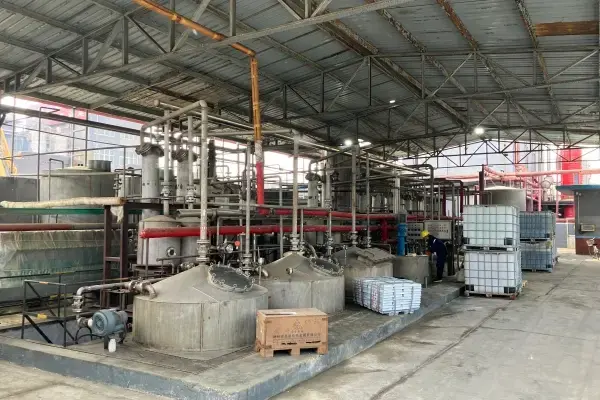
Ferric Nitrate Solution is used to prepare metal and stop rust in processes like electroplating and surface treatment. The substance does more than just etch. It also activates the surface before coating and conditions it after treatment. Shops that clean metal like this solution because it gets rid of oxide layers and makes surfaces ready for covering without adding chloride, which speeds up corrosion.
In maintenance shops, weak Ferric Nitrate Solution is used to clean only the metal parts that need it, because strong acids could damage the base materials. Controlled oxidation gets rid of specific surface contaminants while keeping important measurement limits for precision manufacturing settings.
Chemical Manufacturing and Catalyst Production
Chemical companies use Ferric Nitrate Solution as a starting material to make iron-based catalysts that are used to make methanol, speed up hydrogenation reactions, and process petrochemicals. The substance makes sure that iron is evenly spread across catalyst substrates, which lowers the risk of poisoning in copper-based catalytic systems. When using sol-gel to make nanoparticles, the liquid formulation lets you precisely control the hydrolysis process. This changes the particle size distribution, which is important for battery anode materials and superparamagnetic uses.
High-purity grades (4N-grade) are especially useful for research labs that are working on new formulations because they support experiments that need tracked paperwork like Safety Data Sheets (SDS) and Certificates of Analysis (CoA). Researchers can find the best reaction conditions without having to go through a lot of dilution steps because they can change the concentration levels between 40 and 50%.
Environmental Treatment and Wastewater Management
Ferric Nitrate Solution is used by municipal and corporate wastewater treatment plants to get rid of hydrogen sulfide (H2S) in sewer networks and treatment plants. Biological solutions take a while to work, but Ferric Nitrate Solution works right away in complex sludge systems. The combination does two things: nitrate ions give bacteria oxygen, which stops septicity; and ferric iron precipitates phosphorus and sulfides, which lowers the risk of eutrophication in effluent release.
Environmental experts like how the approach solves the problem of controlling smells in collection systems while also helping to meet the goals of removing phosphorus. Because it reacts quickly, it can be used in emergency situations where odors need to be removed right away.
Textile and Leather Processing
Ferric Nitrate Solution is used as a mordant in textile coloring and finishing processes to help the dye stick to the cloth better. When the substance combines with dye molecules, it makes the colors last longer and make the fabrics less likely to fade after being washed. In dyeing plants for leather, the chemical is used as a weighting agent and color stabilizer, which makes the material last longer and look better.
Processing companies like that the substance can be dissolved in a number of different solvents. This makes it easier to add to existing preparation systems without having to make major changes to the equipment.
Comparing Ferric Nitrate Solution to Alternative Chemicals
Ferric Nitrate vs. Ferric Chloride
Even though there are big differences, ferric chloride is still the most popular option for etching metal. Solutions containing chlorine can cause rust, which is a big problem for electrical parts and equipment made of stainless steel. Concerns about chloride pollution are taken care of by Ferric Nitrate Solution, which also has the same etching rates. The difference in price depends on where you live and the purity grade, but for big commercial uses, ferric chloride usually has lower unit prices.
More and more, environmental concerns support Ferric Nitrate Solution because nitrate-based waste streams are easier to treat with current wastewater treatment methods. Getting rid of chloride builds up in recycle systems, which is not a problem with nitrate options.
Ferric Nitrate vs. Ferric Sulfate
Ferric sulfate is used to clean water and make pigments, but it is not as good at burning things as Ferric Nitrate Solution. Nitrate versions are useful for tasks that need strong oxidation or fast reaction rates. Because sulfate-based compounds can add unnecessary sulfur to pharmaceutical intermediates and fine chemical synthesis, Ferric Nitrate Solution is the better choice for these delicate uses.
Ferric Nitrate vs. Nitric Acid
Even though nitric acid is a strong oxidizer, Ferric Nitrate Solution is better at controlling the release of iron. For processes that need to oxidize and add iron, like catalyst synthesis, nitric acid can't be used instead of Ferric Nitrate Solution because it would change the specs of the result. For safety reasons, Ferric Nitrate Solution is also better than pure nitric acid because their air pressure is less strong and there are fewer risks of breathing them in.
Procuring Ferric Nitrate Solution: What B2B Buyers Should Know?
Supplier Selection and Quality Assurance
The first step in a successful procurement process is to check the qualifications and output skills of the supplier. Businesses that have been recognized under the ISO 9001, ISO 14001, and OHSAS management systems show that they care about quality and the environment. Technology centers that are accredited at the provincial level, like those owned by well-known makers, can do advanced research and development and offer expert support.
Technical buyers should ask for full product details, such as test results measured by redox titration, chloride level confirmed by ion chromatography, and heavy metal analysis carried out with ICP-MS equipment. Changes in iron level of more than 0.5% can affect how a process works, which could lead to production waste in factories.
Packaging and Logistics Considerations
Different types of shipping containers are used for Ferric Nitrate Solution, including 25 kg drums for lab and trial operations, intermediate bulk containers (IBC tanks) for medium-volume users, and bulk tankers for ongoing high-volume operations. Customization choices for packaging let you make changes to the logos and labels that help you follow the rules in different places.
Because the substance oxidizes, it needs to be shipped internationally with the right paperwork for dangerous materials. Lead times are usually between two and six weeks, but they depend on where the goods are going and how long it takes to clear customs. Buyers who are in charge of just-in-time inventory systems should talk to sellers about setting up safety stocks in case of shipping delays.
Documentation and Regulatory Compliance
Material Safety Data Sheets (MSDS), Certificates of Analysis (CoA) for each production batch, and environmental assessment reports are all part of full compliance paperwork packages. RoHS compliance becomes necessary for making electrical components, and REACH approval is needed to sell products in Europe. When buying from controlled industries, suppliers who offer tracking documents cut down on purchase risks by a large amount and speed up the vendor approval process.
Pricing Structures and Volume Considerations
The price per unit of Ferric Nitrate Solution changes based on the order amount, purity grade, and strength. Due to strict controls on impurities, electronic-grade materials are more expensive, while technical grades are cheaper and can be used in a wider range of industry settings. Volume savings usually apply to tonnage amounts, and long-term contracts offer even more price benefits and supply priority when the market is short.
Buyers shouldn't just look at unit prices; they should also look at the total cost of ownership, which includes things like expert help, quality that stays the same, and how reliable the source is. When you switch providers after the process has been validated, you have to pay requalification costs that are often higher than the short-term price differences.
Best Practices for Using Ferric Nitrate Solution in Industrial Settings
Concentration Management and Process Optimization
Keeping the concentration levels at the right amount has a direct effect on the quality and speed of the process. Regular titration testing proves the strength of the solution, which lets Ferric Nitrate Solution be refilled before it loses its effectiveness. Temperature control during storage keeps reactions similar across production runs and stops substances from breaking down.
When adding things by hand, automated measuring systems are more accurate, especially in high-volume settings where small changes in percentage add up over time. Calibration plans should be in line with how much is being produced, with more frequent checks during busy times.
Safety Protocols and Worker Protection
When working with strong solutions, you need to wear chemical-resistant gloves, safety masks, and make sure there is enough air flow. Accidental skin contact must be covered in emergency reaction plans by flushing with water right away and getting medical help. To keep Ferric Nitrate Solution from reacting with organic materials and reducing agents, it should be stored away from these things.
Training programs that stress the compound's burning property and the right way to handle it cut down on accidents at work and boost trust among workers. Safety training records help businesses follow the rules and show they did their best during reviews.
Equipment Compatibility and Maintenance
Stainless steel, high-density polyethylene (HDPE), and some fluoropolymers can be mixed with Ferric Nitrate Solution without any problems. Stay away from carbon steel and metal for long periods of time because they rust quickly. By inspecting equipment on a regular basis, you can find early signs of wear and tear that could lead to contamination from damaged surfaces that lower the quality of the product.
Flushing practices with Ferric Nitrate Solution between production runs keep sites that make more than one product from getting contaminated. Pipes can harden with leftover solution when they're not being used, so they need to be thoroughly rinsed before the equipment is turned off.
Environmental Responsibility and Waste Management
Neutralization is needed for used Ferric Nitrate Solution before they can be put into sewer systems. When iron is treated with alkaline, it turns into precipitates that can be removed by filtering or settling. Facilities that make a lot of Ferric Nitrate Solution should look into recycling systems that can make it again from waste streams. This would lower the cost of raw materials and the damage they do to the environment at the same time.
Documented waste management processes meet the needs of environmental audits and show that a company is committed to sustainability, which is something that customers and regulatory bodies are increasingly looking for.
Conclusion
Ferric Nitrate Solution keeps showing its worth in many industrial settings thanks to its dependable performance, controlled reaction, and ability to work with many different production processes. This material can be used for a wide range of technical tasks, from precise etching of electronics to large-scale environmental cleaning. When procurement workers know a lot about Ferric Nitrate Solution's properties, uses, and where to get it, they set their companies up for efficient success. The compound's ability to work as a chemical and be approved by regulators means that it will continue to be useful as businesses look for chemicals that work well and are good for the environment.
FAQ
Q1: What are the proper storage conditions for ferric nitrate solution?
A: Keep Ferric Nitrate Solution out of direct sunlight and heat sources and in cool, dry places. Because the substance absorbs water easily, it needs to be kept in containers that are tightly sealed to keep the percentage from changing. The best temperature range for stability is between 15 and 25℃. Freezing temperatures should be avoided to avoid crystallization, which can damage the structure of the container. Keeping storage away from organic materials and reducing agents stops processes that could be harmful.
Q2: How does ferric nitrate compare to ferric chloride for metal etching?
A: Ferric Nitrate Solution is better for electronic uses and settings with stainless steel equipment because it doesn't bring the chloride contamination risks that ferric chloride does. Both substances etch at about the same rate, but Ferric Nitrate Solution is easier to use in wastewater treatment systems and doesn't cause the pitting damage that chloride ions do. For non-critical tasks, cost may make ferric chloride the better choice, while quality-sensitive tasks require Ferric Nitrate Solution.
Q3: What regulations govern bulk shipments of ferric nitrate?
A: According to the rules for transporting dangerous goods, Ferric Nitrate Solution is a reactive chemical that needs to be properly labeled, documented, and certified as a carrier. For water travel, international shipments must follow the International Maritime Dangerous Goods (IMDG) codes, and for air freight, IATA rules must be followed. The Department of Transportation (DOT) sets the rules for transportation within the United States. When suppliers give all the necessary shipping paperwork, it's easier to get goods through customs, and arrival times are cut down.
Partner with Yunli Chemical for Reliable Ferric Nitrate Solution Supply
Yunli Chemical has been specializing in nitrate chemistry for more than 18 years and provides high-purity Ferric Nitrate Solution that are suitable for current production needs. Our ISO 9001, ISO 14001, and OHSAS standards show that we are dedicated to consistent quality, protecting the environment, and keeping workers safe. These qualifications lower the risks in your supply chain.
As a direct producer with more than 1 billion yuan in yearly sales and 300 million yuan in fixed assets, we offer a stable, long-term supply that is backed by the skills of technology centers at the provincial level. Our high-tech lab has ICP-MS and atomic absorption spectrometers to make sure that every lot meets your needs. You can change the concentrations from 40 to 50%, the pH ranges, and the impurity controls to meet the needs of the most demanding uses.
Through our self-run international business, we cut out the middlemen and offer factory-direct prices without lowering the quality of our service. You can choose from a variety of flexible packing choices, such as 25 kg drums, IBC tanks, and bulk tankers. You can also get custom labels to meet regulatory standards. Our promise to deliver on time and provide expert support helps you keep up with your production plans.
To talk about your Ferric Nitrate Solution needs, email our team at wangjuan202301@outlook. We give away free samples of up to 500 grams, so you can see how well the product works before you decide to buy a lot of it. Yunli Chemical is ready to be your reliable source for Ferric Nitrate Solution, whether you need normal industrial grades or special high-purity formulations.

References
1. Smith, J.R. & Anderson, M.K. (2021). "Industrial Applications of Iron Nitrate Compounds in Modern Manufacturing." Journal of Chemical Engineering and Industrial Chemistry, Vol. 45, pp. 234-251.
2. Thompson, L.E. (2020). "Comparative Analysis of Metal Etchants in Electronics Manufacturing." Semiconductor Processing Technology Quarterly, Vol. 18, Issue 3, pp. 112-128.
3. Rodriguez, C.A. & Park, S.H. (2022). "Oxidizing Agents in Wastewater Treatment: Mechanisms and Applications." Environmental Engineering Science, Vol. 39, No. 7, pp. 445-462.
4. Williams, D.B. (2019). "Catalyst Synthesis Using Iron-Based Precursors: Methods and Quality Control." Catalysis Today, Vol. 336, pp. 89-104.
5. Chen, Y.F. & Kumar, R. (2023). "Safety Considerations for Handling Oxidizing Chemical Solutions in Industrial Settings." Occupational Health and Safety Management Review, Vol. 28, pp. 176-193.
6. Davidson, P.M. & Zhang, W. (2020). "Supply Chain Management for Specialty Chemicals: A B2B Procurement Perspective." Industrial Purchasing and Materials Management, Vol. 52, No. 4, pp. 308-325.