


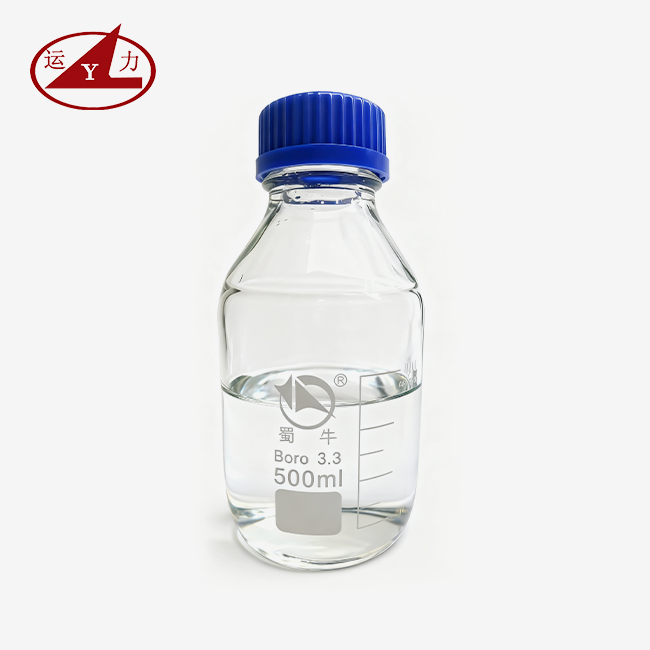
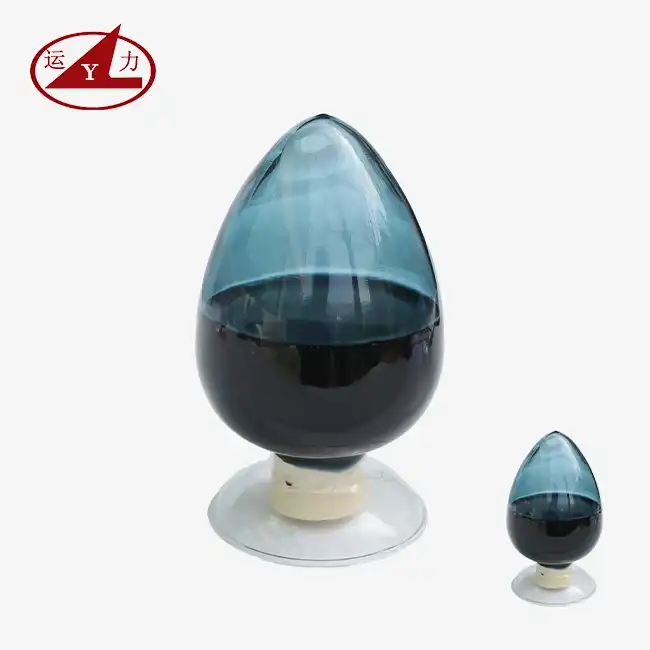
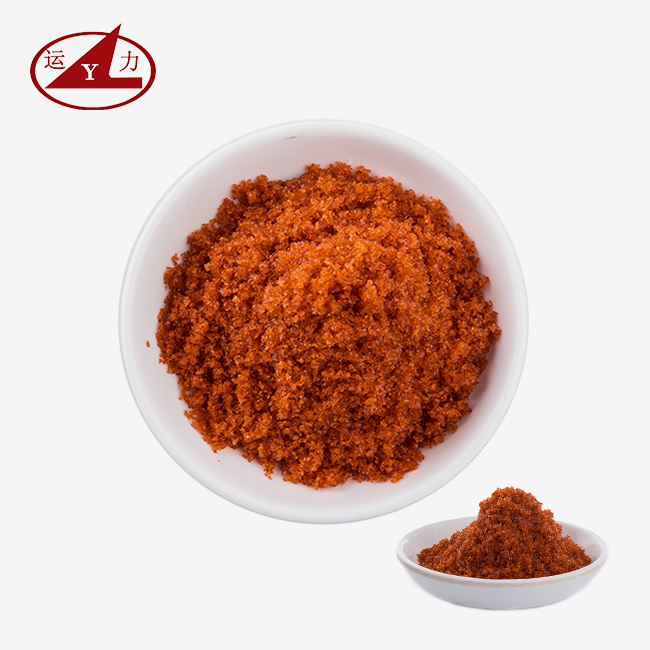
Is copper nitrate soluble in water?
In fact, Copper Nitrate dissolves very easily in water, which makes it very useful in many industry and scientific settings. Copper Nitrate Trihydrate (Cu(NO₃)₂·3H₂O, CAS 10031-43-3) dissolves easily in water and ethanol, creating acidic water solutions. About 125 grams of copper nitrate trihydrate can dissolve in 100 mL of water at room temperature. This is much easier to do than with many other metal salts. For procurement managers, technical engineers, and chemical dealers who need exact dissolution behavior for electroplating, making catalysts, and making fertilizer, this property is very important.
Understanding Copper Nitrate and Its Solubility
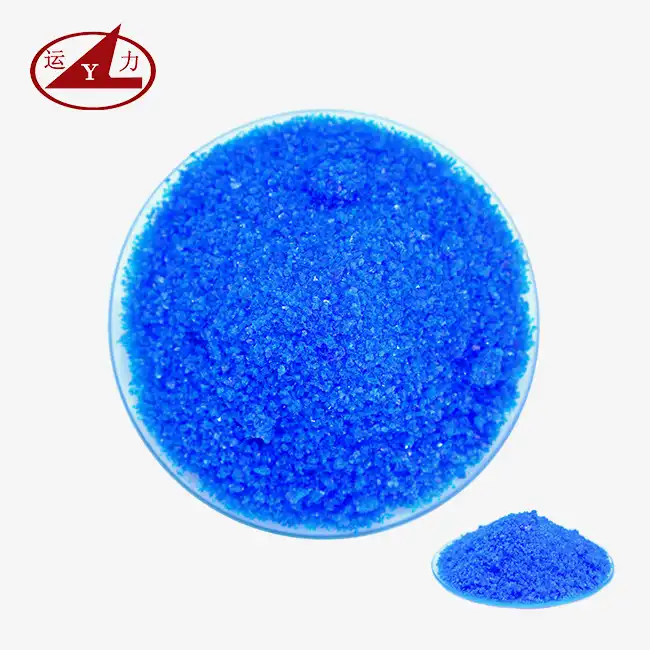
Copper Nitrate, which is written chemically as Cu(NO₃)₂, is sold as a dark blue, columnar, crystalline material that is made up of three different molecules. Copper ions (Cu²⁺) are bound to two nitrate groups (NO₃⁻) in the molecular structure, and three water molecules are part of the crystal lattice. The molecular weight of this water-form is 241.6 g/mol, and its specific density is 2.05.
Why Copper Nitrate Dissolves So Readily?
Copper cations and water molecules have strong ionic bonds, which is why the copper is so well soluble in water. When added to water, the polar water molecules secure the copper and nitrate ions by hydrating them. This breaks up the crystal structure. The combination is hygroscopic, which means it easily takes in water from the air. The nitrate anion is especially hydrophilic.
Quantitative Solubility Data
Knowing exact solubility measures helps technical teams make formulas and guess how the process will turn out. Copper nitrate trihydrate is very easy to dissolve: at 20°C, 100 mL of water can dissolve about 125 to 150 g of it. The ability to dissolve goes up with temperature; at 60°C, more than 200 g can dissolve in the same amount. The final solution is usually acidic, with a pH between 3.0 and 4.5. This makes it harder for it to mix with other parts in systems that use more than one ingredient.
These traits have a direct effect on how efficiently production works in surface treatment steps, where quick, full dissolution gets rid of any particles that aren't dissolved and could lower the quality of the plating. In the same way, consistent solubility is important for making catalysts because it makes sure that the metal is evenly spread across support materials like alumina or silica.
Practical Implications for Industrial Use
The high solubility rate gives many practical benefits. Operational studies show that pre-dissolved liquid formulas cut down on labor costs by up to 30% by getting rid of time-consuming dissolving steps in production lines. Because the compound can make concentrated solutions, it means that less product needs to be shipped and stored, which is important for wholesalers who have to manage warehouse space and freight costs.
However, because it is hygroscopic, it needs to be carefully kept dry while being stored. When things are exposed to moisture, they clump together and gain weight, which makes it harder for automated feeding systems to give the right dose. At Yunli Chemical, our standards for moisture-controlled packaging and airtight containers make sure that the integrity of the product is maintained throughout the supply chain. This means that your processes can continue to use the exact solubility qualities that they need.
Copper Nitrate vs. Copper Sulfate: Solubility and Application Comparison
When choosing copper sources, procurement workers often compare Copper Nitrate to copper sulfate pentahydrate (CuSO₄·5H₂O). Both substances release copper ions, but because they dissolve in different ways, they have different uses.
Solubility Performance Differences
In terms of how quickly it dissolves and how much it can hold, copper nitrate trihydrate is much better than copper sulfate. Copper sulfate dissolves in about 32 g of water per 100 mL of water at room temperature, which is almost four times less than Copper Nitrate. This gap gets bigger at higher temperatures, which makes Copper Nitrate the best choice when liquids need to dissolve quickly or be concentrated.
Application-Driven Selection Criteria
Copper Nitrate dissolves more easily, which makes it a great material for making catalysts. Full dissolving ensures even metal filling of hollow support structures. When electroplating and exact copper ion ratios are needed, making highly concentrated stock solutions speeds up bath preparation and lowers the size of the tanks used.
Because copper sulfate dissolves more slowly, it is better for use in farming settings where controlled nutrient release in irrigation systems is important. Because it costs less per unit of copper, it is a good choice for high-volume, price-sensitive uses like getting rid of algae in water treatment.
Purity and Cost Considerations
Copper Nitrate offers the purest choices when quality is more important than price. Yunli Chemical's high-purity copper nitrate trihydrate is as pure as 99.99% and has an iron content that is kept below 30 ppm. This meets the needs of companies that make pharmaceutical chemicals and electronic materials. We use ICP-OMS tests on every batch to make sure the quality is always the same. This keeps production from stopping for long periods of time because of impurity-related catalyst deactivation or plating flaws, which are very expensive.
Copper Nitrate usually costs 20–40% more per kilogram than copper sulfate, but when labor savings, processing speed, and quality results are taken into account, Copper Nitrate is often the better choice. Getting rid of residues that haven't been dissolved cuts down on the need for filters and the cost of getting rid of trash, which is especially helpful in businesses that have to follow strict environmental rules.
Safe Handling, Storage, and Procurement Guidelines for Copper Nitrate
Copper Nitrate has specific safety and storing needs because it is easily dissolved and oxidizes quickly. These needs have an effect on how it is bought and how it is shipped.
Key Safety Considerations
Copper Nitrate is a strong oxidizing agent that can start a fire when it comes in touch with organic materials or reducing agents. The chemical irritates the skin and eyes, and when it breaks down at temperatures above 170°C, it creates harmful nitrogen oxide fumes. Safety Data Sheets (SDS) stress the importance of good air flow, safety gear like chemical-resistant gloves and safety glasses, and eyewash stations in working areas in case of an accident.
Because water-based solutions are acidic (pH 3-4.5), they need containers and moving tools that won't rust. For long-term solution storage, barrels sealed with fluoropolymer or stainless steel grade 316 are suggested. This keeps metal contamination from happening, which could affect the purity of the product in important situations.
Storage Best Practices
The most important thing about storage is keeping moisture under control. The hygroscopic crystals take in water from the air, which makes the items weigh 10-15% more in a normal building with high humidity. This taking in of water leads to a number of issues, including clumping that stops automatic feeds from working, weakened concentrations in stored solutions, and faster breakdown at high temperatures.
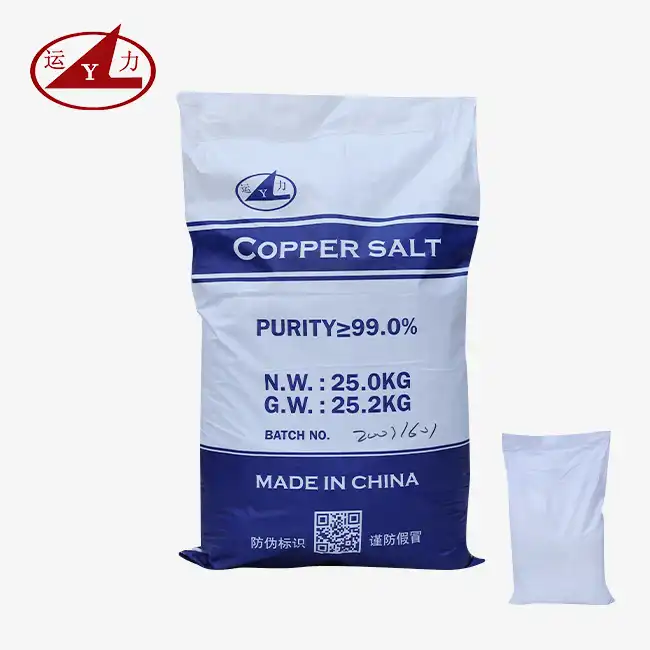
The best way to keep things is in sealed, moisture-proof cases that are kept below 25°C in dry, well-ventilated areas away from things that can catch fire. For solid goods, double-bagging in plastic liners inside fiber drums works well to keep dampness out. Yunli Chemical's package includes desiccant packets and heat-sealed inner bags that keep the product's specs for 24 months as long as it is stored properly.
Procurement and Logistics Considerations
Solubility accuracy across batches is very important when choosing sources. Changes in the hydration state or the spread of crystal sizes can affect the rate of breakdown. This makes the process unpredictable, which makes quality control harder to maintain. Reliable sellers include a Certificate of Analysis (COA) with every shipment. This document lists the solubility parameters, moisture content, and impurity profiles.
DOT and IMDG rules say that transportation planning has to take into account the fact that the combination is an oxidizer (UN 1479). This class affects how much it costs to ship, which carriers are available, and whether or not a center will take it. Working with providers who know how to handle the handling of dangerous goods, like Yunli Chemical with our self-run export business, makes compliance easier and lowers the risk of damage during transit by making sure everything is properly packed and documented.
How to Make Copper Nitrate: Synthesis Process and Considerations?
Understanding how Copper Nitrate is made gives you a better idea of how to judge the quality of a product and how the production process affects the solubility properties that are important for your needs.
Common Synthesis Methods
Adding nitric acid to solid copper or copper oxide is the most popular way to make chemicals in industry. Three copper atoms and eight nitric acids react to form three copper nitrates, two nitric acids, and four hydrogen ions. Using copper oxide (CuO) with nitric acid offers a better reaction: CuO + 2HNO₃ → Cu(NO₃)₂ + H₂O. The solution is then boiled down and cooled so that copper nitrate trihydrate crystallizes.
Role of Solubility in Synthesis and Purification
During crystallization, solubility has a direct effect on how pure the result is. When saturated solutions are cooled down under controlled conditions, big, pure crystals form while impurities stay dissolved in the mother liquor. Temperature-controlled crystallization, a specialty of advanced makers, produces crystals with consistent size distribution (20-80 mesh) that dissolve uniformly and minimize dust generation during handling.
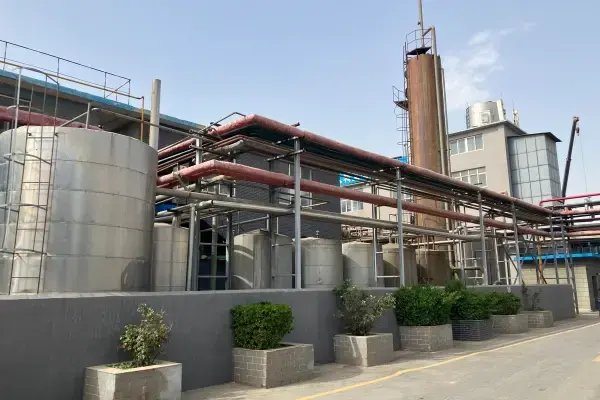
Ionic impurities like iron, zinc, and nickel that co-precipitate during the initial process are taken out by recrystallization from pure water. At Yunli Chemical, we have a multi-stage purification process that gets the iron level below 30 ppm, and we can even get it down to 5 ppm for very sensitive catalyst uses. For this level of control, we need highly advanced analysis tools. To make sure the purity of the products at every stage of production, our provincial-level business technology center uses ICP-MS and atomic absorption spectrometry.
Quality Control for Consistent Solubility
How well each batch works in your processes depends on how consistent the manufacturing is. Changes in the hydration state of crystals have a big effect on how they dissolve. Crystals that are partly dried dissolve more slowly and may form localized supersaturated zones that precipitate too soon. During crystallization and drying, our quality systems keep a close eye on the surroundings to make sure that every batch meets the trihydrate standard (Cu(NO₃)₂·3H₂O) with a moisture content of between 24.5 and 25.5%.
The rate of breakdown is also affected by the spread of particle sizes. Fine powders break down quickly, but they make a lot of dust and are hard to handle. Coarse crystals make less dust, but they dissolve more slowly, which could make batch processes less consistent. Our normal mesh range (20–80) strikes a good mix between these factors, giving you the dissolution properties you need for accurate manufacturing.
Procurement Insights: Buying Copper Nitrate for Your Business Needs
When buying Copper Nitrate strategically, you have to find a balance between price, quality consistency, supply reliability, following the rules, and expert help. This part gives you useful information you can use to make smart choices about where to source things.
Evaluating Supplier Capabilities
When looking at possible suppliers, give more weight to those who have a track record of manufacturing on a large scale and with good facilities. Large suppliers, like Yunli Chemical, which has yearly sales of more than RMB 1 billion and fixed assets worth 300 million RMB, are financially stable enough to handle changes in the prices of raw materials without affecting quality or supply. This size also lets you keep extra goods on hand in case demand goes up or there are problems with transportation.
Certifications are an objective way to show that quality management is mature. Systematic quality control is shown by ISO 9001 certification, and responsible factory practices are shown by ISO 14001 certification. These practices are becoming more and more important in companies' sustainability strategies. OHSAS workplace safety certification shows that there are standards for worker security that are in line with how the business is run as a whole. All three certificates and recognition as a Shanxi Provincial Enterprise Technology Center were earned by Yunli Chemical. This shows that the company has thorough management systems that ensure consistent product quality.
Price Structure and Volume Considerations
Copper Nitrate prices vary a lot depending on the pure grade, the type of packing, and the amount of the order. Industrial-grade material (98–99% purity) costs between $3.50 and $5.50 per kilogram in bulk, while high-purity grades (99.5–99.99% purity) cost between $8 and $15 per kilogram because they go through more steps to make them pure. For pre-dissolving services, liquid solutions cost an extra $0.80 to $1.50 per kilogram, but they get rid of the need for on-site handling and dissolution work.
Making promises to buy in bulk can save you a lot of money. Contracts that last a year and cover multiple tons of goods usually get prices that are 15 to 25 percent lower than spot rates and promise supply when the market is tight. Flexible minimum order quantities from suppliers, like Yunli Chemical's choices with no MOQ and free samples up to 500 grams, make it possible for cost-effective trial programs to be used before committing to big volumes.
Custom Formulation Options
Advanced providers can customize their products to meet the needs of your unique purpose. Formulations that are pH-adjusted keep the reaction conditions the same without adding any extra stabilizing chemicals. Iron content that is controlled (≤30 ppm norm, can be changed to ≤5 ppm) keeps catalysts from getting poisoned in reactions that are sensitive to it. Variability in dissolving from batch to batch is eliminated by pre-dissolved liquid solutions at set amounts. Most of the time, these custom solutions are a better overall value than standard grades that need to be changed after the purchase.
Logistics and Documentation Requirements
Reliable providers handle the complicated process of transporting dangerous goods by giving the correct UN 1479 classification paperwork, emergency response information, and packing that meets all the rules. You can make it easier to do your receiving inspections and regulatory reporting when you have complete paperwork packages that include a Certificate of Analysis, a Safety Data Sheet, and regulatory compliance certificates.
Direct sourcing from manufacturers gets rid of markups by distributors and makes sure that customers can get expert help. Yunli Chemical's factory-direct model and self-run international business cut costs by 10–18% compared to distributor routes. You can also talk directly to production chemists who can answer your technical questions and make goods that fit your needs. This straight connection is very helpful for fixing problems with the process or making recipes work better for new uses.
Conclusion
Copper Nitrate dissolves very easily in water—more than 125 grams per 100 mL at room temperature—which makes it an important chemical for making catalysts, treating surfaces, making fertilizers, and making specialty chemicals. This better solubility than options like copper sulfate makes it possible for goods to dissolve quickly, have concentrated solutions, and be spread out evenly. Technical and buying professionals can make better sourcing choices that improve both operational performance and cost efficiency by reading this guide and understanding the technical qualities, safe handling requirements, and procurement factors it contains. When you choose providers with proven quality systems, the ability to customize products, and full expert support, you can be sure that your operations will get consistent results while reducing supply chain risks.
FAQ
Q1: What factors affect copper nitrate solubility in water?
A: Temperature is the most important factor; as water temperature rises, solubility rises greatly. The level of hydration is also important; Copper Nitrate that is dry dissolves differently than Copper Nitrate that is trihydrate. Solution pH affects stability, but within standard levels, it doesn't change solubility all that much. Through common-ion effects, impurities, especially other metal ions, can make something less soluble.
Q2: Can copper nitrate be stored in plastic containers?
A: Yes, but there are some limits. Polypropylene (PP) and high-density polyethylene (HDPE) can handle Copper Nitrate liquids well enough for short-term preservation. But storing strong liquids for a long time may cause plastic to break down over time. Containers sealed with fluoropolymer or made of glass are better at resisting chemicals. The solid trihydrate can be stored well in plastic bags that are properly sealed to keep out dampness.
Q3: How does solubility impact copper nitrate effectiveness in fertilizers?
A: When used in drip irrigation or aerial spraying, high solubility makes sure that nutrients are quickly available. The combination breaks down fully and doesn't clog emitters, spreading copper micronutrients evenly across the root zones of plants. Copper Nitrate is better than copper sources that aren't as soluble in hydroponic systems and precision agriculture uses that need nutrients to be taken up right away.
Partner with Yunli Chemical for Premium Copper Nitrate Solutions
Yunli Chemical offers high-quality Copper Nitrate Trihydrate (CAS 10031-43-3) and has been making nitrates for over 18 years and has quality systems that are ISO-certified. Our provincial-level business technology center makes sure that every batch meets strict standards for solubility and purity. Customizable options include ultra-low iron content (≤30 ppm), pH-adjusted formulas, and liquid solutions that are already dissolved. As a reliable Copper Nitrate supplier to the electroplating, catalyst, and specialty chemical industries around the world, we offer factory-direct prices, flexible order quantities with no minimum order quantity (MOQ), free samples up to 500 grams, and full expert support. Our ability to self-operate exports and full compliance documents make buying things from other countries easier. You can email our team at wangjuan202301@outlook to talk about your unique needs and get a quote that fits your purpose.

References
1. Pradyot Patnaik, "Handbook of Inorganic Chemicals," McGraw-Hill Professional, 2002, pp. 247-249.
2. Robert H. Perry and Don W. Green, "Perry's Chemical Engineers' Handbook," 8th Edition, McGraw-Hill, 2008, Section 2: Physical and Chemical Data.
3. American Chemical Society, "Inorganic Syntheses: Volume 3," Wiley-Interscience, 1950, pp. 23-26.
4. National Institute of Standards and Technology, "NIST Chemistry WebBook: Copper Nitrate Solubility Data," U.S. Department of Commerce, 2023.
5. J.A. Dean, "Lange's Handbook of Chemistry," 15th Edition, McGraw-Hill, 1999, Tables 5.8 and 8.3.
6. G. Brauer, "Handbook of Preparative Inorganic Chemistry," 2nd Edition, Academic Press, 1963, Volume 1, pp. 1007-1009.