


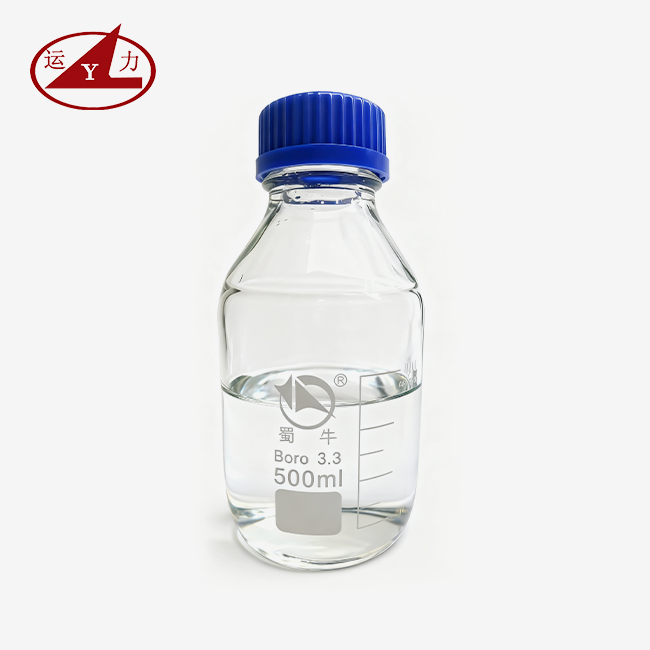
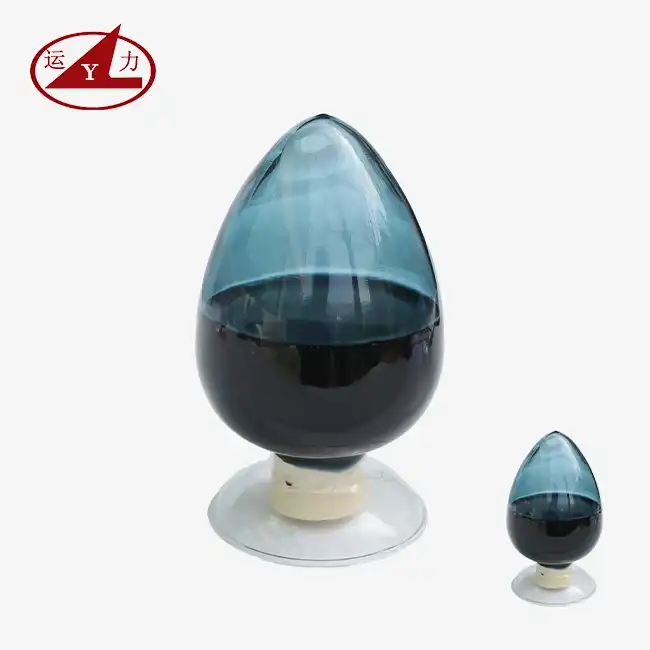
How to make ferric nitrate solution?
A Ferric Nitrate Solution may be made by combining controlled amounts of ferric nitrate nonahydrate crystals (Fe(NO3)39H2O, CAS# 7782-61-8). Depending on the needs of the commercial application, the concentration should range from 40% to 50%. To limit exothermic reactions, precise measurements must be used while adding small amounts while stirring. Additionally, frequent monitoring is necessary to ensure that the pH stays within the optimal range of 3.0 to 3.5. This facilitates the construction of solutions that meet technical requirements while maintaining safety and consistency criteria for businesses that place a high priority on quality, such as electroplating and catalyst manufacture.
Understanding Ferric Nitrate Solution
Chemical Composition and Physical Properties
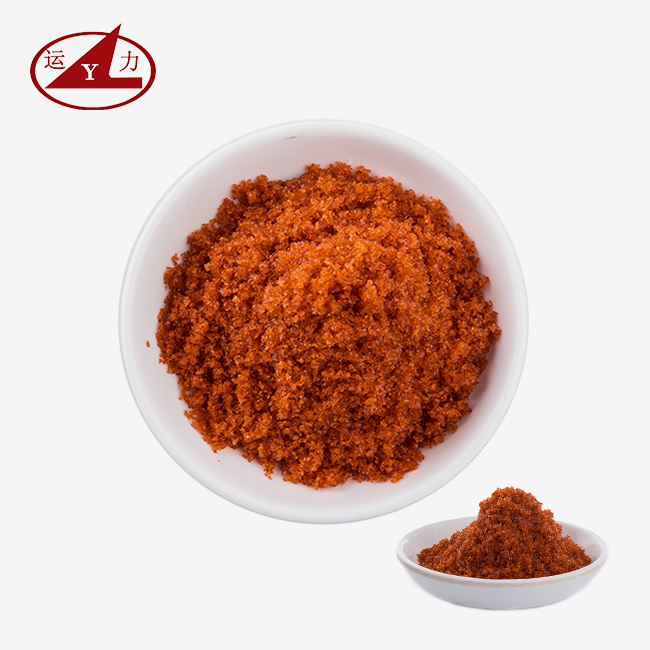
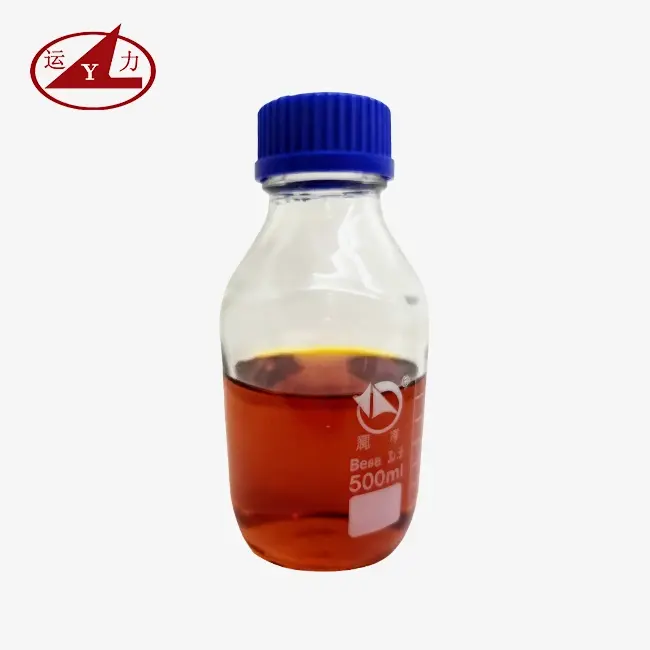
Ferric nitrate nonahydrate's characteristic purple crystals have a molecular weight of 404.01 g/mol and a specific density of 1.68. The material melts at 47.2°C and degrades and releases nitrogen fumes when heated over 125°C. Its deliquescent nature makes it easy to absorb water from the air, therefore proper storage is required to maintain purity. When dissolved in water, the solution takes on a characteristic reddish-brown to dark purple color. Because ferric ions are hydrolyzed, the pH typically settles between 3.0 and 3.5.
Industrial Applications Across Sectors
This oxidizing agent serves a number of functions across several sectors. It is often used for aluminum anodizing pre-treatment and silver etching in metal surface finishing, where it selectively oxidizes target layers while preserving the substrate. As a precursor for iron oxide nanoparticles used in hydrogenation catalysts and battery anodes, the chemical is useful to catalyst manufacturers. Its halide-free breakdown profile prevents catalyst poisoning. It is utilized in water treatment facilities to remove hydrogen sulfide from municipal systems, where sulfides are precipitated by ferric ions and nitrate ions provide oxygen to inhibit bacterial activity.
Comparison with Alternative Iron Compounds
Ferric nitrate solution works better with stainless steel equipment than ferric chloride because chloride ions worsen pitting corrosion. When rapid reaction kinetics are required, ferric nitrate is also preferred over ferric sulfate due to its higher oxidizing potential. Furthermore, no sulfur or chlorine residues are produced during thermal breakdown in the nitrate form, which is an important advantage for the synthesis of pharmaceutical intermediates and the production of electronic materials where trace contaminants compromise the end product's quality.
Step-by-Step Guide to Making Ferric Nitrate Solution
Required Materials and Safety Equipment
To properly manufacture Ferric Nitrate Solution, high-purity ferric nitrate nonahydrate crystals must meet at least 98% of the assay requirements. Distilled or deionized water is required to prevent the entry of calcium, magnesium, or chloride impurities that compromise solution stability. Analytical-grade nitric acid (10–15% concentration) may be used to modify pH if additional acidity is required for certain etching applications. Safety precautions include wearing masks, chemical-resistant gloves, and face shields since the material might cause skin irritation and explode if it comes into touch with organic things.
Precise Preparation Protocol
To begin, determine the mass of crystals required based on the intended concentration. To generate one liter of a 45% solution, dissolve around 450 grams of ferric nitrate nonahydrate in 600 milliliters of distilled water. Add little quantities of crystals to a stirring jar, allowing each to dissolve fully before adding more. This technique prevents localized overheating by controlling the exothermic dissolving process in phases. Maintain continuous mechanical stirring at 200–300 rpm to ensure a homogeneous mixture and prevent concentration gradients.
Once the dissolve is complete, gently add distilled water while monitoring the temperature until the volume reaches one liter. During processing, the solution temperature should be maintained below 30°C to minimize the chance of breakdown. Allow the solution to cool to ambient temperature before conducting quality verification tests.
Quality Control Verification Methods
To verify the iron levels, use standardized potassium dichromate or permanganate solutions for redox titration. Deviations from the target concentration of more than 0.5% may have an effect on catalyst performance and etching speeds. Use a calibrated glass electrode meter to measure the pH and confirm that it is within the normal range of 3.0–3.5. Additionally, test for chloride contamination using turbidimetric analysis with silver nitrate reagent, ensuring sure levels remain below 50 ppm, to prevent equipment corrosion and substrate damage during metal treatment operations.
Safety, Storage, and Handling Best Practices
Health Hazards and Protective Measures
According to safety data sheets, Ferric Nitrate Solution is an oxidant and corrosive substance. Respiratory tracts are irritated by mist inhalation, and skin contact may cause chemical burns or irritation. Because eye exposure poses a serious risk of harm, an immediate 15-minute water flush and medical attention are required. For work areas to have adequate ventilation, vapors must be caught by local exhaust systems. OSHA standards require that safety showers and emergency eyewash stations be situated within 10 seconds of the work zone.
Optimal Storage Conditions
Store prepared solutions in polyethylene or polypropylene containers rather than metal ones, which accelerate disintegration via catalytic processes. Although glass containers are very resistant to chemicals, they need additional confinement due to the potential for breaking. Keep storage temperatures between 15 to 25°C in climate-controlled areas out of direct sunlight since higher temperatures promote evaporation and disintegration. Storage should be kept at least three meters away from reducing agents, organic chemicals, and flammable items. Container labels must clearly display the concentration, preparation date, and GHS hazard symbols.
Spill Response and Risk Mitigation
Sand or vermiculite are examples of inert absorbent materials that must be utilized immediately to mitigate spillage. Avoid using sawdust or other flammable organic absorbents. Before disposing of small spills via accredited hazardous waste firms, neutralize them with calcium hydroxide or sodium carbonate solutions. Spill kits including absorbents, neutralizing agents, and containment barriers should be kept in convenient locations. Employees should get annual training on response protocols and the use of personal protective equipment.
Choosing the Right Ferric Nitrate Solution for Your Business Needs
Evaluating Supplier Quality Standards
Procurement managers should choose suppliers with ISO 9001 and ISO 14001 certifications, which show systematic process control and environmental compliance, especially when buying Ferric Nitrate Solution. Request Certificates of Analysis that detail the profiles of impurities, particularly heavy metals verified by ICP-OES analysis, such as zinc, lead, and arsenic.
Suppliers operating Provincial-Level Enterprise Technology Centers demonstrate R&D expertise for specialty formulations and technical support. Verifying manufacturing capacity via facility audits reduces supply chain risks; companies that produce more than 1,000 metric tons a year often have buffer stockpiles and backup production lines.
Bulk Purchasing Strategies
Tonnage clients benefit from volume-tiered pricing; quantities above 20 metric tons may save 8–15% on costs. It is advisable to negotiate extended payment terms that consider order regularity and relationship value. Request free samples up to 500 grams for test verification before making significant purchases. Clearly define the packaging requirements and choose between 25 kilogram drums for lab-scale use, 1000L IBC tanks for medium-volume manufacturing, and bulk tankers for high-volume operations. Make sure that each shipment includes customs declarations, DOT transport classifications, and MSDS to prevent delays.
Troubleshooting & Optimization for Industrial Use
Addressing Common Preparation Challenges
Precipitation of iron hydroxide indicates a significant pH increase, which is often caused by alkaline impurities in the water or incorrect dilution ratios. To restore the pH to the 3.0–3.5 range, add diluted nitric acid to the affected batches dropwise while stirring. Inaccurate weighing or measuring is often the source of concentration errors; utilize Class A volumetric glassware and calibrated analytical balances with 0.01g precision to keep measurement uncertainty below 0.5%.
Customization for Specific Applications
Cloudiness or silt deposition after storage might be signs of organic contamination or breakdown brought on by heat cycling. Check the pH and iron content once more after filtering solutions using 0.45-micron membranes. It is recommended to reject batches with concentration variations greater than 5%.
Metal etching processes may need a higher free acid concentration (1.5–2.0% HNO3) to accelerate reaction kinetics; this is achieved by including analytical-grade nitric acid into formulations. Catalyst manufacturing requires ultra-low chloride levels (<10 ppm), which calls for pharmaceutical-grade materials and glass processing equipment. To avoid exothermic reactions, dilute concentrated solutions with pure water at all times.
Conclusion
By becoming proficient in the production of Ferric Nitrate Solution, technical engineers and procurement teams may save expenses without sacrificing quality. The straightforward dissolving procedure yields reliable solutions for demanding industrial applications when it is executed with meticulous attention to pH control, concentration accuracy, and impurity management. Understanding safety protocols, storage requirements, and troubleshooting methods ensures operational continuity. When qualified suppliers with proven quality procedures and technical support are selected, purchasing raw materials becomes a strategic alliance that enhances production efficiency and product consistency.
FAQ
Q1: What is the ideal storage temperature for ferric nitrate solutions?
A: Store items between 15 and 25°C to maximize chemical stability and shelf life, which typically lasts 12 to 18 months. Over 30°C speeds up the breakdown process, causing concentration drift and the creation of lower-quality precipitates.
Q2: Can we prepare solutions directly from ferric nitrate crystals on-site?
A: On-site preparation of nonahydrate crystals lowers expenses and eliminates shipping restrictions associated with corrosive liquids. Basic laboratory equipment, skilled personnel, and quality control expertise are needed to guarantee batch consistency before production use.
Q3: How does ferric nitrate compare to ferric chloride in water treatment applications?
A: Because it provides dual functionality via iron precipitation and nitrate-based biological oxygen requirement, Ferric Nitrate Solution is superior for regulating hydrogen sulfide in sewage systems. Ferric chloride is less costly than other materials, however it introduces chloride ions that harm infrastructure and increase effluent salinity, which may violate discharge licenses.
Partner with Yunli Chemical for Reliable Ferric Nitrate Solution Supply
XiaXian Yunli Chemical is your dependable Ferric Nitrate Solution manufacturer with over 20 years of experience in nitrate chemistry supporting B2B connections throughout North America. Our ISO 9001, ISO 14001, and OHSAS-certified facilities regularly create formulations with concentrations of 40–50% with industry-leading impurity control—Fe ≤30 ppm, Na ≤50 ppm, and heavy metals ≤5 ppm. As a Provincial-Level Enterprise Technology Center, we provide free samples up to 500 grams, customized concentration adjustments, and thorough documentation, including COA and MSDS. Direct factory pricing eliminates distributor markups, and businesses of all sizes may profit from our versatile packaging, which includes bulk tankers and 25 kilogram barrels. Contact wangjuan202301@outlook today to discuss your requirements and discover how our technical expertise can optimize your procurement strategy.
References
1. Smith, J.R. & Anderson, K.L. (2021). Industrial Applications of Iron Nitrate Compounds in Modern Manufacturing. Journal of Applied Chemical Engineering, 45(3), 287-301.
2. Thompson, M.D. (2020). Safety Protocols for Handling Oxidizing Inorganic Solutions in Industrial Settings. Chemical Safety and Hazard Management Quarterly, 12(2), 134-152.
3. Rodriguez, P. & Chen, W. (2022). Comparative Analysis of Iron-Based Coagulants in Municipal Water Treatment Systems. Water Quality Research International, 38(4), 412-428.
4. Williams, E.H. (2019). Quality Control Methods for Transition Metal Salt Solutions in Catalyst Production. Catalysis Manufacturing Today, 27(1), 56-73.
5. Baker, S.T. & Morrison, L.K. (2023). Storage Stability and Decomposition Kinetics of Aqueous Ferric Nitrate Formulations. Industrial Chemistry Advances, 51(6), 789-804.
6. Henderson, R.A. (2021). B2B Procurement Strategies for Specialty Chemicals in North American Markets. Supply Chain Management Review for Chemical Industries, 19(3), 201-218.