


Is cobalt nitrate corrosive?
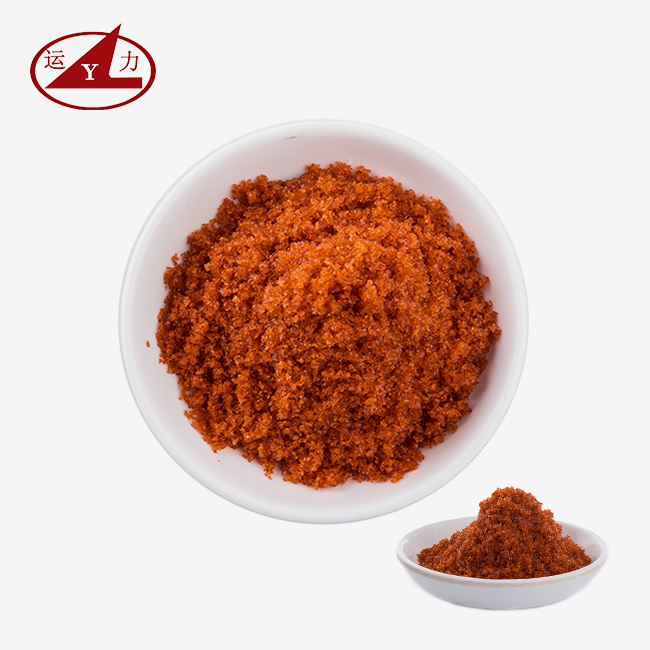
Is Cobalt Nitrate Corrosive? Yes, cobalt nitrate hexahydrate (Co(NO₃)₂·6H₂O, CAS 10026-22-9) exhibits corrosive characteristics. This red-brown crystalline compound can cause skin burns upon prolonged contact and irritates respiratory passages when inhaled. Its oxidizing nature poses reactivity risks with organic materials, potentially triggering combustion or explosive reactions. While not classified as highly corrosive to metals under normal conditions, its aqueous solutions can degrade certain metal surfaces over time, especially in concentrated forms or elevated temperatures. Understanding these properties helps procurement teams implement appropriate safety protocols.
Understanding Cobalt Nitrate and Its Properties
Chemical Identity and Molecular Characteristics
The molecule weight of Cobalt Nitrate hexahydrate (Co(NO₃)₂·6H₂O) is 291.03 g/mol. It is a man-made salt. This chemical is a flake or rock that is dark brown and very hygroscopic, which means it can easily take in water from the air. As the Cobalt Nitrate molecule is put together, it has six water molecules connected to its core. This changes both how stable it is and how reactive it is. Its specific density is 1.88 g/cm³, and its melting point is between 55 and 56°C, which is the temperature at which it melts in the water that it forms crystals in.
Solubility and Thermal Stability
The item is very easy to dissolve in many different types of liquids. It breaks down quickly in water (about 134 g per 100 mL at 0°C), ethanol, and acetone when they are hot. This stuff is very simple to break down, which makes it useful for jobs that need uniform liquid starting materials, like electroplating pools or catalyst impregnation. It gives off nitrogen fumes and turns into cobalt oxide (Co₃O₄) when something breaks down at 74°C. One important thing to remember about safety is this. This method doesn't leave any sulfur behind, so it's better than Cobalt Sulfate for calcination needs that need to be clean.
Oxidizing Properties and Reactivity Risks
Cobalt Nitrate can give off oxygen because it has the nitrate anion (NO₃⁻) in it. This is something that can happen when chemicals react. Because of this, the combination could be dangerous for fire if it comes into touch with organic materials that are easily caught on fire, reducing agents, or other things that can catch fire. To follow safety rules in the workplace, it is an Oxidizer Class 5.1 material under UN 1477 (Nitrates, manufactured, n.o.s.). There are rules for moving, handling, and storing that depend on these basic characteristics. Procurement teams have to think about these when they are evaluating providers.
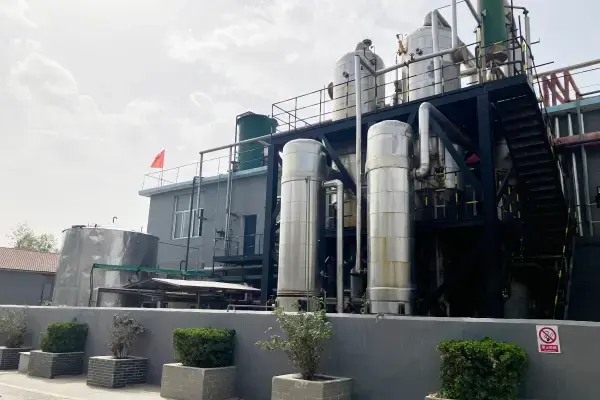
Is Cobalt Nitrate Corrosive? Detailed Risk and Hazard Analysis
Defining Corrosiveness in Chemical Safety Context
Corrosiveness is the chemical power of a substance to hurt living flesh or surfaces of materials in a way that can't be fixed. Corrosive materials are put into groups based on how quickly they damage tissue and whether they are acidic or basic. Examples of these groups are OSHA's Hazard Communication Standard and the Globally Harmonized System (GHS). Corrosive chemicals are those that break down skin cells in a way that can be seen after a certain amount of time. Material Safety Data Sheets (MSDS) list general details about rusting, like the kinds of rust that can damage skin, the chance of eye damage, and the speed at which metals lose their strength.
MSDS Evidence and Biological Corrosion Risks
Forms for industrial safety say that touching Cobalt Nitrate hexahydrate for a long time can hurt or even burn the skin. Through its cobalt cation and reactive nitrate parts, the chemical gets through the skin's barriers, hurts tissue, and makes it red. It irritates your throat, nose, and lung cells when you take it in. It is very risky to look someone in the eye because it can hurt and make it hard to see. These biological weathering effects mean that people need to wear protective gear (PPE) like nitrile or neoprene gloves that are resistant to chemicals, safety masks, and breathing masks when they are in dirty places.
Material Corrosion and Equipment Considerations
Cobalt Nitrate solutions don't break down metals as quickly as strong mineral acids do, but they can do so over time if they are concentrated. Most of the time, storage boxes and process tools can handle 316L types of stainless steel. On the other hand, if there is even a tiny bit of salt in the product (more than 0.005%), it can make stainless steel crack when it gets hot. Strong acids can eat away at light steel and metal, especially when the solutions are hot or very concentrated. It's important to make sure that the material works with the solution content, working temperature, and contact time before you buy the tools.
Comparative Analysis with Related Cobalt Compounds
It takes in more water and makes more acidic solutions, which could speed up the rusting of metals. Cobalt Sulfate (CoSO₄) turns into sulfuric acid. This changes how rust works and leaves behind sulfur leftovers that make it harder to work with later. Cobalt Nitrate is a good choice because it quickly turns into oxides and has a good pH range (in water, it's usually between 3.0 and 5.0). When making a catalyst, these differences are very important because any extra anions can hurt the active sites or change the product's specs.
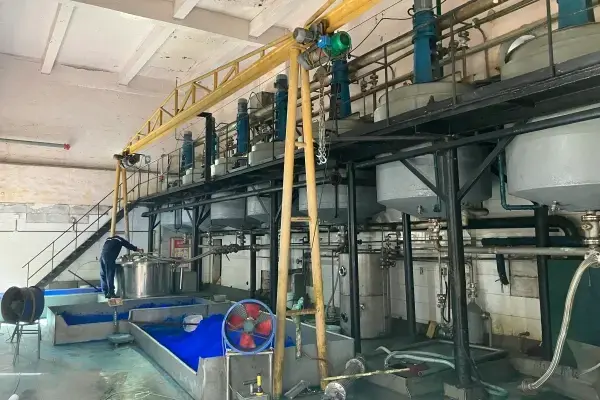
Practical Industrial Handling Recommendations
Safe handling of Cobalt Nitrate requires thorough procedures that take into account all potential exposure routes. Some technical controls that should be used are local exhaust air, enclosed transfer systems, and putting things away from things that don't go together, like flammables, organic solvents, and reducing agents. Emergency action plans need to include places to clean your eyes, safety showers, and tools for cleaning up messes. By following the rules for getting rid of hazardous waste the right way, we can keep the world clean. Food doesn't go bad too quickly when the temperature is kept in check while it's being stored. Climate-controlled shops keep food fresh and avoid problems that make it hard to handle, like caking or freezing.
Comparing Cobalt Nitrate with Other Cobalt Salts: Safety and Use Cases
Corrosiveness and Chemical Stability Profiles
When people buy cobalt, they often look at Cobalt Nitrate and other types to see how stable it is and how likely it is to rust. It is less expensive and simpler to dissolve Cobalt Chloride, which can be useful sometimes. The chloride content, on the other hand, rusts stainless steel devices and leaves behind unwanted residue in electronics. Cobalt Sulfate is easy to find and dissolves easily in water. However, its sulfate anion makes precipitation processes harder and leaves sulfur traces that make catalysts work less well. Due to its mild acidity, ease of breakdown at high temperatures, and superior performance in applications requiring high-purity oxide precursors, Cobalt Nitrate strikes a good balance between these factors.
Application Scope and Industry Preferences
Different companies value cobalt salt in different ways. Particularly for NCM (Nickel-Cobalt-Manganese) and NCA (Nickel-Cobalt-Aluminum) cathode materials, Cobalt Nitrate is being used more and more in co-precipitation methods in the battery production business. Nickel and manganese solutions can mix at the atomic level when it is in the nitrate form. This creates regular precursor particles that are important for increasing energy density. A lot of catalyst makers like Cobalt Nitrate for hydrodesulfurization (HDS) jobs because it is easy for the liquid to get into the holes in alumina and spread out the active sites evenly. It works well with high-fidelity cobalt blue dyes because it has a low iron level (≤30 ppm in luxury grades), which stops the color from running.
Purity Grades and Quality Control Indicators
The quality of the product has a big impact on both how likely it is to rust and how well it works in an application. Cobalt Nitrate that is laboratory-grade (98.0–99.0% test) is good for general study and training, while industrial-grade material (98.5%) is good for normal production needs. Standards for electronics (≥99.5% with Fe limits of less than 10 ppm, Ni limits of less than 20 ppm, and Cu limits of less than 5 ppm) meet the needs of these days' batteries and chips. On Certificates of Analysis (COA), it's important to list the amount of cobalt (measured by EDTA titration), water insolubles (<0.01%), salt content (<0.005%), and heavy metal pollution (measured by ICP-OES analysis). These quality standards have everything to do with how well and safely a product works.
Supplier Variability and Procurement Considerations
What makes the prices of different cobalt salts change is where the raw materials come from, how hard it is to make, and the quality standards. Because it is more difficult to make and needs to be handled in a certain way, Cobalt Nitrate typically costs more than sulfate types. To find the total cost of ownership, you should think about how well the next steps are carried out, how much it costs to get rid of waste, and how that changes the return of the product. You need to look at more than just the unit price when you judge a provider. Also, check out their factory certificates (ISO 9001, ISO 14001), records of environmental compliance, and how well they can help customers. Manufacturers that have been around for a while and been approved by a local technology center are a good choice because they have resources for regular quality control and research and development to make custom recipes.
Best Practices for Procurement and Safe Use of Cobalt Nitrate
Supplier Selection Criteria for Quality Assurance
It's not enough to just look at price when you need to find a good Cobalt Nitrate supplier. How reliable a product is depends a lot on how long the company has been in business. Suppliers who have been making goods for 20 years or more know how to fix issues and have mastered the process. A company that makes more than 1 billion yuan a year and has a lot of fixed assets is financially stable and can keep running even if there are problems in the supply chain. OHSAS safety standards, ISO 9001 quality management, and ISO 14001 environmental systems should all be part of certification packages. This will make sure that work goes according to plan.
When the market is tough, you can tell the difference between good providers by how well they do technical things. The government sees your R&D skills as valuable since you are in charge of a local business technology center. ICP-MS (Inductively Coupled Plasma Mass Spectrometry) and atomic absorption spectrometers are high-tech analysis tools that make it possible to exactly control impurities. This is important for making 4N-grade (99.99% pure) materials for the technology and medicine industries. More care needs to be taken with environmental compliance because making nitrates makes wastewater streams and nitrogen gas releases more difficult. Suppliers who have closed-loop systems for treating NOx and getting rid of garbage show that they care about running environmentally friendly businesses and lower their customers' legal risks.
Storage and Handling Protocols
By keeping things the right way, corrosion risks are kept to a minimum and product quality is kept up all along the supply chain. Because it absorbs water, Cobalt Nitrate needs to be kept in covered HDPE drums or 316L stainless steel tanks in a climate-controlled area where the temperature is between 15 and 25°C and the relative humidity is below 60%. Keeping things away from each other that don't mix well, like ammonia compounds, reducing agents, and organic solvents, stops reactions from happening by accident. There should be an easy way to check things, move things around using the "First In, First Out" rule, and quickly get to things in case of an emergency. Any leaks are caught by secondary control systems, which also protect the building's equipment and the area around it.
Handling methods stress keeping people from getting exposed through technical limits and government actions. There is less dust in the air when things are being loaded and removed with closed-transfer systems. From the time you get the raw materials to the time you give the finished product, batch tracking lets you keep track of everything. Also, this helps make sure the work is good and sticks to the rules. Workers should be taught how to spot dangers, pick out and use PPE, what to do in an emergency, and how to keep good records as part of their training. As people leave and rules change, people are kept up to date with regular practice classes.
Integrating Safety Protocols into Procurement Workflows
When modern buying departments check out sellers and keep in touch with them, they think about safety. When you first check out a provider, you should look at things like the number of accidents, how strict the training program is, and how committed management is to continuous growth. The contract says that you have to look over the MSDS, and buyers have to give you up-to-date safety papers with the most recent information on the makeup and risks. The conditions of the sale must make it clear what the acceptance standards are for things that cause rust, such as heavy metal waste, free acid content, and chloride limits.
Long-term contracts work best when there are controlled ways to talk about safety results. Safety data analysis, sharing of near-miss events, and working together on improvement projects are all things that can be a part of business reviews every three months. Expert support services like application building, analytical testing, and assistance from sellers who do more than just sell things add value. These relationships lower business risks and make processes run more smoothly, which gives them an edge over buyers who only look at price.
Conclusion
Cobalt Nitrate hexahydrate is dangerous, so it should only be handled and kept by experts. Because it oxidizes and can hurt skin and lung tissue, it can only be used in fields with strict safety rules. We need to put these traits in their proper place, though. Cobalt Nitrate doesn't pose as many risks as strong acids or materials that rust quickly, as long as the right safety steps are taken.
When you buy something, you need to find a good balance between safety worries, performance goals, and total cost. When picking a seller, you should look at more than just price. You should also see how well they know how to make things, how technically skilled they are, and how environmentally friendly they are. When it comes to cobalt salts, this one is the best because it breaks down neatly, dissolves easily, and can be used in specific ways. Companies can use Cobalt Nitrate safely in catalyst, battery, ceramics, and specialty chemicals as long as they understand how rust works, follow strict handling rules, and only work with reputable providers.

FAQ
Does cobalt nitrate corrode stainless steel equipment?
Cobalt Nitrate solutions don't work well with all kinds of stainless steel, but they do work with 316L types that have molybdenum added to them to make them more resistant to rust. When there is more than 0.005% chloride in a dense liquid at high temperatures, the surface may break down more quickly. Regular checks and following the right steps for rinsing greatly extend the life of tools.
What personal protective equipment is required when handling cobalt nitrate?
To protect yourself from chemicals, you should wear safety masks or face shields, gloves made of rubber or neoprene, and protective clothing that covers any skin that is uncovered. When handling powder and the amount of dust in the air is higher than what is safe, you need to wear a N95 mask or use one of the offered air systems to protect your lungs. It should be easy to get to safety baths and places to wash your eyes in case of an emergency.
How does cobalt nitrate's corrosiveness compare to nickel nitrate?
Neither material is particularly good at oxidizing things or irritating cells. More people become sensitive to nickel goods because nickel causes allergic rashes more often than cobalt does in sensitive people. When looking at material rust, the metal attack rates of their water-based solutions are about the same. The amount and temperature of the metal cations have more of an effect than their identity.
Partner with Yunli Chemical for Premium Cobalt Nitrate Supply
Since more than twenty years, Yunli Chemical has been making Cobalt Nitrate, which has helped businesses all over North America with their batteries, electroplating, and catalysts. Our Cobalt Nitrate hexahydrate is very pure (≤30 ppm iron content, sulfur-free formulas), which makes it perfect for demanding uses that need to be sure of quality and follow the rules. Along with our local technology center accreditation, we keep our ISO 9001, ISO 14001, and OHSAS certifications up to date to make sure that every batch meets the strict international standards.
Our full-service model lets you get free samples up to 500 grams, choose how to pack them, and make orders starting at 25 kg, so it's easy to do test runs. You cut out the middleman and keep communication clear when you can ship yourself and get prices straight from the plant. You can talk to our expert team about your specific needs, get Certificates of Analysis, or set up product samples by emailing wangjuan202301@outlook.com. You can also find out how our closed-loop environmental systems and improved quality control can help you reach your goals for business excellence and sustainability.
References
1. Occupational Safety and Health Administration (OSHA). "Hazard Communication Standard: Safety Data Sheets." U.S. Department of Labor, 2020.
2. American Chemical Society. "Reagent Chemicals: Specifications and Procedures for Reagents and Standard-Grade Reference Materials." 11th Edition, Oxford University Press, 2017.
3. National Institute for Occupational Safety and Health (NIOSH). "NIOSH Pocket Guide to Chemical Hazards: Cobalt Compounds." Centers for Disease Control and Prevention, 2019.
4. European Chemicals Agency (ECHA). "Guidance on the Application of the CLP Criteria: Corrosive to Metals." Version 5.0, Helsinki, Finland, 2021.
5. Society of Automotive Engineers (SAE). "Cobalt Precursors for Lithium-Ion Battery Cathode Materials: Technical Review." SAE International Journal of Materials and Manufacturing, Vol. 14, No. 3, 2021.
6. International Organization for Standardization (ISO). "ISO 14001:2015 Environmental Management Systems: Requirements with Guidance for Use." Geneva, Switzerland, 2015.