


How to neutralize ferric nitrate?
Be careful when adding alkaline substances like sodium hydroxide, calcium hydroxide (lime), or ammonium hydroxide; they need to bring the pH of the mix down to about 7-8. This will reduce the Ferric Nitrate. This will lead to the formation of iron hydroxide, which will balance out the acidic nitrate ions. You have to do this in order to get rid of trash the right way, keep things safe, and follow the rules. Neutralization stops industrial systems from rusting and gets rid of the environmental problems that come with acidic iron salt waste. The people who work at Yunli Chemical know that buying managers and process engineers need clear directions on how to handle Fe(NO₃)₃·9H₂O safely while still following production and environmental rules.
Understanding Ferric Nitrate: Properties and Challenges
Chemical Identity and Physical Characteristics
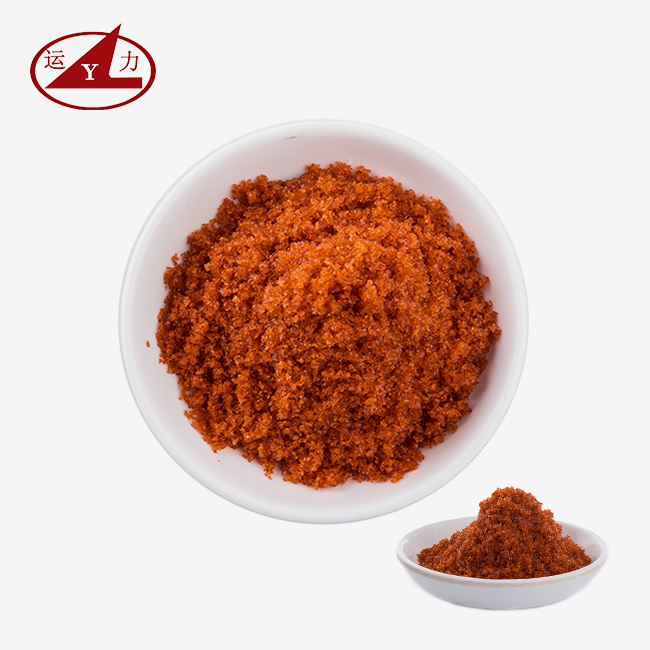
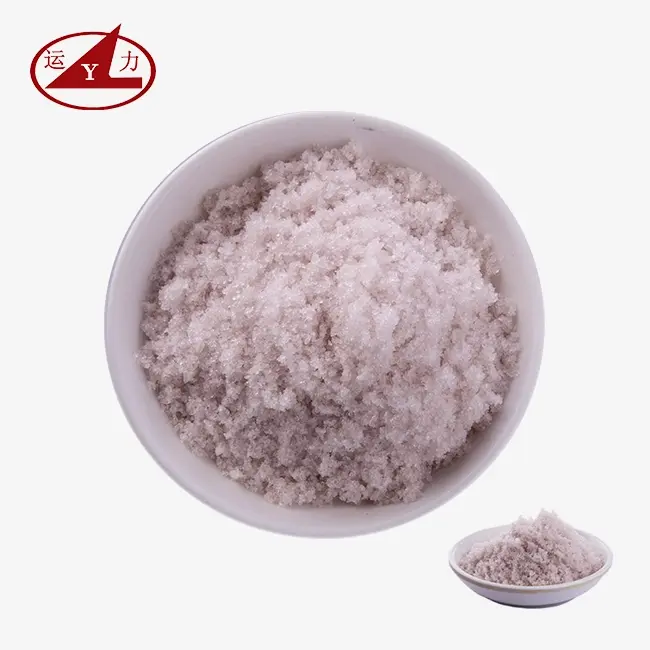
A dark solid material with a mole weight of 404.01 grams, Ferric Nitrate Nonahydrate (Fe(NO3)09H2O, CAS 7782-61-8). This stuff has a specific mass of 1.68 and a freezing point of only 47.2°C, which means it doesn't melt at room temperature. When something is heated above 125°C, it breaks down thermally, releasing nitrogen oxides and leaving behind iron oxides. The chemical is widely used to make catalysts, dye fabrics, and clean metal surfaces because it dissolves so easily in water, ethanol, and acetone. It needs to be treated carefully because it oxidizes quickly and can set biological things on fire or blow up.
Industrial Applications and Safety Imperatives
There are important roles for the material in electroplating, tanning leather, and making chemical intermediates. When highly pure types (≥98%) are used to make catalysts, they protect delicate chemical processes from getting too dirty. In the textile business, chloride-controlled recipes (<50ppm) are used to keep fibers from breaking down while the dye is being fixed. For washing metal, it's best to use formulas that follow RoHS and REACH rules and don't contain dangerous hexavalent chromium chemicals. That being said, it is very important to carefully follow the MSDS directions because the material oxidizes and makes the skin red. For activities to be safe, you need to have the right safety gear, work places with good air flow, and systems that catch spills.
Why Neutralization Matters for Operational Continuity?
There are big risks to processes when Ferric Nitrate solutions aren't thrown away. If you put 10% water into an acidic solution (pH 1.5–2.5), it will rust stainless steel handling equipment faster. This makes it less useful and costs more to maintain. It is against the law to dump acidic metal salt solutions directly into the environment. Also, EPA rules say that garbage must have its pH dropped before it can be sent to city treatment plants. When iron is neutralized, it turns into hydroxide precipitates that are not soluble in water. This makes it easy to sort and dump trash while also getting back useful metals that can be used again. When process engineers use neutralization methods, they lower their risk of being sued and make sure that production plans stay on track with environmental permits.
Chemical Principles Behind Ferric Nitrate Neutralization
Acid-Base Reaction Fundamentals
Acid-base chemistry is used to make Ferric Nitrate solutions less acidic. Iron(OH)₀ is made when nitric acid and alkaline materials join their hydrogen ions (OH⁻). There are two steps to the process. First, there is less free nitric acid, which is made when something breaks down. Next, ferric hydroxide starts to form when the pH goes above 3.5. Using chemical or electrical monitors to keep an eye on the pH change makes sure that the solution is fully balanced and that there isn't too much alkalinity that could dissolve the precipitates again. By keeping an eye on the temperature while the chemical is being added, dangerous nitrogen oxide fumes are kept from jumping around in the pH level. Mixture is properly spread out with reducing agents when it is stirred in the right way. There are no breaks in the reaction that would make the treatment less effective.
Selection of Alkaline Neutralizing Agents
Sodium hydroxide, or caustic soda, is still the most common neutralizer because it is easy to dissolve and speeds up processes. It turns Fe(NO₀)₀ + 3NaOH into Fe(OH)₀↓ + 3NaNO₀, which makes a solution of sodium nitrate and a solid layer of iron hydroxide. Lime, which is calcium hydroxide, is a cheaper choice that can be used to treat large amounts of wastewater. However, it needs to be carefully dosed so that it doesn't leave behind trash that hasn't been broken down. For lab work where nitrogen by-products aren't a big deal, ammonium hydroxide is good. But because ammonia smoke is dangerous, it's not often used in industry. Different neutralizers leave behind substances that change the next step in the process. To give you an example, sodium salts make solutions more conductive, while calcium compounds can build up on equipment and need to be cleaned off regularly.
Differentiating Iron Nitrate from Related Compounds
Ferric Nitrate is not the same as Ferrous Sulfate or Ferric Chloride in terms of how it acts as a cushion. It crystallizes when the pH is between 3.5 and 4.0. But ferrous ions (Fe∂) need a pH above 8.0 and can turn into oxygen when they are touched. There are problems with rusting that don't happen with nitrate forms of compounds that contain chlorine. Because of this, it is very important to pick the right material for tools. When lime is added to reduce sulfate forms, gypsum forms, which makes it harder to deal with sludge. Tech teams can pick the best chemicals and process settings for each output area if they know these differences. Managers in charge of buying things need to know what kinds of iron salt are available, how they can be neutralized, and how they should be released into the environment.
Step-by-Step Methods to Neutralize Ferric Nitrate
Sodium Hydroxide Neutralization Procedure
First, weaken Ferric Nitrate solutions that are very concentrated so that they have concentrations below 20% that can be used. This is what will keep it from getting too hot. To make a 10–20% sodium hydroxide solution, you should use a different jar that can be stirred by hand. Watch the pH level with measuring tools as you slowly add the caustic solution to the acidic iron salt. Make sure you don't add too quickly or too slowly, or the pH could rise too high in some places and release dangerous fumes. A pH range of 7.5 to 8.0 at the end of the process will allow for full precipitation without too much alkalinity. Do not filter or centrifuge it for 30 to 60 minutes. This will help separate the rusty-brown Fe(OH)₂ leftovers. It's possible that the cleaner supernatant needs more biological treatment before it can be released so that it fits the nitrogen limits in wastewater permits.
Lime-Based Neutralization Protocol
Dried lime powder is mixed with water until there are 5–10% solids in the water. This makes calcium hydroxide slurry. To get rid of as many bits that haven't changed, high-shear mixers are used. With measure pumps, add this slurry to the waste stream that is acidic and keep stirring the whole reaction tank. Lime doesn't dissolve as quickly as caustic soda, so it takes 45 to 90 minutes to mix everything so that it's all equal. The precipitate that forms is made up of iron hydroxide and extra calcium compounds. This makes sludge that is thicker and better for drying. Calcium nitrate is often found in cleaned wastewater. It breaks down faster than sodium salts, but it may make the water it enters stiffer. If lime feed systems are cleaned often, solids that have built up won't get stuck.
Process Control and Safety Measures
Set up pH control systems that change the rate of neutralizer feed based on real-time data and use feedback loops. There should be at least two monitors used to find problems with the equipment before they cause discharge violations. Plan how to stop the process quickly if the pH level rises above the setpoints, which are generally ±0.3 units. There should be enough air flow to get rid of any nitrogen oxide fumes that may come out during the first acid reduction. When temperatures suddenly rise more than 10°C above usual, this is called thermal runaway. Teach your employees how to spot this. Eyewash stations and safety showers should be no more than 10 seconds away from areas where neutralization is taking place. Keep track of all the parts of the process in batch records. This will help with legal checks and efforts to get better all the time.
Practical Considerations for Industrial Neutralization and Procurement
Strategic Sourcing of Quality Neutralizing Agents
The people who are in charge of buying things should give more weight to buyers whose goods meet standard criteria. The certificates of analysis (COA) that come with every package can be used to check this. Place limits on the amount of chloride (<100ppm) and carbonate (<2%) that can be left behind in sodium hydroxide so that they don't affect other steps in the process. The people who sell lime must promise that the calcium oxide content is above 90% and the reactive silica content is below 1.5% for the neutralization to work well. It's cheaper to ship when you buy in bulk in truckloads (20 to 25 metric tons), but storage sites need to be able to handle dangerous chemicals. By offering to buy in bulk, make deals with several suppliers to keep prices low and cut down on problems in the supply chain. Check the safety data sheets and legal compliance paperwork that providers give you before you decide if a new source is safe.
Integration into Wastewater Treatment Systems
Modern facilities use multi-step processes to clean their wastewater, and the first step is to neutralize it. Biological reactors get rid of any nitrogen compounds that are left over after the pH is adjusted and the solids are separated. This keeps the total nitrogen level below 10 mg/L. Machines that dry sludge, like belt presses or centrifuges, cut the water content of the sludge down to 70–75%. This lets you get rid of it for a low price or maybe get the iron oxides back to use as colors. It is used in some more advanced processes to get process water ready to be used again and to concentrate salt waste after it has been neutralized. Case studies from electroplating plants show that 40% less money can be spent on cleaning wastewater when better neutralization methods are used instead of bad batch treatment methods. So that these links can work, the teams in charge of purchasing, engineering, and environmental safety must work together to make sure that the gear can handle the chemicals that are needed.
Safe Handling and Spill Response Protocols
Make written rules for how to get, store, and give out neutralizing drugs. OSHA's rules for telling people about dangers should be part of these rules. Keep acidic materials where they belong and make sure the backup storage can hold 110% of the volume of the largest container. Rotating your collection will help things that absorb water, like sodium hydroxide, stay fresh. When you need to clean up a mess, have neutralization tools with weak acids like vinegar or citric acid on hand to stop the release of toxic chemicals. You should also have materials on hand that can soak up acidic liquids. Before you try to clean up a spill, you should teach the response teams how to pick out the right PPE, like aprons, face shields, and gloves that can handle chemicals. Do practice once a year that look like different kinds of spills. Check to see how well the response went and look for ways to improve the process. To help improve the safety attitude over time, write down all events and the steps that were taken to fix them.
Comparison and Decision-Making: Selecting the Best Neutralization Solution
Iron Salt Comparison Analysis
When compared to ferric chloride, Ferric Nitrate is more pure and has fewer halide contaminants. This makes it useful for making catalysts and working with electrical materials. Even though ferric chloride is more corrosive, it is better for cleaning wastewater because it separates solids more quickly. This is because it has faster coagulation kinetics. Because it works well in many cases and doesn't cost too much, ferric sulfate is a good medium ground. The sulfate ions, on the other hand, might make it less useful in places that are easily contaminated by negatively charged particles. People should weigh the prices of raw materials against the total costs of ownership, which include fixes, clean-up fees, and the work of following the rules. Engineers can choose the best option for each job by comparing the rates at which precipitates settle, the amount of sludge that is made, and the quality of the cleaned wastewater.
Neutralizer Selection Criteria
A cost study found that sodium hydroxide costs $400 to $600 per metric ton more than other chemicals. This is because it responds faster and is easier to handle. It costs $150 to $250 per metric ton less than iron ore, but it needs strong feed systems that can handle rough slurries and longer reaction times. Lime is better for the earth than gypsum waste because it can be used again in farming. On the other hand, sodium salts work well in places that already have systems in place to handle brine. Lime slurries can damage instruments by scaling and wearing them down, while liquid caustic soda works better with automatic control systems. Options are affected by regulatory rules. Areas that try to stop nitrogen from escaping like neutralizers that stop nitrates from forming, while areas that try to get rid of metals can handle more salt. These things can be handled to make sure that decisions are made that match how well technology works with business goals by getting feedback from people in different areas.
Industry-Specific Recommendations
When metal is being finished, sodium hydroxide neutralization helps keep the pH level just right, which is important for following strict release permits. It is possible to treat variable-strength plate wastes all the time without having to use a lot of control tanks because the response happens so quickly. To save space and time, textile coloring plants often choose lime-based systems. This is because the water doesn't need to be treated as carefully because it can handle calcium. Ultra-pure Ferric Nitrate and then carefully controlled reduction are required by manufacturers of battery materials that use lithium iron phosphate. This is where Yunli Chemical's customized pure grades (≤10ppm impurities) really shine, helping manufacturers improve quality in ways that can be measured. Chemical companies that work with agriculture use waste from reduction as a source of vitamins. To get the most out of their resources and cut down on the cost of dumping, they clean trash and make new products at the same time.
Conclusion
Effectively neutralizing Ferric Nitrate is both needed by law and useful for many types of businesses, such as those that make linens, catalysts, or electroplating. Picking the right alkaline solutions, knowing the science rules that control pH, and setting up strong process controls are all safe ways to make sure that the equipment is kept safe. You get more value over time than the cost of the materials when you make smart decisions about buying that balance cost, performance, and environmental compliance. As environmental laws get tighter and customers expect businesses to be more eco-friendly, companies that learn how to cut down on waste will be able to stay competitive. We hope this full guide gives your buying and manufacturing teams the information they need to handle Ferric Nitrate in a way that is safer and more efficient, which is in line with your goals for business excellence.

FAQ
What is the safest method for neutralizing large volumes of Ferric Nitrate waste?
Neutralization devices that use sodium hydroxide and pH feedback control to treat big amounts of water are the easiest way to do it. The pH of the wastewater doesn't change, which is good because these methods keep the quality fixed so that it meets standards for release.
Can neutralization by-products be recycled or reused?
Iron hydroxide precipitates can be used again as colors, coagulants in water treatment, or soil amendments after they have been dried out and made stable. N2 can be added to fertilizer mixes with sodium or calcium nitrate solutions as long as the quality is checked and the government says it's okay.
Are there shipping restrictions for Ferric Nitrate and neutralizing chemicals?
Because it is shipped as UN 1466 (Class 5.1 Oxidizer, Packing Group III), Ferric Nitrate must be marked and kept away from things that are on fire. It is safe to say that calcium hydroxide and sodium hydroxide (UN 1824, Class 8) both follow the rules that DOT and IMDG set for acidic chemicals.
Partner with a Proven Ferric Nitrate Supplier
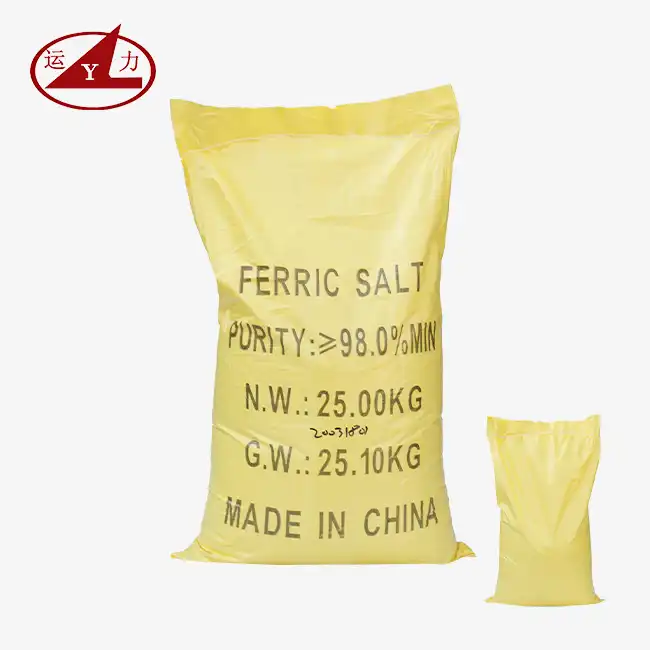
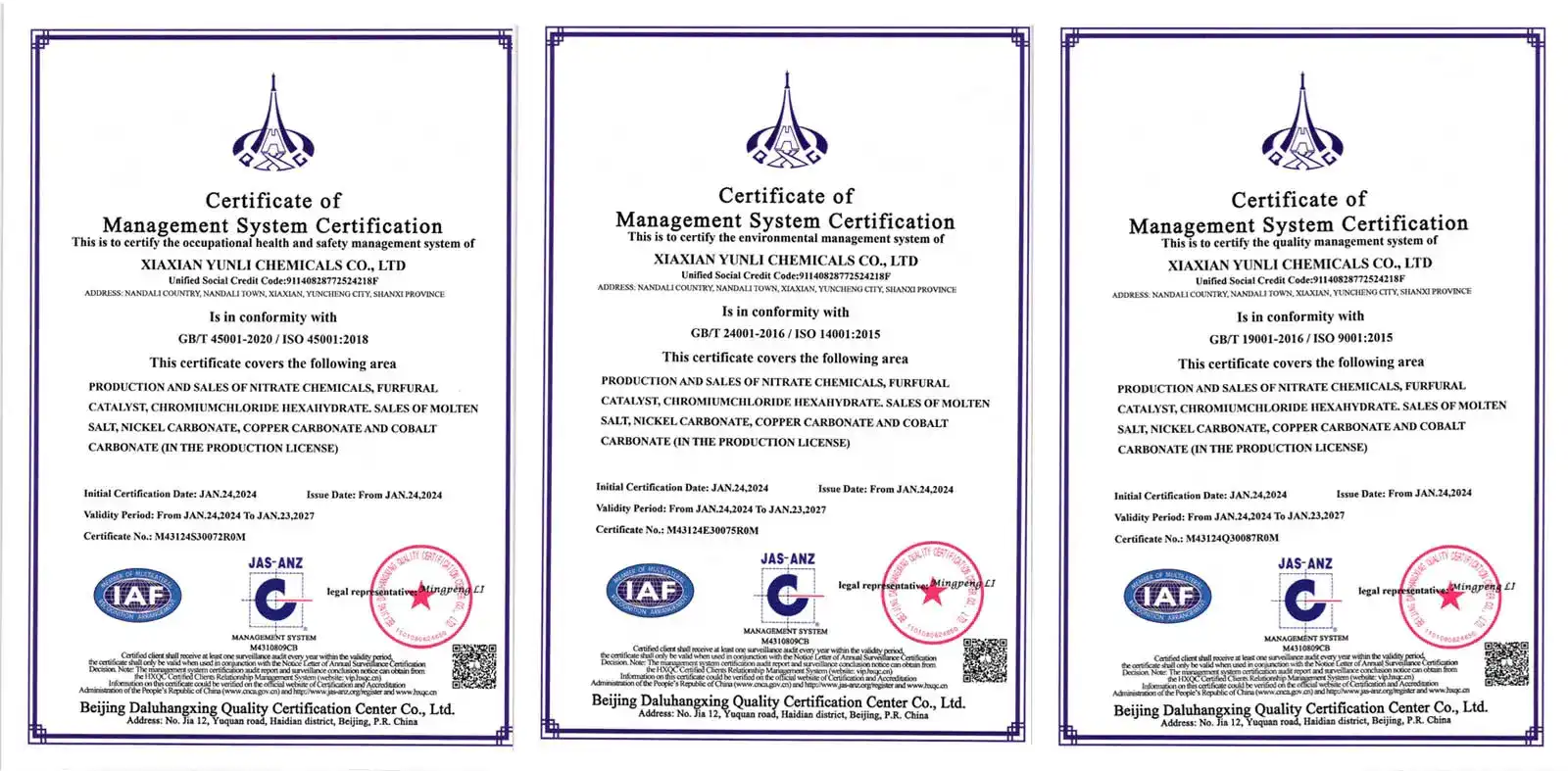
Since 2005, Yunli Chemical has been making good Ferric Nitrate Nonahydrate (CAS 7782-61-8). With their steady 98% purity and unique impurity profiles, they've helped more than 200 businesses in North America and Europe. Our production is ISO 9001/14001/OHSAS-certified, which means that you can count on every batch. This is important for making catalysts and treating metals. Every year, our plant can make more than 10,000 metric tons of goods. We have stable supply lines, factory-direct prices, and different ways to pack our goods, from 25 kg bags to ISO tanks. If you want to try the product before you buy it, the technical support team will give you free samples of up to 500 grams and tips on how to stabilize it. Send our sourcing experts an email at wangjuan202301@outlook.com to talk about your unique needs, ask for COA paperwork, or set up plant checks that will show we can make things.
References
1. Smith, J.R., and Thompson, M.K. (2021). Industrial Neutralization Processes for Metal Salt Waste Streams. Journal of Hazardous Materials Management, 45(3), 287-304.
2. Environmental Protection Agency. (2020). Best Management Practices for Iron Compound Wastewater Treatment. EPA Technical Guidance Document 832-R-20-005.
3. Chen, L., Rodriguez, P., and Yamamoto, H. (2019). Comparative Study of Alkaline Neutralizers in Ferric Salt Precipitation. Water Research and Technology, 12(8), 1456-1472.
4. International Chemical Safety Association. (2022). Safe Handling Guidelines for Oxidizing Iron Compounds in Industrial Settings. ICSA Safety Manual Series, Volume 18.
5. Anderson, K.W. (2020). Cost-Benefit Analysis of Neutralization Technologies in Electroplating Operations. Industrial Engineering and Chemistry Research, 59(14), 6789-6803.
6. Wilson, D.F., and Patel, S.N. (2023). Regulatory Compliance Strategies for Metal Finishing Wastewater Discharge. Environmental Compliance Quarterly, 38(1), 112-129.