


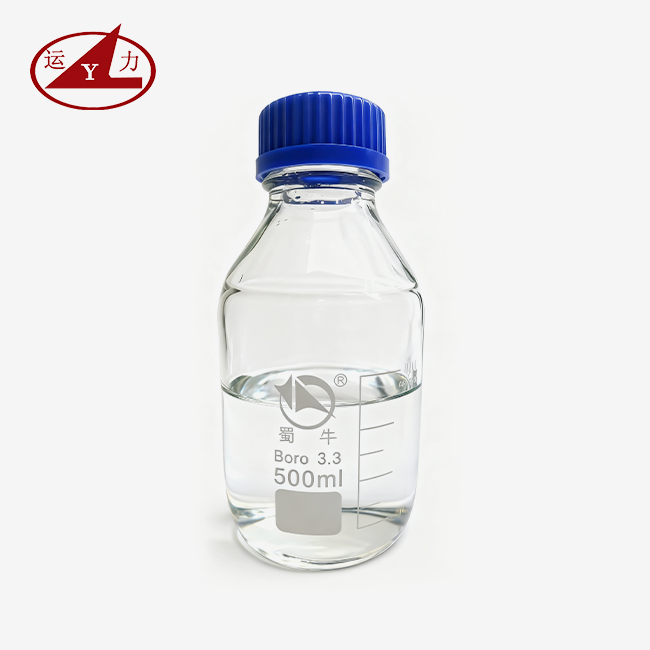
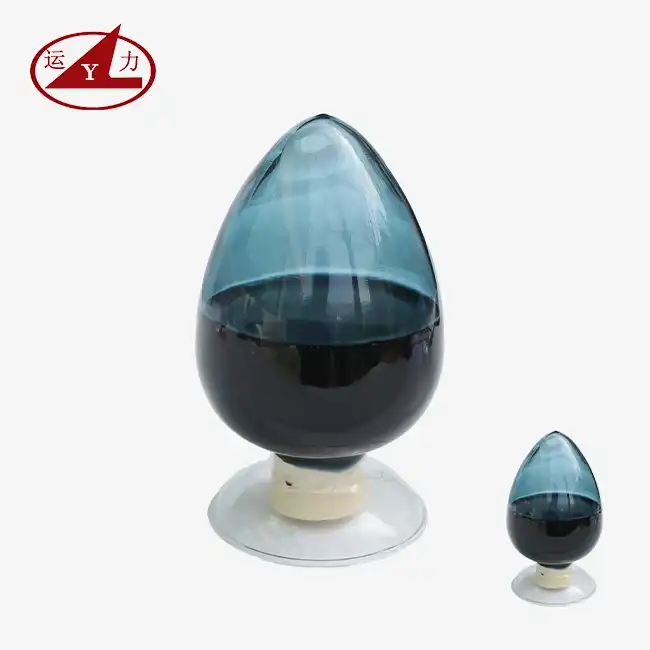

When chromium chloride is dissolved in water?
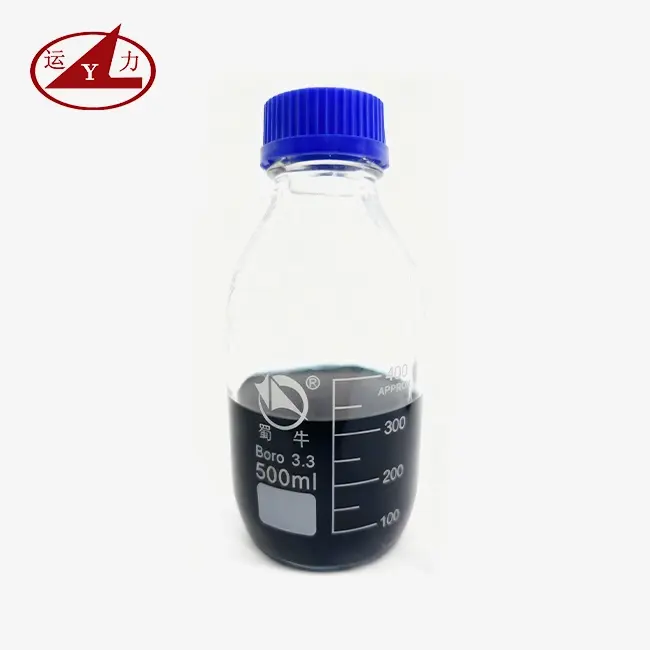
When Chromium Chloride hexahydrate (CrCl3·6H2O) is mixed with water, it gives off trivalent chromium ions (Cr³⁺) and chloride ions (Cl⁻), which make a green to violet, acidic solution. The hexahydrate structure breaks apart during the dissolving process, which releases heat. This lets chromium make aqua complexes like [Cr(H2O)6]³⁺. In industries like electroplating, catalysis, and cloth dyeing, where controlled solubility and ion availability have a direct effect on process speed and product quality, this behavior is very important.
Understanding Chromium Chloride and Its Solubility in Water
Chemical Composition and Physical Characteristics
The molecular formula for Chromium Chloride hexahydrate (CAS 10060-12-5) is CrCl3·6H2O, and its molecular weight is 266.45 g/mol. This dark green solid substance is deliquescent, which means it can easily take in water from the air. The density is 2.76 g/cm³, and the freezing point is between 86 and 90°C. The dry form is kinetically neutral because of strong metal-ligand bonds. The hexahydrate form, on the other hand, dissolves quickly in water and ethanol, which makes it the best source of chromium for industry.
Dissolution Behavior and Temperature Effects
At room temperature, the hydrated form dissolves fully in water, turning into an acidic solution (pH 4.0–6.5) as the chromium center breaks down. Temperature has a big effect on how quickly things dissolve. Higher temperatures speed up the breaking down of crystal structures and make it easier for ions to move around. Hydrolysis of aqua complexes breaks down ordered water molecules and partly separates protons, which makes the solution acidic. For this feature to work, the pH level in the electroplating baths and the preparation of the catalyst must be carefully managed so that no unexpected precipitation or complex formation happens. Different isomeric types of chromium aqua complexes can cause concentrated liquids to change color from green to violet.
Key Chemical Reactions Upon Dissolution
Several equilibrium processes happen when Chromium Chloride is dissolved in water. The main process starts with breaking apart into Cr³⁺ and Cl⁻ ions, which are then quickly hydrated to form [Cr(H2O)6]³⁺. This six-aqua complex can go through stepwise deprotonation, which releases hydrogen ions and creates hydroxo-bridged species at high pH. It is important to understand these processes for uses that need to precisely control chromium speciation. Iron (Fe) and other impurities can get in the way of complex formation, which can lead to coloring and less efficiency in electroplating pools. Our Chromium Chloride hexahydrate 99% keeps the iron level at ≤30ppm (adjusted to ≤10ppm), which keeps these problems to a minimum and makes sure that the bath works the same way every time.
Safety and Environmental Considerations
Even though trivalent chromium substances are not as dangerous as hexavalent chromium, they still need to be handled properly. Water-based treatments can irritate the skin and eyes slightly, so it's important to wear the right safety gear. Environmental laws like REACH and RoHS support trivalent chromium processes because they get rid of the risks of cancer that come with Cr(VI). Closed-loop wastewater recycling systems are used at Yunli Chemical's production plant to meet environmental safety standards and keep the purity of the products. This method helps clients who have to follow strict EPA and state-level discharge standards. This is especially helpful in the surface treatment and pharmaceutical industries, where full paperwork (MSDS, COA) is required.
Chemical Behavior and Applications of Chromium Chloride in Aqueous Solutions
Solution-Phase Chemistry and Complex Formation
Crystalline Chromium Chloride mostly exists as octahedral aqua complexes in water. Compared to other transition metals, the [Cr(H2O)6]³⁺ species has slow ligand exchange rates. This is a feature that is used in analytical chemistry and catalyst design. Above pH 4, hydrolysis processes become important, causing polynuclear species to form that can make the bath less clear for electroplating tasks. Because these solutions are acidic (usually pH 4.0–6.5), they need to be balanced properly to keep the substrate from wearing away or the deposition rates from being uneven. The pH range of our product can be changed to meet the needs of a wide range of businesses.
Industrial Applications in Metal Surface Treatment
The most important use for liquid Chromium Chloride is in trivalent chromium electroplating. Hexavalent chromium processes are illegal or limited in many places. Trivalent methods using CrCl3·6H2O, on the other hand, make decorative and useful coatings that are RoHS-compliant. The method makes it possible for deposits to be the same thickness on complicated shapes, which is important for parts for cars, bathroom fixtures, and spacecraft. Anti-caking ingredients in our mix stop gunk from forming, which would mess up the flow of electricity and lower the throwing power. Keeping iron particles below 30ppm stops bath haze and makes sure that the deposit color stays the same, which is a common problem for electroplaters who are switching from hexavalent systems.
Catalyst and Chemical Synthesis Applications
Chromium Chloride that has been dissolved is used to make heterogeneous catalysts that are used in the production of methanol, the polymerization of olefins, and hydrogenation processes. The watery medium makes controlled precipitation possible on support materials such as alumina or silica. The activity of the catalyst depends on how much chromium is present and how it is distributed. Trace metals like iron or sulfate can hurt you if they fill active sites or change the electronic properties of low-purity grades (≥99.5%). For pharmaceutical intermediate production, even higher standards of purity are needed, with amounts of arsenic and lead being less than 2ppm. Our high-purity version meets the API synthesis needs for stomach medicines and other drugs with chromium, which helps buyers in controlled markets.
Textile Dyeing and Ceramic Pigment Production
As a mordant, Chromium Chloride solution makes coordination bonds between acid dyes and cloth fibers. This makes the colors last longer and be more colorfast after being washed. The dissolved form makes sure that the color is spread out evenly in the dye baths, which stops uneven uptake that causes color differences. In the ceramic and glass industries, Chromium Chloride solutions are used to make glazes. Controlling the chromium species is important for getting uniform color development. Because the substance dissolves in both water and ethanol, it can be used in both water- and solvent-based systems, which gives the formulators more options. The constant chloride levels and shape (powder or crystal) of our product make it possible to match colors exactly from one production batch to the next.
Procurement Insights: Buying Chromium Chloride for Water-Based Applications
Supplier Certification and Quality Standards
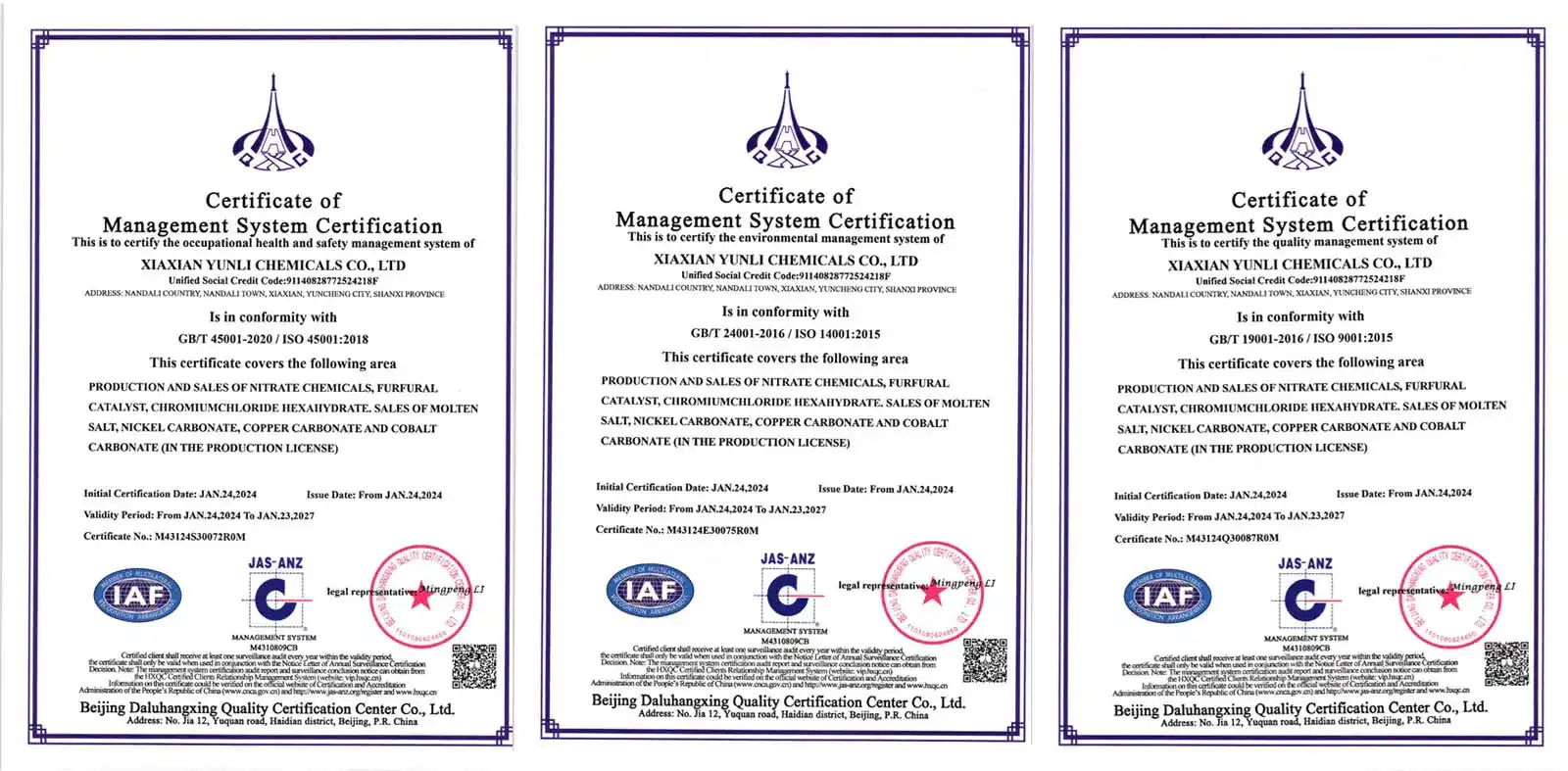
To choose a Chromium Chloride provider, you need to check their agreement with a number of different levels. ISO 9001 certification shows that the quality management system is mature. ISO 14001 and OHSAS certifications show that the environmental and workplace safety standards have been met. Yunli Chemical has all three certificates and is also recognized as a Shanxi Provincial Enterprise Technology Center. This shows that the company has been running well for more than 20 years. These qualifications lower the risk in the supply chain by making sure that each batch is the same and that all the paperwork is in order to comply with regulations. Purchasing managers who put a high priority on stable supply chains benefit from suppliers with fixed assets worth more than RMB 300 million and yearly sales of more than RMB 1 billion. These are signs of steady finances and production capacity.
Product Specifications and Customization Options
Chromium Chloride hexahydrate is usually very pure—99.5% or more—but sometimes special needs mean that the standards need to be changed. To keep the bath from getting dirty during electroplating, the pH range may need to be changed to 4.0–6.5 or the iron level may need to be lowered to less than 10ppm. Ultra-low sulfate levels are needed by catalyst makers to keep active sites from getting poisoned. For pharmaceutical uses, strict heavy metal controls (As, Pb <2ppm) are needed. Our research and development (R&D) team uses high-tech analytical tools like ICP-MS and atomic absorption spectrometers to make unique formulas that are 4N-grade pure (99.99%). Because of this, there is no need for expensive cleaning steps to be done in-house. This makes it easier for expert buyers who make quality decisions to buy things.
Packaging, Logistics, and Pricing Considerations
Bulk Chromium Chloride is usually sold in 25 kg bags, IBC containers, or bulk liquid form for people who buy a lot of it. The type of packaging you choose affects how easy it is to handle and how likely it is that something will get contaminated. Sealed cases with desiccants work best for uses that need to keep moisture out. Shipping rules put chromium chemicals into groups with specific UN numbers, which means they need to be properly labeled and accompanied by paperwork.
Price changes based on purity grade, order number, and how complicated the design is. When compared to distributor routes, our factory-direct approach cuts costs by 15–20% because there are no middlemen. Tonnage orders get volume savings, and there are no minimum order quantities or fees for free samples up to 500 grams. This makes it easier to try things out. Flexible payment terms and rebate plans help wholesalers who are in charge of many product lines.
Technical Support and Long-Term Partnership Value
Transactional sellers are less valuable than vendors who offer formulation advice and help with problems. Our technical team helps clients improve dissolution methods, bath upkeep procedures, and impurity management strategies by drawing on their knowledge of coal-chemical engineering. Having this support is very helpful when changing processes, like when going from hexavalent to trivalent chrome treatment. Long-term contracts with stable supplies and set price ranges protect against changes in the market, which is very important for makers with small profit margins. Custom water solutions with set ratios get rid of the need for diluting steps, which saves time, money, and reduces the risk of contamination at the customer site.
Troubleshooting and Best Practices When Working with Chromium Chloride Solutions
Common Dissolution Challenges and Solutions
When solutions are newly made, precipitation or cloudiness usually means that the water quality is bad or the pH level is off. Chromium hydroxides can't dissolve in water from cities that has a lot of calcium or magnesium in it. This problem can be avoided by using deionized or pure water. Low temperatures or not enough stirring can cause slow dissolving rates. Heating the mixture slowly to 40–50°C speeds up the process without breaking down the product. Too much diluting can cause hydrolysis, and too much concentration can cause crystals when stored. Stability is maintained by keeping solution temperatures between 20°C and 25°C and pH levels between 4.0 and 6.5. If hydroxide precipitation happens, adding small amounts of hydrochloric acid can lower the pH.
Storage Protocols and Shelf Life Extension
Solid Chromium Chloride hexahydrate should be kept in cool, dry places in containers that can't let air in. This will keep it from absorbing water and caking. When the material is exposed to air, it turns into sticky lumps that break down randomly. Putting desiccant packs inside storage cases makes them last longer. Containers that are dark and resistant to acid are needed for water-based treatments to keep them from photodegrading and corroding.
Above 30°C, stability drops, so storage that is managed by the environment is necessary in warm places. Solid materials can keep their properties for 24 to 36 months if they are kept properly, but solutions should be used within 6 to 12 months, based on the concentration. Atomic absorption spectroscopy is used for regular quality checks to check the amount of chromium and find any impurities that are building up.
Safety Protocols and Emergency Response
Gloves that can fight chemicals, safety glasses, and lab coats are all things that people should wear when working Chromium Chloride solutions. The risks of breathing in watery solutions are low, but they become high when dry powder is used because it creates dust. Vapor doesn't build up when there is enough airflow. If it comes in touch with skin, you need to flush with water right away for 15 minutes.
Eye contact needs to be treated with water for a long time and a medical exam. In workplace settings, ingestion is rare, but it needs medical help right away and the stomach needs to be cleaned. To clean up a spill, you need to use sodium bicarbonate to neutralize acidic solutions, inactive materials to soak up liquids, and trash cans that follow local rules for toxic waste disposal. As required by OSHA, our MSDS paperwork includes thorough emergency plans that help keep your workplace safe.
Conclusion
When procurement workers and technical teams know what happens when Chromium Chloride dissolves in water, they can improve application performance while still meeting safety and compliance requirements. Controlling pH and temperature is what makes trivalent chromium aqua complexes, which are essential for many industrial processes, from electroplating to making medicines. Suppliers with certified quality systems, flexible standards, expert help, and clear documents are at the top of successful sourcing strategies. Because Yunli Chemical has been in business for 20 years, is a provincial technology center, and cares about the environment, we are a trusted partner for businesses that need stable, high-purity Chromium Chloride products that meet changing regulatory standards.
FAQ
Q1: What hazards exist when chromium chloride is dissolved in water?
A: Chromium Chloride solutions in water are slightly acidic and can irritate the skin or eyes if they come into touch with them. In contrast to hexavalent chromium, trivalent types are much less harmful and do not cause cancer. The risks are lower when you handle things properly with gloves and eye protection. When released within the allowed pH and concentration ranges, there aren't many environmental risks, but it's best to get rid of it properly by hiring licensed trash collectors.
Q2: How does dissolved chromium chloride compare to chromium oxide in electroplating?
A: Trivalent chromium plating is possible with Chromium Chloride solutions. This method is safer than hexavalent chromium oxide systems and follows RoHS rules. Traditional Cr(VI) methods make deposits that are harder, but current trivalent baths get the same corrosion protection and nice finishes while being better at putting on complicated shapes. The change needs to be made to the bath chemicals, but it gets rid of the need for carcinogenic contact and strict air tracking.
Q3: What storage conditions preserve chromium chloride solution stability?
A: Keep water-based treatments away from light and heat sources in containers that are dark and can handle acid. Keep the temperature between 15°C and 25°C and make sure the seals are tight to stop evaporation and changes in concentration. Check the amount of chromium on a regular basis by using scientific tests. Solid hexahydrate needs places that don't have any water and desiccants to keep it from clumping together. If you store liquids and products properly, they can be used for an extra 12 to 24 months and 24 to 36 months, respectively.
Partner with Yunli Chemical for Reliable Chromium Chloride Supply
Yunli Chemical is a reliable source for Chromium Chloride hexahydrate because it has been making chemicals for over 20 years, has quality systems that are ISO-certified, and has the resources of a state technology center. Our ultra-low impurity formulas (Fe ≤30ppm, scalable to ≤10ppm) make sure that electroplaters and catalyst makers can make baths that are stable. We offer different types of packing, unique aqueous concentrations, and free samples of up to 500 grams, which lets you test everything thoroughly before committing to a certain amount of tons.
Direct factory price gets rid of markups for distributors, and our closed-loop environmental systems make sure that all paperwork is in order for regulatory compliance. Get in touch with our expert team at wangjuan202301@outlook.com to talk about your unique Chromium Chloride needs and get formulation suggestions that will help your production processes run more smoothly.

References
1. Cotton, F. A., & Wilkinson, G. (1988). Advanced Inorganic Chemistry (5th ed.). John Wiley & Sons, New York.
2. Greenwood, N. N., & Earnshaw, A. (1997). Chemistry of the Elements (2nd ed.). Butterworth-Heinemann, Oxford.
3. Schlesinger, M., & Paunovic, M. (2010). Modern Electroplating (5th ed.). John Wiley & Sons, Hoboken.
4. Trovalusci, F., & Passalacqua, R. (2018). Trivalent chromium electroplating: Process optimization and industrial applications. Surface and Coatings Technology, 349, 768-779.
5. International Agency for Research on Cancer (IARC). (1990). Chromium, Nickel and Welding. IARC Monographs on the Evaluation of Carcinogenic Risks to Humans, Volume 49.
6. U.S. Environmental Protection Agency. (2008). Toxicological Review of Trivalent Chromium (EPA/635/R-10/004). Washington, DC: U.S. EPA.