

How to safely dispose of waste containing aluminium nitrate nonahydrate
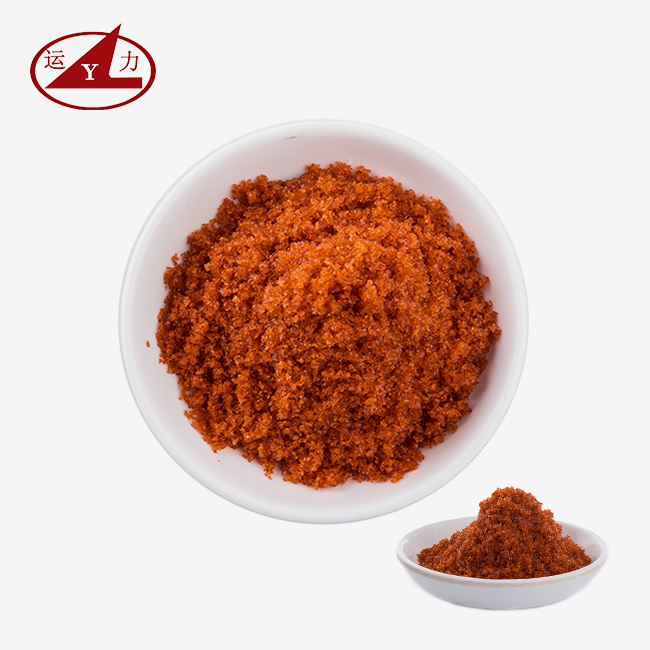
Adherence to federal and state laws, neutralization procedures, and participation of approved waste facilities are necessary for the safe dumping of trash containing Aluminium Nitrate Nonahydrate (CAS# 7784-27-2). This white, solid, and water-absorbing substance has the molecular formula Al(NO3)3·9H2O. It is oxidizing, so it needs to be handled with care. To get rid of acidic solutions the right way, you need to neutralize them, separate oxidizing wastes, hire licensed hazardous waste contractors, and keep full records to protect the environment and follow the rules in textile, catalyst, and electroplating manufacturing.
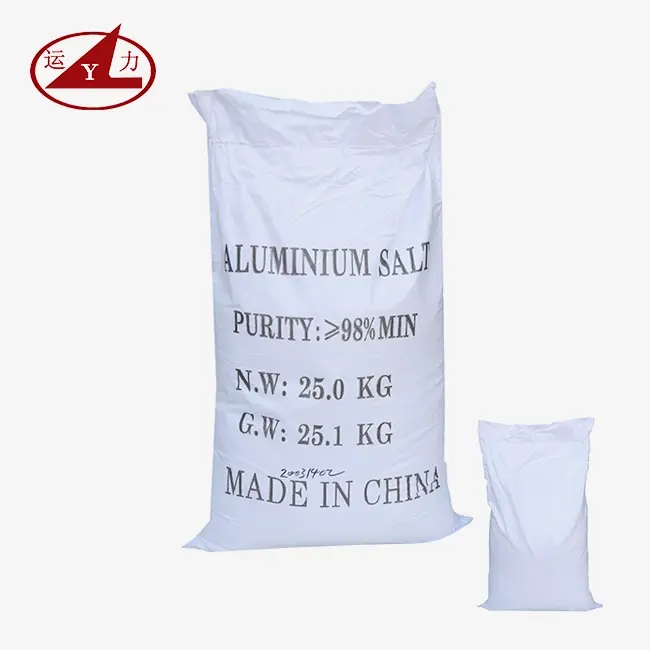
Understanding Aluminium Nitrate Nonahydrate Waste
The chemical makeup of Aluminium Nitrate Nonahydrate has a big effect on how trash is managed. This crystalline substance has no smell and melts at 73.9°C. It breaks down at 150°C, releasing nitrogen fumes as it does so. Because this material fabricates oxidation, it can start a fire if it comes into contact with organic substances or reducing agents. It needs to be carefully separated from trash streams that don't contain it.
The ways that different types of industrial uses make trash are very different. When you make catalysts, you end up with used reaction mixes that have Aluminium Nitrate Nonahydrate leftovers mixed in with trace metals and organic solvents. Textile factories make wastewater that contains colors, detergents, and chemicals that change the pH. This wastewater also contains dissolved Aluminium Nitrate Nonahydrate. Electroplating plants store cleaning solutions that have small amounts of Aluminium Nitrate Nonahydrate and other metal salts in them. Each type of trash has its own problems that need to be solved by buying teams by negotiating with suppliers and making processes more efficient.
Environmental Risks from Improper Handling
When nitrates get into groundwater and surface water, they speed up eutrophication in aquatic settings. This is because they encourage too much algae growth, which lowers oxygen levels that fish and other helpful organisms need. Aluminum ions in large amounts are harmful to marine life and can change the pH of dirt if they are dumped in the wrong way. The oxidizing qualities make it easier for organic materials in soil to react, which could bring other pollutants from disposal sites to the surface.
There are safety risks at work that can irritate the skin when they come into direct touch with them, irritate the lungs when they are exposed to dust or mist, and pose a fire risk when kept near things that can catch fire. When technical experts write down storing requirements, they need to take into mind that this compound is hygroscopic, which means it draws water from the air. It needs to be kept in sealed cases in climate-controlled areas to keep the material's integrity and stop accidental releases.
Regulatory and Safety Considerations for Disposal
Responsible trash management starts with following the safety data sheets (SDS) that makers give out. These papers list different types of dangers, like oxidizers (Class 5.1) and skin irritants, as well as the suggested personal protective equipment (PPE), first aid measures, and emergency action plans. When purchasing managers look at different sources, they should make sure that every shipment comes with full SDS paperwork. This gives operations teams important safety information.
RCRA Compliance in the United States
The Resource Conservation and Recovery Act makes it necessary to track dangerous wastes from the time they are made until they are thrown away. Facilities that make Aluminium Nitrate Nonahydrate waste need to know if they are large quantity generators (LQG), small quantity generators (SQG), or very small quantity generators (VSQG). This is because the classification determines how long they have to store the waste, how much they have to report, and how long they have to accumulate it. To find out if used Aluminium Nitrate Nonahydrate solutions meet the standards for hazardous waste, waste characterization tests may be needed to look at their corrosivity (pH less than 2 or greater than 12.5) or reactivity.
Hazardous wastes must be transported in a way that follows Department of Transportation (DOT) rules. This includes proper packaging, marking with UN identification numbers, shipping paper paperwork, and driver training certifications. Licensed treatment, storage, and dumping facilities (TSDFs) that take in Aluminium Nitrate Nonahydrate trash must have the right permits and show they know how to handle materials that oxidize. Keeping records that track waste from the time it is made until it is thrown away saves generators from responsibility that comes from mistakes made later on.
Storage and Labeling Best Practices
Keeping things in the right way stops them from breaking down and releasing accidentally. Aluminium Nitrate Nonahydrate trash cans should be made from compatible materials that won't rust in acidic solutions, should be sealed so that water doesn't get inside, and should be kept somewhere cool and dry, away from heat sources and materials that don't work with Aluminium Nitrate Nonahydrate, like organic substances, reducing agents, and flammable materials. Extra safety against spills is provided by secondary containment systems that can hold 110% of the biggest container's volume.
Clear labels that say "Hazardous Waste—Aluminum Nitrate," the times that the accumulation began, and any safety warnings make sure that the right people handle the materials and that first responders can quickly figure out how dangerous an event is. Regular checks of storage areas make sure that containers are intact, labels are kept up to date, and there isn't any keeping of unsuitable materials nearby.
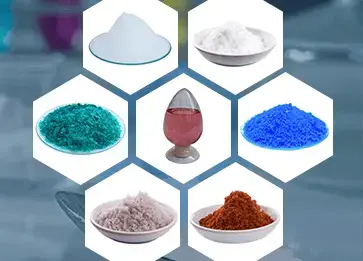
Proven Methods for Safe Disposal of Aluminium Nitrate Nonahydrate Waste
The right way to get rid of garbage relies on its type, amount, quantity, and any toxins that are in it, as well as the infrastructure that is available. Approaches that work balance safety, following the rules, and saving money while having the least amount of effect on the earth.
Chemical Neutralization Protocols
Aluminium Nitrate Nonahydrate solutions that are too weak can be neutralized before they are sent to approved wastewater treatment systems or to be processed further. To bring the pH level to normal (6.5–8.5), this method carefully adds alkaline substances like sodium hydroxide, calcium hydroxide, or sodium carbonate. Aluminum hydroxide precipitate forms during the process. It falls to the bottom and can be filtered out of the solution. During neutralization, operators must keep an eye on the temperature because the reaction releases heat and can make dangerous fumes if it happens too quickly.
Neutralization engineering controls include systems that keep an eye on the pH level all the time, temperature sensors, automatic chemical feed systems that stop adding too many neutralizing agents, and enough air flow to catch any nitrogen oxide leaks. The resulting aluminum hydroxide slime usually only needs to be dried out and thrown away as a non-hazardous solid waste if it is properly identified. This makes it much cheaper to get rid of than dangerous waste streams.
There may be other toxins present that make neutralization more difficult, which is a technical issue. Heavy metals co-precipitate with aluminum hydroxide, but they might need more treatment steps to get to the right level of release. There may be organic chemicals in catalyst production waste that need to be treated separately by oxidation or activated carbon adsorption before they can be neutralized.
Treatment at Licensed Facilities
Aluminium Nitrate Nonahydrate trash with higher concentrations or multiple dangerous components often need special treatment at approved TSDFs. Depending on the type of trash, these sites use different technologies:
Chemical cleaning processes in specialized facilities use large-scale neutralization systems with complex process controls that make it safe to work with both large amounts and concentrated solutions. Stabilization and solidification technologies turn liquid Aluminium Nitrate Nonahydrate wastes into solid matrices that trap contaminants, lowering the chance of leaching, and allowing dumping in sites approved for hazardous materials.
Organic pollutants can be destroyed by heat treatment, such as burning. This process also changes Aluminium Nitrate Nonahydrate into aluminum oxide and releases nitrogen fumes that are collected by equipment that cleans the air. This method works well for leftovers that contain a lot of different organic and inorganic parts, like those that are made during the middle and fine chemical stages of pharmaceutical production. High-purity Aluminium Nitrate Nonahydrate refuse with little contamination can be recycled or recovered. Specialized facilities can clean and concentrate solutions so they can be used again in industry. This creates possibilities for the cycle economy that lower the costs of both getting rid of waste and buying raw materials.
Case Study Insights
A big electroplating plant in the Midwest was able to put in place a three-tier waste management system that cut the cost of getting rid of Aluminium Nitrate Nonahydrate by 40% per year. The facility separated mixed-metal trash streams from high-purity rinse waters containing Aluminium Nitrate Nonahydrate. This made it possible to recover material that could be used again by evaporation and recrystallization. Moderate-concentration streams were neutralized on-site using automatic pH control, which made aluminum hydroxide sludge that was thrown away as non-hazardous trash. Only highly contaminated spent baths had to be transported to approved TSDFs, which greatly reduced the amount of toxic waste that had to be disposed of.
A textile company used closed-loop recycling for Aluminium Nitrate Nonahydrate mordant solutions by building ultrafiltration systems that got rid of dye particles and organic pollutants but kept the Aluminium Nitrate Nonahydrate that had been dissolved. Adding new material on a regular basis kept the solution's specs the same. This increased its useful life from one use to multiple processing processes, which cut down on trash and the cost of raw materials.
Comparing Aluminium Nitrate Nonahydrate Disposal with Other Aluminium Salts
When purchasing goods, knowing how to properly get rid of different metal salts helps them make smart choices that consider all the costs involved, such as the cost of waste management.
Chemical Behavior Variations
When aluminum sulfate is thrown away, it creates sulfate-containing waste streams that can cause scaling in wastewater treatment systems and need careful pH control to keep sulfuric acid from forming. When lime-based neutralize agents are used, they make aluminum hydroxide and gypsum (calcium sulfate), which makes more sludge than Aluminium Nitrate Nonahydrate neutralization. Aluminum chloride trash releases chloride ions that can damage stainless steel equipment and raise the salt level in waterways that receive it, which could mean that coastal areas need stricter limits on how much can be dumped.
Because Aluminium Nitrate Nonahydrate is an oxidizer, it needs to be kept away from organic materials and reducing agents more carefully while it is being stored and treated. But the lack of sulfate and chloride makes downstream processing easier in situations where these ions would get in the way of product standards or environmental release limits.
Impact of Product Purity
High-purity Aluminium Nitrate Nonahydrate from reliable companies like Yunli Chemical—with less than 30 parts per million of iron and less than 50 parts per million of sodium—makes waste streams cleaner and less complicated to treat. Lower-quality materials with lots of impurities can make trash that might contain dangerous heavy metals. This means that they need more expensive ways to be thrown away and more tests to figure out what they are. When you add up the extra costs of disposing of waste, following rules, and possible changes to product quality, buying less-pure materials often doesn't save you any money at first.
When making long-term supply deals, procurement managers should look at suppliers based on how constant their purity requirements are, how much paperwork they provide (including Certificates of Analysis (COA)), and how much technical help they offer for strategies to reduce waste. These things directly lead to easier trash control and lower total cost of ownership.

Choosing the Right Aluminium Nitrate Nonahydrate Supplier for Safer Waste Management
Supplier choice has a big effect on the results of trash management because it affects product quality, help with paperwork, the best way to package items, and technical know-how. Building ties with certified makers lowers the risks in the supply chain and makes it easier to follow the rules.
Certification and Documentation Standards
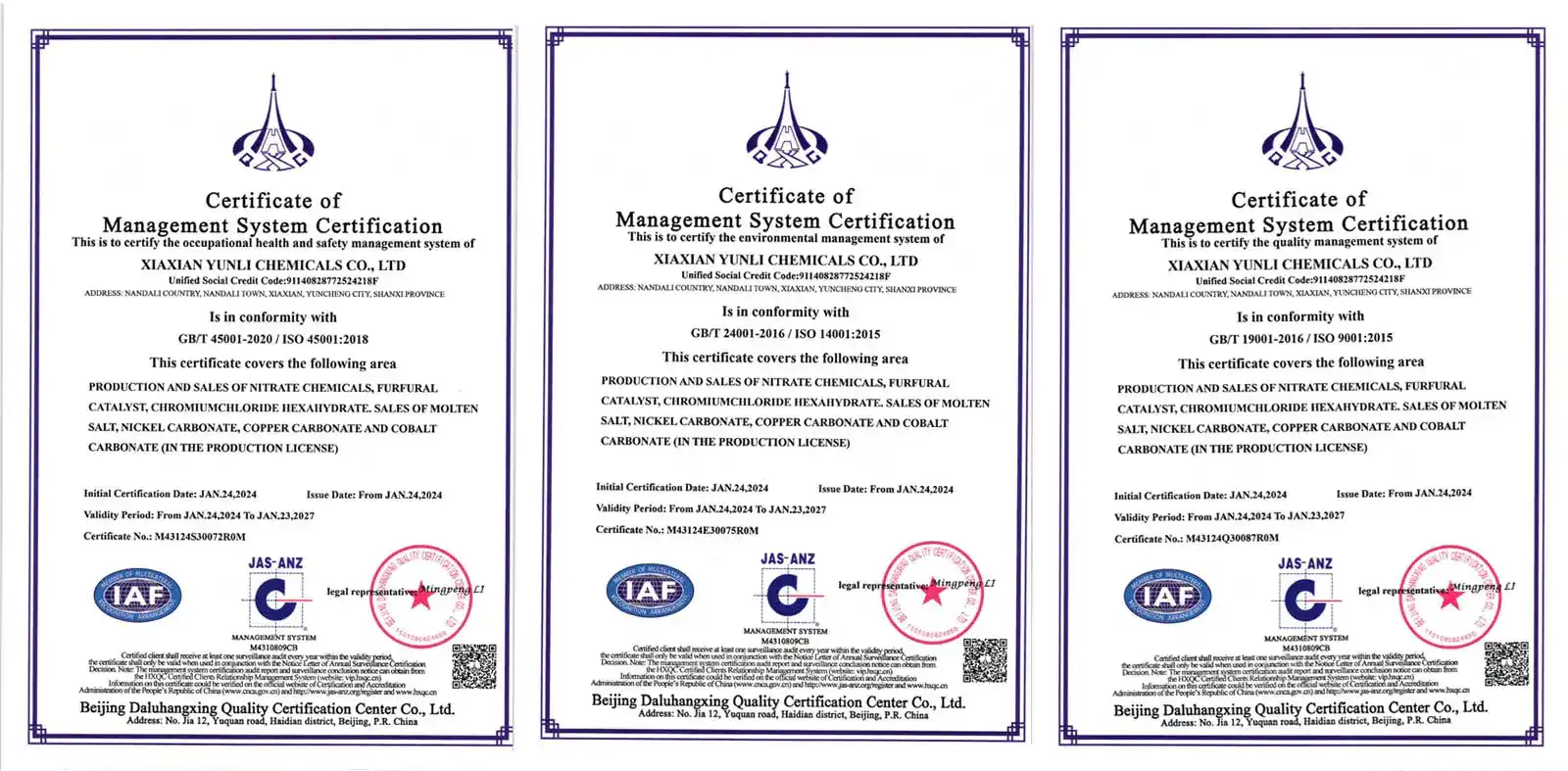
Reliable providers keep their ISO 9001 Quality Management System certification up to date, which makes sure that the manufacturing methods and product standards are always the same. Getting certified in the ISO 14001 Environmental Management System shows that you are dedicated to reducing the damage you do to the environment during production, packing, and shipping. OHSAS Occupational Health and Safety Management System approval means that the workplace follows strict safety rules that protect workers and the people who live nearby.
Every shipment should come with a full set of paperwork, such as a detailed SDS, batch-specific Certificates of Analysis that prove purity standards and impurity levels, and compliance certificates that show the company is in compliance with all regulations. Suppliers who provide technical data sheets with application-specific advice help customers get the most out of their products, create the least amount of waste, and fix process problems that could cause more waste.
Packaging and Logistics Optimization
Careful design of packing lowers the risks of handling and the amount of trash that is made. Options should include materials that don't break down when they come in contact with water, containers that are the right size for the amount of use so that there isn't too much inventory of opened containers, and labels that are easy to read and include information on how to track each batch. Options for bulk delivery, like intermediate bulk containers (IBCs) or ISO tanks, cut down on packing waste for people who buy a lot of things and keep the quality of the goods while they're being shipped and stored.
Customization options, such as pre-dissolved liquid concentrations (40–60%), can get rid of the need for on-site dissolving steps that create waste from packing materials, rinse waters, and Aluminium Nitrate Nonahydrate that gets spilled. Yunli Chemical has a variety of forms, such as solid crystals (0.1-5 mm) and liquid solutions that can be changed to fit the needs of each process. This helps customers improve their operations and cut down on activities that create waste.
Technical Support and Partnership Approach
Leading providers offer professional support that goes beyond just delivering products. This includes help identifying the types of waste, suggestions for neutralization methods that work best with certain types of waste, links to qualified waste removal companies, and continued support for improving processes as they change. Free sample orders from suppliers like Yunli Chemical's 500g samples shipped within 48 hours allow for full testing before committing to bulk purchases. This ensures that the product is suitable and reduces the risk of specification mismatches that could lead to wasteful material that needs to be thrown away.
Long-term partnerships are good for both sides because they improve communication, allow people to work together to solve problems, and make sure that everyone has the same goals for reducing waste. Suppliers who care about their customers' success let them know about changes in the law, new best practices, and technology advances that can make trash management better.
Conclusion
Eliminating Aluminium Nitrate Nonahydrate trash safely saves the environment, keeps workers safe, and keeps industries following the rules in a wide range of settings. Effective tactics include correctly classifying trash, following RCRA and REACH rules, choosing the right treatment methods, such as neutralization and dumping in an approved facility, and carefully evaluating suppliers. Because this substance is acidic and oxidizes easily, it needs to be stored under strict rules and handled according to written instructions.
Professionals in purchasing and technical engineering can get a lot out of working with certified providers who offer regular product purity, detailed paperwork, a variety of packaging options, and ongoing technical support. These relationships make it easier to deal with trash, lower the total cost of ownership, and give people peace of mind about long-term supply security. As rules keep changing to protect the environment more, companies that use proactive waste management strategies will be able to keep their business excellence and competitive edge.
FAQ
What are the primary risks of improper aluminum nitrate waste disposal?
Nitrates can get into groundwater and surface water through improper dumping, which can cause eutrophication and make the water dangerous to living things. Too much Aluminium Nitrate Nonahydrate in the soil changes the pH and makes it harder for plants to grow. When mixed with things that can catch fire, the burning qualities make them dangerous. People who break the rules can be fined a lot, have to pay to clean up after themselves, and could even be charged with a crime.
Can aluminum nitrate waste be recycled or reused?
High-purity waste streams with minimal contamination can be recovered through evaporation, recrystallization, or purification processes at specialized facilities. Some closed-loop methods remove particles and biological pollutants while keeping the dissolved Aluminium Nitrate Nonahydrate to use again. How economically viable something is based on how much trash there is, how polluted it is, and how much needs to be processed. Talking to recycling experts can help you figure out if certain types of trash can be recycled.
What personal protective equipment is necessary when handling aluminum nitrate waste?
Chemical-resistant gloves (nitrile or neoprene), safety masks or face shields to protect against splashes, lab coats or chemical-resistant jackets to keep chemicals away from the skin, and closed-toe safety shoes are all required PPE. When working with dirty materials or reduction processes that can make mists, you may need to wear respiratory protection. Facilities should do danger assessments to figure out what PPE is needed for different working situations and keep equipment in good shape by replacing it on a regular basis.
Partner with Yunli Chemical for Compliant Aluminium Nitrate Solutions
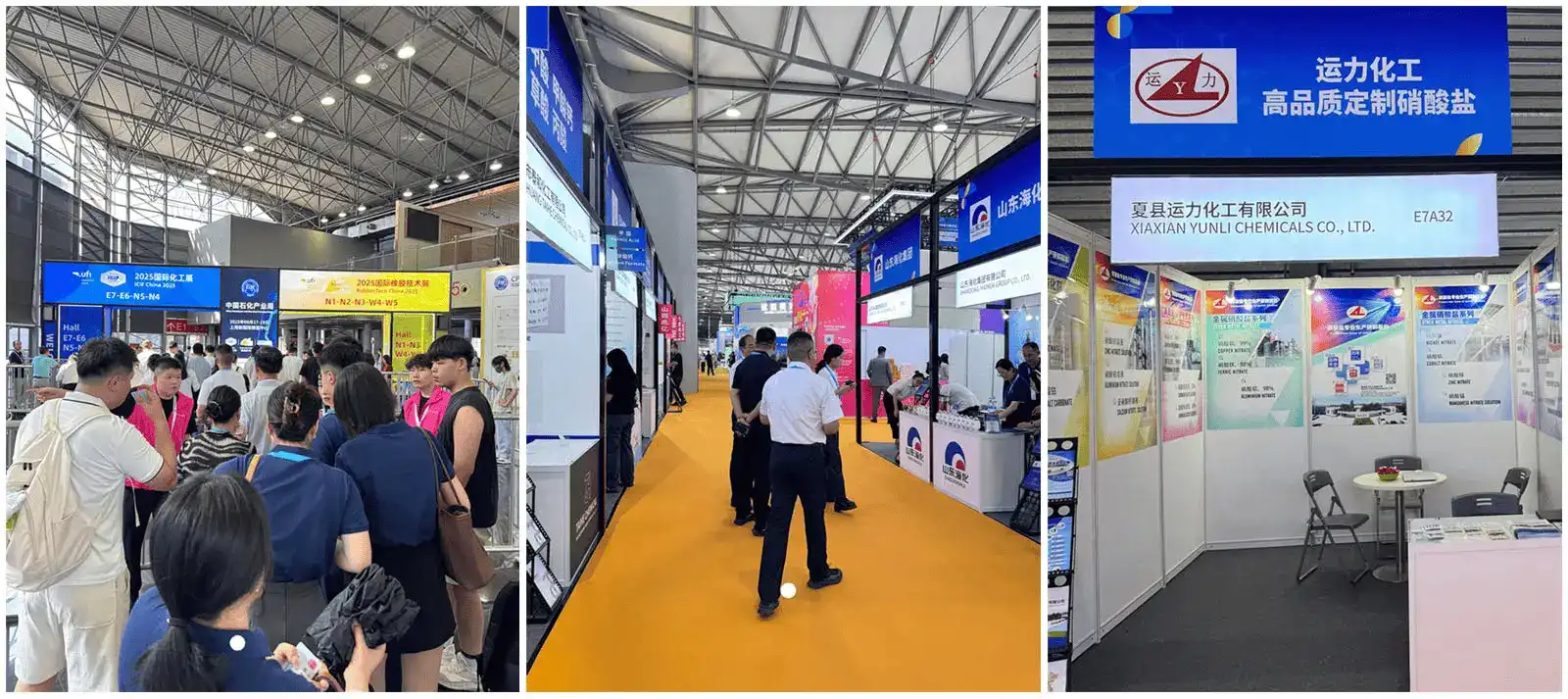
Yunli Chemical has been making chemicals for more than 20 years, and they can help you find high-purity Aluminium Nitrate Nonahydrate and make trash management easier. We are an ISO 9001, ISO 14001, and OHSAS-certified company that makes Aluminium Nitrate Nonahydrate. The iron content of our goods is below 30 ppm, and the sodium content is below 50 ppm. This makes dumping much easier and cheaper. Our Enterprise Technology Center at the provincial level gives you expert advice on neutralization methods, identifying waste, and improving processes in a way that works best for your needs.
We offer a range of formats, such as solid crystals and pre-dissolved liquid concentrations, as well as custom packing ranging from 25 kg bags to ISO tanks. We also deliver quickly and provide full paperwork, such as SDS, COA, and compliance certificates. You can email our team at wangjuan202301@outlook.com to get free 500g samples, talk about bulk prices for tonnage sales, or look into custom solutions that will help your supply chain work better while also supporting proper waste management.
References
1. U.S. Environmental Protection Agency. (2021). Hazardous Waste Management System: General RCRA Requirements for Generators. Office of Resource Conservation and Recovery, Washington, DC.
2. European Chemicals Agency. (2020). Guidance on Waste and Recovered Substances under REACH Registration Requirements. ECHA Publication Series, Helsinki, Finland.
3. National Institute for Occupational Safety and Health. (2019). Pocket Guide to Chemical Hazards: Aluminum Compounds. DHHS (NIOSH) Publication Series, Cincinnati, OH.
4. Water Environment Federation. (2022). Industrial Wastewater Treatment for Metal Finishing Operations: Best Management Practices. WEF Technical Practice Committee, Alexandria, VA.
5. American Society for Testing and Materials. (2023). Standard Guide for Waste Characterization Using Hazardous Waste C haracteristics. ASTM International Standards, West Conshohocken, PA.
6. Journal of Hazardous Materials Management. (2021). "Comparative Analysis of Neutralization Methods for Aluminum Salt Waste Streams in Industrial Applications." Waste Treatment Research Quarterly, Volume 48, Issue 3, pp. 245-267.