


How to safely handle and store chromium chloride solution?
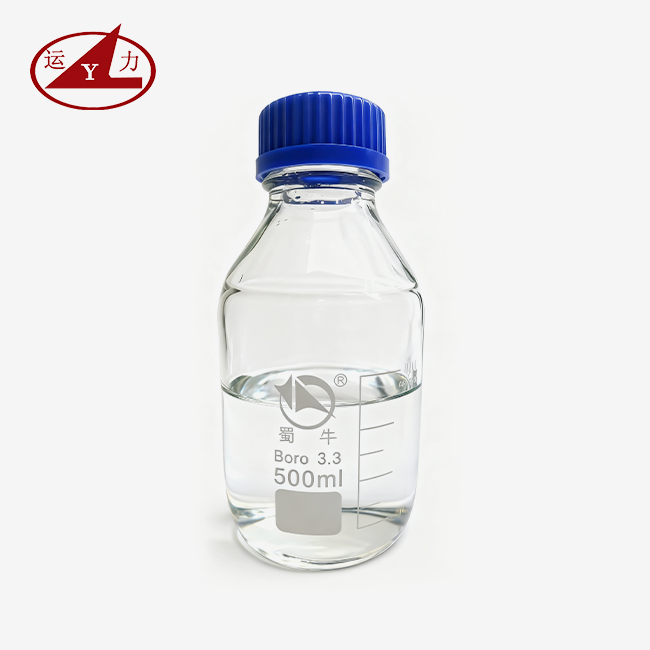
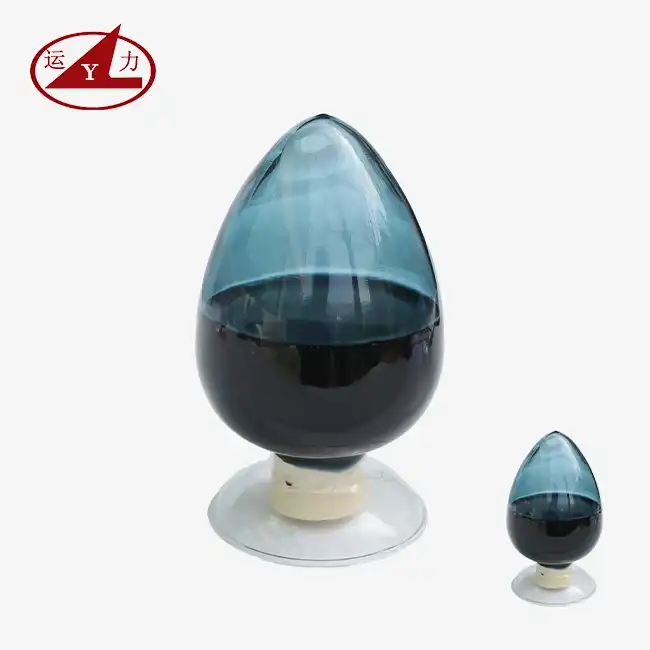
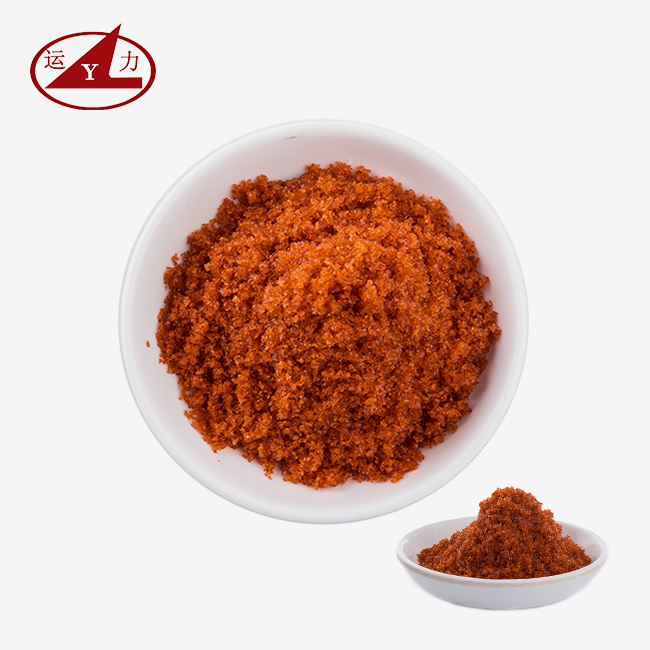
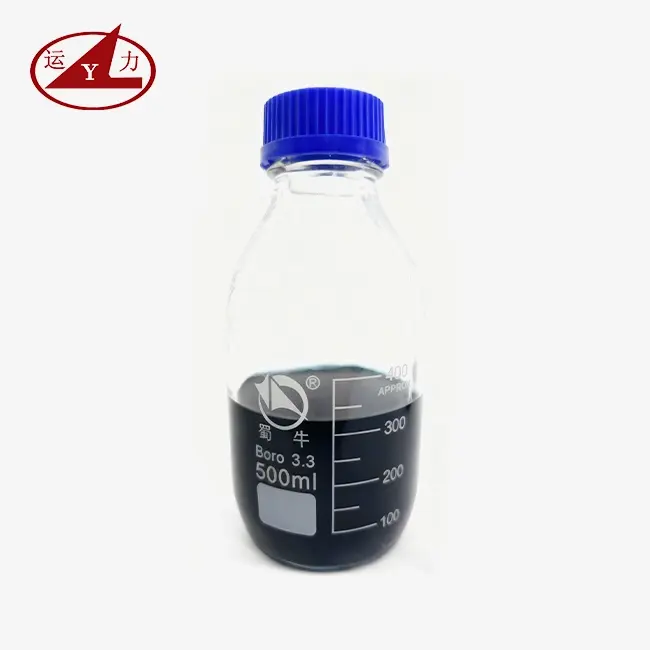
To safely handle and store Chromium Chloride Solution, you need to know how it reacts with other chemicals, follow the right safety rules, and keep an eye on the area. This dark green, acidic liquid made of three parts chromium (CAS# 10060-12-5, molecular formula CrCl₃·6H₂O) is used a lot in electroplating, making catalysts, and cleaning textiles. Workers need to wear the right safety gear, keep packages in temperature-controlled areas away from other materials that don't belong with them, and follow strict rules to keep the product's integrity during its shelf life and keep it from getting on their skin, in their air, or in the environment.
Understanding Chromium Chloride Solution and Its Safety Concerns
What Is Chromium Chloride Solution?
An acidic solution with a molecular weight of 266.45 is made when chromium chloride hexahydrate is mixed with water, ethanol, and acetone. A hygroscopic structure is one that takes in water from the air. The dark green structure is one that this. This is tougher to store. There are unique physical qualities of this chemical that affect how it is used in business and how safe it is to handle. The base density is 2.76, and the temperature at which it freezes is between 86 and 90℃. Compounds with six chromium atoms are known to cause cancer, but trivalent Chromium Chloride Solution is not as dangerous. It is still important to be careful with it, though, since it is acidic and can make skin more sensitive.
Industry Applications Driving Demand
Electric coating is the biggest market for this answer. It is used to cover car parts, taps, and airplane parts with gold that looks nice and serves a purpose. People who work in pottery use it to make bright green pigments, and people who work in textiles use it as a mordant to keep dyes on materials forever. People who make catalysts like using high-purity types to make petrochemicals, especially for the production of olefins. These chemicals are used for many things, such as treating surfaces, coloring leather, making new energy batteries, and making pharmaceutical intermediates. As a result, there is a high demand for technical engineers and supply chain managers who can make sure that rules and quality standards are followed.
Health Hazards and Toxicity Profile
Direct touch can make people who are already sensitive itch, turn red, and even get allergic rashes. Clouds and fumes can make you cough and hurt your throat when you take them in. The light is very irritating to the eyes and could hurt the glass. Ingestion can lead to stomach problems, even though it doesn't happen very often at work. Long-term touch makes people more worried about skin becoming more sensitive over time.
It is very dangerous because the pH is generally below 2.0, so it needs to be treated right away with first aid like cleaning the water for a long time and getting a medical exam. OSHA and ACGIH have rules about what kinds of things people can be around at work. These limits stress keeping the levels of stress in the air under control to protect the health of workers during normal activities.
Identifying and Analyzing Safety Challenges in Handling Chromium Chloride Solution
Common Handling Errors and Their Consequences
People get hurt at work all the time because they aren't fully covered during shift activities. When people pour concentrate without face shields, splashes of hot oil can badly burn their skin. Another mistake that many people make is mixing the Chromium Chloride Solution in the wrong way. Too much heat is made when you add water to concentrated acid. This could cause it to boil quickly and release a toxic liquid.
Bad things happen when you mix chromium chloride with strong bases or reactive agents because they don't work well together. When there isn't enough air flow during warmth or focus, dangerous fumes can build up. Not only do these mistakes put people in danger, but they also hurt the quality of the product by making it dirty or changing it chemically in ways that aren't expected.
Chemical Compatibility and Reactivity Concerns
When this solution mixes with alkalis, it makes dangerous fumes and a lot of heat. When you touch metals that are active, like zinc or aluminum, hydrogen gas is released. This gas can blow up in a small area. Hexavalent chromium is more risky and can cause cancer. Strong oxidizers can change the trivalent form of chromium into this form.
Chrome ions will speed up the rusting of steel equipment if you don't protect it from it. This could cause it to break down or spill. Solutions may not be as steady when the temperature changes. Too much heat can make water disappear, which changes the amount and acidity. Freezing can cause crystallization, which is bad for containers. You can choose the right materials for tools, lines, and storage tanks if you know these response patterns.
Regulatory Requirements and Documentation
REACH rules say that chromium goods sold in Europe need to be listed and safety tested. TSCA rules say how they can be sold in the US. Full Safety Data Sheets must be given by suppliers. These sheets tell people how to put out fires, treat accidents, and protect the environment. Buyers use the SDS as their main record to make sure that sellers are following the rules. RoHS and ELV rules limit the amount of chromium that can be used in electronics and cars.
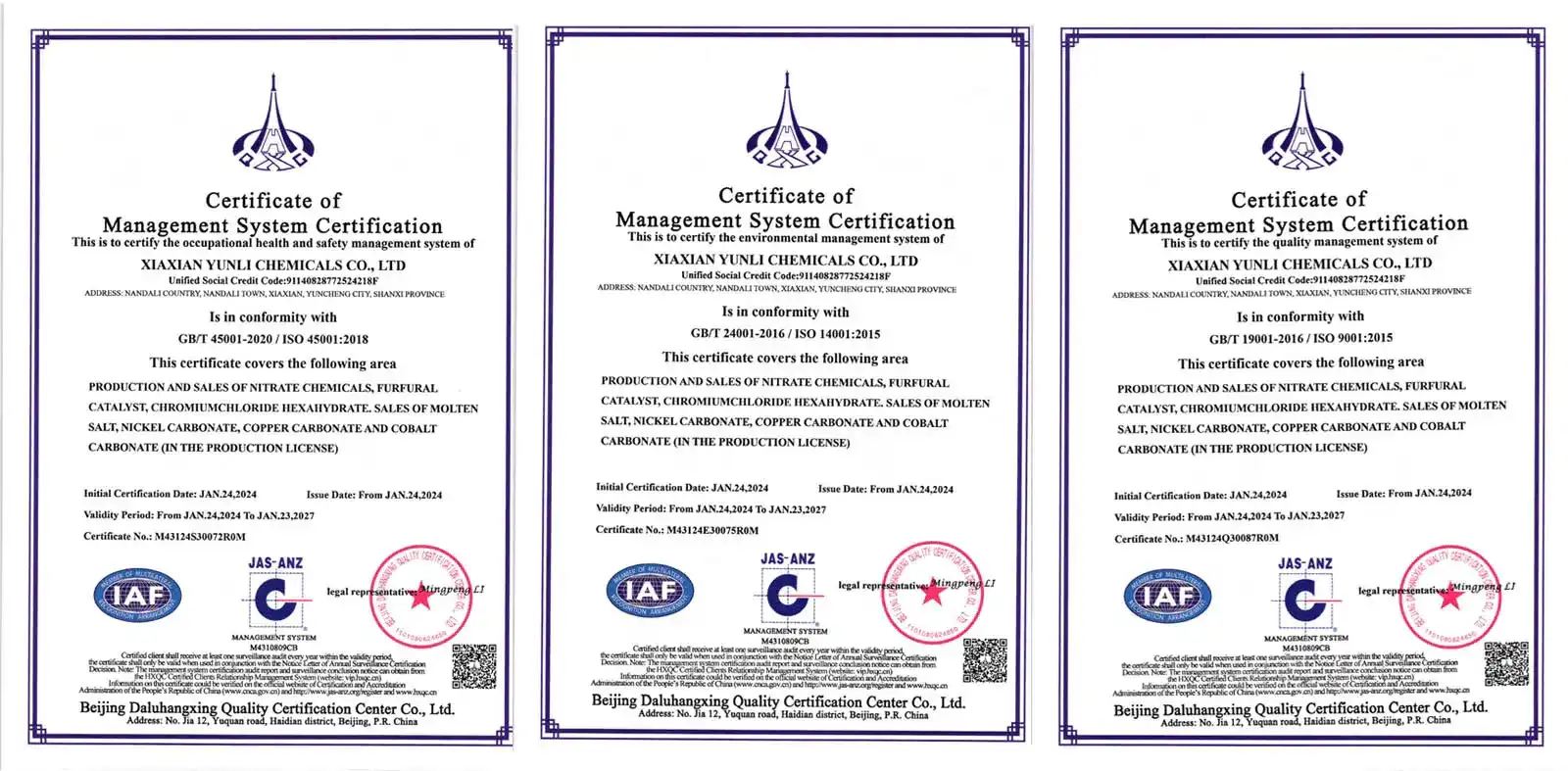
This makes it more important to have approved low-impurity grades. With ISO 9001 certification, a seller shows that they care about quality management, and with ISO 14001 certification, they talk about their environmental responsibilities. Every batch is checked for purity with a Certificate of Analysis (COA), which makes sure that all packages are the same.
Best Practices for Safe Handling of Chromium Chloride Solution
Personal Protective Equipment Requirements
Because chemicals can damage rubber or neoprene gloves, you need to wear them whenever you touch Chromium Chloride Solution. Normal plastic gloves aren't strong enough to keep acid out. For spilling or moving things around, full-face shields are more important than side shields on safety masks. Side shields protect your eyes from drips.
Lab coats or aprons that don't let dirt through keep your skin and clothes clean. Acid gas cartridges should be put in respirators when working with a lot of things or in a place with poor air flow. This will keep you from getting hurt by taking in acid. To finish off the safe outfit, shoes with closed toes that can handle chemical spills are worn. Checking and changing old PPE on a daily basis makes sure it works well all day.
Safe Dilution and Preparation Methods
You should never take acid out of water; you should always add it. Slowly pour the stronger solution into more water while shaking the mixture to get rid of the heat. When you cook, use Pyrex glass or the right kind of plastic that can handle heat. A well-ventilated area or a fume hood should be used for dilutions to avoid too much air contact. Make sure you have the right amounts before you start.
Fixing solutions that weren't made right loses materials and makes dealing them more dangerous. Diluted liquids should be left to cool to room temperature before they are put in containers to be stored. Solution should be marked with what it is, when it was made, and any safety information as soon as it is made. Exothermic processes are less likely to happen with this careful method, and the results are always the same from batch to batch.
Ventilation and Spill Containment Strategies
Local exhaust vents put near transfer points catch acidic vapors before they get into the office. Make sure there is enough airflow to keep the numbers in the air below what is safe for people to touch. Under storage bins, put spill trays that can handle chemicals to catch leaks before they spread. Keep buffering agents like sodium bicarbonate on hand in case you need to clean up an unexpected spill.
Place safety showers and places to wash your eyes near the work so that you can get to them in less than 10 seconds. You should teach people the right way to handle a spill, such as how to contain it, minimize it, and get rid of contaminated materials. With all of these technology limits and emergency planning steps in place, it's much less likely that someone will get hurt if the release goes off by accident.
Optimal Storage Solutions to Preserve Chromium Chloride Solution Quality and Safety
Temperature and Environmental Controls
Keep barrels in climate-controlled storage that is between 15 and 25 degrees Celsius so that they don't freeze or lose too much water. Chromium Chloride Solution shouldn't be put in full sunlight because it makes them less stable and breaks down containers faster. HDPE drums or steel tanks lined with rubber are better at resisting acid than standard carbon steel barrels.
The places where you store things should stay dry, since water on the outside of packages can rust them and peel off the labels. Set up tools for keeping track of temperatures that will let managers know when temperatures get too high or too low. Places that don't have smart climate control need to be extra careful when the weather changes with the seasons. In cold places, heat storage may be needed in the winter.
Container Selection and Material Compatibility
There are a lot of good deals on HDPE buckets that can hold up to 1000 liters of water. For bigger businesses, rubber-lined steel tanks are better because they protect the structure and stop rust from happening. Don't store things for a long time in metal, unlined steel, glass, or metal cases because chloride ions break down these materials very quickly.
Make sure that all of the caps and seals are made of acid-proof materials that won't break down while they're being stored. Fiber drums lined with PE and desiccant bags that keep out water can be used to store smaller amounts. The UN has made sure that packaging meets shipping rules and is safer because it has been through strict tests. Yunli Chemical can pack their products in a variety of ways to meet the needs of each customer and lower the risk of moisture contamination. These include 25 kg bags, 500 kg drums, and IBC containers that have been cleaned with nitrogen.
Labeling, Segregation, and Inventory Management
Every container needs to have clear danger signs that are acidic, GHS pictograms, and information on how to get help in an emergency. Physical walls or minimum separation lengths can be used to keep chromium chloride solutions away from alkalis, oxidizers, and reactive metals. Use first-in, first-out product change to get rid of old stock first and then bring in new stock. This will keep things from being left alone for too long, which could lead to a drop in quality.
To make sure it stays steady, use titration or spectroscopic methods to check the quantity once a month. With inventory management software, it's easy to keep track of batch numbers and times when things go bad. Set aside specific places to store chromium compounds so they don't mix with things that won't work with them. These ways of putting things away help make things clear in case of an emergency and make sure that everything works the same way every time.

Procurement and Supplier Selection Guide for Chromium Chloride Solution
Evaluating Supplier Credentials and Quality Assurance
The fact that a reputable company keeps its ISO 9001 license shows that it controls quality in a planned way throughout the whole production process. Environmental standards, such as ISO 14001, show that you can properly deal with trash and keep pollution in check. A great example of this kind of hard work is Yunli Chemical, which has been around since 2005 and is known as a Shanxi Provincial Enterprise Technology Center. It makes over RMB 1 billion a year and has a lot of licenses.
Thanks to advanced research tools like ICP-MS and atomic absorption spectrometry, it is possible to do a very thorough search for impurities. Suppliers of 4N-grade (99.99% pure) Chromium Chloride Solution goods are used in electronics and pharmaceutical intermediates, which are very strict areas with a lot of trace metal waste. Before you place a large order, ask for COA paperwork for recent batches to make sure that the iron content is below 30 ppm, the copper content is below 10 ppm, and other important conditions are met.
Understanding Purity Grades and Application Matching
For general electroplating and clay work where small mistakes are okay, technical grade materials can be used. Reagent grade goods have to meet higher standards for lab work and catalyst production. Making chips and batteries doesn't go wrong when you use electronic grade fluids with very few metal flaws. Some versions made by Yunli Chemical have less than 0.1% chloride, which is low enough to meet REACH requirements for cosmetic plating.
These versions can also withstand salt spray for more than 240 hours. The job of the person in charge of buying things should help them decide which grades to use. When technical grades are enough, spending too much on medicinal grades costs money, and when grades aren't clean enough, production problems happen and customers are unhappy. Technically in-depth talks with source experts help figure out which grade offers the best value for money and performance.
Logistics, Packaging, and Delivery Considerations
The price per unit goes down when you buy in bulk, but you need to have enough room to store it and cash on hand. You can use a lot of different ways to buy from Yunli Chemical because it doesn't have a minimum order size and offers free samples of up to 500 grams for testing. Getting goods directly from the factory cuts out the middlemen and makes sure that goods can be watched. It is safer and cheaper to handle things on-site when customized rates are sent as ready-to-use solutions.
To ship things correctly, you need UN-approved boxes for dangerous items, correct paperwork, and drivers who know how to handle dangerous materials. When you ship something, you need to think about how long it will take to clear customs. Getting to know sellers who know how to handle the details of importing chemicals from other countries makes it easier to buy chemicals and cuts down on delays that throw off production plans.

Conclusion
Chromium Chloride Solution is dangerous to handle and store unless you know a lot about their chemical makeup, follow strict safety rules, and only buy them from reliable sources. For workers and goods to be safe, the right PPE must be worn, storage conditions must be managed, and goods must be tracked in a planned manner. It is in line with global rules about the environment to use trivalent chromium systems. This also keeps performance standards high in linens, electroplating, and catalysis.
It is important for buying managers to make sure that sellers have all the necessary certifications, support skills, and paperwork. This builds strong supply lines that lower operational risks. Safety and the environment are becoming more important in business. To stay ahead of the competition in the long run, it's best to choose makers with proven quality systems and skills in environmental management.
FAQ
Q1: What immediate steps should I take if chromium chloride solution contacts skin?
A: Wash the area with a lot of water for at least 15 minutes right away while taking off any dirty clothes. See a doctor right away, especially if the pain doesn't go away. If you try to lessen the acid on your skin, it will get hotter and the burns may get worse. In each section, we prioritize the safe handling of Chromium Chloride Solution.
Q2: How does trivalent chromium chloride differ from hexavalent chromium in safety profiles?
A: Chemicals with three chromium ions are not as dangerous as those with six chromium ions. They also do not cause cancer. Even so, trivalent fluids still hurt the skin and need to be treated in the right way. Firms move from dangerous Cr(VI) methods to safer ones because of this safety gain.
Q3: Can chromium chloride solutions freeze during winter transport, and how do I prevent this?
A: Amounts don't change above 0°C, but they might crystallize in colder places. Ask for shipping that is controlled by temperature or recipes that have slightly lower amounts that make them less likely to freeze. As soon as the packages get there, look for crystals that could mean the temperature has changed.
Q4: What container materials provide optimal long-term storage compatibility?
A: Chloride rust doesn't do much damage to steel that is covered with rubber or high-density polyethylene. Steel that hasn't been handled, aluminum, and glass all break down quickly, so stay away from them. Make sure that the lids have covers that are immune to acid so that the seal stays in place while they are being stored.
Partner with Yunli Chemical for Certified Chromium Chloride Solution Supply
Yunli Chemical has been a specialist producer for 20 years and can help you get Chromium Chloride Solution. They have quality management systems that are ISO-certified and can work with state technology centers. Our ultra-high purity grades are more than 99.5% pure and meet the strict needs of electroplating, making catalysts, and medical uses.
They also follow all REACH and RoHS rules. Our company has over RMB 1 billion in annual sales and over RMB 300 million in fixed assets. We provide B2B purchasing managers with the stable supply and expert help they need. You can email our team at wangjuan202301@outlook.com to get customized SDS papers, free samples, and storage ideas. Our factory-direct model skips the broker and their fees, and we use high-tech ICP-MS tools to check that every batch is the same.

References
1. Smith, J.R. & Peterson, M.L. (2021). Industrial Chromium Chemistry: Safety Protocols and Environmental Compliance. Chemical Engineering Press.
2. National Institute for Occupational Safety and Health. (2020). NIOSH Pocket Guide to Chemical Hazards: Chromium Compounds. U.S. Department of Health and Human Services.
3. European Chemicals Agency. (2019). REACH Guidance on Safe Use of Trivalent Chromium Salts in Industrial Applications. ECHA Publications.
4. Thompson, K.E. (2022). "Storage and Handling Best Practices for Corrosive Inorganic Solutions." Journal of Chemical Safety Management, 18(3), 145-162.
5. American Conference of Governmental Industrial Hygienists. (2023). TLVs and BEIs: Threshold Limit Values for Chemical Substances. ACGIH Publications.
6. Wilson, D.A. & Chang, H.Y. (2020). Electroplating Technology: The Transition from Hexavalent to Trivalent Chromium Systems. Surface Finishing Institute Press.