


Is chromium nitrate soluble in alcohol?
It is possible to measure how well Chromium Nitrate nonahydrate (Cr(NO₃)₃·9H₂O) dissolves in alcohol liquids, but it is much less effective than water. Under normal conditions, this three-part Chromium Nitrate compound dissolves easily in ethanol, acetone, and methanol. This makes it useful for a wide range of solvent-based commercial formulas. When purchasing managers check the suitability of materials in coating systems, catalyst preparation, and surface treatment processes that use alcohol as the main or co-solvent medium, they need to fully understand how these materials dissolve.
Understanding the Solubility of Chromium Nitrate
Chemical Structure and Physical Properties
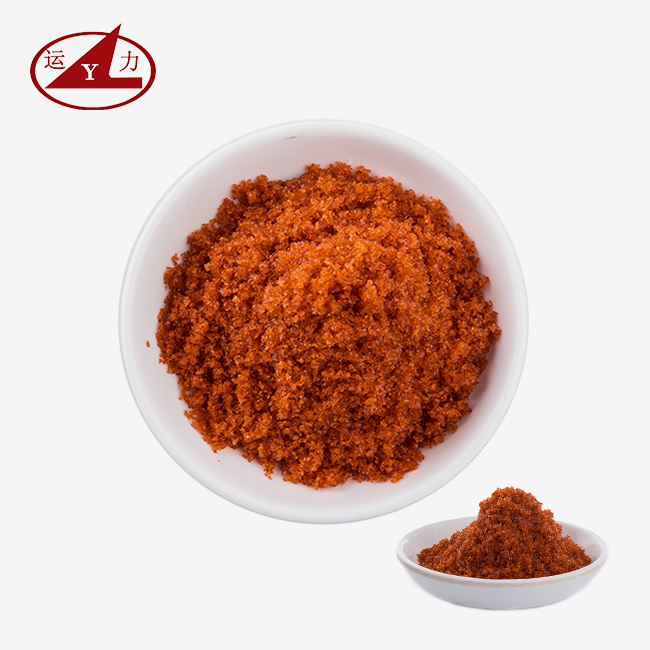
Chromium Nitrate nonahydrate is a dark purple-red solid that has a molecular weight of 400.15 g/mol. The structure of the compound has nine water molecules bonded to the central chromium(III) ion. This makes the material very water-absorbing and gives it a freezing point of 60°C. At about 125.5°C, this hydrated solid form breaks down, releasing nitrogen oxides and changing into chromium oxide phases. The fact that these crystals melt affects how they should be handled and stored, especially in places where humidity is managed.
Solubility Profile Across Solvents
The substance dissolves very easily in water; at room temperature, concentrations higher than 81 grams per 100 milliliters can be dissolved. This water-based solution changes colors in interesting ways. It goes from violet at room temperature to green when heated and back to reddish-purple when cooled. These changes in color show how chromium's coordination sphere and hydration state have changed, showing how equilibria change with temperature.
Solubility trends are very different in alcohol liquids. Chromium Nitrate is fairly dissolved in ethanol, which supports amounts good for coating and catalyst impregnation formulations. A similar amount of dissolving can be achieved with methanol, but isopropanol works a little less well. All types of alcohol dissolve better when the temperature goes up. Heating to 40–50°C often doubles the rate of breakdown compared to room temperature.
Factors Influencing Alcohol Solubility
Several things affect how molecules of Chromium Nitrate and alcohol interact with each other. The Chromium Nitrate complex and alcohols' hydroxyl groups have similar polarities, which makes solvation easier. However, the structure's large hydrated state limits its steric access. Different levels of concentration change the rate at which a compound dissolves. Dilute alcohol systems can dissolve the compound more easily than concentrated solutions. Co-solvents, especially water in alcohol mixes, make solubility much better by keeping the hydrated Chromium Nitrate species stable. The perceived solubility is also affected by the humidity in the air, since hygroscopic crystals can soak up moisture from the air, causing micro-aqueous environments that help dissolve substances.
Practical Implications of Chromium Nitrate Solubility in Alcohol for Industry
Applications in Alcohol-Based Systems
One main use where alcohol solubility is important is in the production of catalysts. When Chromium Nitrate is mixed with ethanol or methanol, it can evenly fill up porous alumina or silica supports. This makes active sites for polymerization and dehydrogenation processes that are spread out. The alcohol medium makes it easier for the substance to get into the support pores, and it evaporates cleanly during calcination, so it doesn't leave behind any contaminants that could harm the catalytic surfaces.
Chromium Nitrate is being used more and more in alcohol-based surface cleaning products for passivation and conversion coating tasks. These systems take the place of dangerous hexavalent chromium treatments and keep the resistance to rust. Alcohol solutions lower surface tension, which makes it easier for coatings to stick to metal surfaces and allows for thinner, more even layers. Alcohol bases are volatile, which speeds up the drying process and increases output flow in high-volume operations.
Process Efficiency and Product Quality
The properties of solubility have a direct effect on the stability of the product and how well it works in the application. If there isn't enough dissolving, precipitation can happen during storage or use, which can damage surfaces and make catalyst loading unpredictable. To make sure that Chromium Nitrate dissolves reliably, procurement teams must define grades with controlled particle size ranges and purity levels. At Yunli Chemical, we make sure that our material has iron impurities below 30 ppm and can have pH ranges between 5.0 and 7.0 that can be changed to fit your needs. This makes it compatible with a wide range of alcohol systems and stops premature hydrolysis or polymerization.
Handling and Storage Best Practices
Because Chromium Nitrate absorbs water, it needs to be stored and packaged in a way that keeps moisture out. We suggest that covered packages be kept in climate-controlled spaces where the relative humidity stays below 40%. When making alcohol solutions, slowly adding solid Chromium Nitrate to a liquid that is being stirred stops areas from becoming too saturated and makes sure that everything dissolves. Before adding, heating the alcohol to 35–45°C speeds up the process while keeping it safe below the flash point of ethanol.
Safety and Compliance Considerations
Chromium Nitrate is an oxidizing agent, so it needs to be handled carefully when it comes in contact with things that can catch fire. This oxidation potential stays the same in alcohol solutions, so spark-proof tools and good air flow are needed to keep the smoke from building up. When the product comes into touch with skin or eyes, it irritates them. To handle it safely, you need to wear chemical-resistant gloves and safety glasses. Our detailed MSDS sheets and REACH/RoHS compliance certificates make sure that our products can be used safely in controlled markets. They meet the needs of buying professionals for both worker safety and environmental protection.
Comparing Chromium Nitrate with Other Chromium Salts in Terms of Solubility and Application
Chromium Sulfate vs. Chromium Nitrate
Chromium sulfate doesn't dissolve well in pure alcohols, which limits its use in formulas that don't need much water. The sulfate counter-ion can cause pollution in places where sulfur compounds are not wanted, like in some catalyst systems where sulfur harms metal sites that are active. Chromium Nitrate gets around this problem, making it possible for better decomposition paths to happen during heat processing. The nitrate form also controls pH better in acidic mixtures, which is important for the etching and surface stimulation steps that come before covering.
Chromium Chloride Comparisons
Chromium chloride is easily dissolved in water and alcohols. However, chloride ions can damage stainless steel process equipment and make electronic materials work less well. When chloride gets into catalysts, it lowers their sensitivity and speeds up the breakdown process. Because Chromium Nitrate doesn't have these problems, it is the best choice for high-purity uses in pharmaceutical products and battery materials. The lack of halides also makes trash handling easier, since chloride-free streams don't need to be disposed of in a certain way.
Purity Grades and Performance Impact
Chromium Nitrate used in industry is usually 98–99% pure, which is good enough for treating surfaces and using in textiles. High-purity grades with 99.9% purity, like those made at Yunli Chemical's provincially approved technology center, are used in high-demand fields like electronics and drug production. Alkali metal flaws in these high-quality materials stay below 50 ppm, and the amount of leftover nitric acid is less than 0.1%, which is in line with USP and EP monograph standards. Purchasing managers should compare purity standards with application needs. Paying too much for purity that isn't needed raises costs without improving performance, and not enough purity lowers yield and quality.
Sourcing Considerations
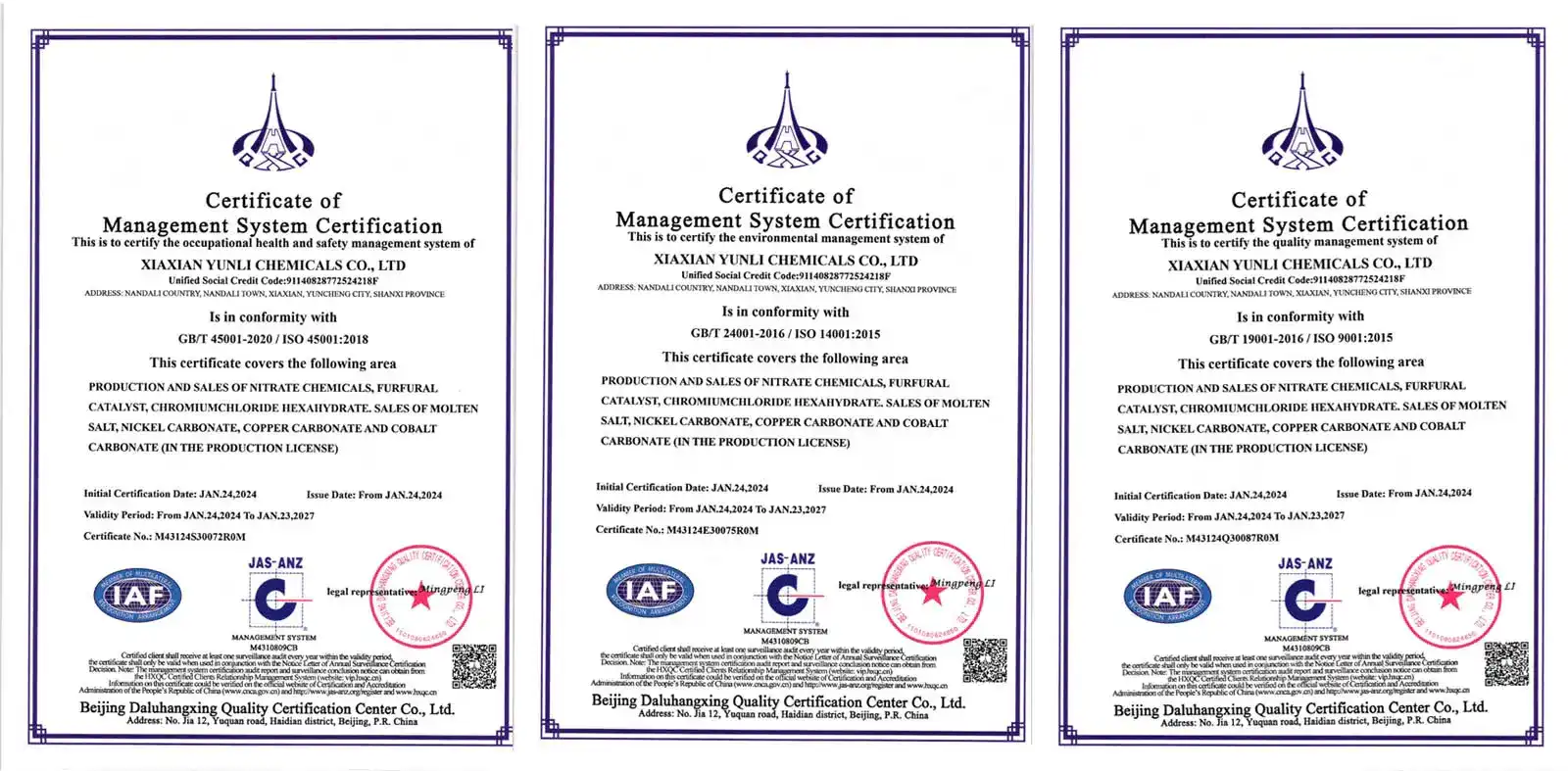
Manufacturers in China, Europe, and India are all part of the global supply lines for Chromium Nitrate. Each of these places has its own benefits. Chinese manufacturers, like Yunli Chemical, which has been in business for more than 20 years, offer reasonable prices, a lot of production capacity, and the ability to make changes as needed. European providers stress shorter wait times and regulatory paperwork to clients in the area. Indian companies are serving more and more Middle Eastern and African areas. When buying from suppliers, teams should look at things like factory certifications (ISO 9001, ISO 14001, and OHSAS standards), the ability to analyze data to make sure the quality is good, and the infrastructure for environmental compliance. These are more accurate ways to predict source trustworthiness than price alone.
Procurement Considerations for Buying Chromium Nitrate
Supplier Evaluation and Selection
Finding a reliable source for Chromium Nitrate starts with carefully checking out the suppliers. Manufacturers that keep their provincial or national technology center labels, like Shanxi Province's recognition of Yunli Chemical, show that they continue to spend in quality systems and research and development. Annual sales income and fixed asset values show how financially stable a company is. Companies with more than 1 billion RMB in sales and 300 million RMB in assets have smaller supply disruption risks. Third-party certifications show how strict management is. For example, ISO 9001 proves that the quality system is strong, ISO 14001 proves that the environmental rules are followed, and OHSAS certification shows that the company cares about worker safety.
Before placing a large order, ask for samples of the products you want to use. This is especially important when switching suppliers or bringing new formulations. We offer free samples of up to 500 grams, so you can do full suitability tests without risking your own money. Not only should you look at the chemistry details, but also the physical ones, like the spread of crystal sizes and how well the substance flows. These can change how quickly it dissolves and how it can be handled.
Packaging and Logistics
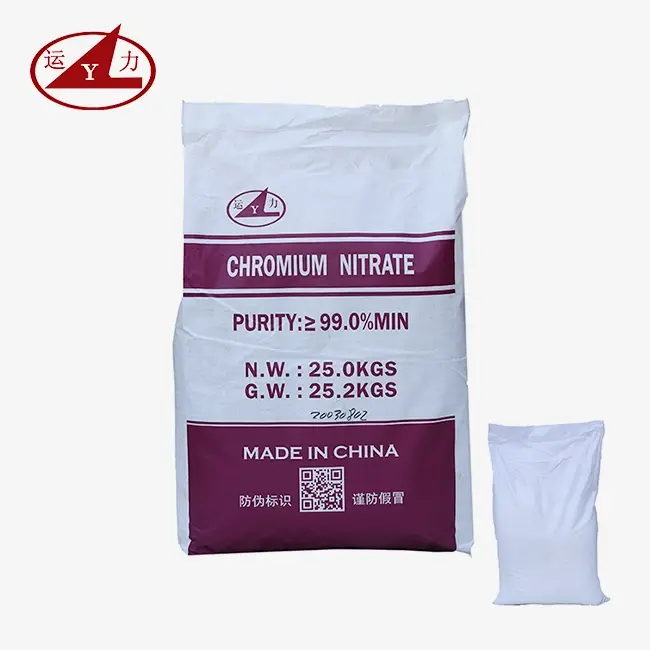
Because Chromium Nitrate absorbs water, it needs special packaging to keep its structure while it's being shipped and stored. Standard items include 25-kilogram bags that don't leak and have plastic covers, as well as intermediate bulk containers (IBCs) for people who use a lot of goods. Custom packaging is made to fit specific ways of handling or legal needs in target areas. Liquid Chromium Nitrate solutions are an option that don't need to be dissolved at the customer facility. However, they do require different storage and shipping methods.
Cost Optimization Strategies
The price per kilogram gets a lot of attention, but the overall cost of ownership includes a lot more than that. Being close to production centers lowers freight costs. Direct factory supply from Yunli Chemical gets rid of distributor markups, saving 10-15% compared to multiple distribution routes. Minimum order numbers show how efficiently the product is made: our 1000-kilogram limit strikes a balance between the cost of keeping supplies for customers and the cost of making the product. When the market is tight, long-term supply deals protect prices and give priority to certain suppliers. This is especially helpful when the demand for Chromium Nitrate goes up during catalyst production cycles.
Regulatory and Documentation Requirements
International trade in chromium is regulated in a lot of different ways. REACH pre-registration and substance identification numbers make it easier for goods to come into Europe, and RoHS compliance paperwork takes care of issues with restricted substances in electronics supply lines. Ask for complete technical data packages that include Certificates of Analysis (COA) that list the real analysis results for each production lot, Material Safety Data Sheets (MSDS) that meet GHS standards, and statements that the product is environmentally friendly. These papers help with government and customer quality checks, which keeps expensive delays or rejects at receiving facilities to a minimum.
Conclusion
Chromium Nitrate can be dissolved in alcohol solutions, which makes it useful in many industrial settings, from making catalysts to treating surfaces. Knowing how this solubility behaves helps buying workers choose the best materials, guess whether they will work with other processes, and set up the right handling procedures. Chromium Nitrate has some special benefits over other chromium salts, such as chemistry that doesn't involve halides, clean heat breakdown, and higher purity choices. To do effective sourcing, you need to look at providers on more than just price. Certifications for manufacturing, technical skills, and compliance with regulations are better indicators of long-term relationship success than price comparisons alone.
FAQ
Q1: What is the solubility limit of chromium nitrate in ethanol at room temperature?
A: Chromium Nitrate nonahydrate can be dissolved in ethanol at temperatures between 15 and 25°C. The amount of Chromium Nitrate that dissolves depends on how much water is in the ethanol. When it comes to dissolving, anhydrous ethanol is less effective than ethanol that contains 5–10% water. When heated slowly to 40°C, these solubility limits are about doubled.
Q2: How should I store chromium nitrate to preserve its solubility properties?
A: Keep Chromium Nitrate in containers that are tightly sealed and in climate-controlled areas where the temperature stays between 15°C and 25°C and the relative humidity stays below 40%. Stay away from water because it can change the hydration state and cause caking. When kept properly, things keep their solubility for at least 24 months.
Q3: What safety precautions must be taken when chromium nitrate is dissolved in alcohols?
A: To keep alcohol gas from building up, use spark-proof tools and make sure there is enough air flow. Chromium Nitrate is an explosive that needs to be kept away from things that can catch fire in addition to the alcohol solution. Wear gloves that can handle chemicals and safety glasses when dealing. Keep close fire extinguishing gear that is right for Class B (flammable liquid) fires.
Partner with Yunli Chemical for Superior Chromium Nitrate Supply
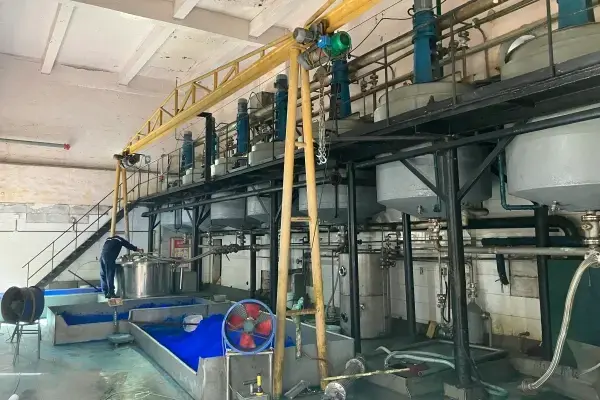
Yunli Chemical is ready to be your reliable source for Chromium Nitrate. They have been making high-quality products for over 20 years and have experience working with customers all over the world. Our factory makes ultra-high-purity Chromium Nitrate (98–99.9%) in both solid crystals and special liquid solution forms. The iron content is kept below 30 ppm, and the pH stability can be changed to meet your exact needs. We offer constant quality because we are a Shanxi Provincial Enterprise Technology Center and have ISO 9001, ISO 14001, and OHSAS certifications. We also have advanced analysis tools like ICP-MS and atomic absorption spectrometry.
Direct factory price gets rid of markups on goods sold by middlemen, and flexible minimum order amounts starting at 1000 kilograms meet a wide range of buying needs. You can talk to our technical team about your Chromium Nitrate needs, get free samples, or get access to full product datasheets and compliance paperwork by emailing wangjuan202301@outlook.com. We offer specialized help for developing alcohol-based formulations, making sure they dissolve and work well in your particular application setting.

References
1. Cotton, F. A., & Wilkinson, G. (1988). Advanced Inorganic Chemistry: A Comprehensive Text (5th ed.). Wiley-Interscience.
2. Dean, J. A. (1999). Lange's Handbook of Chemistry (15th ed.). McGraw-Hill Professional.
3. Burgess, J. (1978). Metal Ions in Solution. Ellis Horwood Limited.
4. Greenwood, N. N., & Earnshaw, A. (1997). Chemistry of the Elements (2nd ed.). Butterworth-Heinemann.
5. Patnaik, P. (2003). Handbook of Inorganic Chemicals. McGraw-Hill Professional.
6. Seidell, A., & Linke, W. F. (1952). Solubilities of Inorganic and Organic Compounds (Vol. 2). D. Van Nostrand Company.