


What is calcium nitrate tetrahydrate used for?
In gardening, making industrial concrete, treating wastewater, and making specialty rubber, Calcium Nitrate Tetrahydrate (Ca(NO3)2·4H2O) is used a lot as a two-nutrient compound. It dissolves right away and doesn't contain salt, which makes it very useful for precise fertigation systems, cold-weather concrete admixtures, and coagulation processes where product quality depends on how pure and consistent the mixture is. This compound is used in many different fields, such as electroplating, cloth dyeing, making battery materials, and making pharmaceutical intermediates. It solves important practical problems like keeping crops from getting physical problems and speeding up the curing process in cold places.
Understanding Calcium Nitrate Tetrahydrate
Chemical and Physical Profile
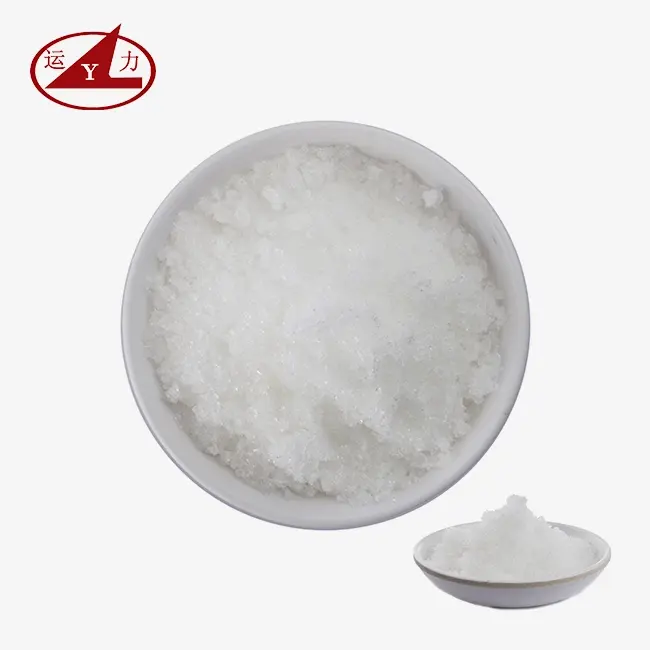
With a chemical formula of Ca(NO3)2·4H2O, you can make a white columnar monoclinic crystal that weighs 236.15 g/mol and has a specific density of 1.895. This structure breaks down at 132°C, so it needs to be stored in a temperature-controlled area. It dissolves quickly in methanol, ethanol, and acetone, but not in nitric acid because it dissolves so poorly in water (about 1,290 g/L at 20°C). Assay values of more than 99%, calcium content of more than 16.9%, and nitrogen content of more than 11.7% are common for high-purity commercial grades. Because the substance absorbs water, it needs to be sealed in packages with moisture barriers. Its neutral pH range (5.0–7.0) makes it compatible with sensitive materials used in pharmaceutical and electronic material production.
Safety and Handling Standards
Calcium Nitrate Tetrahydrate can start a fire if it comes in touch with something that can catch fire. Because it is acidic and can burn skin, it is necessary to wear safety gear when handling it. OSHA and EPA-compliant first-aid routines, proper ventilation requirements, and spill containment measures are all spelled out in international safety paperwork such as MSDS sheets and COA certificates.
Transport laws put it under certain UN numbers and require that it be marked and kept separate from biological materials while being shipped. End users in electroplating and surface treatment operations really like suppliers who provide full compliance paperwork. This lowers their worries about risk and makes it easier for the suppliers to work with existing safety management systems.
Quality Control and Manufacturing Standards
Leading makers use ICP-MS and atomic absorption spectrometry to keep an eye on impurity levels. They pay special attention to iron levels below 0.001% to keep latex uses from turning colors. Less than 0.05% water-insoluble matter keeps drip irrigation nozzles from getting clogged, which is an important requirement for hydroponic operations and precision agriculture clients. ISO 9001-certified factories keep track of each batch, which makes it easy to fix quality problems quickly.
Suppliers with provincial-level enterprise technology centers can make customized purity grades ranging from agricultural-standard to 4N-grade (99.99%) formulations that are good for making battery electrolytes and pharmaceutical intermediates. This meets the needs of chemical raw material distributors who serve a variety of market segments.
Applications of Calcium Nitrate Tetrahydrate
Agricultural Water-Soluble Fertilizers
Fertigation systems that deliver this substance through drip lines make calcium available right away, which stops blossom end rot in tomatoes and tip burn in lettuce, two health problems that cost greenhouse businesses millions of dollars every year. The nitrate-nitrogen form skips the energy-dense process of turning ammonium into nitrogen, so plants can take nitrogen directly, which speeds up their vegetative growth. In farming areas of the southwestern United States with salty soil, calcium moves sodium ions out of soil exchange sites.
This makes the soil structure better and increases the rate at which water can penetrate it. When technical engineers look at fertilizer suppliers, they look for goods with low insoluble matter specs. This is because particulate contamination can block emitters, which requires expensive system downtime and maintenance.
Concrete Set Acceleration and Antifreeze Applications
When working with concrete in cold weather (below 5°C), Calcium Nitrate Tetrahydrate can speed up the hydration of tricalcium silicate. This counteracts the slowing down caused by temperature without corroding the steel support. Instead of chloride-based admixtures that aren't allowed in post-tensioned structures, this non-chloride option meets the standards of the ACI 318 building code while still protecting the structure.
Companies that make ready-mix for building projects in northern areas like it when their sources offer a range of packaging options, from 25 kg bags for small pours to bulk tanker orders for big infrastructure projects. The compound's endothermic dissolution releases heat in a controlled way, which lets concrete be poured in the winter without affecting the 28-day compressive strength development. This gives workers with short project deadlines a competitive edge.
Latex Coagulation and Wastewater Treatment
To keep the coagulant dipping process from coloring the gloves, medical glove makers need high-purity types with iron contents below 0.001%. The compound's steady gelation rate makes sure that all production runs have the same film thickness. This lowers the number of rejects and raises the yield efficiency. Calcium Nitrate Tetrahydrate is used by municipal wastewater treatment plants to stop sulfate-reducing bacteria from working.
This stops hydrogen sulfide from creating smells in collection systems. This app is especially helpful for businesses that need to follow strict air quality permits and are located near homes. When buying things, purchasing managers look for suppliers with strong environmental management certifications. This is because wastewater treatment applications need proof that the sellers meet Clean Water Act discharge standards and offer odor control performance promises.
Specialty Industrial Applications
Pharmaceutical-grade Calcium Nitrate Tetrahydrate is added to electroplating pools in electronics manufacturing to make the deposits on circuit boards more uniform. It is used as a mordant in textile dying facilities to help dyes penetrate better and stay true longer in cotton and wool processing. Because the compound oxidizes, it is useful in metalworking processes that need to control the gift of oxygen during the production of alloys.
Manufacturers of battery materials working on new energy storage technologies demand ultra-high-purity grades with heavy metal pollution levels below ppb. This makes sure that the solutions in lithium-ion cells are stable electrochemically. Because of these many uses, chemical raw material distributors keep Calcium Nitrate Tetrahydrate as a standard item in their stock and have tonnage-level recurring buy deals with clients in many different industries.
Comparative Analysis for Procurement Decision-Making
Product Differentiation and Selection Criteria
Calcium nitrate anhydrous gets rid of the four water molecules, which makes it 30% lighter for shipping but means that liquid recipes need special tools to dissolve it. Calcium ammonium nitrate mixes add ammoniacal nitrogen, which is good for long-term fertilizer uses but not good for plants that are sensitive to ammonia escaping. Urea nitrate has a higher nitrogen content and is cheaper, but it doesn't have the structure benefits that calcium does for plant cell walls. When procurement professionals weigh cost against usefulness, they usually choose tetrahydrate forms for tasks that need instant solubility and delivery of two nutrients, while anhydrous grades are better for tasks that don't need to be exposed to much moisture during storage and handling.
Supply chain managers are becoming more and more aware that source stability is more important than small price differences after looking at these products. A factory problem that delays delivery by three weeks can shut down production lines worth a lot more than the budgets for buying chemicals every three months. Established sellers with more than two decades of experience, fixed assets worth more than RMB 300 million, and a wide range of products can guarantee a steady supply of goods that new vendors can't. These benefits are especially useful when there are problems in the supply chain for an industry, because chemical raw material sellers will give their limited stock to long-term customers who have promised to buy a lot.
Market Positioning and Pricing Dynamics
Agricultural-grade Calcium Nitrate Tetrahydrate material costs between $450 and $750 per metric ton in North America right now. Pharmaceutical and electronic-grade materials cost 40 to 60 percent more. Tiered discounting structures are usually available for bulk purchases over 100 metric tons, and flexible minimum order amounts and consignment inventory arrangements are helpful for wholesalers serving regional markets.
Changes in the value of the US dollar and the Chinese yuan affect the prices of imports. To protect against these changes, it can be helpful for foreign producers to be licensed in the US and run their own export operations. Technical support services, such as custom concentration aqueous solutions and help with formulations for specific applications, add real value for industrial end users who care more about total cost of ownership than just purchase price.
How to Procure Calcium Nitrate Tetrahydrate Efficiently?
Supplier Evaluation Framework
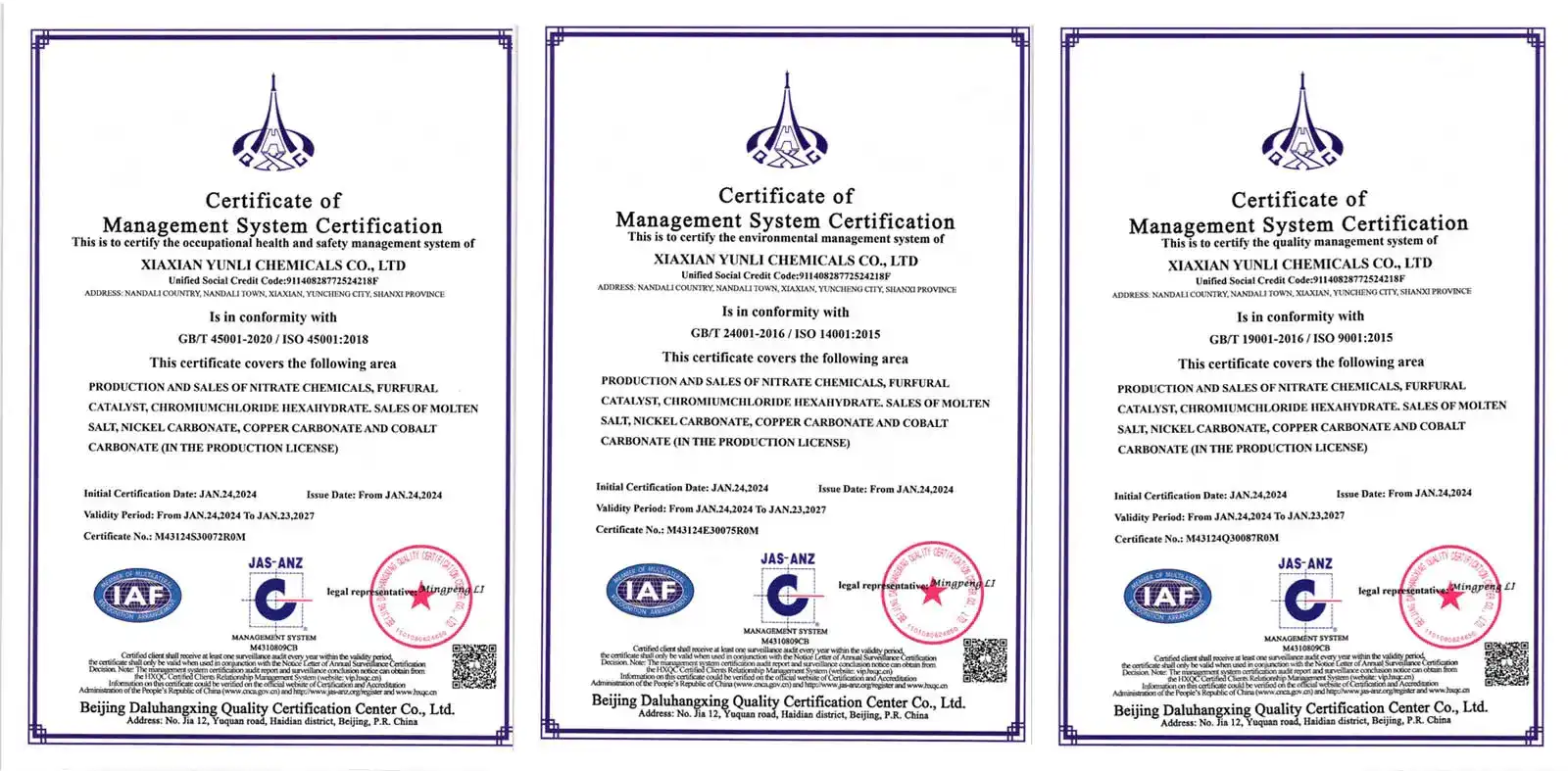
Verification of certification is the first step in the buying process. ISO 9001 certifications for quality management, ISO 14001 certifications for environmental compliance, and OHSAS certifications for workplace safety show that there are systematic operating controls that lower supply chain risk. Enterprise technology center awards at the provincial level show that a company has the research and development (R&D) skills to create custom purity grades or new formulas that meet new application needs.
When suppliers offer OEM manufacturing services, wholesalers who are making their own product lines can use private-label branding. Geographic logistics factors include being close to a port for international shipments, being able to get goods by train, and having regional warehouse networks that support just-in-time inventory models that reduce the need for working capital while still making sure materials are available during times of high demand.
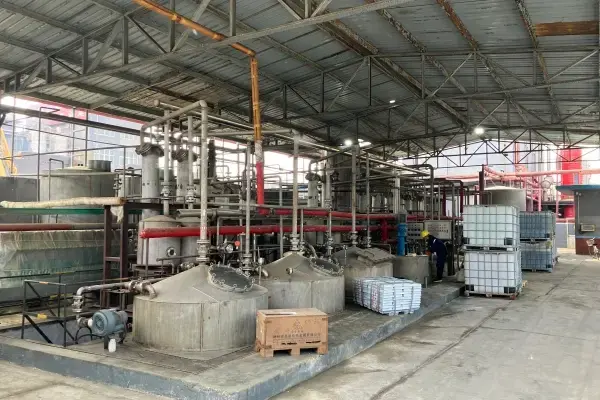
By asking for surveys of production facilities, you can see the structures for quality control. Advanced analytical tools, like ICP-MS spectrometers, atomic absorption systems, and automatic titration equipment, make sure that providers can keep specifications the same from one production batch to the next. Environmental treatment plants that handle nitrate wastes and exhaust gases show that they follow the rules, which lowers the risk of responsibility for customers. We suggest that procurement teams create seller scorecards that include metrics like on-time delivery rates, accurate documentation, responsive technical support, and on-time complaint resolution—metrics that can help them figure out if the partnership will work in the long run after the original price talks.
Packaging and Logistics Optimization
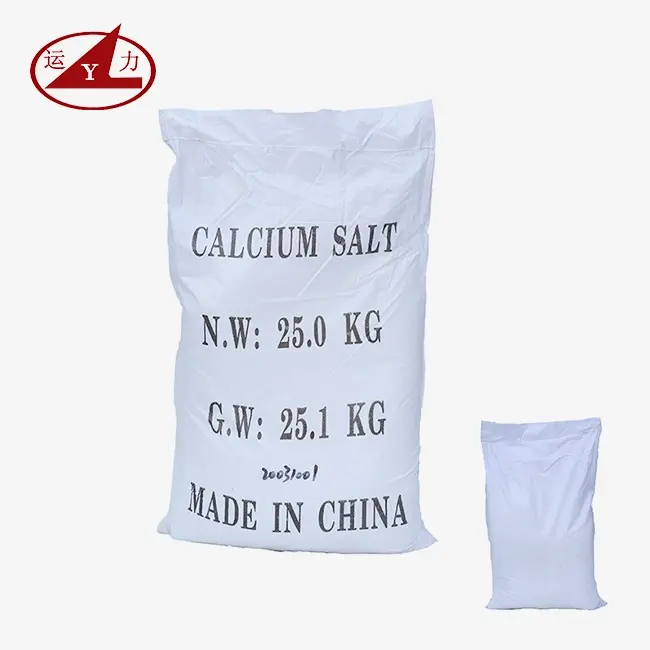
Standard packing includes woven polypropylene bags that hold 25 kg of goods with plastic liners, 500 kg jumbo bags for automatic handling systems, and big truck packages for businesses that handle a lot of goods. Customs clearance times are cut down for wholesalers who serve a wide range of markets by using customized labels that can be read in multiple languages and by different regulatory authorities. Shipping is most efficient when pallets are set up in ways that make it easy to load containers.
Usually, 25 metric tons per 20-foot container or 27 metric tons per 40-foot high-cube container. Coordinating shipment schedules with production cycles cuts down on the costs of keeping goods on hand and keeps safety stocks on hand in case of shipping problems. When suppliers offer free 500-gram samples, labs can test them before committing to bulk purchases. This is especially helpful when looking for new suppliers or reviewing application development projects.
Contract Structuring and Risk Management
Volume commitment agreements spanning 12–36 months for Calcium Nitrate Tetrahydrate stabilize pricing amid market fluctuations and ensure supply allocation during shortage periods. Payment structures—such as letters of credit for new supplier relationships and net-60 terms for established partnerships—balance working capital requirements with supplier financial security needs.
Force majeure clauses should include provisions for alternative sourcing and price adjustment mechanisms triggered when raw material cost changes exceed defined thresholds. Premium suppliers differentiate themselves from commodity vendors through after-sales support encompassing technical guidance, application troubleshooting, and product performance guarantees—services that reduce operational risk and enhance process efficiency, justifying modest price premiums.
Key Considerations for Using Calcium Nitrate Tetrahydrate Safely and Effectively
Storage and Shelf Life Management
Warehouses with temperatures between 15°C and 25°C and relative humidity below 60% keep goods fresh for the usual 24 months they are stored. Moisture getting in leads to caking and breakdown, which lowers stability and introduces impurities that make the product less useful. Separation from flammable materials stops oxidation reactions, and keeping fertilizer-grade and pharmaceutical-grade materials in different storage areas stops cross-contamination that could affect uses that need to keep the purity of the materials. Following first-in, first-out rules for inventory rotation slows down degradation caused by age. This is especially important for electronics manufacturing, where higher rates of electroplating defects are linked to higher levels of trace impurities.
Application Best Practices
Depending on the type of crop and its stage of growth, fertilization doses are usually between 50 and 150 kg per hectare. Applying the fertilizer in two parts, during the vegetative and flowering times, makes the best use of the nutrients. Admixture doses of 2 to 4 percent by weight of the cement achieve the desired increase without producing too much heat, which could cause thermal cracks. To keep oxygen conditions in collection systems, wastewater treatment plants add Calcium Nitrate Tetrahydrate at levels of 5 to 10 mg/L.
These application parameters need to be changed depending on the water hardness, the temperature of the area, and the specific operational goals. This shows how important it is for suppliers to offer technical support tools like dosing calculators, compatibility charts, and application engineering consultation services, which purchasing managers are asking for more and more when they are looking for supplier partnerships.
Regulatory Compliance and Sustainability
Labeling and application rates for fertilizers sold in farm markets are regulated by EPA FIFRA registration rules. Accelerating admixtures in concrete must meet ASTM C494 Type C standards. Environmental release permits set limits on the amount of nitrates that can be in runoff and wastewater streams. This means that farms need to make fertilizer management plans and factories need to make sure their treatment systems work as well as they can.
Customers can meet stricter government rules without having to spend a lot of money on local treatment facilities if their suppliers show that their environmental management systems are mature. These systems should include closed-loop nitrate recovery from process wastewater and exhaust gas scrubbing technologies. This skill is a strategic advantage that is especially useful for companies that make pharmaceutical intermediates and fine chemicals that have to deal with strict environmental compliance checks and pressures from the community.
Conclusion
Calcium Nitrate Tetrahydrate is useful in many fields, including gardening, building, wastewater management, and specialty manufacturing, because it dissolves quickly and doesn't corrode. When purchasing workers are trying to get the best deals from suppliers, they should give more weight to vendors that can show they have a long history of manufacturing, quality system certifications, research and development skills, and infrastructure for environmental compliance.
Because the compound is so important for keeping crops healthy, letting people pour concrete in cold weather, and making sure the quality of rubber products, supply consistency is just as important as low prices. Strategic buying strikes a balance between controlling costs and ensuring dependability, expert support, and the ability to make changes as needed. These are the qualities that set established makers apart from commodity sellers.
FAQ
Q1: What distinguishes calcium nitrate tetrahydrate from anhydrous forms?
A: The tetrahydrate has four water molecules in each formula unit, so it dissolves easily in water without needing to be hydrated first. Anhydrous forms are lighter to move, but they need controlled tools to dissolve. For instant solubility, tetrahydrate is best for agricultural and wastewater uses. On the other hand, anhydrous types may be needed for industrial processes that are sensitive to moisture. After dissolving, both keep the same calcium and nitrogen levels.
Q2: How does calcium nitrate affect soil pH compared to other nitrogen sources?
A: Calcium nitrate keeps the soil normal to slightly alkaline, while ammonium sulfate and urea make the soil more acidic through nitrification. The calcium part moves the acidity of the soil around, while the nitrate-nitrogen part skips over the steps needed to make the soil acidic. This trait helps plants that do better in alkaline soils and lowers the amount of lime that needs to be added to acidic soils, saving money on costs other than the direct fertilizer value.
Q3: What storage conditions maximize product shelf life?
A: Quality is kept for 24 months in climate-controlled spaces with temperatures between 15°C and 25°C and relative humidity below 60%. Exposure to moisture leads to caking and breakdown, and changes in temperature speed up crystallization, which affects solubility. Before accepting large deliveries, purchasing managers should check with suppliers to make sure that the packaging standards include moisture barrier liners and make sure that the warehouses meet these environmental requirements.
Partner with Yunli Chemical for Reliable Calcium Nitrate Tetrahydrate Supply
Yunli Chemical has been making things for more than twenty years and works with industry end users and chemical raw material dealers all over the United States. Our manufacturing sites in Shanxi Province are ISO 9001, ISO 14001, and OHSAS-certified. They have strict quality controls that make sure the purity standards are met every time. As a well-known Shanxi Provincial Enterprise Technology Center, we make agricultural-standard and high-purity types that are more than 99% pure and have iron contents below 0.001%. These meet the strict needs of rubber manufacturing, electronics, and pharmaceuticals.
Our factory-direct supply model gets rid of markups from middlemen, and our self-operated export operations make sure that all paperwork is correct and that processes are reliable. We offer a range of flexible packing options, such as 25 kg bags, bulk cases, custom labels, and water-based solutions at certain amounts. With more than 1 billion yuan in yearly sales and 300 million yuan in fixed assets, we offer the supply stability that long-term relationships need. Email our team at wangjuan202301@outlook.com to get free samples of up to 500 grams or to talk to our technology experts about your unique buying needs.

References
1. American Concrete Institute. (2019). "Guide to Cold Weather Concreting." ACI 306R-16, Farmington Hills, MI.
2. Chen, W., & Liu, Y. (2021). "Calcium Nutrition and Physiological Disorders in Vegetable Crops." Journal of Plant Nutrition and Soil Science, 184(3), 289-301.
3. International Fertilizer Association. (2020). "Production and International Trade Statistics." Paris, France.
4. National Ready Mixed Concrete Association. (2018). "Concrete in Practice: What, Why, and How? – Accelerating Admixtures." CIP 17, Silver Spring, MD.
5. Water Environment Federation. (2022). "Odor Control in Wastewater Treatment Plants." Manual of Practice No. 25, Alexandria, VA.
6. Zhang, H., Wang, S., & Li, Q. (2020). "Applications of Calcium Nitrate in Latex Coagulation Technology." Polymer Engineering and Science, 60(8), 1847-1856.