


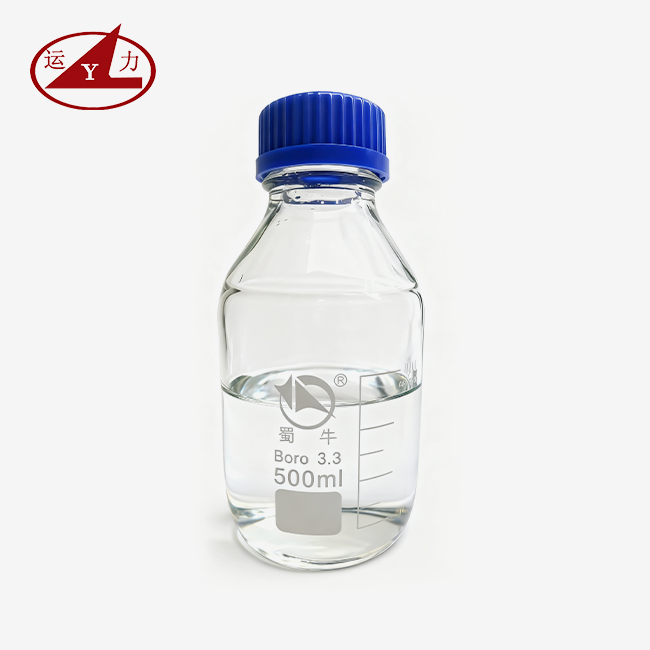
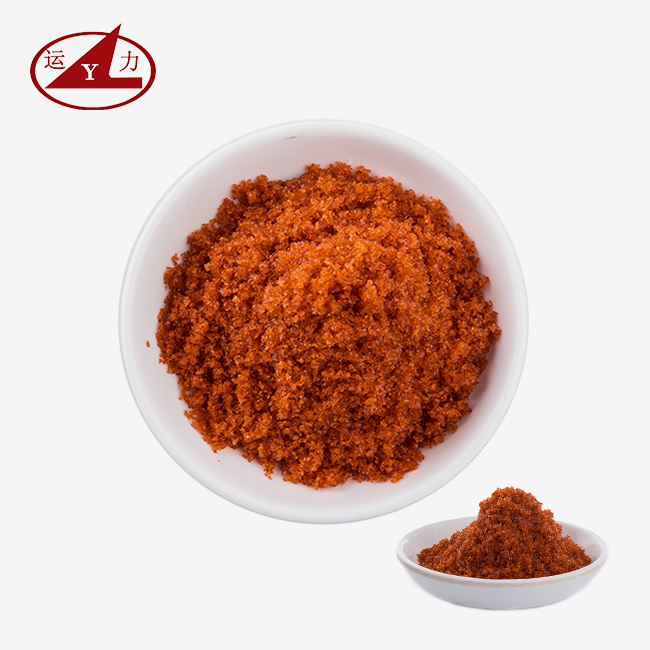
What color is iron 3 nitrate nonahydrate?
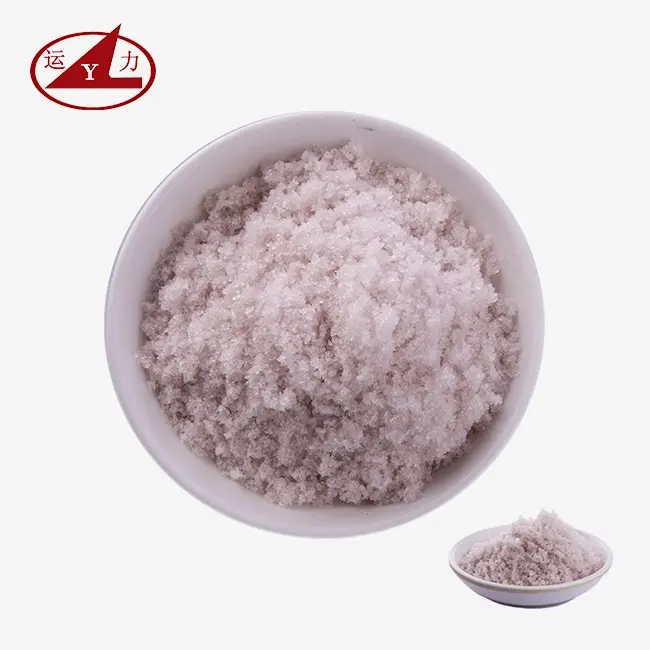
Iron nitrate nonahydrate, whose chemical formula is Fe(NO₃)₃·9H₂O, has a unique purple to violet crystal shape when it is pure and of high quality. As soon as buying managers and quality control engineers see this color, they know right away that the product is pure. The deep purple color tells the difference between real Iron nitrate that was made correctly and batches that have been tampered with or broken down. This makes color analysis a useful first-line quality control tool in industrial receiving checks.
Physical and Chemical Properties of Iron(III) Nitrate Nonahydrate
Knowing the basic properties of this compound helps buying teams make smart choices about where to get it and keep the purity of the product throughout the supply chain.
Core Physical Characteristics
The crystals of Iron nitrate nonahydrate are purple and melt easily. They have a molecular weight of 404.01 g/mol and a specific density of 1.68. The combination has a freezing point of 47.2°C, which means it needs to be handled with care while being shipped or stored. Thermal breakdown happens when something is heated to 125°C. This releases nitrogen oxides and leaves behind iron oxide leftovers. Because of this low thermal barrier, sellers must use climate-controlled transportation, especially when sending goods to warmer parts of the US in the summer.
Solubility and Chemical Behavior
The compound dissolves easily in water, ethanol, and acetone, which makes it very useful in many commercial products. This better dissolution profile makes it easy to add quickly to water-based processing systems without needing long mixing times or special dissolving tools. The material is hygroscopic, which means it easily takes water from the air. If the packaging becomes damaged during storage, this water can change the material's physical form and concentration.
Oxidizing Properties and Safety Considerations
Because Iron nitrate is a strong oxidizing agent, it is dangerous to handle when it comes into touch with biological materials. Because the combination can catch fire or explode when mixed with flammable materials, it needs to be kept separate in factories and stores. The acidic nature of dissolved solutions can irritate the skin, so complete personal protective equipment is needed during handling. This includes chemical-resistant gloves, safety shields, and protective clothes.
Practical Applications and Benefits of Iron(III) Nitrate Nonahydrate
There are many industries that use this substance because it is very useful because it has special chemical qualities that help them solve problems.
Catalyst Manufacturing and Chemical Synthesis
One of the most difficult uses for Iron nitrate nonahydrate is in the making of catalysts. At Yunli Chemical, we offer materials with very low levels of impurities. For example, the iron content is kept to ≤30ppm by default, and it can be lowered to ≤10ppm for certain catalyst uses. For methanol synthesis and hydrogenation catalysts, this level of purity is very important because small amounts of contaminants can damage active sites and shorten the life of the catalyst bed by up to 40%. Our pH-stabilized formulas stay the same between 1.5 and 3.0, so the performance of the catalyst is the same from batch to batch.
Textile Processing and Dye Fixation
As a mordant, Iron nitrate is used in the textile business to make colors that stay bright even after being washed. Our chloride-controlled grades (which are kept below 50ppm) stop fiber breakdown during high-temperature coloring processes. This fixes a common quality problem that causes fabrics to become weak too soon. The compound combines with dye molecules to make coordination complexes. These complexes form strong chemical ties that keep the color from fading even after many cleaning cycles. This performance edge directly leads to higher-quality finished textiles that last longer, which means that makers of elite fabrics get fewer warranty claims.
Metal Surface Treatment and Electroplating
The ability of Iron nitrate to prepare surfaces for later finishing processes is useful for preparing metal. Our formulas that are RoHS and REACH-compliant offer an eco-friendly option to electroplating operations that use hexavalent chromium treatments. Technical data from customer implementations show that moving from traditional chromate systems to our trivalent iron formulas can cut the cost of treating wastewater by up to 40%. The high solubility (≥99.5% in water) makes sure that all particles dissolve completely in plating baths, getting rid of any particles that are left behind that could damage the surface of final parts.
Corrosion Inhibition Systems
Iron nitrate is an active agent in rust-preventive coats that are used to protect steel. The combination works very well with zinc phosphate primers, which are widely used in the automobile and building industries. When made correctly, these coats form protective layers that make structural steel that is exposed to corrosive conditions last a lot longer. The oxidizing qualities of the material make it easier to make solid iron oxide conversion coatings that stick to metal surfaces very well.
Comparison of Iron(III) Nitrate Nonahydrate With Related Compounds
To find the best iron source, you have to carefully compare different options based on the needs of the application, the cost, and the expected performance.
Anhydrous Iron(III) Nitrate
The dry form, Fe(NO₃)₃, doesn't have any water that would cause it to crystallize, so it has more iron per unit weight. However, the Iron nitrate nonahydrate form is easier to work with because it is less reactive and dissolves more easily. The hydrated form makes less dust when moving things around, which lowers the risk of exposure at work and cuts down on material waste. For most industry uses that need water-based products, the nonahydrate gets rid of the need for controlled steps to add water, which makes production processes easier.
Iron Sulfate Comparison
Iron sulfate, also known as ferrous sulfate heptahydrate, is a cheaper option, but it adds sulfate anions to process streams. In some cases, these sulfate leftovers can harm catalysts and make sulfate scaling happen in wastewater treatment systems. The nitrate form breaks down completely into nitrogen fumes, leaving no long-lasting anion pollution. For this reason, Iron nitrate is the best choice for uses where the quality of the end product needs to meet strict standards, like making pharmaceutical intermediates or chemicals for electronics.
Iron Chloride Considerations
Iron chloride is a strong etching agent that costs less than other materials. However, chloride ions can corrode stainless steel equipment very quickly and lower the quality of products used in sensitive situations. If produced goods still have chlorides in them, it might not meet customer standards. This is especially true in the electronics industry, where chloride contamination leads to long-term stability problems. Our chloride-controlled Iron nitrate grades (≤100ppm chloride) give you the chemical properties you need without adding any harmful species to your production processes.
Chelated Iron Products
Other chelated types of iron, like iron EDTA, are more stable in alkaline environments and are better absorbed by plants. The prices of these high-end goods are usually three to five times the price of Iron nitrate. It makes more sense to use the chelated forms for specific tasks, like making vitamin fertilizers or nutrient solutions for hydroponic plants. The cost-benefit analysis of Iron nitrate is much better for handling industrial chemicals, treating wastewater, and making catalysts.
Safe Handling, Storage, and Compliance for B2B Procurement
Following set rules throughout the supply chain is necessary to keep products safe and make sure workers are safe.
Storage Requirements and Shelf Life
When storing Iron nitrate nonahydrate, temperature control is the most important thing to think about. Temperatures in storage areas should stay below 30°C so that crystals don't melt too quickly and lose their shape. Because the material melts easily, it needs to be kept below 60% relative humidity so that it doesn't absorb too much water. At Yunli Chemical, we use special anti-caking agents in our recipes to make them last longer and keep their free-flowing properties even when they are stored in less-than-ideal conditions. If you store something properly, you can use it for up to 24 months after it was made, as long as it stays in its original, sealed packaging.
Personal Protective Equipment and Handling Protocols
People who work with Iron nitrate need to wear the right safety gear, like nitrile or neoprene gloves that can handle acidic solutions, chemical safety masks with side screens, and protective aprons or suits. Wearing respirators is important when working with dusty materials or when doing tasks at high temperatures that could produce nitrogen oxide fumes. ANSI Z358.1 says that emergency eyewash stations and safety showers must be within 10 seconds of journey time from places where people are working.
Regulatory Compliance and Documentation
In the United States, DOT rules say that international exports of Iron nitrate nonahydrate must follow the rules for dangerous materials. This substance is classed as UN 1466, Oxidizing Solid. Safety Data Sheets (SDS) that meet GHS Rev. 7 standards, Certificates of Analysis (COA) with full impurity profiles, and ISO 9001 quality certifications are all part of our total paperwork package. European packages come with REACH pre-registration paperwork, and buyers in the pharmaceutical industry can get FDA DMF references. This full compliance with all regulations cuts down on delays at customs and makes sure that your purchase meets all environmental, health, and safety standards set by your company.
Procurement Insights: Selecting and Purchasing Iron(III) Nitrate Nonahydrate
Decisions about strategic sourcing affect not only the short-term prices of materials, but also the dependability of the supply chain and the consistency of product quality over time.
Evaluating Supplier Credentials
When choosing a supplier, companies with proven quality management systems and expert skills should be given more weight. Yunli Chemical has ISO 9001 Quality Management, ISO 14001 Environmental Management, and OHSAS Occupational Health and Safety certifications. These show that the company has a mindset of systematic process control and ongoing growth. Being named a Shanxi Provincial Enterprise Technology Center shows that we have the technical know-how and creativity skills that the government values. These validations from a third party give you peace of mind that your seller keeps up with manufacturing standards batch after batch, which lowers the chance of failures during arriving inspections and production delays.
Custom Formulation and Packaging Options
Standard 25 kg PE bags are good for most industry uses, but users who need to handle a lot of items can benefit from bulk packing choices like 500 kg drums and ISO tank containers for liquid solutions. We can make Iron nitrate nonahydrate formulations that are exactly what you need for your process. For example, we can control the crystal size between 0.5 and 3 mm for the best breakdown rates, and we can tighten the impurity requirements for critical uses beyond standard grades. Pre-dissolved liquid solutions save money on on-site tools and labor costs because they come ready to be pumped directly into production lines. Labels can be customized with information that is special to each customer, which makes it easier to keep track of supplies and find things.
Pricing Dynamics and Volume Benefits
The price of nitric acid and iron oxide sources, which change with the seasons, affects the cost of Iron nitrate's raw materials. Long-term supply deals with price changes every three months help keep budget forecasts stable while taking advantage of positive market moves. Discounts of 8–15% are common for yearly contracts that go over 100 metric tons. This is because volume promises allow for better price. Our factory-direct model gets rid of markups for distributors, which saves money and is especially useful for apps that need to keep an eye on prices.
Lead Time Optimization and Supply Continuity
From the time an order is confirmed, the normal wait time for containerized exports to U.S. ports is 35 to 45 days. For customers who need fast shipping, we offer consignment inventory programs. With pre-positioned stock at domestic warehouses, big industry regions can get their orders in 5–7 days. This supply chain flexibility is very helpful when demand goes up without warning or when a new line of products is released with unsure volume predictions. Our yearly sales volume is more than RMB 1 billion, which gives us the scale to handle both steady baseline needs and occasional big orders without having to allocate or ration.
Conclusion
The purple crystal shape of Iron nitrate nonahydrate is more than just a way to identify it; it also shows that it is pure and of high quality, which is what demanding industrial uses need. Procurement pros can make technically sound choices about where to get materials by knowing the compound's physical qualities, how it can be used, and its advantages over other options. Safety rules and government regulations must be followed to protect both employees and the company, and to keep the supply chain honest. For long-term buying success in competitive global markets, it's best to work with a well-known maker that offers customization options, expert support, and dependable shipping.
FAQ
Q1: Why does iron nitrate nonahydrate appear purple instead of other colors?
A: There are specific ligand field interactions between iron(III) ions and aligned water molecules in the crystal structure that give it its purple color. This special absorption band tells the Iron nitrate nonahydrate from broken down or dirty stuff that might look yellowish-brown or reddish. Color that stays the same across production batches means that the rules were followed correctly during production and that there was little oxidation or hydrolysis during storing.
Q2: Can iron nitrate nonahydrate be shipped internationally without special restrictions?
A: As an oxidizing solid (UN 1466, Class 5.1), the combination needs to be shipped according to the rules for dangerous products. International shipping via ocean freight and land companies can be legal if the right packaging, labels, and paperwork are used. Our logistics team handles all the necessary forms, such as declaring dangerous goods, to make sure that the shipping process to U.S. places goes smoothly and in line with regulations.
Q3: What distinguishes high-purity grades from standard commercial material?
A: High-purity standards keep minor metal contaminants to less than 10 parts per million (ppm). This is very important for making catalysts and using them in electronics, where impurities can poison processes or break down devices. Standard industrial grades have wider specs that make them good for making chemicals, treating wastewater, and processing textiles. Ultra-high purity material costs more because it goes through more steps of cleaning and has to be checked analytically more carefully.
Partner With Yunli Chemical for Reliable Ferric Nitrate Supply
Yunli Chemical provides Iron nitrate nonahydrate that is of industrial grade and is made to fit your unique production needs. We have been making things for 20 years and can make more than 1 billion yuan a year. This gives supply chain managers the stability they need. We make sure that the quality of Iron nitrate is at least 98% (and up to 99.9% if needed), with metal impurities kept below 30ppm iron content and chloride kept below 100ppm.
You can make your own formulations at a provincial technology center, whether you need to change the shape of the crystals, get solutions that are already dissolved, or control specific impurities. Our ISO 9001, ISO 14001, and OHSAS certifications show that we care about quality, the environment, and safety at work. Get in touch with our technical sales team at wangjuan202301@outlook to get free samples up to 500 grams, talk about your unique needs, and get a full quote. As a direct producer of Iron nitrate nonahydrate, we don't have to pay distributor markups. Instead, we offer factory-direct prices and expert help throughout the qualification and scale-up processes.

References
1. Greenwood, N.N. and Earnshaw, A. (1997). Chemistry of the Elements, 2nd Edition. Butterworth-Heinemann, Oxford.
2. Perry, R.H. and Green, D.W. (2008). Perry's Chemical Engineers' Handbook, 8th Edition. McGraw-Hill Professional.
3. Kirk, R.E. and Othmer, D.F. (2004). Encyclopedia of Chemical Technology, Volume 14: Iron Compounds. John Wiley & Sons.
4. American Chemical Society (2021). Reagent Chemicals: Specifications and Procedures for Reagents and Standard-Grade Reference Materials, 11th Edition. ACS Publications.
5. International Labour Organization (2018). Guidelines for the Safe Handling and Disposal of Oxidizing Substances in Industrial Settings. ILO Occupational Safety Publications.
6. United States Environmental Protection Agency (2020). Hazardous Materials Transportation Compliance Guide for Chemical Manufacturers. EPA Office of Enforcement and Compliance Assurance.