


How to store ferric nitrate?
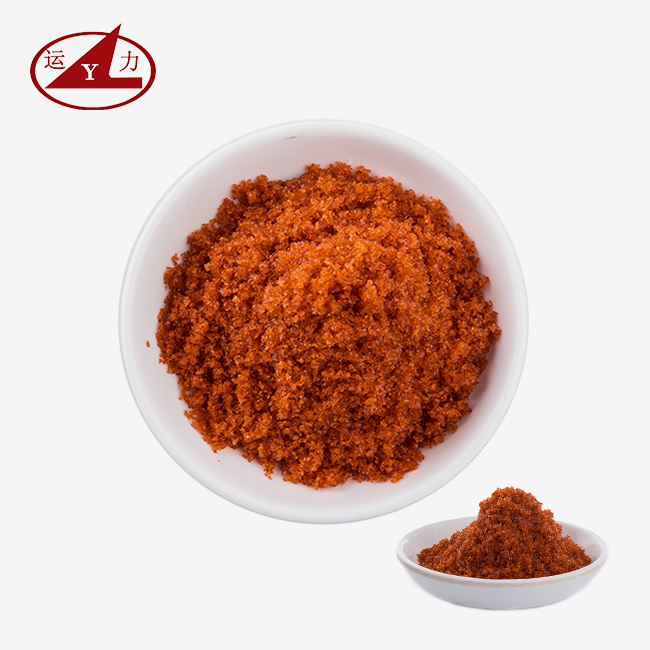
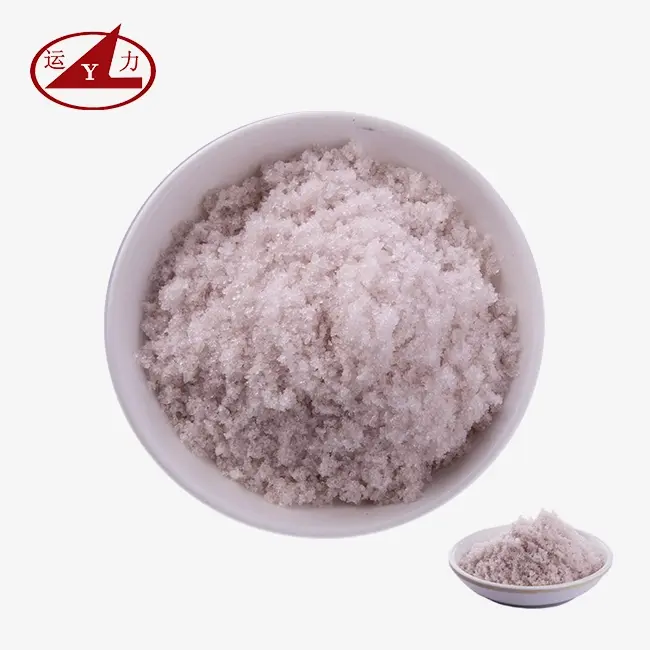
Ferric Nitrate nonahydrate (Fe(NO₃)₃·9H2O) should be kept in dry, cool places below 25°C in containers that are tightly sealed and away from chemicals that break down organic matter. This UN 1466 purple crystalline oxidizer is very explosive and has a freezing point of only 47.2°C, so it is very important to keep an eye on the area. Store in well-ventilated areas away from things that don't go with the product. Use drums wrapped with plastic to keep water out and protect workers and the quality of the product while it's being stored.
Understanding Ferric Nitrate and Its Storage Challenges
Ferric Nitrate nonahydrate is a man-made material that can be used in lots of different areas, like making catalysts, electroplating, and dying clothes. The density of this material is 1.68 and it is made up of violet hexagonal crystals. There are 404.01 grams of it in a molecular form, and its formula is Fe(NO₃)₃·9H2O. The nature of the substance determines how long it needs to be kept. It is easily broken down in water, ethanol, and acetone. It is also a strong oxidizer that can make fires bigger when it comes in contact with things that are already on fire.
Chemical Properties That Impact Storage
If you touch this Class 5.1 material, it will quickly rust and become very dangerous. It breaks down when heated above 125°C, giving off nitrogen oxides and leaving behind iron oxide residues. It doesn't work well with organic chemicals, which can lead to explosions or fires. This is why there needs to be a lot of room between things in stores. Because it has an acidic pH (1.5–2.5 in a 10% solution), it can irritate the skin, so you should always wear the right safety gear when you touch it.
Moisture Sensitivity and Deliquescence Concerns
The fact that chemicals tend to take water from the air and dissolve in it is probably the hardest thing about keeping them. The word for this is deliquescence. If the humidity is more than 50%, this process speeds up and the solid crystals turn into liquids that are sticky and hard to control. This part of the product makes it less useful and harder to dispense. This is a big problem in places that are hot or don't have ways to control the temperature.
Regulatory Compliance Requirements
It is always important for businesses to follow safety rules. Sites that store Ferric Nitrate must follow OSHA's danger communication standards, which say that Safety Data Sheets and proper danger signs must be easy to find and understand. DOT rules say that the combination is dangerous, so it has to be packed, marked, and recorded in a certain way when it is shipped. Getting rid of things the wrong way can damage land and water with nitrogen and heavy metal ions, so there are rules about how to do it right.
Best Practices for Storing Ferric Nitrate
Systematic keeping methods protect both the people who work with the goods and the quality of those goods. Damage or pollution costs that come up because of it are also cut down.
Environmental Control Parameters
When you store things well, the most important thing is to keep the temperature in check. The temperature in the building should be kept between 15°C and 25°C so that nothing freezes too fast and the breakdown process takes longer. Things should be stored in climate-controlled areas or with dehumidifiers to keep the relative humidity below 40%. Systems that move air at least 10 times an hour help spread out any nitrogen oxide vapors that are released by mistake and keep it from getting too wet. Putting in temperature and humidity monitors with alarms lets you act quickly when things change in the environment that could hurt the goods.
Container Specifications and Sealing Methods
How long things last depends on what kind of material is used to make the storage cases. High-density plastic drums with layers that block moisture keep air out very well. More than grade 316 stainless steel doesn't rust like carbon steel does. Carbon steel rusts when it comes into contact with acidic substances. There should be a way to close each jar so air doesn't get in. Lids that lock on with a button or caps that screw onto the lid and have covers works well. Systems with two walls keep things safer because they catch leaks before they get to the floor.
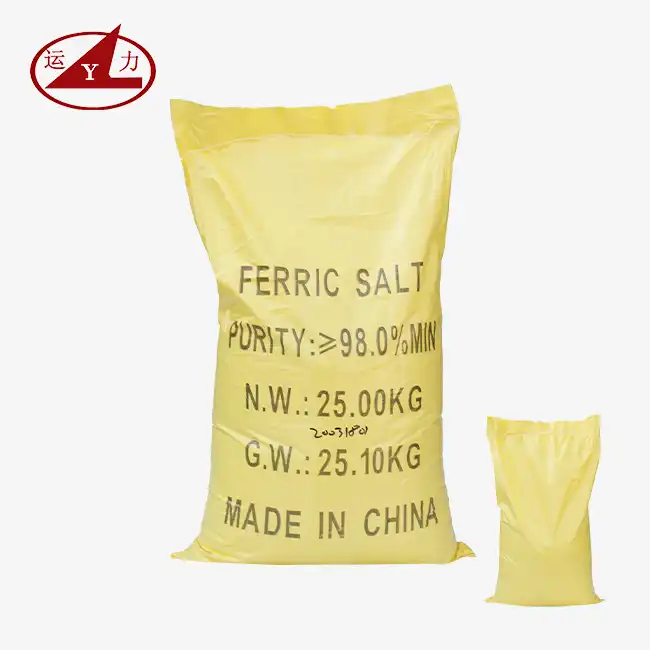
Yunli Chemical usually ships large amounts of goods in 25 kg PE bags sealed with aluminum foil, 500 kg fiber drums, or ISO tanks. For each client, we also make the package unique by adding anti-caking agents to the solid material. These make it less sensitive to moisture over long periods of keeping.
Labeling and Documentation Protocols
When labels are clear, people don't get the wrong care. What the drug is called, its CAS number (7782-61-8), its UN classification, any danger marks, and how to get help in an emergency must all be written on the label. From the factory to the customer, things can be tracked using batch numbers and the times they were made. In every storage area, keep Safety Data Sheets that tell you how to do things like first aid, put out fires, and clean up after a spill. There should be a Certificate of Analysis paper in every box that says the purity levels (usually >98% for industrial grades) and impurity profiles are right for the job.
Segregation and Warehouse Placement Strategies
Cross-contamination and reaction risks are kept to a minimum by planning how the building is set up. Place places to store Ferric Nitrate away from organic solvents, flammable liquids, explosives, and reducing agents like sodium sulfite or iron compounds. Leave at least 6 meters between you and the things that don't mix. Set up places to store oxidizers that won't catch fire, and use bunded floors or extra container boxes to keep spills under control. The information should only be seen by people who have been trained to do so. Sign-in processes should be used to keep track of who has access and when.
Comparing Ferric Nitrate Storage with Related Chemicals
It is helpful for buying teams to know how to store iron-based chemicals in different ways so they can get the materials they need while also taking into account what their present storage space can handle.
Ferric Chloride Versus Ferric Nitrate
Ferric chloride (FeCl₃·6H2O) can melt things like water does, but it also adds chloride ions that damage stainless steel by making pits in it. Containers used to store ferric chloride usually need special coatings or rare metal, which drives up the cost of infrastructure. There is a smaller chance that ferric chloride will start a fire if it is kept near things that can catch fire than there is with nitrate. Most of the time, the choice between these chemicals is based on how chloride pollution impacts processes further down the line. For instance, the Ferric Nitrate form is usually chosen when making semiconductors and high-purity catalysts so that the harmful effects of chemical poisoning are avoided.
Ferric Sulfate Storage Considerations
Ferric sulfate is more stable than Ferric Nitrate at high temperatures; it only breaks down above 480°C, whereas the nitrate does so at 125°C. This trait makes it less likely that the body will break down when kept in places without temperature control during the summer. But ferric sulfate is harder to mix with water, which makes it harder to make solutions that need uniform liquid steps. Like Ferric Nitrate, the sulfate form makes acidic solutions (pH 2-3) that need to be stored in ways that don't cause rust.
Impact of Purity on Storage Requirements
For grades that are more pure, environmental controls need to be tighter. Ferric Nitrate that is used in electronics (>99.5% pure with less than 10ppm metallic impurities) needs to be kept in a neutral atmosphere and packed in a way that keeps moving particles out. Technical types that are 98% pure can handle regular container conditions as long as they are protected from moisture in some way. The price difference between purity levels should be compared to how much it would cost to build new bunkers. If you choose ultra-pure materials, the result may stay fixed for longer, so you may not need to buy expensive temperature control systems.
Procurement Considerations for Safe Ferric Nitrate Storage
Strategic decisions made at the buying level across supply lines affect how well long-term storage works and how efficiently it runs.
Selecting Reputable Suppliers
It's not enough to just compare prices when picking a seller. It's also important that the quality is stable and that the information is correct. For manufacturers who have been in business for a while and have ISO 9001 approval, each batch is checked for quality in a certain way. When a product has ISO 14001 environmental approval, it means that trash is handled properly during production. This makes it less likely that the finished product will be contaminated. If you ask for audit rights before signing a long-term contract, you can see how things are made and how quality is managed.
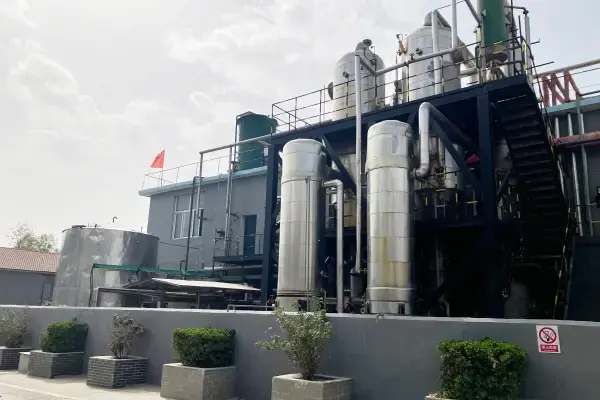
Yunli Chemical is a Shanxi Provincial Enterprise Technology Center and has been in business since 2005. It is licensed for ISO 9001, ISO 14001, and OHSAS. We can make more than 1 billion RMB a year, and we use high-tech analyzers like ICP-MS and atomic absorption spectrometers to look for impurities as little as 10 parts per million (ppm). We can give both standard industrial grades and ultra-pure (up to 99.9%) versions that are custom made for each purpose thanks to this technical infrastructure.
Bulk Purchasing and Logistics Planning
When you buy in bulk, the price per unit goes down, but you need to make sure you have enough storage room to keep the goods in good shape during the filling cycle. You can figure out how much room is available in the building by figuring out how much will be used and how long it can be stored without going bad. Set up ways to rotate your things so that you run out of older ones before getting new ones. This will keep the quality from getting worse as it ages as much as possible. Plan your arrival times around the weather. If there aren't climate-controlled places to unload packages during times of high heat, don't accept packages during those times.
Balancing Cost and Safety Investments
It saves money in the long run to buy the right storage systems up front because they cut down on waste and make the workplace safer. Most temperature control gear pays for itself in 18 to 24 months by cutting down on the trash that is made when things break down. With secondary control systems, repair costs are kept low when spills happen by accident. Training programs for dealing with people reduce accidents at work and the claims for workers' compensation that go along with them. When you compare bids from sellers, don't just look at how much the goods cost; also think about these useful points.
Case Studies and Practical Examples of Ferric Nitrate Storage
The real-life examples show both common mistakes to avoid and good ways to get better storage results in different types of environments.
Electronics Manufacturer Resolves Deliquescence Issues
A Californian company that makes circuit boards had a lot of issues with their goods melting in the summer, even though they kept them in stores the right way. The air temperature hit 32°C and the relative humidity reached 65% during heat waves, according to a study. So, a storage room with climate control was built to keep the temperature at 20°C and the humidity at 35%. Also, aluminum foil-laminated packing was used instead of paper-lined drums. These changes stopped the loss of goods, which saved $45,000 a year on the cost of new materials and made production more stable.
Chemical Distributor Enhances Segregation Protocols
A Texas wholesaler was given an OSHA ticket because Ferric Nitrate was found stored next to acetone barrels, which could have started a fire. The building plan was changed, and oxygen zones were put in place 8 meters away from the liquids that are on fire. The storage places that didn't work with each other were marked with colored lines on the floor and marked with high signs. The team learned more about how to use methods for classifying danger. There was less danger because of these changes, and people made sure to follow the rules. They also lowered insurance rates by 15%.
Textile Dye House Optimizes Inventory Management
They had trouble with Ferric Nitrate that wouldn't dissolve at a cloth plant in North Carolina. This made dying take longer. Root cause analysis showed that inventory was slowing down; some drums were kept for 18 months past their expected expiration date. The issue was solved by rotating products first-in, first-out and talking to their source about making more small packages. It was easier to work with the new material because it had special anti-caking additives added to it. This cut preparation time by 30% and got rid of batch rejects.
Conclusion
For Ferric Nitrate storage to work, environmental controls, container specs, segregation methods, and supplier agreements all need to be carefully thought through. Things stop decomposing and deliquescence when they are kept cool and dry (below 25°C) and the humidity low (under 40%). The product stays intact when it is packed properly in cases that don't soak up water. If you store this Class 5.1 oxidizer away from things that don't respond with it, the chances of a fire or blast are lower. Choosing approved providers with tried-and-true quality systems will ensure consistent levels of cleanliness and all the paperwork needed to meet legal requirements. This book has storage tips that keep workers safe and keep the quality of the goods safe. They lower the cost of running the business by reducing trash and making the process more effective.
FAQ
What is the typical shelf life of ferric nitrate under optimal storage conditions?
Industrial-grade Ferric Nitrate can be stored safely for 12 to 24 months if it is kept in cases that can't leak, at temperatures between 15 and 25°C, and with a humidity level below 40%. Materials made for electronics that come in better boxes may last up to 36 months. The food goes bad faster when it comes into touch with wet air after the package is opened, so it's best to eat it within 3 to 6 months. You should always look at old materials and do some easy quality checks before you use them.
Can ferric nitrate be stored near other chemicals in warehouse facilities?
Things that don't work together need to be kept far away from each other. Always stay away from organic solvents, powerful liquids, materials that are on fire, reducing agents, and alkaline substances. Leave at least 6 meters of room between you and these groups. Even though other oxidizing salts and artificial acids can be kept next to each other, it is still best to keep them in different containers so that they don't mix if there is a spill.
What emergency response measures should be implemented for ferric nitrate spills?
People need to be taken out of the damaged area and given more trouble to get back in. Put on the right PPE, like safety glasses, gloves that can handle acid, and a mask if the air flow isn't good enough. To catch drips, use neutral absorbents like sand or vermiculite. You should never use biological absorbents because they could catch fire. A weak sodium carbonate solution should be used to carefully clean up small spills. The area should then be washed with water. Put leftovers in covered containers so they can be thrown away in a way that follows the rules for the environment in your area. Don't put trash or other things down drains or rivers.
Partner with a Trusted Ferric Nitrate Manufacturer for Optimal Storage Solutions
Yunli Chemical helps businesses that need a stable source of Ferric Nitrate in every way, even giving them tips on how to store it best. Because we've been making things for 20 years, we can offer ultra-high purity Fe(NO₃)₃·9H2O (98–99.9%) with specific impurity profiles, anti-caking formulations, and a variety of packing options, such as ISO tanks and drums that keep moisture out. You can try the process out before you decide to buy a lot because we give away free samples of up to 500 grams. From the time they are brought until they are used, our expert team helps you come up with safe ways to store your goods. You can talk to our experts about your wants by emailing wangjuan202301@outlook.com. Whether you need a lot of materials to make catalysts or specific types to make electronics, we can help you get them directly from the factory with full COA paperwork and make sure you're following all the rules.

References
1. National Fire Protection Association. "NFPA 430: Code for the Storage of Liquid and Solid Oxidizers." 2019 Edition.
2. Occupational Safety and Health Administration. "Hazard Communication Standard: Safety Data Sheets." OSHA Fact Sheet, U.S. Department of Labor, 2021.
3. American Chemical Society. "Safe Storage of Chemical Substances in Laboratories." Chemical Safety Guidelines, Division of Chemical Health and Safety, 2020.
4. International Air Transport Association. "Dangerous Goods Regulations: Class 5.1 Oxidizing Substances." 64th Edition, 2023.
5. European Chemicals Agency. "Guidance on Safe Storage of Chemical Products: Segregation and Compatibility." REACH Implementation Guidelines, 2022.
6. Kirk-Othmer Encyclopedia of Chemical Technology. "Iron Compounds: Ferric Nitrate Properties and Industrial Applications." 5th Edition, John Wiley & Sons, 2018.