


What color does barium nitrate and cobalt nitrate create?
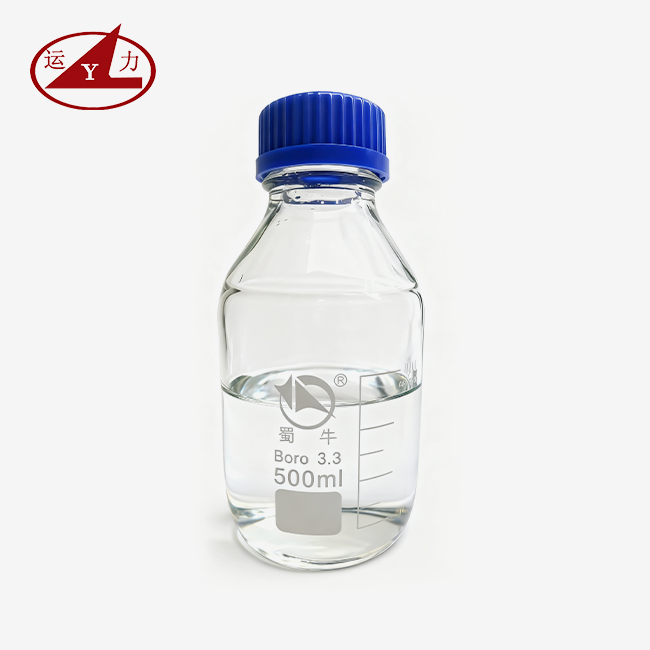
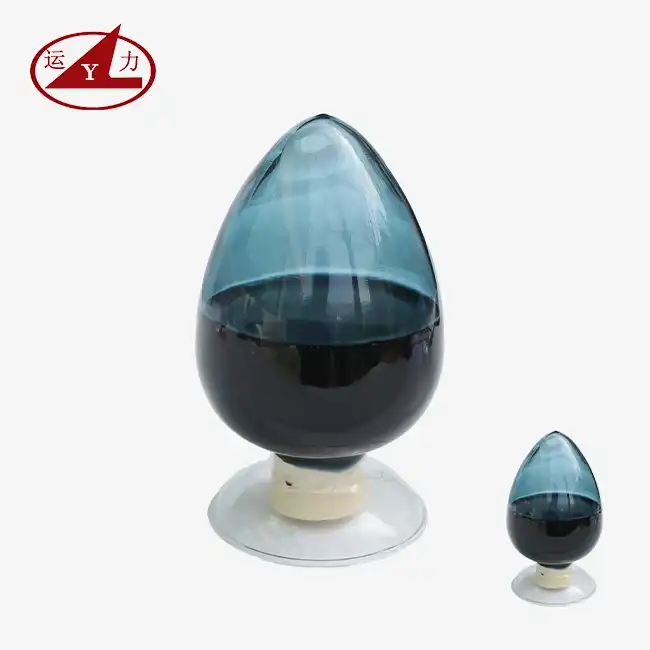
There isn't a single color that forms when Barium Nitrate and Cobalt Nitrate are mixed (an easy chemistry process). Instead, the background makes a big difference in how it looks. In flame tests, Cobalt Nitrate hexahydrate (CAS# 10026-22-9) produces a bright red or pink flame, whereas Barium Nitrate produces an apple-green flame. If both are present at the same time in pyrotechnic mixes, the flame color can change to a yellowish-green color or a green color with reddish undertones, depending on the mix and how it burns. While Barium Nitrate is clear, Cobalt Nitrate is a reddish-brown liquid that dissolves in water. If you mix them together, you get a watered-down reddish-brown liquid that doesn't change color much unless certain things happen.
Understanding Barium Nitrate and Cobalt Nitrate: Chemical and Physical Properties
Chemical Composition and Industrial Relevance
Barium Nitrate is a salt that is not made of live things. Its chemical name is Ba(NO₃)₂. There are 261.34 g/mol of it, and it looks like white crystals. It blows things up quickly and is used in fireworks, green warning flares, and some types of explosives. It doesn't change much at high temperatures and can be easily mixed with water (about 9 grams per 100 milliliters at 20°C). This makes it a good choice for uses that need to burn slowly.
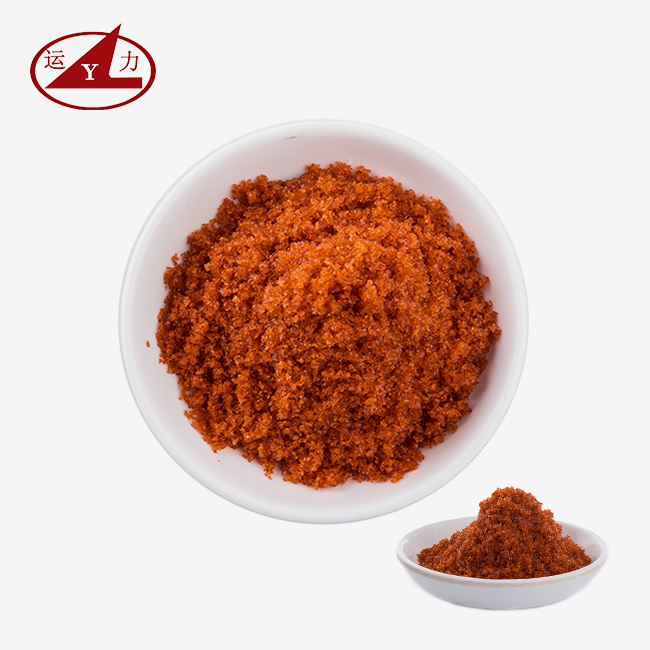
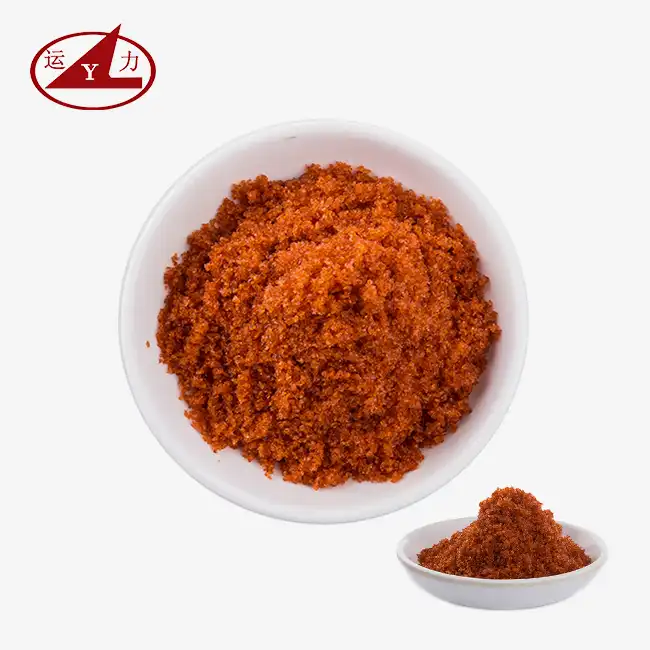
Cobalt Nitrate hexahydrate (Co(NO₃)₂·6H₂O) crystals are shiny and dark brown. They have a molecular weight of 291.03 g/mol. It is very easy to dissolve in water, ethanol, and acetone because it has a density of 1.88 g/cm³ and a freezing point of 55–56°C. Because it oxidizes, it strongly reacts with living things. If you take it in, eat it, or touch your skin with it, it can be bad for your health.
Both chemicals are very important in many areas, from medicine and electronics to pottery and catalysis. Their different ways of burning change more than just the color of flames. They also change how metal surfaces are treated, how dyes are made, and how analytical chemistry is carried out.
Key Physical Properties Affecting Color
It depends a lot on the type and state of these nitrates how well they work visually. The crystal structure of Barium Nitrate makes it easy for it to burn and break down, releasing barium ions that give off green light. How Cobalt Nitrate responds to heat depends on what form it is in. When temperatures are low, the hexahydrate form breaks down, releasing nitrogen fumes and water vapor that change how flames behave.
Some elements that can change the color that was meant to be made are iron, copper, or chloride ions. This is especially true for uses that need to be very pure, like pottery glazes or unique fireworks. The Certificate of Analysis (COA) must be checked by professionals who are buying the goods to make sure that the amounts of residue stay within accepted limits. Because of this, less than 30 parts per million (ppm) of iron should be present in electronic-grade Cobalt Nitrate fluids.
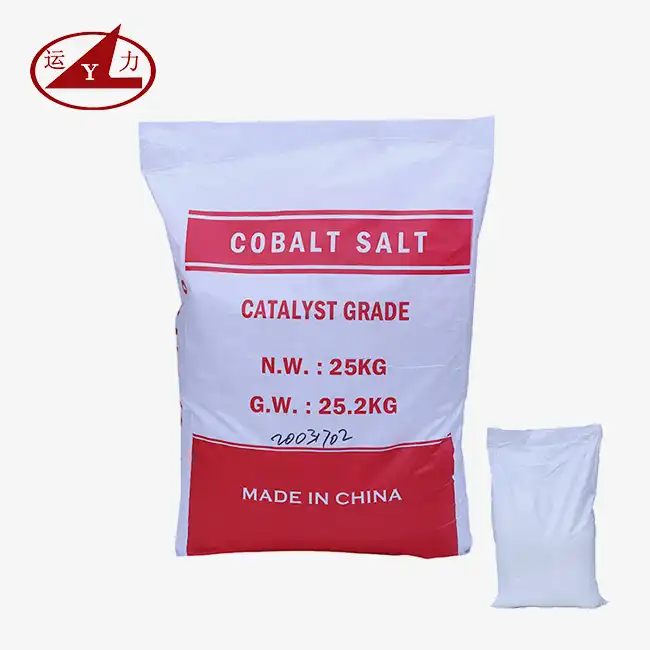
What Color Does Barium Nitrate and Cobalt Nitrate Create? The Science Behind the Reaction
Flame Test Colors and Ion Excitation
When flame tests are done, metal ions take in heat energy, which raises the energy level of electrons. They send out photons with certain bands when they return to their ground states. The green light that barium ions give off is around 524 nm, and the red to pink light that cobalt ions give off is between 600 and 650 nm. This depends on how oxidized they are and what is around their ligand.
The main color that comes out when you heat both nitrates together depends on how concentrated they are and how hot they are. Most of the time, cobalt's red emissions are hidden by barium's green ones, which are stronger unless Cobalt Nitrate is present in very large amounts. It's very important for pyrotechnic recipes to have precise color control for things like rockets and warning lights.
Solution Colors and Practical Observations
Because it contains hydrated cobalt(II) ions that produce pink [Co(H₂O)₆]²⁺ complexes, Cobalt Nitrate hexahydrate gives water solutions of Barium Nitrate a reddish-brown tint. When you mix these liquids with a pH of 8, the color is muted and reddish-brown, and there are no clear signs of precipitation.
However, white barium sulfate or carbonate precipitates may form if sulfate or carbonate particles mix with barium ions. This will change how clear the solution is. Similarly, changes in pH can make cobalt ions dissolve, which can turn the color blue or green as hydroxide or mixed-ligand complexes form. It is important to know these things when making dyes and catalysts, which need to carefully control the amount of ions and pH.
Comparing Cobalt Nitrate Grades and Forms for Optimal Usage
Anhydrous vs. Hexahydrate Forms
It is cheap to buy both the dry and hexahydrate forms of Cobalt Nitrate. Most of the time, the hexahydrate (Co(NO₃)₂·6H₂O) is used because it stays stable at room temperature. For the dry form, on the other hand, it needs strict control over water to keep it from getting wet. It is less likely to freeze at 55°C, which can be helpful for processes that need to breakdown or break down quickly.
Anhydrous Cobalt Nitrate is used when the temperature is high and water could stop the catalytic action or cause harmful breakdown. Both types can oxidize, so they need to be handled safely. For example, they should be kept away from things that are on fire and stored in a room with a controlled temperature.
Industrial-Grade vs. Laboratory-Grade
A lab-made Cobalt Nitrate typically has minor metal flaws of less than 0.001% and is more than 98% pure, which is required for an ACS reagent. This grade can be used in study, analytical chemistry, and the making of drugs, all of which could be harmed by pollution.
Industrial-grade materials might be able to handle a little more imperfection while still being more than 98% pure. They can be used to make a lot of catalysts, clay colors, and metal treatments at a low cost because of this. Alfa Aesar, Sigma Aldrich, and BASF are some of the companies that make different kinds that are made to fit the wants of different uses.
Cobalt Nitrate hexahydrate costs between $8 and $15 per kilogram for industrial-grade and $25 to $50 per kilogram for high-purity laboratory-grade in 2026. The price changes based on how much is ordered and how easy it is to ship the goods in that area. You can save a lot of money if you buy in bulk and make long-term deals with companies you know and trust.

Safe Handling, Storage, and Transportation of Barium Nitrate and Cobalt Nitrate
Toxicity and Health Hazards
If you eat or drink Barium Nitrate, it can hurt your gut, make your muscles shake, and make your heart beat wrong. Cobalt Nitrate hexahydrate can be dangerous to take in because it can hurt the lungs and increase the likelihood that someone will get allergies. According to the MSDS, you must wear gloves, safety glasses, and respirators, among other pieces of personal protective equipment (PPE), when dealing with both chemicals.
When oxidizing substances come into contact with biological materials, reducing substances, or substances that can catch fire, they can start fires or blasts. The places where things are stored must have good air flow, be dry, and not have any chemicals that don't mix.
Storage and Transportation Best Practices
It takes water from the air and may melt in high humidity, so Cobalt Nitrate hexahydrate is deliquescent and hygroscopic. Storage cases should be secure, made of HDPE or 316L stainless steel, and kept below 25°C so that things don't break down too fast.
Barium Nitrate should be kept in a cool, dry place away from sulfur compounds, acids, and reducing agents. Cobalt Nitrate is a nitrate according to UN 1477, while Barium Nitrate is an oxidizer according to UN 1446 (Oxidizer, Class 5.1).
Having the right paperwork, like MSDS, COA, and shipping statements, is important for making sure that regulations are followed during big exports. To keep the things clean during harsh weather, they may need to be transported in a way that keeps them warm or cool.
Procurement Tips: Buying Barium Nitrate and Cobalt Nitrate for Industrial Use
You should look at a provider's manufacturing skills, quality control systems, and ability to change to changing operations in order to find one you can trust. Having ISO 9001, ISO 14001, and OHSAS standards and being in business for a while shows that a company cares about quality, the environment, and worker safety.
Making things traceable is very important. Assay data, residue profiles, and proof that the product meets all standards should be on COA papers that are unique to each batch and given by suppliers. With advanced labs that have ICP-MS, ICP-OES, and atomic absorption spectrometry, quality control can be done very precisely. This makes it less likely that contamination will stop production.
Before making big purchases, procurement managers should ask for free samples of up to 500 grams of a product to try out and see how well it works. Different packing options, like 25 kg drums, 1-ton super sacks, or special watery solutions, can be used to meet different business needs.
You can get stable prices and first choice of sources when the market changes if you make long-term deals with well-known providers. When you buy from the plant directly, you skip the middleman. This saves you money and time. It is easier to do business across borders when suppliers have self-operated export licenses. This makes sure that things are supplied on time and in line with the rules of international trade.
Conclusion
It's hard to figure out how Barium Nitrate and Cobalt Nitrate work with color because their chemical reactions are different in different places. The red and green fumes are not at all the same in flame studies. When used together, though, the colors are mixed in ways that depend on the clarity, temperature, and ratio. Barium Nitrate is white unless it makes crystals, but Cobalt Nitrate is mostly a reddish-brown color when it is solved. The sourcing team can be sure that the materials will always work well in catalysis, pigments, fireworks, and analytical tasks by only buying approved, high-purity materials from trustworthy sources. Chemicals are kept safe, risks are kept to a minimum, and supply chains in many industries work well thanks to strict safety rules and the right way to store chemicals.
FAQ
What individual flame colors do barium nitrate and cobalt nitrate produce?
If you let go of barium ions, Barium Nitrate gives off a bright apple-green light at about 524 nm. Depending on how it burns and its oxidation state, Cobalt Nitrate hexahydrate can produce a red or pink light. Its emission peaks are between 600 and 650 nm.
Does the color of Cobalt Nitrate change depending on how much water is present?
Yes, the presence of six water molecules in Cobalt Nitrate hexahydrate drops its freezing point and alters the way it decomposes. The color and length of an explosive spark could change depending on the temperature because anhydrous Cobalt Nitrate reacts more strongly.
What safety protocols should be followed when handling these chemicals?
These two toxins can both kill you and make things burn. Put on the right PPE, such as masks, respirators, and gloves. Keep away from biological materials, things that can catch fire, and reducing agents, and store in cases that can't be opened. Make sure the areas where the material is stored have good air flow, and read the MSDS to find out what to do in an emergency and how to get rid of the material.
Partner with Yunli Chemical for Premium Cobalt Nitrate Hexahydrate Supply
Cobalt Nitrate has been made by Yunli Chemical for more than 20 years. They offer ultra-high quality Cobalt Nitrate hexahydrate (CAS# 10026-22-9), which is made to be used in tough situations in electronics, ceramics, drugs, catalysis, and other areas. There is no sulfur in our goods and the iron content is less than 30 parts per million. This is made possible by our advanced ICP-MS quality control and ISO 9001, ISO 14001, and OHSAS standards. We offer one-of-a-kind grainy, crystalline, or liquid solutions with a minimum order quantity that can be changed. We also offer free samples and prices that come directly from the plant, so there are no middlemen. To help you reach your sustainable goals and follow strict environmental rules, we recycle wastewater in a closed loop and treat NOx. You can email us at wangjuan202301@outlook.com for large prices and scientific advice to see our full list of more than 60 nitrate alternatives.

References
1. Cotton, F. A., & Wilkinson, G. (1988). Advanced Inorganic Chemistry (5th ed.). Wiley-Interscience.
2. Patnaik, P. (2003). Handbook of Inorganic Chemicals. McGraw-Hill Professional.
3. Lide, D. R. (Ed.). (2004). CRC Handbook of Chemistry and Physics (85th ed.). CRC Press.
4. Greenwood, N. N., & Earnshaw, A. (1997). Chemistry of the Elements (2nd ed.). Butterworth-Heinemann.
5. Russell, M. S. (2009). The Chemistry of Fireworks (2nd ed.). Royal Society of Chemistry.
6. Budavari, S. (Ed.). (1996). The Merck Index: An Encyclopedia of Chemicals, Drugs, and Biologicals (12th ed.). Merck & Co., Inc.