


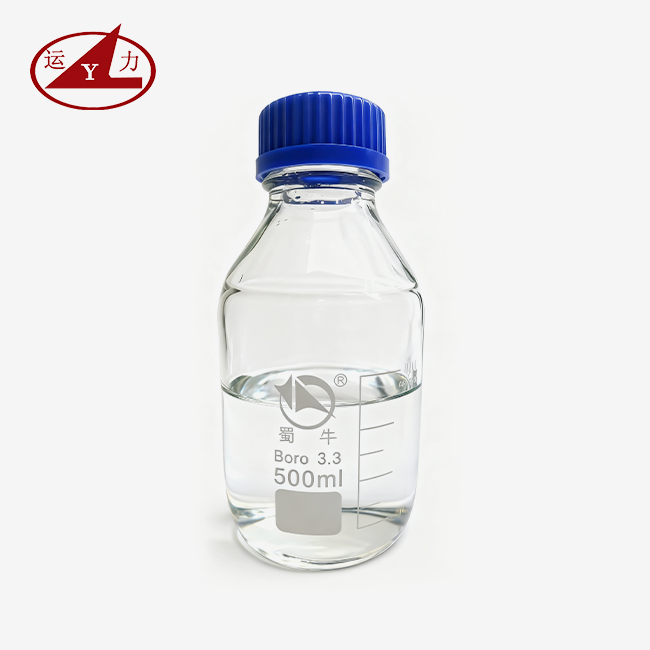
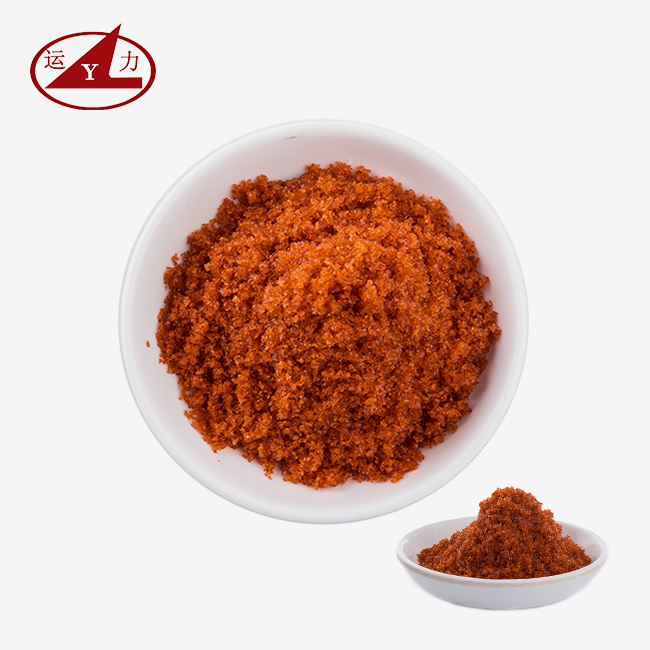
What color is ferric nitrate solution?
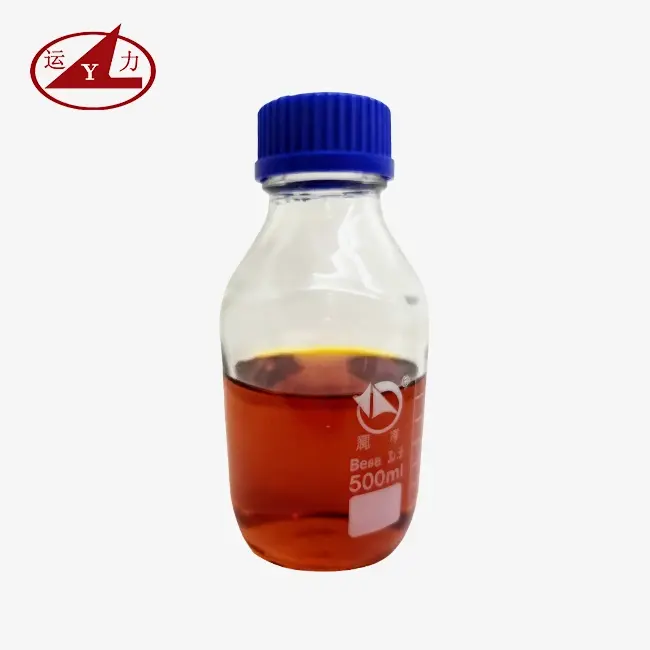
Depending on its concentration and clarity, Ferric Nitrate Solution can be anywhere from pale yellow to deep dark brown. When freshly made, diluted solutions have a light amber color and are almost clear. Industrial versions with higher concentrations, on the other hand, have darker brown tones. The color is caused by the iron(III) ion interacting with light. This helps techs and purchasing managers quickly figure out how concentrated and stable the solution might be. To make sure the chemical purity needed for precise industrial uses, it's important to understand these color differences.
Understanding Ferric Nitrate Solution: Color, Properties, and Chemical Characteristics
It's more than just observing that you need to know this solution's exact color profile because it shows the chemical that controls performance. The molecular structure is written as Fe(NO3)3·9H2O (CAS# 7782-61-8), and it is made up of iron(III) ions that are paired with nitrate groups and water molecules. The nonahydrate form is made up of purple crystals that have a specific density of 1.68 g/cm³ and a freezing point of 47.2°C. However, it easily turns into a liquid when it comes in contact with water.
Molecular Insights and pH Dynamics
When the solution is mixed with water, it usually stays in the pH range of 3.0 to 3.5, which is the best range to keep the chemical stable and stop breakdown. This acidity comes from leftover nitric acid, which does two things: keeps the ferric ions stable and keeps the liquid's ability to oxidize. As the iron content rises, from 6% by weight to over 10% by weight in industrial products, the reddish-brown color gets darker. Impurities like heavy metals or chloride ions can change this color, which is a clear sign that the quality has been weakened that even experienced engineers can spot right away.
Solubility and Chemical Reactivity
The chemical is easy to dissolve in water, ethanol, and acetone, which gives formulators a lot of options. Because it is a strong oxidizer, it reacts very quickly with biological materials. Just touching it can cause reactions that can burn or even explode. This oxidation potential can be dangerous if it is not used properly, but it can be very useful in controlled industrial settings. The solution's color stability is linked to the right way to store it: kept out of direct sunlight and in temperature-controlled rooms, the liquid keeps its look and effectiveness for a long time.
When buying teams know about these traits, they can find quality problems. Darkening or precipitation could mean that something is breaking down or being contaminated, while solutions that are particularly pale could mean that they have been diluted too much. Shipments should always come with technical paperwork like Material Safety Data Sheets (MSDS) and Certificates of Analysis (CoA). This gives accurate information on iron levels, free acid levels, and impurity patterns that affect color and performance.
Industrial Applications and Uses of Ferric Nitrate Solution
This water-based reagent's color range shows how well it works in different types of industrial situations. Different industries, from electronics to wastewater management, need different concentration ranges, which can be told apart by their visual tone.
Electronics and Surface Treatment
This solution is used by companies that make circuit boards to precisely etch silver and rare metal alloys. Ferric Nitrate Solution is better than ferric chloride because it doesn't leave behind chloride residues that lower conductivity. The best working concentration, which is usually between 40 and 50 percent, looks like a dark brown liquid. This shows that it has the strong oxidizing power to break down thin metal layers without damaging copper surfaces. When engineers change the etching rate, they keep an eye on color changes because they know that solutions that are too watered down make batches lighter and batches that are breaking down make batches darker because iron hydroxide forms.
Catalyst Synthesis and Chemical Manufacturing
This molecule is useful for pharmaceutical and petroleum companies because it can be used as a starting point for heterogeneous catalysts. The cleanliness of the fluid has a direct effect on how well the catalyst works, so controlling impurities is very important. High-grade formulations have an iron content below 30 ppm and a sodium content below 50 ppm. They usually have a clearer, more uniform reddish color than technical-grade formulas. These catalysts make it possible for hydrogenation processes and the formation of methanol. In copper-based systems, the risk of poisoning is kept to a minimum by distributing iron evenly.
Wastewater Remediation and Odor Control
This chemical is used by municipal and industry treatment plants to neutralize hydrogen sulfide leaks from septic systems. It quickly oxidizes sulfides into soluble sulfates, which stops rusting and the release of poisonous gases. Working solutions in this case may look lighter because they have been diluted, but they will still work because the nitrate doses are correct. Because nitrate gives oxygen to bacteria and ferric ions precipitate phosphorus, the two benefits work together to solve a number of compliance problems in a single treatment stream.
The link between color and concentration helps operators: darker solutions are better for heavy-duty tasks like metal conditioning and mordant production, while paler forms are fine for analytical labs that need to measure reaction. Another difference between Ferric Nitrate Solution and ferrous nitrate is that ferrous compounds tend to have greener tints, while ferric salts tend to have brownish-red tints. This helps techs avoid mistakes when they are handling inventory.
Comprehensive Comparison: Ferric Nitrate Solution vs Similar Compounds
Buying choices depend on being able to tell this chemical apart from iron salts that have similar structures. Ferric chloride is cheaper and is often used for coagulation, but it adds chloride ions to the water, which makes it saltier and damages stainless steel tools. A quick look at the solution gives you an early clue: ferric chloride solutions tend to be yellowish-brown, sometimes with a greenish tint, while Ferric Nitrate Solutions are reddish-brown.
Reactivity and Quality Indicators
Ferrous nitrate, which has iron(II) in it, has much lighter, greener colors and doesn't have the oxidizing power needed for catalyst production. Because Ferric Nitrate Solution has a better oxidation state, it can't be replaced in situations where strong metal dissolution or fast organic chemical breakdown is needed. Techniques for checking quality, like redox titration, check for iron content, and ion chromatography finds chloride pollution, which is very important for electronics-grade material because levels must be below 50 ppm.
Selecting Optimal Concentrations
Industrial buyers have to find a balance between handling safety and process needs and focus. Solutions with more than 45% risk freezing during transport in cold weather, which makes operations more difficult. On the other hand, formulas that are less than 30% iron may not have enough reaction kinetics for high-throughput processes. Suppliers with a lot of experience can make ratios that are perfect for your needs by adapting them to different temperatures and uses. Putting the solution in high-density polyethylene (HDPE) tanks or rubber-lined steel drums stops rusting from nitric acid that is still present, so the color and structure of the containers stay the same for months.
Even though eye inspection is still the first step in making sure the quality, more modern facilities use atomic absorption spectrometry and ICP-MS to measure even the smallest impurities. These analytical methods show that differences in color are linked to changes in makeup that can be measured. This supports the use of look as a diagnostic tool in the past. Buyers who want to build long-term relationships with suppliers look for suppliers whose strict production controls show in the color accuracy between batches.
Procurement Guide for Ferric Nitrate Solution: Buying Tips and Best Practices
Finding trustworthy sources for this product requires more than just comparing prices. Companies with ISO 9001 certification show that their processes are consistent, and companies with ISO 14001 certification show that they care about the environment. This is especially important since the solution is classified as both an oxidizer and a corrosive material by UN transport rules (UN 3264/1466).
Supplier Evaluation and Certification
Reliable partners keep their provincial or national technology center labels, which show that they have the R&D skills to make recipes fit your needs. Suppliers who have been in business for 20 years or more usually offer consistent batches, which lowers the risk of orders that aren't what's needed and throw off production plans. The proof should have tracked CoA data for heavy metal screening, free acid levels, and iron assay (±0.5% range). Facilities with high-tech quality control tools, like ICP-MS, which can find lead, arsenic, and zinc levels below 5 ppm, make sure that RoHS and REACH standards are met.
Packaging and Logistics
Bulk buyers have a variety of packaging choices for Ferric Nitrate Solution. 25 kg drums work well for smaller labs, while IBC totes and tanker trucks can handle tonnage-level Ferric Nitrate Solution purchases. Customized labels for Ferric Nitrate Solution meet regional regulatory requirements, and some suppliers adjust pH or concentration without requiring minimum order quantities. Free sample programs providing up to 500 grams of Ferric Nitrate Solution allow technical teams to test performance before committing to large contracts.
Shipping rules say that oxidizers and corrosives must be properly labeled, which means that they must be shipped by expert carriers who know how to handle dangerous materials. To keep things from crystallizing during the winter, the temperature has to be managed, which can mean heating objects or changing the concentration. HDPE or XLPE tanks must be used in storage sites because the acidic and oxidizing climate slowly eats away at stainless steel. Warehouses that are cool and dark keep goods fresh longer because they don't break down in light, which could change their color and effectiveness.
Cost-Efficiency and Long-Term Partnerships
Direct factory supply gets rid of markups by middlemen, giving customers who buy a lot of products reasonable prices. When suppliers don't have minimum order quantities (MOQs), it's easier for companies to do R&D projects and test runs. Recurring buyers are rewarded with payment terms that include refund structures. This aligns the supplier's goals with the success of the customer. Expert partners offer technical advice, helping engineers find the best dose rates and fix process problems. These are extra services that go beyond just doing business.
Buyers should ask about environmental compliance infrastructure. Wastewater and pollution treatment systems that are well-established stop companies from breaking the law and causing problems in the supply chain. Suppliers with their own export offices make international logistics easier by handling customs paperwork and making sure that chemicals are shipped in accordance with the rules of the target country.
Conclusion
Color is more than just a matter of taste; it also represents the chemical clarity, concentration accuracy, and integrity standards that are necessary for industrial-grade Ferric Nitrate Solutions. When it comes to sourcing choices, procurement workers who understand the connection between how something looks and how it works chemically have a big advantage. Reliable providers offer solutions that meet strict operating needs by using certified manufacturing, flexible formulas, and technical know-how. As environmental rules get stricter and cleanliness standards rise, businesses need to work with well-known manufacturers to make sure they follow the rules and keep up their performance.
FAQ
How does solution color indicate quality in ferric nitrate products?
A consistent reddish-brown color within the expected concentration ranges means that the mixture is correct and there is little contamination. A big darkening could mean that iron hydroxide is forming from hydrolysis, while a strange paleness could mean that the acid is too strong or the solution is too diluted. To make sure they're meeting the requirements, procurement teams should compare what they see with CoA statistics on iron content and impurity levels.
What safety protocols apply when handling this oxidizing liquid?
Put things away in HDPE tanks out of the way of biological matter and direct sunlight. The workers need acid-resistant gloves and eye protection because acid can irritate the skin. Emergency reaction plans must include ways to control spills using inert absorbents and staying away from materials that can catch fire. Transport follows UN danger class rules for oxidizers, which require packing and paperwork that are up to code.
Why choose ferric nitrate over ferric chloride for metal treatment?
Ferric Nitrate Solution stops rust and residue buildup caused by chloride, which is very important for electronics and high-purity uses. Even though it costs more, it keeps equipment from breaking down and products from getting contaminated, which cancels out any saves that were made in the beginning. Even though it costs more per unit, Ferric Nitrate Solution is necessary in places that work with rare metals or need halide-free conditions.
Partner with Yunli Chemical for Premium Ferric Nitrate Solution
Yunli Chemical has been making nitrate chemicals for 20 years, and we've improved their chemistry by working in fields where accuracy is essential. With ISO 9001, ISO 14001, and OHSAS standards to show our dedication to quality and safety, our liquid Ferric Nitrate Solution gives your processes the clear, reddish-brown color and chemical stability they need. Technical teams can get formulas with impurity controls that meet the tightest standards, such as iron levels below 30 ppm, sodium levels below 50 ppm, and heavy metals levels below 5 ppm.
Our provincial technology center creates solutions that meet your exact needs, whether you're making catalysts, printing circuit boards, or dealing with garbage. We get rid of supply chain uncertainty by offering factory-direct prices, no minimum orders, and free samples of up to 500 grams. This lets your engineers test the performance before going full-scale. Get in touch with us at wangjuan202301@outlook.com to get in touch with a reliable Ferric Nitrate Solution maker that wants to help your business by providing you with strong chemicals and quick technical support.

References
1. Cotton, F. A., & Wilkinson, G. (1988). Advanced Inorganic Chemistry (5th ed.). John Wiley & Sons, New York.
2. Greenwood, N. N., & Earnshaw, A. (1997). Chemistry of the Elements (2nd ed.). Butterworth-Heinemann, Oxford.
3. Kirk, R. E., & Othmer, D. F. (Eds.). (2007). Encyclopedia of Chemical Technology (Vol. 14). John Wiley & Sons, Hoboken.
4. Mellor, J. W. (1935). A Comprehensive Treatise on Inorganic and Theoretical Chemistry (Vol. 14). Longmans, Green and Co., London.
5. Perrin, D. D., & Dempsey, B. (1974). Buffers for pH and Metal Ion Control. Chapman and Hall, London.
6. Seidell, A., & Linke, W. F. (1965). Solubilities of Inorganic and Organic Compounds (Vol. 2). American Chemical Society, Washington DC.