


Top Calcium Nitrite Manufacturers for Global Markets - yunli chemical
When infrastructure projects demand extended service life and enhanced corrosion resistance, procurement managers across construction and chemical industries turn to calcium nitrite as a reliable solution. This anodic corrosion inhibitor has become indispensable in protecting reinforced concrete structures from chloride-induced deterioration. Global markets increasingly recognize calcium nitrite as essential for bridges, marine facilities, parking structures, and tunnels where steel reinforcement faces aggressive environmental exposure. Identifying manufacturers that combine product excellence with dependable supply chains becomes critical for project success, especially when engineering specifications and delivery timelines cannot be compromised.
Understanding Calcium Nitrite and Its Role in Industry
Calcium Nitrite, which is written chemically as Ca(NO₂)₂, works very differently from barrier or surface coatings. At the point where steel and concrete meet, this compound takes part in electrochemical reactions that form a protective ferric oxide passive layer on the reinforcement bars. The mechanism stops what builders often call "concrete cancer"—the damage that happens over time when chloride ions from de-icing salts, seawater exposure, or salty soils get into concrete and start steel corrosion.
Chemical Composition and Properties
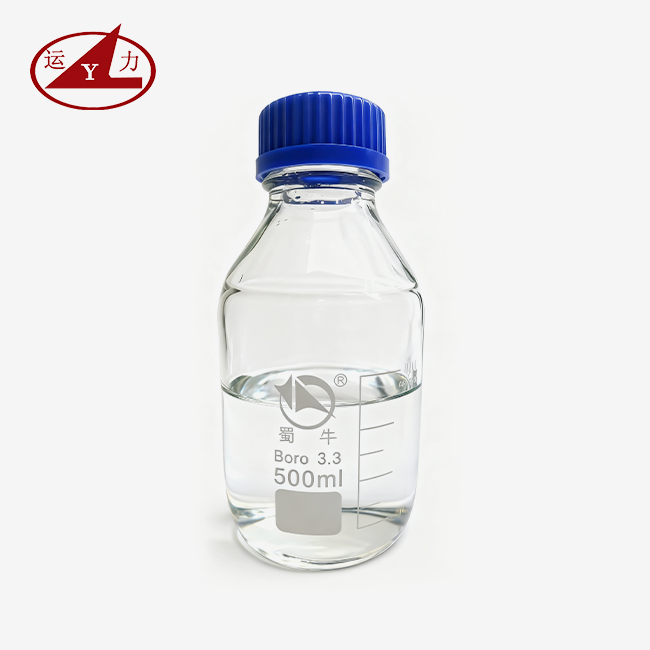
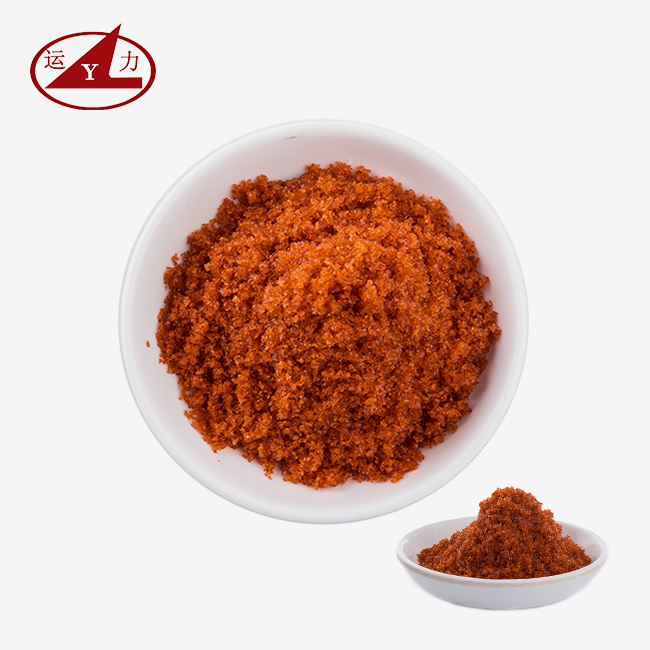
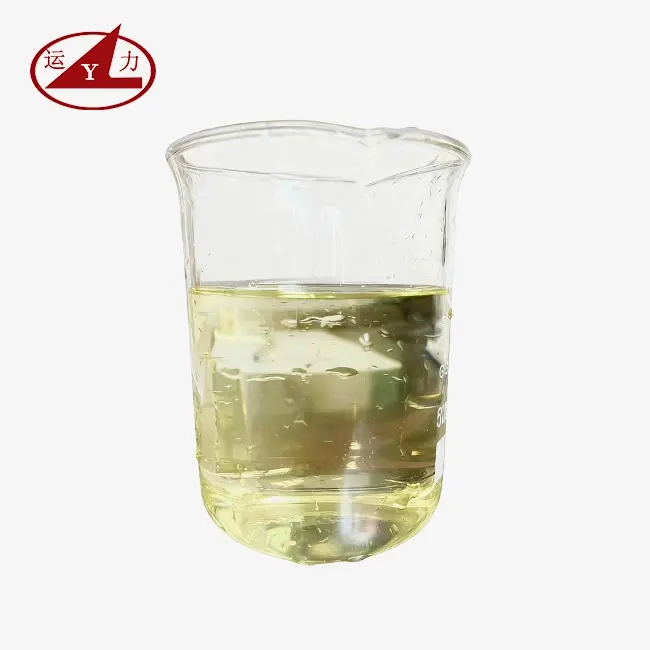
The substance comes in both powder and solution forms. For ready-mix concrete uses, the 30% aqueous solution is the most common. Powder formulations are easier to ship internationally because they don't freeze during winter travel, which saves money on freight costs through more focused delivery. The quantity of nitrite ions affects how well something works, so it is important to check the purity when buying it.
Primary Industrial Applications
Marine and underwater building is the most difficult place to use an app. Structures such as seawalls, dock strips, and underwater piles go through constant wetting and drying processes that make chloride get into them faster. In cold places, corrosion inhibitors are very important for transportation infrastructure projects because they protect bridge decks and elevated roadways from damage caused by road salt. The additive is used by precast concrete makers in high-value structural parts that need to last at least 50 years in order to meet guarantee standards.
Safety and Environmental Considerations
Given the chemical's classification, following the right handling procedures is very important. To keep things from going bad, they need to be stored in cool, dry places in packaging that keeps wetness out. Regulatory compliance varies by region. For example, in North America and Europe, chloride content limits are usually set below 0.1% so that the inhibitor's protective function is not lost. Environmental management systems in factories should show that they treat wastewater and control emissions in a responsible way.
Comparing Calcium Nitrite with Other Corrosion Inhibitors
Knowing the differences in performance helps buying teams make smart decisions about what specifications to use. There are different kinds of inhibitors on the market for concrete admixtures, and each one has its own properties that affect how well projects turn out and how much they cost.
Calcium Nitrite vs. Sodium Nitrite
Through similar electrochemical paths, both substances work as anodic inhibitors. Sodium nitrite is cheaper at first, but it adds sodium ions that can help the alkali-silica reaction happen in concrete with reactive aggregates. Calcium Nitrite gets rid of this compatibility issue and speeds up the setting process a little, which is helpful for cold-weather concreting. The calcium-based type is now required by most specifications where long-term chemical stability of the concrete is important.
Performance Against Calcium Nitrate
Nitrite and nitrate mixtures are sometimes mixed up, even though they have very different jobs to do. While Calcium Nitrite offers strong inhibition with modest acceleration as a side benefit, Calcium Nitrate is mainly used as a set accelerator with low corrosion protection. The nitrite substance is always used in projects that value longevity over early strength gain.
Organic Corrosion Inhibitors
Organic inhibitors that are amine-based or carboxylate-based are less toxic and easier to handle. How well they work depends a lot on how much you use and how evenly they are spread throughout the concrete material. Calcium Nitrite works better in a wider range of mix designs and weather conditions, so it is chosen for important infrastructure where failure would have serious effects and higher material costs are acceptable.
More and more, construction engineers choose Calcium Nitrite for projects that will be exposed to a lot of chloride because it raises the level of chloride needed to start corrosion instead of just slowing it down once it starts. In high-risk areas, this preventative device extends the service life of structures better than others.
Top Calcium Nitrite Manufacturers and Suppliers in the Global Market
For specialized construction chemicals to be shipped around the world, manufacturers must have a track record of consistent production, quality certifications, and the logistical skills to meet the needs of each project. There are well-known makers in a number of areas that serve foreign markets.
Global Manufacturing Landscape
Chinese companies make most of the products because they use the coal-chemical industry's foundations and already-built nitrate production infrastructure. North American and European makers tend to be smaller, specialized businesses that focus on making high-quality goods for their own markets. Japanese manufacturers have a strong reputation for consistently high quality goods that have been used during Asian infrastructure booms in the past. As building work grows in the area, more and more Middle Eastern markets are buying from Asian suppliers.
Critical Certifications and Standards
ISO 9001 certification shows that a company is committed to quality management, and ISO 14001 certification shows that a company is committed to environmental management. REACH compliance is important for markets in the European Union and requires a lot of paperwork to register chemicals. The OHSAS occupational health and safety standards show that the manufacturer is paying attention to how the working conditions affect the consistency of the product. Serious providers can be told apart from market traders by their testing capabilities that meet ASTM G109 standards for proving the effectiveness of corrosion inhibition.
Yunli Chemical's Manufacturing Excellence
Xiaoxian Yunli Chemical Co., Ltd. has a wide range of industrial skills that have been created over twenty years of making chemicals. The company was founded in 2005 in Shanxi Province and has fixed assets worth more than RMB 300 million and yearly sales of more than RMB 1 billion. Being named a Shanxi Provincial Enterprise Technology Center in 2019 shows that you have professional skills that go beyond simple output.
The company offers clear benefits that solve common buying issues. Their technology center at the local level has high-tech analysis tools like ICP-MS and atomic absorption spectrometers that let them check the purity of their products and make custom formulations. Along with construction-grade products, this lab's infrastructure allows for the production of 4N-grade high-purity materials that meet the standards of the pharmaceutical and electronics industries. Environmental compliance systems handle nitrate wastewater and emissions in a way that meets strict government standards. This stops the chance that environmental violations will cause supply interruptions. With factory-direct business models, there are no markups for middlemen, and customers can still get technical support. Production flexibility allows for orders of any size, and there are no minimum purchase requirements. Free sampling programs give you up to 500 grams to try out. Different types of applications can be met with different packaging and concentration choices. For example, powder can be shipped over long distances, and ready-mix processes can use water-based solutions.
Their wide range of products includes more than 20 standard formulations for five main chemical groups, as well as the ability to create unique formulae for specific uses. This range makes procurement easier by combining supply sources so that you don't have to manage multiple sellers for similar products.
Procurement Guide for Calcium Nitrite – What Buyers Need to Know?
Managing supply chain risks that could slow project finish is part of effective procurement. It combines the need for quality with the need to stay within budget. When choosing a supplier, you should carefully consider a number of factors.
Pricing and Purity Considerations
The prices on the market are based on the purity levels. For example, construction-grade goods usually have 95–98% active substance, while top grades have more than 99%. More purity means fewer impurity ions that could mess up the chemistry of concrete or hurt its long-term performance. Prices often include bulk savings for orders that are big enough for a project. This makes involving suppliers early on in the bidding process helpful. Transportation costs have a big effect on delivered prices, especially for water-based options where the extra weight of the water makes freight costs go up.
Order Quantities and Lead Times
Usually, building projects don't get materials all at once; instead, they get them in steps. This means that suppliers of Calcium Nitrite need to be able to plan deliveries to match when the concrete is put down. Different manufacturers have very different minimum order quantities. Some need full container loads, while others can handle partial orders. Trial supply agreements let you check the quality before committing to full project amounts. It usually takes two to four months to make a decision about a new supplier. This time includes reviewing the specifications, making sure the certification is valid, testing samples, and making trial batches.

Quality Verification Methods
Suppliers you can trust will give you Certificates of Analysis that show the test results for each batch of critical parameters. Redox titration confirms the nitrite test and checks the concentration of the active agent. Testing for chloride content makes sure that contamination stays below the limits set by the manufacturer. To make sure that powder products mix evenly in concrete mixers, the way the particles are spread out is important. Analysis of water-insoluble matter keeps spray-application systems from getting clogged up with debris. Astm G109 testing results showing that corrosion inhibition works give confidence in field performance.
Suppliers who offer expert support during the specification and application process are helpful to procurement pros. This includes dose suggestions based on expected chloride exposure levels, advice on compatibility for certain concrete mix designs, and help with fixing problems during building.
How Calcium Nitrite Enhances Concrete Longevity: Mechanism and Dosage
Understanding the science behind stopping rust helps project teams figure out the best way to use it to save money and protect structures.
Corrosion Inhibition Mechanism
In sound concrete, the high pH level causes the steel reinforcement to naturally form a passive oxide layer. Chloride ions break up this passivity, making localized anodic sites where the steel starts to dissolve. Calcium Nitrite stops corrosion at the anodic point by changing ferrous ions into ferric ions. This keeps the inactive film stable and needs higher chloride amounts to start the corrosion process. This mechanism is different from cathodic inhibitors, which slow down the oxygen reduction reaction, or mixed inhibitors, which try to do both.
Dosage Guidelines for Optimal Protection
The usual amount to use is between 2% and 4% by weight of the cementitious material. The exact amount depends on how much chloride is expected to be present. Most of the time, higher dosages are needed in marine splash zones, while lower amounts are fine for parking buildings in moderate-climate areas. Underdosing could mean that you don't get enough protection, and overdosing could waste money without giving you enough benefit and speed up setting times too much.
Application Methods and Mixing
It's best for powder mixtures to be dry-blended with aggregates or dissolved in gaging water before they are mixed. This makes sure that the mixture is spread out evenly in the concrete base, so there are no differences in quantity that could leave weak spots. When ready-mixing, aqueous solutions make things easier to handle because they can be added straight to mixers and the amount of water added can be changed to keep the target water-cement ratios.
Real-world performance data from Japanese infrastructure projects shows that treated concrete lasts longer than 30 years in coastal areas, while raw concrete starts to break down significantly within 15 years. When replacement costs, traffic delays during fixes, and safety risks from structure degradation are taken into account, cost-benefit analyzes always show that inhibitor use is the better option.
Conclusion
Choosing reliable Calcium Nitrite manufacturers has a direct effect on the results of a construction project through the quality of the products, the reliability of the supply chain, and the quality of the technical support. There are many suppliers on the global market, but to tell the difference between real manufacturing capabilities and trading operations, you need to look at certifications, production infrastructure, and past performance. Partners who combine chemical knowledge with flexible logistics and quality assurance systems that fit the needs of the project are helpful for procurement professionals. Because Yunli Chemical has been making chemicals for 20 years, is a provincial technology center, and has many quality standards, they are a reliable source for building projects around the world that need consistent corrosion protection.
FAQ
How does calcium nitrite affect concrete air content?
Most of the time, the substance has neutral to slightly negative effects on entrained air, so the amounts of air-entraining additives that need to be changed are not very important. It is still a good idea to test compatibility with specific mix designs before making a lot of them.
Can calcium nitrite combine with polycarboxylate superplasticizers?
Yes, these materials do work well together, but because Calcium Nitrite speeds up the setting process, you may need to change the amount of softener you use to keep the desired workability length during placement.
What storage conditions prevent powder degradation?
Product stability is maintained by storing it in its original, dry, cool package. When the package is opened, it needs to be resealed right away so that air doesn't get inside and cause caking or chemical breakdown.
How do buyers verify product quality from new suppliers?
Ask for Certificates of Analysis that show the results of the nitrite test, the chloride level check, and the ASTM G109 rust test. Having samples tested by separate labs gives you more trust before you make large-scale purchases.
Partner with Yunli Chemical for Reliable Calcium Nitrite Supply
Yunli Chemical is ready to help you with your infrastructure projects by providing you with high-quality Calcium Nitrite that has been certified by ISO 9001, ISO 14001, and OHSAS, which means that the company follows strict manufacturing standards. Our provincial-level technology center lets us develop both custom formulations and standard products, and factory-direct pricing cuts out costs that aren't necessary. We can work with projects of all sizes and don't have a minimum order size. We also offer free samples of up to 500 grams for you to try out. Customizable packing and aqueous solution concentrations can be made to fit your specific application needs. During the purchase and building steps, you will also get expert help. As your trusted Calcium Nitrite manufacturer, our self-run export operations make sure that you can talk to us directly and get quick service. You can email us at wangjuan202301@outlook.com to talk about your corrosion inhibitor needs and get product specifications that are specific to your project.
References
1. American Concrete Institute Committee 222. "Protection of Metals in Concrete Against Corrosion." ACI 222R-19, Farmington Hills, MI, 2019.
2. Berke, N.S. and Rosenberg, A. "Technical Review of Calcium Nitrite Corrosion Inhibitor in Concrete." Transportation Research Record 1211, National Research Council, Washington, DC, 1989.
3. Mammoliti, L., Hansson, C.M., and Hope, B.B. "Corrosion Inhibitors in Concrete: Part II - Effect on Chloride Threshold Values for Steel in Synthetic Pore Solutions." Cement and Concrete Research, Vol. 29, No. 10, 1999.
4. ASTM International. "Standard Test Method for Determining Effects of Chemical Admixtures on Corrosion of Embedded Steel Reinforcement in Concrete Exposed to Chloride Environments." ASTM G109-07, West Conshohocken, PA, 2013.
5. Nmai, C.K., Farrington, S.A., and Bobrowski, G.S. "Organic-Based Corrosion-Inhibiting Admixture for Reinforced Concrete." Concrete International, Vol. 14, No. 4, 1992.
6. Strategic Highway Research Program National Research Council. "Concrete and Barriers: Corrosion of Steel in Concrete." SHRP-C-318, Washington, DC, 1993.