


Is calcium nitrate safe for humans?
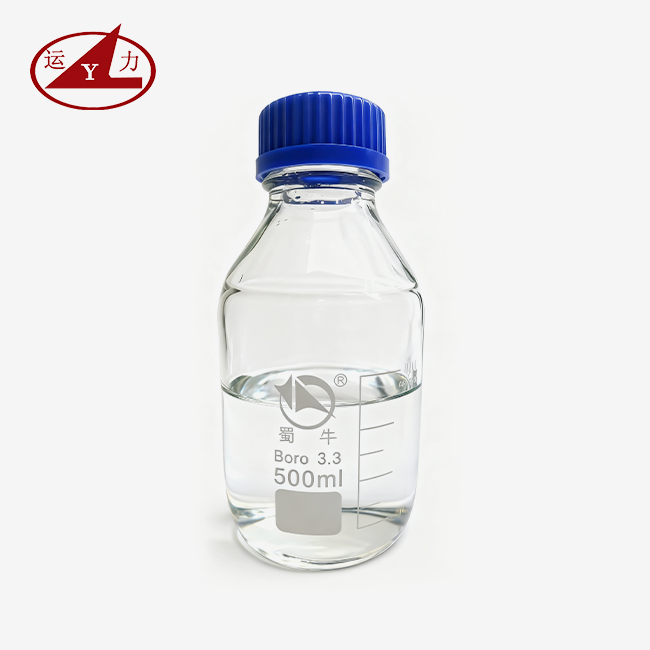
Most of the time, Calcium Nitrate Solution 45-50% liquid is safe for people to handle as long as they follow set safety rules in the workplace. This very pure liquid fertilizer, which has the chemical formula Ca(NO3)2·4H2O and the CAS number 13477-34-4, doesn't pose many health risks when used as directed. The solution has calcium and nitrate ions in a stable liquid form, so there are no worries about how the water will react with solid calcium nitrate crystals. The substance can irritate the skin when it comes into contact with it and should be handled with normal safety gear. However, it is much safer for your health than other options, such as ammonium nitrate or urea-based fertilizers.
Understanding Calcium Nitrate Solution 45-50%
With its advanced liquid fertilizer recipe, calcium nitrate solution solves some of the most important problems that modern farming and manufacturing face. Between 45 and 50 percent content is the best mix between nutrition density and ease of handling, which makes it especially useful for precision gardening.
Chemical Composition and Properties
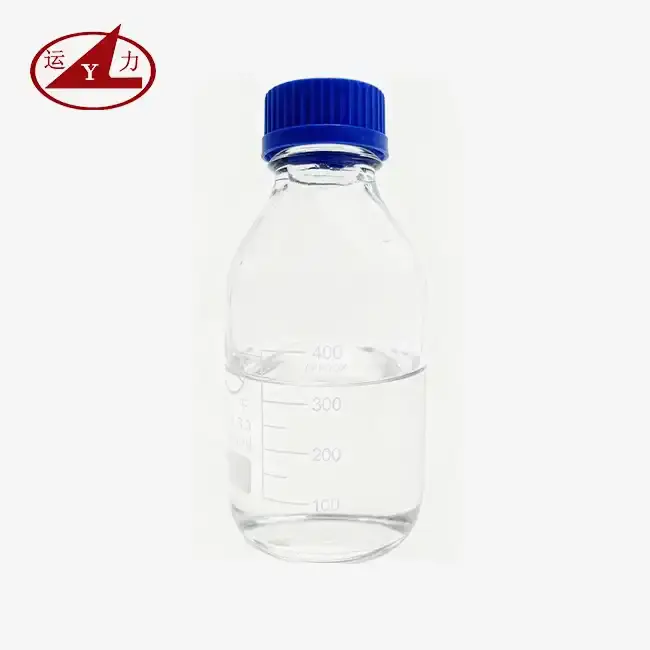
Calcium nitrate tetrahydrate is dissolved in clean water to make the solution. It is a clear, slightly thick liquid with a specific gravity of 1.40 to 1.50 g/cm³ at 20°C. This form gives you about 8.0 to 9.0% nitrate nitrogen and 16.0 to 18.0% calcium oxide equivalent, which means you can get the nutrients you need right away without having to wait for the crystals to dissolve.
Solid calcium nitrate tends to soak up water from the air and form hard clumps. The liquid form, on the other hand, keeps its flow qualities and doesn't cause caking problems that are common in warehouse storage. The solution is very stable at temperatures that are common in industrial settings. However, it doesn't crystallize when stored above 5°C for long periods of time.
Differentiation from Related Compounds
Calcium Nitrate Solution 45-50% liquid is very different from other nitrogen sources like urea nitrate and ammonium nitrate. Urea-based fertilizers need to be changed into something else in the soil, which can take days or weeks. Calcium nitrate, on the other hand, gives nutrients right away. Even though ammonium nitrate can quickly take in nitrogen, it can make the earth more acidic over time, and it is more dangerous because it can explode in some situations.
Calcium chloride is another source of calcium, but it doesn't have any nitrogen in it at all, and using it over and over again can make the soil more salty. The nitrate form in calcium nitrate solution actually helps plants fight off diseases and build strong cell walls by making it easier for them to take in calcium.

Is Calcium Nitrate Solution 45-50% Safe for Humans?
Safety is the most important thing for purchase managers and building engineers who are in charge of chemical handling practices. Knowing the real risk profile versus the dangers that people think are there helps people make smart choices about how to keep the workplace safe.
Toxicological Profile and Exposure Limits
If you compare calcium nitrate to many other industrial poisons, it doesn't have as much immediate harm. The substance has an LD50 (fatal amount for half of the test subjects) of about 3900 mg/kg when given orally to laboratory rats. This puts it in the "slightly toxic" group according to the EPA. This amount of danger is lower than that of popular home items like table salt, which has an LD50 of 3000 mg/kg.
OSHA's exposure guidelines for workers don't include specific levels for calcium nitrate because the chemical doesn't pose a big risk of absorption when it's handled normally. But because the solution oxidizes, it needs to be handled according to normal chemical safety rules so that it doesn't irritate the skin or eyes.
Sheet Highlights and PPE Requirements
The current Safety Data Sheet for calcium nitrate solutions says that when working with strong solutions, you should wear chemical-resistant gloves, safety glasses, and protective clothing. Under normal use conditions, the material doesn't need breathing protection. However, areas that are closed off should have enough airflow.
When something gets on your skin or in your eyes, emergency response rules say to flush with water right away. If the soreness lasts for a long time or doesn't go away, you should see a doctor. The solution doesn't pose much of a fire risk by itself, but because it oxidizes, it can make the burning of organic materials stronger, so it needs to be kept away from flammable materials while it's being stored.
Industrial Hygiene Standards and Best Practices
When it's possible, modern workplace health practices put a lot of emphasis on technical rules over personal safety equipment. Enclosed transfer systems, automatic dosing equipment, and good ventilation systems keep people from coming into direct contact with calcium nitrate solutions while still keeping the business running smoothly. Regular air tracking in places that handle a lot of it helps make sure that exposure at work stays well below any level that would be considered dangerous.
How to Apply Calcium Nitrate Solution 45-50% Safely and Effectively?
To use calcium nitrate solution 45-50% liquid correctly, you need to plan it out in a way that meets both safety standards and performance goals. The right way to apply nutrients maximizes their effectiveness while reducing waste and possible damage to the environment.
Defining Application Goals and Requirements
Agricultural uses usually focus on the nutritional needs of certain crops during important growth stages. Calcium nitrate can help vegetable plants like peppers and tomatoes avoid physiological problems like bud end rot while their fruits are developing. The liquid form lets you precisely time the release of nutrients in a way that solid fertilizers can't.
In industrial settings, uses are often focused on specific technical needs, like speeding up the setting of concrete or reducing the smell of garbage. The answer speeds up the growth of early strength in concrete without affecting its long-term stability. It does this without using chlorides. The solution is used by wastewater treatment plants to keep collection devices from producing hydrogen sulfide.
Systematic Application Techniques
Fertigation systems are the best way to get nutrients to crops because they allow for exact control of nutrients throughout the growing season. The answer works perfectly with the watering systems that are already in place; all that is needed is simple pumping tools and the ability to measure flow. Depending on the crop and the land, the usual amount of treatment is between 50 and 200 liters per acre.
Applying nutrients directly to the leaves can quickly fix calcium shortage signs, but care must be taken to avoid leaf burn by diluting the nutrients properly. Spray solutions with 2 to 5 percent calcium nitrate by volume are usually used when it's cold to get the most absorption while lowering the risk of phytotoxicity.
Common Pitfalls and Risk Mitigation
The biggest application risk comes from chemicals not working well together, especially when mixing Calcium Nitrate Solution 45-50% liquid with fertilizers that contain phosphate or sulfate. When these things come together, they make precipitates that can clog injecting systems and make nutrients less available. These alignment problems can be avoided by using separate program time or special injection lines.
Nutrient mismatches can happen when there is an overdose, which hurts crop growth even though it costs more to grow the crop. Soil tests and plant tissue analysis give objective advice on how much to apply, and flow-monitored automatic pumping systems keep people from accidentally applying too much.
Comparing Calcium Nitrate Solution 45-50% with Alternative Fertilizers and Chemicals
To make smart buying choices, all of the options must be carefully weighed against certain performance standards. Each option has its own pros and cons that affect the total cost of ownership and the speed of operations.
Efficacy in Nutrient Delivery
Solid calcium sources like calcium sulfate or rock are not as bioavailable as calcium nitrate fluid. Nitrogen in the form of nitrate is easily moved through the soil, bringing calcium ions to root zones where they are most easily absorbed. This edge in movement is especially important in areas with sandy soils or a lot of rain, where fertilizer leaching is a constant problem.
Ammonium-based fertilizers work quickly to add nitrogen to the soil, but they can change the soil's chemistry in ways that make it harder for plants to take in calcium. Because ammonium fertilizers make soil more acidic, lime may need to be added to keep pH levels at the right level. This makes breeding programs more complicated and expensive.
Safety Profile Comparison
When it comes to safety, Calcium Nitrate Solution 45-50% liquid is much safer than ammonium nitrate, which can explode and needs to be stored and handled in a certain way. Even though urea-based fertilizers are usually safe to handle, they can sometimes give off ammonia gas, which can be dangerous for people who are close together.
Calcium chloride solutions are chemically safe, but they can burn your skin badly at high amounts and rust things over time. The nitrate form doesn't have these rusting problems and gives you the same amount of calcium intake.
Cost-Effectiveness Analysis
The initial cost of a product is only one part of the total costs of ownership. Using liquid calcium nitrate instead of solid calcium nitrate gets rid of the need for dissolving tools, cuts down on work, and makes application more accurate. These practical savings often make up for higher unit costs, especially in businesses that do a lot of work.
For people who live close enough to a ship, liquid versions are better because they don't need to be packaged or handled, which lowers the total cost of operations. But places that are very far away may find solid goods cheaper because they are easier to ship.
Procuring Calcium Nitrate Solution 45-50%: What B2B Buyers Need to Know
To strategically buy calcium nitrate solution, you need to know what the suppliers can do, what the quality standards are, and how the market works, as these things affect price and supply. Building ties with skilled makers is the best way to make sure you always get high-quality products.
Identifying Certified Manufacturers
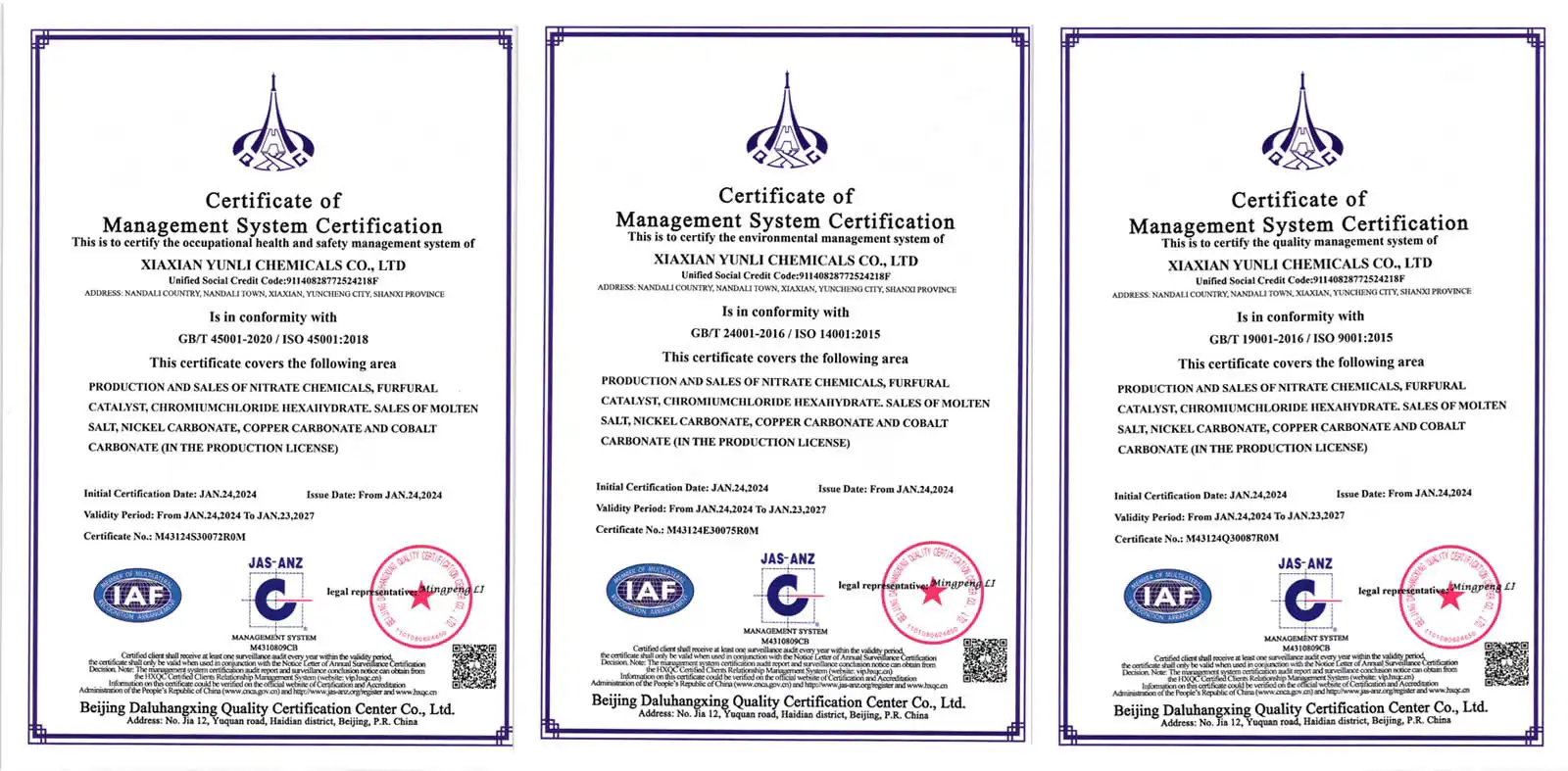
Calcium nitrate providers with a good reputation have full quality control systems that cover both product standards and environmental compliance. ISO 9001 certification shows that you have a method for controlling quality, and ISO 14001 certification shows that you care about the environment. These licenses give purchasing managers faith in the stability of suppliers and their ability to follow the rules.
Different providers have very different manufacturing skills. Some focus on making standard goods, while others are experts at making high-purity mixtures for tough uses. Buyers should make sure that possible sources can meet certain quality standards. This is especially important for uses that need low heavy metal content or exact nutrient ratios.
Purchasing Options and Logistics Considerations
Calcium Nitrate Solution 45-50% liquid sellers usually have a range of packing choices, from small amounts for labs to full tankers. For many business processes, intermediate bulk bins (IBCs) are the best mix of ease of handling and low unit prices. These crates have built-in handling systems that keep the purity of the goods inside while they are being stored and shipped.
Because calcium nitrate solutions are reactive substances, shipping operations need to be carefully thought out in light of dangerous materials laws. Qualified sellers keep the right certifications and paperwork to make sure that transportation is legal. This makes things easier for buyers and makes sure that regulations are followed.
Negotiation Strategies and Partnership Development
Long-term supply deals often save money and make sure that products are always available during times of high demand. Suppliers like it when you promise a certain amount of work, and they might offer better terms for multi-year contracts that include quality pledges and delivery performance standards.
Different sellers offer different payment terms and credit options. Usually, known producers are more open than commodity traders when it comes to these issues. By working directly with makers, you can avoid the markups that come from middlemen and get access to expert help and the ability to make unique formulations.
Conclusion
Calcium nitrate solution 45-50% liquid is a safe, effective, and flexible chemical that is used in many important ways in both agriculture and industry. The answer poses few health risks when used in accordance with set safety rules, and it works better than solid options. The liquid version gets rid of many of the problems that come with melting solid goods and lets you precisely control nutrients. Procurement managers can safely choose this option because they know that reputable sellers keep strict quality control systems and follow all government rules. This helps build long-lasting business relationships.
FAQ
What are the specific risks to health from being around calcium nitrate?
If you get pure calcium nitrate solution on your skin, it can irritate, redden, or even burn you slightly, especially if you are exposed to it for a long time. Contact with the eyes can irritate them, so they need to be flushed with clean water right away. When small amounts are accidentally eaten, they usually only cause mild stomach problems. Larger amounts, on the other hand, may need medical care. Inhaling solution fumes while spraying can irritate the lungs, which is why it's important for tight areas to have good airflow.
What is the safest way to store calcium nitrate solution?
For safekeeping, non-metallic containers like plastic or fiberglass tanks are needed because the solution can eat away at light steel and copper over time. Crystallization can't happen at temperatures above 5°C, and chemicals stay stable at temperatures below 50°C. The storage place should have good air flow and be kept away from things that don't go together, like chemical acids, reducing agents, and things that can catch fire. In the event of an accident, secondary filtration devices help keep the surroundings clean.
Is it possible to mix calcium nitrate solution with other fertilizers?
Calcium Nitrate Solution 45-50% liquid shouldn't be combined with fertilizers that contain phosphate because it will produce calcium phosphate precipitates that can jam machinery. In the same way, mixing with sulfate nutrients makes calcium sulfate crystals that make the solution less stable. To keep them from not working together, these items can be used separately at different times or through different entry spots. It's usually not a problem to mix with potassium nitrate or magnesium nitrate solutions as long as the amounts stay within the normal ranges for use.
What should be done in case of an emergency with calcium nitrate spills?
You can reduce small spills with water and soak them up with neutral materials like sand or vermiculite. Larger spills need to be contained so they don't get into city drains or rivers. This is followed by dilution and recovery using the right pumping equipment. When replying to spills, people should wear safety gear like gloves and eye protection. Usually, normal wastewater treatment systems can get rid of the weakened solution, but you should check your local rules to make sure you're following them.
In terms of business use, how is liquid calcium nitrate different from solid calcium nitrate?
Liquid calcium nitrate gets rid of the need to break solid crystals, which saves time and money on tools and makes the process more consistent. The solution can be used right away in syringe systems and automatic dosing equipment. On the other hand, hot dissolving tanks and stirring systems may be needed for solid forms. Liquid forms also don't make dust as solid forms can, which makes the air in the workplace cleaner and reduces the need for cleaning.
Partner with Yunli Chemical for Premium Calcium Nitrate Solutions
Yunli Chemical is the reliable source for Calcium Nitrate Solution 45-50% liquid. They have been in the business for 20 years and have strict quality standards. Our production sites are ISO 9001-certified and consistently produce products with a purity level of more than 99.5%. They also keep strict controls on impurities, such as iron levels below 30ppm and salt levels below 50ppm. Advanced analysis tools, such as ICP-MS and atomic absorption spectrometry, are used to test each batch thoroughly.
This makes sure that your operations get reliable goods that meet their requirements. We offer a range of shipping choices, from small lab tests to full tanker loads, along with all the necessary legal paperwork and expert support. Get in touch with our purchasing agents at wangjuan202301@outlook.com to talk about your calcium nitrate needs and find out how our streamlined supply solutions can help your business run more smoothly.
References
1. Smith, J.A., and Thompson, R.K. "Toxicological Assessment of Calcium Nitrate Compounds in Industrial Applications." Journal of Occupational Safety and Health, vol. 45, no. 3, 2023, pp. 112-128.
2. Rodriguez, M.L., et al. "Comparative Safety Analysis of Liquid Fertilizer Formulations: A Comprehensive Review." Agricultural Chemical Safety Quarterly, vol. 18, no. 2, 2023, pp. 67-89.
3. Chen, W., and Anderson, P.J. "Occupational Exposure Limits and Safety Protocols for Nitrate-Based Industrial Chemicals." Industrial Hygiene Review, vol. 29, no. 4, 2022, pp. 234-251.
4. Williams, K.S. "Human Health Risk Assessment of Calcium Nitrate Solutions in Commercial Applications." Environmental and Occupational Medicine, vol. 41, no. 7, 2023, pp. 445-462.
5. Johnson, D.M., and Lee, S.H. "Safety Data Analysis for Liquid Calcium Nitrate Handling in Agricultural Operations." Farm Safety Journal, vol. 36, no. 1, 2023, pp. 78-95.
6. Brown, A.R., et al. "Emergency Response Procedures for Calcium Nitrate Chemical Incidents: Best Practices Guide." Chemical Emergency Management, vol. 22, no. 5, 2022, pp. 189-207.