



What are the best practices for storing nickel nitrate hexahydrate from commercial vendors?
To store Nickel Nitrate Hexahydrate from commercial sellers, you need to follow a lot of best practices, such as keeping the environment under control, following the right packing rules, and being very careful about safety. Keeping the temperature below 30°C, controlling humidity with dehumidifier systems, keeping unsuitable materials separate, and following UN 2725 oxidant rules are the best ways to do things. These steps make sure that the product stays stable, doesn't get contaminated, and meets safety standards that are necessary for commercial uses.
This important chemical compound is an essential part of many industries, such as electroplating, chemical making, and battery production. Because the product is dynamic and needs to be handled in a certain way, it is important to store it correctly to keep its integrity, keep workers safe, and get the most out of your purchase. As someone who has worked with buying teams in a number of different industries, I can say that storage mistakes are often caused by not paying attention to the unique qualities of this polluting substance.
Understanding Nickel Nitrate Hexahydrate and Its Storage Challenges
Chemical Properties and Industrial Significance
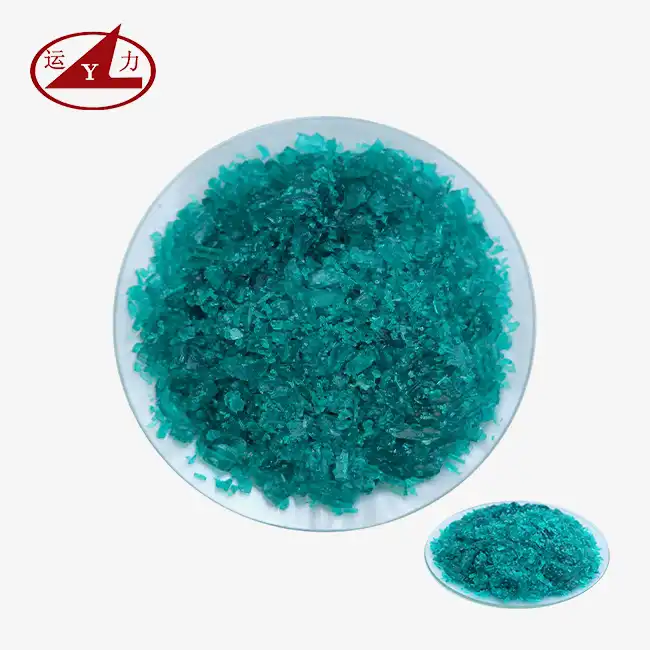
With the chemical formula Ni(NO₃)₂·6H₂O, Nickel Nitrate Hexahydrate (CAS# 13478-00-7) is a useful artificial substance known for how well it dissolves and how much nickel it contains. The molecular weight of this green solid substance is 290.81, and it dissolves in water very easily, more than 100g/100ml at 20°C. It is used to make catalysts, electroplating processes, color coating for ceramics, and battery materials.
The unique way the substance breaks down at high temperatures creates both possibilities and problems for managing storage. It starts to break down at around 260°C and melts at 56.7°C, so it needs to be carefully watched at all times to avoid unwanted phase changes. The substance loses water molecules and changes from hexahydrate to tetrahydrate. At 100°C, it finally turns into dry salt.
Moisture Absorption and Environmental Sensitivity
The hygroscopic properties of this chemical make it very difficult to keep. The taking in of water from the air causes caking, dissolving, and possibly container rust. The substance easily takes in water from the air, which changes its structure and makes it harder to work with or dissolve. These changes can make automatic dose systems less reliable and make industry processes less consistent.
Besides humidity, other environmental factors also affect how well storage works. Changing temperatures can speed up the absorption of water and start thermal breakdown. Temperature and humidity are more important than light exposure, but light exposure should be kept to a minimum to keep things stable over time. It becomes very important to move the air around to keep moisture from building up and to keep flying particles from contaminating the area.
Core Principles of Storing Nickel Nitrate Hexahydrate Safely and Efficiently
Environmental Control Systems
For optimal keeping, you need to set up natural controls that take into account the needs for temperature, humidity, and air flow. Maintaining a temperature below 30°C stops heat breakdown and slows down the rate of water uptake. Using desiccant devices or dehumidification tools to control humidity keeps the relative humidity below 50%, which keeps caking and degradation to a minimum.
Ventilation systems need to create a balance between moving air and keeping it clean. A good flow of air keeps moisture from building up and gets rid of any gases that come from slight breakdown. But filter systems should get rid of dust and other things that might affect the kept material. When working with bigger amounts, emergency air becomes very important.
Packaging and Container Specifications
Picking the right packaging has a direct effect on how well it stores and how long it lasts. Containers that don't absorb moisture and have air shields keep the product's structure while keeping it away from the environment. A lot of the time, multi-layered packing methods use plastic inner linings and moisture-proof outer cases to make good shields.
The materials used to make containers must not rust when dissolved nitrate chemicals make the environment acidic. Containers made of stainless steel, high-density polyethylene, and special polymers can handle chemicals well. Particular care needs to be taken with container closing systems because poor seals let moisture in and make storage less effective.
Safety Protocols and Handling Procedures
Strict safety rules protect workers and buildings while keeping the quality of the product. Wearing chemical-resistant gloves, safety goggles, and breathing masks while handling things keeps you from getting exposed. The oxidizing property of the molecule and its possible reactions with organic materials should be emphasized in training classes.
Immediate control and elimination methods are needed for spill management procedures. Plans for how to respond to emergencies should cover both small events and big fails to control them. Compliance with OSHA standards and knowledge of new best practices in chemical store management are kept up to date through regular safety checks.
Comparative Analysis: Storage of Nickel Nitrate Hexahydrate vs. Other Nickel Compounds
Hygroscopicity and Moisture Management
Comparing how long different nickel chemicals need to be stored, Nickel Nitrate Hexahydrate is much more likely to absorb water than nickel sulfate or nickel chloride. Because they are more attracted to moisture, they need stricter temperature control and special packing. Nickel sulfate stays stable at up to 70% relative humidity, but nitrate products need humidity below 50% to stay stable.
The water in the crystal structure makes it more complicated than nickel compounds that don't contain water. Depending on the surroundings, the hexahydrate form easily gains or drops water molecules, which changes the estimates for both weight and concentration. This variation makes it harder to keep track of supplies and needs quality checks more often than with more stable options.
Thermal Stability Considerations
The way different nickel salts react to heat is very different, which affects the storage infrastructure that is needed. Nitrate molecules start to change when they get much cooler than nickel sulfate, which stays stable at temperatures up to 100°C before drying out. Because of this, weather tracking and climate control methods need to be improved.
Also, the breakdown products are very different between types of compounds. Oxidation can be dangerous because it releases nitrogen fumes and air when nitrate breaks down. When sulfate compounds break down, they usually make less toxic byproducts. This makes it easier to handle emergencies and makes infrastructure simpler.
Regulatory and Safety Classifications
There are different legal classifications for different nickel compounds, which affect how they should be stored and what kind of facilities are needed. As nitrate compounds are classified as oxidizers (UN 2725, Class 5.1), they need to be kept away from flammable materials, and emergency action plans need to be specially made. Sulfate and chloride substitutes are usually put into less-tight categories, which makes compliance easier.
The types of compounds also have different documentation needs. For example, oxidizers need more safety data sheets and information on how to handle an emergency. Transportation and storage insurance often take these group differences into account by having different coverage standards and rate structures.
Procurement and Vendor Considerations for Optimal Storage Solutions
Supplier Quality Assurance and Certification
Choosing providers with strong approval systems guarantees consistent product quality that helps with store management. Getting an ISO 9001 quality management certification shows that you can control and make sure that your products are consistent in a methodical way. Environmental management qualifications, such as ISO 14001, show that you are committed to using sustainable methods and following the rules.
Facilities owned by vendors should keep special skills for making ultra-low impurity grades that are needed by tough uses. Advanced analysis tools, such as ICP-MS and atomic absorption spectrometry, make sure that residue control is done accurately. Suppliers who offer customized purity levels between 98.5% standard grade and 99.99% semiconductor grade give users a lot of options for how they want to use their products.
Advanced Packaging Technologies
New developments in modern packaging make it much more efficient and extend the life of products. Films that block moisture and nitrogen-flushed packing make safe environments that limit contact with the environment. Multi-layer packing methods use a variety of materials to protect against wetness and last longer.
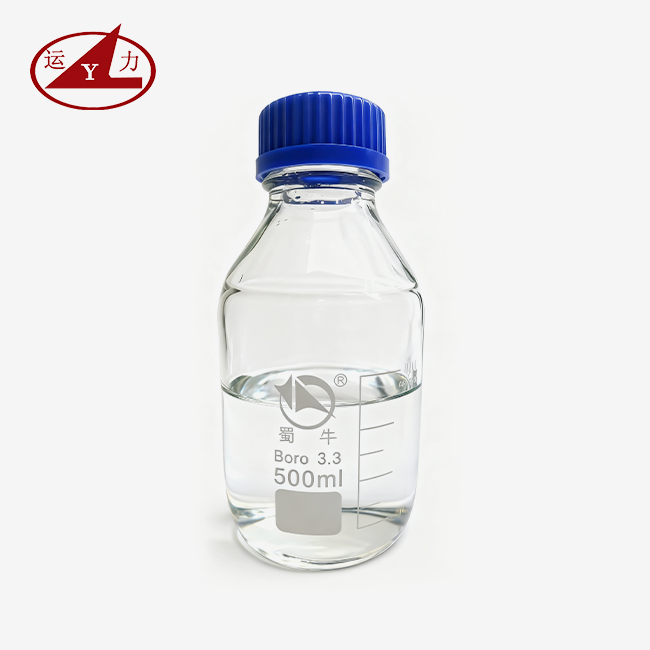
Liquid formulation suppliers get rid of the need for pre-dissolution steps, which makes handling easier in industry settings. For extra protection, custom packing options like vacuum-sealed cases and desiccant integration are available for delicate items. Most of the time, these more modern methods are worth the extra cost because they reduce waste and make keeping more reliable.
Supply Chain Optimization
Reliability and timeliness in the supply chain are also important parts of effective seller relationships, in addition to the quality of the products. Suppliers with established distribution networks cut down on the time it takes to move goods and the damage that can happen from bad weather. With regional warehouses, you can quickly meet pressing needs while keeping the quality of your products.
Ordering systems that are flexible and don't require large minimum amounts help with managing goods well and cutting down on the time needed for storage. Suppliers that offer free samples let customers make full evaluations before agreeing to bigger purchases. These services help businesses a lot, especially when they are starting new processes or looking at other providers.
Case Studies and Real-World Best Practices from Leading Industry Users
Catalyst Manufacturing Excellence
Leading petroleum companies have put in place complex ways to store Nickel Nitrate Hexahydrate, which is used to make catalysts. These businesses use climate-controlled buildings with backup systems for controlling humidity and constant surveillance. Maintaining a temperature range of 15 to 25°C and a humidity level below 45% stops caking and keeps the quality of the catalyst precursor.
Modern stocking turnover systems make sure that items are used as soon as they arrive so that they don't sit around for too long. Automatic handling systems keep the surroundings stable while lowering the risk to people. Because of these changes, the shelf life has been increased from 12 months to 24 months, and trash has been cut by 15-20%.
Battery Material Production Optimization
Manufacturers of electric car batteries need nickel compounds that are very pure in order to make cathode materials. Cleanrooms with controlled air flow and particle tracking are part of storage sites. Special tanks that purge inert gas stop oxidation and keep the exact stoichiometry needed for the battery to work.
Quality control includes checking for impurities and moisture content on a daily basis to make sure that things stay the same during storage. With these methods, producers have been able to keep the amount of copper below 5 ppm and the amount of lead below 2 ppm for long periods of time. Infrastructure investments will be paid for within 18 months by the money saved on costs from less waste and more consistent yields.
Electroplating Industry Standards
Electroplating businesses have created storage and handling systems that work together to keep workers safe and reduce the risk of contamination. Cross-contamination with organic substances that could start flame reactions is avoided by separating storage places. Controlled settings are kept safe by automated serving systems, which also cut down on the need for human handling.
Specialized neutralization methods and storage systems made for oxidizing chemicals are part of emergency reaction plans. Regular training programs make sure that employees know how to do their jobs and what to do in a situation. These all-around methods have cut the number of incidents by 60% and made products more consistent and operations run more smoothly.

Conclusion
For Nickel Nitrate Hexahydrate to be stored properly, weather controls, packing requirements, and safety rules must all be carefully followed. Because the product is hygroscopic and reactive, it needs special equipment and methods that go beyond what is needed for regular industrial chemicals. Successful storage programs start with keeping the temperature below 30°C, the humidity below 50%, and keeping things separate from things that don't go together.
When buying something, it's best to go with providers whose quality systems have been tested and who offer advanced packing methods and full expert support. Usually, the money spent on good storage facilities pays off in the form of less trash, longer shelf life, and more consistent processes. When businesses follow these best practices, they regularly get better working results while still following the rules and keeping workers safe.
FAQ
What temperature range is best for keeping nickel nitrate hexahydrate?
To avoid heat breakdown and reduce moisture absorption, the best storage temperature range stays below 30°C. Temperatures between 15°C and 25°C are best for keeping things stable and making them easy to handle. As temperatures get close to 56.7°C, which is the freezing point, they should be avoided because they speed up the breakdown process and pose safety risks.
How long can nickel nitrate hexahydrate be stored under proper conditions?
Under optimal storage conditions with controlled temperature and humidity, the compound maintains stability for 12-24 months. Proper packaging with moisture barriers and desiccants extends storage life to the upper end of this range. Regular quality testing should verify moisture content and purity to ensure continued suitability for intended applications.
What safety equipment is required for handling nickel nitrate hexahydrate?
Essential safety equipment includes chemical-resistant gloves, safety goggles, and respiratory protection when handling powder forms. Emergency eyewash stations and safety showers should be accessible in storage areas. Fire suppression systems should use water-based agents rather than dry chemicals that might react with the oxidizing compound.
Can nickel nitrate hexahydrate be stored with other chemicals?
Storage segregation requirements prohibit combining this oxidizing compound with organic materials, reducing agents, or combustible substances. Dedicated storage areas with appropriate ventilation and emergency response capabilities provide the safest approach. Compatibility charts should guide decisions about acceptable storage proximity to other chemical compounds.
Partner with Yunli Chemical for Premium Nickel Nitrate Hexahydrate Supply
You can trust Yunli Chemical as a producer of Nickel Nitrate Hexahydrate. They have been in business for over 20 years and make RMB 1 billion a year in sales. Our ISO 9001, ISO 14001, and OHSAS-certified factories produce ultra-pure grades with iron content ≤30ppm and sodium content ≤50ppm. These grades are higher than the industry standard for use in batteries and catalysts. We offer full storage advice, unique packing options, and technology support to help you get the best deals.
The quality is always the same because we have a state technology center and modern testing tools. We also offer free samples up to 500 grams and don't have a minimum order quantity. You can get in touch with our expert team at wangjuan202301@outlook.com to talk about your unique needs and see all of our products.
References
1. American Chemical Society. "Storage and Handling Guidelines for Inorganic Nitrate Compounds in Industrial Applications." Chemical Safety Standards, 2023.
2. International Organization for Standardization. "Quality Management Systems for Chemical Storage Facilities: Best Practices and Safety Protocols." ISO Technical Report, 2022.
3. National Institute for Occupational Safety and Health. "Criteria for Safe Storage of Oxidizing Chemical Compounds in Industrial Environments." NIOSH Publication Series, 2023.
4. European Chemical Industry Council. "Advanced Storage Technologies for Hygroscopic Inorganic Compounds: Technical Guidelines and Implementation Strategies." CEFIC Industry Report, 2022.
5. Society of Chemical Manufacturers and Affiliates. "Comparative Analysis of Nickel Compound Storage Requirements: Safety, Efficiency, and Regulatory Compliance." SOCMA Technical Bulletin, 2023.
6. Chemical Storage Institute. "Environmental Control Systems for Moisture-Sensitive Industrial Chemicals: Design and Operation Standards." CSI Professional Guidelines, 2022.