


Is Calcium Nitrite 30% Solution Compatible With All Concrete Mixes?
Calcium nitrite 30% solution (CAS# 13780-06-8, molecular formula Ca(NO₂)₂, molecular weight 132) works as a proven anodic corrosion inhibitor in reinforced concrete — but it is not universally compatible with every mix design. Compatibility depends on cement type, supplementary cementitious materials, water-to-cement ratio, and the presence of other admixtures. In most standard Portland cement applications, performance is reliable. However, certain blended or high-alkali mixes require careful dosage adjustment. Understanding these variables before procurement protects both structural integrity and project timelines.

Understanding Calcium Nitrite 30% Solution in Concrete Applications
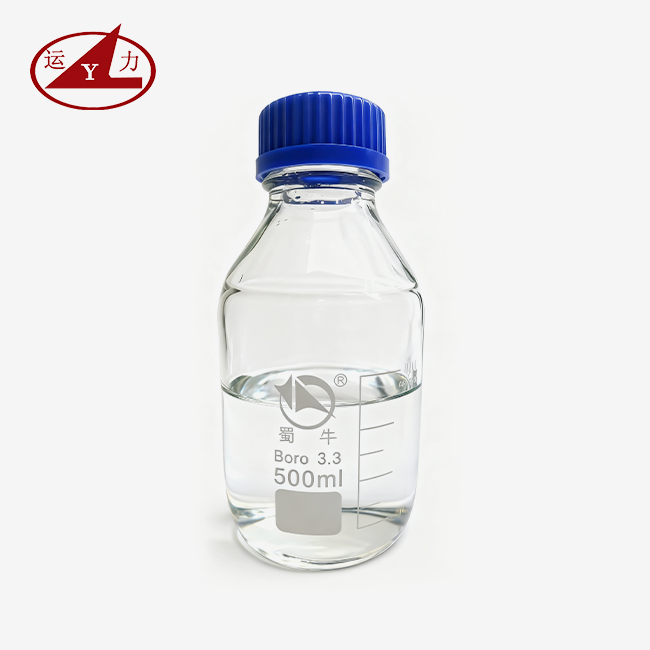
This calcium nitrite 30% solution combination is a clear to slightly yellow liquid that has a weight of 30% ± 0.5% Ca(NO₂)₂. It has a specific gravity of 1.28 to 1.32 g/cm³ and a pH of 9.0 to 11.0, which means it is alkaline enough to support the passive chemistry of the cement matrix without adding acidity that would damage it.
How It Protect Steel Reinforcement
The nitrite ion moves through the concrete's pores and reacts with ferrous ions on the rebar's surface, creating a stable layer of ferric oxide (Fe₂O₃). This layer raises the amount of chloride that is needed to start active corrosion. This is how the solution has been shown to extend the service life of structures by 50 years or more in harsh environments like marine splash zones, bridge decks, and tunnels that are exposed to de-icing salts.
Key Physical and Chemical Parameters
| Parameter | Specification |
|---|---|
| Concentration | 30% ± 0.5% |
| Appearance | Clear to slightly yellow liquid |
| pH Value | 9.0–11.0 |
| Specific Gravity | 1.28–1.32 g/cm³ |
| Chloride Content | ≤ 0.1% |
| Heavy Metals | ≤ 10 ppm |
| Water Insoluble Matter | ≤ 0.1% |
In addition to stopping corrosion, the solution speeds up the hydration of the cement, which supports early gain in compressive strength and allows formwork to be removed earlier. This is a big time saver for infrastructure projects with tight deadlines.
Compatibility Analysis: Can Calcium Nitrite 30% Solution Be Used With All Concrete Mixes?
To be honest, the answer is mostly yes, but there are some important exceptions. When it comes to integration, ordinary Portland cement (OPC) mixes are the easiest. It is known that the nitrite ions will interact predictably with the C₃A and C₃S phases. Dosage rates of 10 to 30 liters per cubic meter provide reliable protection with the calcium nitrite 30% solution that is adjusted for expected chloride loads.
Blended Cements and SCM-Based Mixes
Additives that contain fly ash, slag, or silica fume are called supplementary cementitious materials (SCMs), and they work well with this mixture. SCMs make the pores denser, which slows the entry of chlorides, and the nitrite stops any chlorides that do get through. The pore solution chemistry is a little different, though, because SCM mixes make less calcium hydroxide when they are hydrated. When there is a lot of fly ash replacement (above 40%), the movement of nitrite ions can slow down. This means that the structural engineer should adjust the dose instead of using a flat rate.
Alkali-Silica Reactive (ASR) Aggregates
This is the most important compatibility issue. The solution is based on calcium instead of sodium, so it doesn't add many extra alkalis to the pore solution. This is a real benefit compared to alternatives that use sodium nitrite. If there are ASR-susceptible aggregates, the full alkali budget of all the admixtures must still be checked against ASTM C1293 or ASTM C1567 thresholds before they can be specified.
Known Interactions With Other Admixtures
The answer shortens the time it takes for the slump to go away because it is a set accelerator (ASTM C494 Type C). It is usually paired with a mid-range or high-range water-reducing ingredient that is added separately to the mix to stop any gelling in certain areas. Chloride-based accelerators should not be mixed in at all, because the chloride ions in them directly work against the passivation chemistry that makes this product work.

Comparing Calcium Nitrite 30% Solution With Alternative Corrosion Inhibitors
When procurement teams look at inhibitor options, they usually compare calcium nitrite 30% solution, sodium nitrite, and calcium nitrate.
Sodium nitrite has the same nitrite-ion chemistry as nitrite but costs less to make. However, it adds sodium to the pore solution, which raises the alkali content and increases the ASR risk in reactive aggregate systems. Additionally, it has tighter handling categories in some places. Calcium nitrate speeds up the setting process and offers some freeze protection, but it doesn't really protect against chloride attack, so it can't be used in coastal or de-iced sidewalk settings.
Calcium nitrite 30% solution is unique because it stops rust and improves performance in cold weather without adding chlorides or too many alkalis. As a benchmark specification, ASTM C1582 is used in most U.S. infrastructure project specs, and this one meets those requirements. This product's two uses make it the best choice for procurement managers who need to find materials for bridge decks, coastal buildings, or precast parts that will be used in harsh conditions.
Procurement Insights for Calcium Nitrite 30% Solution in Global B2B Markets
For reliable sourcing, you need to look at more than just price. The following quality control points protect the results of the project and make sure that the provider is responsible.
Before approving a large sale, procurement teams should verify the following validation items for calcium nitrite 30% solution:
- Active nitrite assay (titration): The concentration must be exactly between 29% and 31%. Deviation below this band makes it hard to figure out the dosage and doesn't protect the rebar enough.
- Density check: If the specific gravity is less than 1.20 g/cm³, it means that the substance is diluting. This is a quick test that can be checked in the field with just a calibrated hydrometer.
- Chloride and sulfate impurity levels: When sulfates are high, there is a chance of an internal sulfate attack, and chlorides directly stop passivation. Parts-per-million agreement must be shown on Certificates of Analysis (CoAs).
- ASTM C1582 compliance documentation: Insist on third-party test data confirming long-term corrosion performance, with ASTM G109 macrocell corrosion results being the best choice.
When used in a planned way, these checkpoints get rid of the most common reasons why admixture failures happen on important infrastructure projects. Most products have a shelf life of 12 months. Crystallization can't happen in poly or stainless steel tanks kept above -15°C. Material that got frozen during transport can be recirculated to restore uniformity, but the concentration must be checked again before it is used.
Best Practices for Using Calcium Nitrite 30% Solution in Concrete Mixes
The batching plant is where proper integration starts. The calcium nitrite 30% solution should be added through the mix water line. It should never be mixed with concentrated superplasticizers first. The dosage rates should be based on the expected chloride exposure class given in the project's durability design specification. For harsh environments, the nitrite-to-chloride molar ratio should be 0.90 or higher.
The antifreeze qualities of the product make it possible to pour concrete in cold weather, even at temperatures as low as -10°C, so chloride-based coolant agents are not needed. This keeps the mix's chloride budget clean, which is very important when the same pour has prestressed elements in it. For each truck, quality control records should keep track of the batch density, pour temperature, and dosage amount. This creates a clear chain of custody that meets the needs of both project engineers and post-completion inspection authorities.
Conclusion
In the majority of concrete mix types used in current infrastructure building, calcium nitrite 30% solution provides reliable corrosion prevention. When the dosage is set properly, both standard OPC mixes and SCM-blended formulas work well. High-alkali and ASR-reactive systems are sensitive, but they can be dealt with by reviewing them properly as an engineer. The admixture meets ASTM C1582, has two accelerating functions, and doesn't contain chloride. These qualities make it the technically best choice for bridges, marine structures, parking decks, and cold-weather precast production.

FAQ
Does calcium nitrite solution affect workability?
Yes. It speeds up the setting process and lowers slump absorption. Adding a suitable water-reducing admixture separately keeps the workability of the site while keeping the early strength benefits.
What dosage rate applies in severe marine environments?
Most of the time, 10 to 30 liters per cubic meter is enough. The structural engineer should figure out the exact rate based on the expected ratio of chloride to nitrite, with a goal of at least 0.90 as the molar ratio.
Can this admixture be used with fly ash or silica fume mixes?
Yes, and the two work well together. SCMs lower the permeability, and the nitrite stops any remaining chloride from getting through. If the fly ash replacement amount is above 40%, the dose may need to be recalculated.
How long is the shelf life?
Twelve months if kept in tanks made of polyethylene or stainless steel above -15°C. Before batching, you should always check the concentration again after a frozen package.
Is it safe for use in prestressed concrete?
Yes. It has less than 0.1% chloride, which is well below the tight chloride standards for pre-stressed and post-stressed elements.
Partner With Yunli Chemical for Certified Calcium Nitrite 30% Solution Supply
Yunli Chemical sells calcium nitrite 30% solution that is ISO 9001-certified straight from our factory in Shanxi. There are no middlemen, so the concentration is always the same. As a well-known calcium nitrite 30% solution maker with more than 20 years of experience exporting, we offer verified CoA paperwork, safe transport for dangerous goods, and flexible batch scheduling to help you stay on schedule with your project. To get a free sample or bulk quote today, email our technology team at wangjuan202301@outlook.com.
References
1. Berke, N. S., & Hicks, M. C. (1992). Corrosion Inhibitors in Concrete. ASTM International.
2. ASTM International. (2019). ASTM C1582/C1582M: Standard Specification for Admixtures to Inhibit Chloride-Induced Corrosion of Reinforcing Steel in Concrete. ASTM International.
3. ACI Committee 222. (2019). ACI 222R-19: Guide to Protection of Metals in Concrete Against Corrosion. American Concrete Institute.
4. Hansson, C. M., Mammoliti, L., & Hope, B. B. (1998). Corrosion inhibitors in concrete — Part I: The principles. Cement and Concrete Research, 28(12), 1775–1781.
5. Neville, A. M. (2011). Properties of Concrete (5th ed.). Pearson Education Limited.
6. Mindess, S., Young, J. F., & Darwin, D. (2003). Concrete (2nd ed.). Prentice Hall.