




What is chromium chloride hexahydrate used for in medicine?
Chromium Chloride Hexahydrate (CrCl3·6H2O, CAS 10060-12-5) is used in medicine in a specific way, mostly as a source of trivalent chromium (Cr-III), which is needed for glucose metabolism and insulin control. This dark green crystalline substance is used to treat chromium shortage and improve metabolic health. It is found in nutritional products, parenteral nutrition formulations, and pharmaceutical intermediates. Because it dissolves easily in water and is highly bioavailable, it is very useful for intravenous treatments and as a building block for making biologically active chromium complexes that are used in clinical research to study how to treat diabetes and metabolic diseases.
Understanding Chromium Chloride Hexahydrate
Chemical Structure and Physical Properties
The molecule has a unique molecular structure. Its formula is CrCl3·6H2O, and its molecular weight is 266.45 g/mol. The hygroscopic material looks like dark green crystals and dissolves easily in both water and ethanol, which makes it easy to use in a wide range of medicinal formulas. The freezing point is between 86°C and 90°C, and because it contains trivalent chromium ions, liquids are acidic.
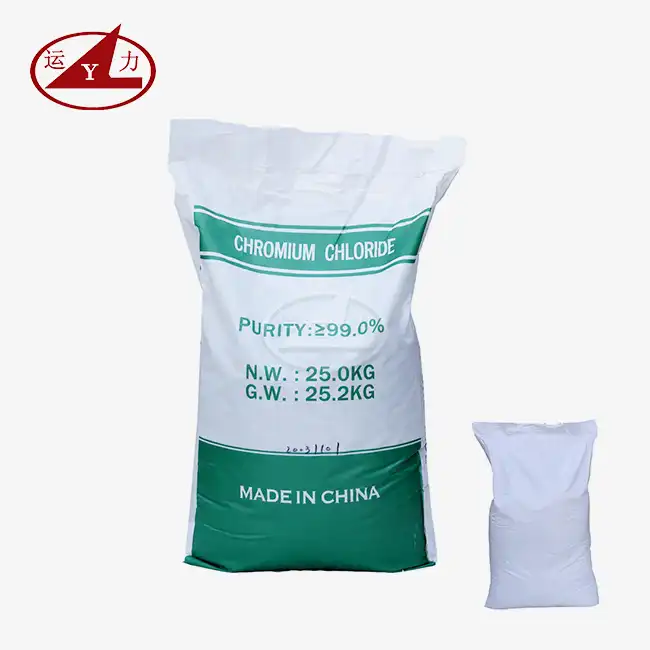
Our pharmaceutical-grade material stays more than 99.5% pure and has very low amounts of impurities, which is important for medical uses. The amount of iron is limited to 30 parts per million (ppm), and it can be changed to 10 ppm when needed by law. This level of accuracy is very important when making things that will be given intravenously or used to make active medicinal ingredients, because even small amounts of contaminants can make patients less safe or less effective at their treatments.
Storage and Stability Considerations
The chemical stability of this moisture-sensitive substance is kept safe throughout the supply chain by storing it in the right way. To keep things from dehydrating and caking, storage places need to be cool, dry, and have humidity levels kept below 60%. Sealed cases made of suitable materials keep products fresh for longer amounts of time by keeping them away from atmospheric wetness.
Changes in temperature during transport can speed up breakdown, turning the hexahydrate form into forms that are less liquid and less effective as medicines. When looking for medical-grade products, you have to follow strict planning rules and make sure that your goods are transported in a climate-controlled environment. Procurement professionals should check that suppliers know how to handle the cold chain and use packaging technology that keeps compounds stable on foreign shipping routes.
Safety Profile and Handling Protocols
Trivalent chromium compounds, like this hexahydrate form, are much less poisonous than hexavalent chromium species, which is in line with strict safety standards for pharmaceuticals. Material Safety Data Sheets (MSDS) list the most important things to know about handling, personal safety equipment, and first aid in industrial settings.
Occupational health officials set exposure levels that are used to guide safety rules at work during the formulation and packing processes. The compound's acidic water-based treatments need the right safety precautions to keep people from touching their skin or breathing them in. Environmental effect studies show that trivalent chromium doesn't stay in the environment for long when it's treated by wastewater treatment systems that follow the rules. This is something that pharmaceutical companies that are under a lot of scrutiny from regulators need to think about more and more.
Medical Applications of Chromium Chloride Hexahydrate
Role in Glucose Metabolism and Insulin Function
Clinical study shows that trivalent chromium makes insulin receptors more sensitive and makes it easier for cells to take in glucose. Chromium salts are useful in food programs that aim to treat insulin resistance, prediabetes, and metabolic syndrome because they have this biochemical effect. Chromium supplements are given to people who are showing signs of shortage, such as problems with glucose tolerance and changes in lipid metabolism.
When compared to other types of chromium, the hexahydrate form is much more bioavailable. Because it dissolves completely in water, it can be used to make exact doses in liquids and intravenous feeding solutions when chromium supplementation is medically important. Chromium supplements are needed for people who get total parenteral feeding for long periods of time to avoid shortage states that could slow down metabolic function and wound healing.
Integration in Pharmaceutical Formulations
Pharmaceutical-grade Chromium Chloride Hexahydrate is used by drug makers as a starting material to make organometallic products that are more biologically active. A lot of preclinical testing is done on these specialty chemicals to see if they could be used as medicines to treat diabetes and improve heart health. During synthesis, the purity requirements become very important because impurities like iron or sulfate can mess up the coordination chemistry and lower the quality of the end product.
Formulation experts like that the substance is stable across normal pharmaceutical pH levels and works well with a number of different excipients. Chromium salts are added to multivitamin and mineral formulas used in tablet and pill production to help the metabolism. Different production processes and dissolution needs can be met by the controlled particle size distribution and morphology choices, which range from fine powder to crystalline forms.
Clinical Research and Therapeutic Potential
New studies are looking into the link between chromium supplements and measures of cardiovascular health, such as lipid levels and inflammatory indicators. While more study needs to be done, early results show that it might help with controlling cholesterol levels and lowering oxidative stress in some patient groups. These results make drug companies want to make new medicines with chromium that work better and have better pharmacokinetic patterns.
Good Manufacturing Practice (GMP)-compliant, high-purity materials are in high demand because of work with research schools and clinical study sponsors. For regulatory reports and investigational new drug applications, analytical paperwork like Certificates of Analysis (COA) with full impurity testing is needed. Suppliers who can provide pharmaceutical-grade materials that can be fully tracked support the strict paperwork needs that come with drug research programs.

Comparing Chromium Chloride Hexahydrate with Other Chromium Salts
Hexahydrate versus Anhydrous Forms
It is easier to work with and dissolves faster in water when compared to pure chromium chloride, which doesn't react with water and doesn't move or react with other substances. This difference in responsiveness affects the design of the mixture, especially when it needs to dissolve quickly and be bioavailable right away. Anhydrous forms might need special ways to dissolve or longer times to dissolve, which can make production more difficult and lower the performance of the product.
When it comes to buying chemicals, the hexahydrate form is usually easier to find on global chemical markets. This is because it is chosen in many businesses. Price competitiveness depends on where you live and how much you commit to buying. For big pharmaceutical manufacturing operations, bulk purchasing deals offer cost savings that make the project more profitable.
Chromium Picolinate and Alternative Organic Complexes
Because of marketing beliefs about solubility, healthcare supplement makers often choose chromium picolinate over inorganic salts. However, scientific research has mixed results about the differences in absorption rates. The production of Chromium Chloride Hexahydrate is easier and cheaper, but it works just as well as medicinal chromium in many situations. Which type of chromium source to use (organic or inorganic) relies on the needs of the formulation, the patients you want to treat, and your regulatory placement tactics.
The material requirements for pharmaceutical intermediates and end nutritional goods are very different. For pharmaceutical manufacturing, arsenic and lead levels must be very low (below 2ppm), but for nutritional supplement uses, they may be okay with slightly higher amounts. With these different levels of specifications, there are clear market groups with their own price ranges and provider requirements.
Selecting the Appropriate Grade and Certification
When making purchases, people need to think about what the goods will be used for and the rules that apply to chromium-containing medical products. Materials graded by the United States Pharmacopeia (USP) meet monograph specs made for pharmaceutical compounding. European Pharmacopoeia (EP) standards set similar quality standards that are accepted across all European markets. Buyers can use these standard systems and choose the right grades for their needs with the help of technical support from qualified providers.
Certification paperwork includes more than just a simple study of purity. It also includes confirmation of the production process, screening for heavy metals, microbiological testing, and stability data to back up promises about shelf life. Reliable suppliers have thorough quality management systems that are checked by outside certification groups. This makes sure that the production settings meet the standards for pharmaceutical manufacturing. This paper work is very helpful when the supply chain is being inspected by regulators or customers to make sure everything is honest.

Procurement and Handling Best Practices
Identifying Qualified Suppliers and Distributors
Effective sourcing strategies start with a full review of the provider, which should include their manufacturing skills, quality control infrastructure, and history of following the rules. Quality assurance experts with a lot of experience do site checks that show operating strengths and possible risk factors that paper-based qualification processes might miss. Questionnaires sent to suppliers should ask about systems for managing the environment, how employees are trained, and how changes to product specs and production processes are controlled.
When looking for specialty chemicals for medicinal uses, global supply lines can be both helpful and frustrating. When it comes to logistics and knowing the rules, domestic providers are better, while foreign sources may be cheaper or give you access to unique manufacturing technologies. To find the right balance between these factors, you need to do a full risk assessment that takes into account how global factors, transportation facilities, and changes in the value of the dollar affect the total cost of ownership.
Yunli Chemical is a good example of the kind of dealer that people who buy drugs look for when they want to build long-term relationships. The company's ISO 9001, ISO 14001, and OHSAS certifications show that it cares about quality, the environment, and worker safety, all of which are important for pharmaceutical supply lines. The fact that a company is a Provincial Enterprise Technology Center shows that it has advanced research and development (R&D) skills that help with custom synthesis projects and improving specifications to meet customer needs.
Bulk Purchasing Advantages and Supply Continuity
When you make a volume promise, you can get better price structures that make projects more cost-effective for big pharmaceutical manufacturing operations. Setting prices through annual supply deals makes budgeting easier and protects against changes in the market that could affect the cost of raw materials. As part of these contracts, there are often provisions for specialized inventory that make sure materials are available during times of high demand or production efforts that need faster shipping schedules, including materials like Chromium Chloride Hexahydrate.
Supply continuity risks include more than just the supply of products. They also include making sure that specifications are met across all production lots and that regulations are followed during the duration of contracts. Suppliers with strong quality systems use statistical process control to keep an eye on important quality traits and find small changes in quality before they affect the specs of the product. This proactive approach to quality management cuts down on problems further down the production line and keeps the tight process control that is necessary for pharmaceutical operations.
Regulatory Compliance and Documentation Requirements
Pharmaceutical buying requires a lot of paperwork to show where the materials come from, all the way through to when the finished product is released. Drug Master Files (DMF) are collections of secret information about how ingredients are made that are only seen by regulatory officials and not seen by customers further down the line. These regulatory reports are updated on a regular basis to represent changes in the manufacturing process or changes to the specifications that need to be reported to the regulatory body.
Safety Data Sheets made according to Globally Harmonized System (GHS) norms tell everyone in the supply chain about hazards and how to handle them safely. These papers need to include the latest rules and regulations in the places where they are going, taking into account how classification criteria and warning words change from region to region. Suppliers who run global delivery networks keep multiple copies of SDS that are suited to different regulatory areas. This makes it easier for international buyers to clear customs and follow safety rules at work.
Future Prospects and Innovation in Medical Use
Emerging Research Directions
Researchers are still looking for new ways to use chromium for healing purposes that go beyond the usual ways of supplementing with it. Nanoparticle mixtures with chromium compounds show better cell uptake and targeted transport potential, which could improve therapeutic results while lowering the doses needed. Material scientists, people who make medicines, and clinical experts looking for new ways to treat metabolic disorders can work together on these advanced drug delivery methods.
Precision medicine methods are becoming more aware of how different people's bodies use chromium and how well supplements work for them. Genetic variations that affect chromium transport proteins and insulin signaling pathways may help doctors figure out which groups of patients will benefit most from chromium treatment. This personalized approach to therapy increases the need for pharmaceutical-grade materials, such as Chromium Chloride Hexahydrate, that help with clinical studies looking into genotype-guided supplementation routines.
Market Growth and Supply Chain Evolution
Analysts in the pharmaceutical business expect steady growth in chromium-containing nutritional goods. This is because metabolic diseases are becoming more common and people are becoming more health conscious. This growth makes it harder to buy things because rising demand has to be balanced with adding more factory capacity and improving quality systems while still following the rules. Forward-thinking procurement departments build ties with a number of qualified providers. This spreads out risk and makes sure that quality standards are met across the entire supply base.
As healthcare companies start corporate responsibility programs to deal with climate change and resource saving, environmental sustainability factors are becoming more important in the decisions they make about what drugs to buy. Chemical companies that recycle wastewater in a closed loop and use green energy gain a competitive edge that attracts buyers who care about the environment. In complete supplier evaluation frameworks, these sustainable standards are used in addition to traditional quality and dependability factors.
Yunli Chemical shows this forward-thinking attitude by using eco-friendly production methods like closed-loop wastewater recycling, which keeps the cleanliness standards high enough for medicinal use while minimizing the damage to the environment. The company has well-established environmental facilities and a lot of experience treating nitrate wastewater. This makes it a great partner for businesses that have to follow strict environmental rules without sacrificing product quality or supply reliability.
Strategic Partnerships and Collaborative Innovation
Long-term ties with suppliers go beyond just buying things one time and turn into smart partnerships that help both businesses reach their goals. Suppliers with advanced analysis instruments and technology centers at the local level are very helpful for projects that are developing new formulations or making the best use of existing ones. Through sharing technical resources, these collaborative efforts shorten the time it takes for new pharmaceutical goods to reach the market.
Because they can do custom synthesis, providers can make chromium compounds that are specifically designed for medical uses or formulation needs. Customers can protect their intellectual property with secrecy agreements and get access to manufacturing knowledge and analytical tools that are better than what most pharmaceutical companies have on staff. When making new chromium complexes that need specialized synthesis knowledge and advanced purification methods, these agreements become even more useful.

Conclusion
Chromium Chloride Hexahydrate is useful in pharmaceuticals because it provides accessible trivalent chromium that is needed for healthy metabolism and can be used in many ways as an intermediate in drug production. When choosing sources for medical-grade materials, procurement professionals have to deal with a lot of complicated issues, such as purity standards, legal compliance, supply chain reliability, and sustainability credentials. Pharmaceutical companies can be successful in developing and selling chromium-containing medicines that meet unmet medical needs if they form strategic partnerships with qualified manufacturers who offer full technical support, strict documentation, and consistent quality delivery.
FAQ
Q1: What about chromium chloride hexahydrate makes it useful in medicine?
A: The hexahydrate form dissolves easily in water and is bioavailable, which makes it easy for the body to absorb when added to nutritional products or parenteral nutrients. It has trivalent chromium, which helps glucose metabolism and insulin work while posing lower poisoning risks than hexavalent chromium species. Materials that are pharmaceutical-grade and have very low levels of impurities meet the high safety standards needed for medical uses.
Q2: What is the difference between hexahydrate and anhydrous chromium chloride when it comes to medicinal formulations?
A: When compared to kinetically neutral anhydrous forms, hexahydrate has better dissolution kinetics and handling properties. This responsiveness advantage makes it easier to come up with new formulations and makes sure that all batches of products work the same way. The hydrated form stays stable in normal store settings and doesn't need special handling instructions that make production more difficult.
Q3: What kinds of paperwork should buying professionals ask sellers for?
A: Full pharmaceutical supply chains need Certificates of Analysis that include full impurity testing, Material Safety Data Sheets that meet GHS standards, and government approvals such as ISO 9001 quality management validation. Suppliers of chromium-containing drugs should provide stability data to back up promises about shelf life and keep Drug Master Files up to date when needed to make regulatory applications easier.
Partner with a Trusted Chromium Chloride Hexahydrate Manufacturer
Yunli Chemical is ready to help you buy pharmaceuticals. They have been making high-quality products for over twenty years and make more than RMB 1 billion a year. Our Chromium Chloride Hexahydrate is pharmaceutical-grade and meets strict quality standards. It has an iron content of ≤30ppm (adjustable to ≤10ppm) and can be made to fit your exact recipe needs. Buying directly from the factory cuts out the costs of middlemen, and our provincial technology center can help your growth plans with expert advice. We give away free samples of up to 500 grams, and we have a variety of packaging choices that can fit both small amounts for research and development and large amounts for business production. Get in touch with us at wangjuan202301@outlook.com to talk about how our quality systems and stable supply can help your pharmacy supply chain.

References
1. Vincent, J. B. (2015). "Chromium: Is It Essential, Pharmacologically Relevant, or Toxic?" Advances in Nutrition, exploring the biological roles and therapeutic applications of chromium compounds in metabolic health.
2. Anderson, R. A., & Kozlovsky, A. S. (1985). "Chromium Intake, Absorption and Excretion of Subjects Consuming Self-Selected Diets," American Journal of Clinical Nutrition, examining chromium bioavailability from various chemical forms.
3. Di Bona, K. R., et al. (2011). "Chromium is Not an Essential Trace Element for Mammals: Effects of a 'Low-Chromium' Diet," Journal of Biological Inorganic Chemistry, discussing chromium's physiological significance and supplementation considerations.
4. Mertz, W. (1993). "Chromium in Human Nutrition: A Review," Journal of Nutrition, comprehensive analysis of chromium's nutritional biochemistry and clinical applications.
5. Cefalu, W. T., & Hu, F. B. (2004). "Role of Chromium in Human Health and in Diabetes," Diabetes Care, evaluating clinical evidence for chromium supplementation in metabolic disorders.
6. United States Pharmacopeia Convention (2023). "Chromium Chloride Hexahydrate Monograph," establishing pharmaceutical quality standards and testing protocols for medical-grade chromium compounds.