



What personal protective equipment is necessary when working with Chromium Chloride Hexahydrate?
Chemical-resistant gloves, safety masks or face shields, lab coats or chemical-resistant aprons, and approved breathing protection when dust or aerosols are present must be worn by people who work with Chromium Chloride Hexahydrate (CrCl3·6H2O, CAS 10060-12-5). This dark green crystalline substance is commonly used in cloth dyeing, catalyst production, and electroplating. It can irritate the skin, cause breathing problems, and even hurt the eyes if it gets into them. The best way to protect yourself from accidents at work involving this flexible but dangerous trivalent chromium source is to wear the right protective equipment (PPE) for the job.
Understanding the Hazards of Chromium Chloride Hexahydrate
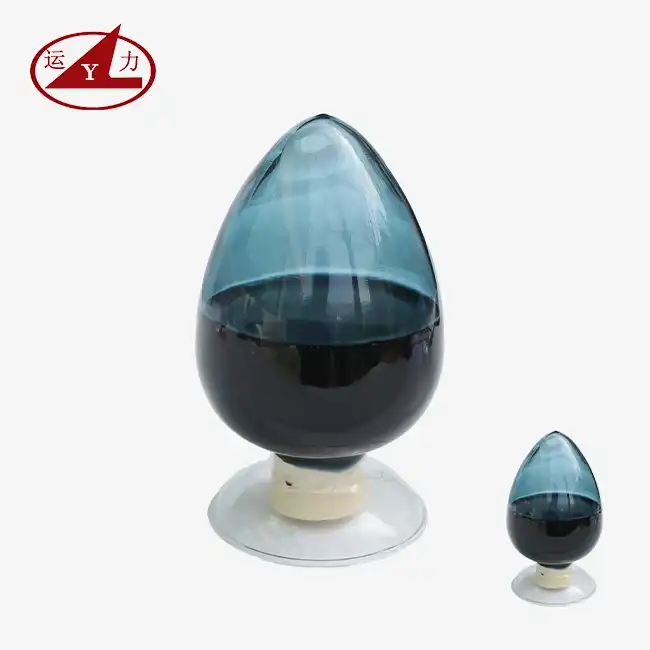
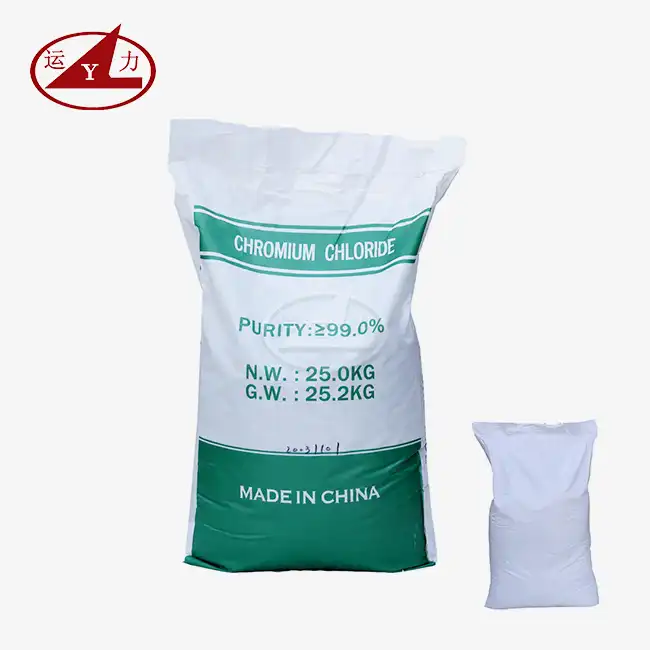
Chromium Chloride Hexahydrate (CrCl3·6H2O) acts in industrial settings based on its chemical structure. This hygroscopic material easily takes water from the air and melts at 86 to 90°C. Its molecular weight is 266.45 g/mol, and it can make acidic solutions that are dangerous in many ways. The chemical has a relative density of 2.76 and dissolves easily in water, ethanol, and acetone. These properties make it more dangerous to come into touch with during mixing, catalyst preparation, and electroplating bath formulation.
Routes of Exposure and Health Impacts
Inhalation is the main worry when working with powders or when aerosols form during heated tasks. Irritation of the respiratory tract shows up quickly, with workers experiencing coughing, chest tightness, and pain in the nose. Long-term or high-concentration exposure can cause more serious breathing problems, especially in places that don't have enough air flow, like labs and smaller electroplating shops.
Crystalline substances and water-based treatments can both irritate, redden, and cause eczema in certain areas of the skin. Because dissolved forms are acidic, these effects are made worse, and chemical burns could happen if amounts are higher than normal industry standards. When purchasing materials for cloth dying, purchasing managers should be aware that workers who don't have enough barrier protection have had sensitization reactions after being exposed to low levels of the dye over and over again during mordant preparation.
Accidental ingestion is less likely to happen in controlled settings, but it can still cause major stomach problems like sickness, vomiting, and abdominal pain. This way of getting exposed usually happens when dirty hands touch food or drink containers. This shows how important it is to follow strict cleanliness rules along with wearing PPE. If you get dust or splash droplets in your eyes, they can become very irritated, hurt your lens, and even make your vision worse in the long run if you don't get medical help right away.
Critical Safety Data Insights
According to GHS guidelines, safety data sheets for high-purity grades list the levels of danger. The chemical comes with notes that it can corrode or irritate skin (Category 2), cause major eye damage (Category 1), and make the lungs more sensitive. Technical engineers and supply chain managers can set up the right control hierarchies that meet OSHA and REACH standards for operations in Europe when they understand these groups.
Key Personal Protective Equipment for Safe Handling
To choose the right safety gear, you have to match the right gear to the different types of risk that happen in different workplace settings. The following groups make up the basic safety measures for workers when Chromium Chloride Hexahydrate is being used.
Eye and Face Protection
Safety goggles with indirect airflow offer basic protection when working with crystalline materials in normal tasks like moving, weighing, and packing. These units keep dust from getting to the eye surfaces while letting just enough air move to keep the lenses from fogging up during long wear times. Technical experts who are in charge of manufacturing lines for catalysts should make sure that the goggles they use meet ANSI Z87.1 standards and have chemical splash ratings.
Face shields are needed when working with concentrated solutions, mixing batches in open vessels, or maintaining electroplating systems, all of which increase the risk of splashing. When full-face shields are worn with goggles, they offer extra protection against both force and chemical contact. When working with the customizable pH ranges (4.0–6.5) that certain makers offer, this better method is especially important for tasks that involve hot solutions or changes to an acidic bath.
Hand and Skin Protection
If the thickness of your nitrile gloves is 0.4 mm or more, they are very resistant to Chromium Chloride Hexahydrate solutions that are used to make pharmaceutical intermediates and pottery glazes. Breakthrough time for good nitrile formulas is longer than six hours, which is long enough to protect workers during a normal shift. Instead of using general chemical resistance charts, procurement teams should make sure that glove providers give them absorption data that is specific to trivalent chromium compounds.
Neoprene or butyl rubber gloves are better options for situations where you will be submerged for a long time, like when maintaining an electroplating bath or dying a lot of clothes at once. These materials don't break down easily when they come into contact with the acidic liquids that Chromium Chloride Hexahydrate dissolves in. Extended cuff designs stop solution from moving when working above or when moving bulky materials in IBC barrels.
For scientific work and quality control tests, lab coats made of polyester-cotton mixes that have been treated with chemical-resistant finishes are sufficient. Full chemical aprons made of PVC or treated fabrics protect the chest and legs while drum emptying, solution preparation, and spill response are done in production settings that handle large amounts of chemicals. Customizable packing options, such as 25 kg bags and IBC containers, affect the choice of PPE based on the type of material and how often it will be handled.
Respiratory Protection Requirements
Dust masks with ratings of N95 or FFP2 are good for short-term exposures like sampling or small-scale lab production. These one-time-use tools collect the dust that is made when you scoop up crystalline material or test the shape of powder. But processes that make long-lasting dust clouds or work with materials that have an iron content of less than 30ppm need higher levels of protection to keep workers from becoming sensitized.
Half-face respirators with P100 filters or organic vapor/particulate packs work well in production settings where there is both dust and the possibility of vapor exposure at the same time. Electroplating companies that use Chromium Chloride Hexahydrate instead of hexavalent chromium systems that are compliant with RoHS regulations should set up respirator programs with fit tests and cartridge replacement plans that are in line with what the maker suggests.
When there are emergencies like large spills, cleaning tanks in tight spaces, or times when ventilation alone isn't enough to keep the air concentrations under control, supplied-air respirators or self-contained breathing equipment are required. Based on real-time air tracking data, safety managers should set clear boundary limits that will lead from a filtering facepiece to supplied-air protection.
Protective shoes that are resistant to chemicals keep your feet from getting exposed during spills or when going through areas that are contaminated. Steel-toed boots with PVC or rubber uppers protect against both physical damage and chemical leakage. This is especially important in places that work with large liquid formulations or custom aqueous solutions that come in different amounts.
Supplementary Safety Measures
With good airflow systems, airborne amounts are lowered, so you don't need to wear as much respiratory protection. Placed near areas where dust is created, like when bags are being emptied or powder is being dispensed, local exhaust air traps the dust before it gets into the breathing zone. General dilution ventilation keeps the air quality in production areas at a good level. The rate of air change is determined by how much material is being processed and how the process equipment is set up.
Handwashing stations, safety showers, and emergency eyewash stations must be placed within 10 seconds of journey time from places where things are handled. When PPE fails or there is an accident involving exposure, these devices are very important for cleaning. Workers can find and use emergency tools quickly and easily in high-stress scenarios if they practice regularly.
Comparing Safety Standards and PPE Quality for Chromium Chloride Hexahydrate
Different places have different rules about how to handle Chromium Chloride Hexahydrate, which makes it harder for international procurement teams to get the materials and safety gear they need for activities around the world. Knowing these differences helps you make choices that combine the need to follow the rules with the need to get things done.
Regulatory Framework Overview
OSHA sets the maximum levels of chromium compounds that workers in the US are allowed to be exposed to. They pay special attention to telling the difference between trivalent chromium forms and dangerous hexavalent forms. Chromium Chloride Hexahydrate substances are limited to an eight-hour time-weighted average of 0.5 mg/m³ by current rules. Before depending only on PPE, compliance needs to be met by tracking the atmosphere, keeping records of exposure assessments, and putting in place technical controls.
The REACH rules that guide the trade of chemicals in Europe require registration dossiers that show safe use methods for Chromium Chloride Hexahydrate at different tonnage levels. Suppliers of materials to customers in the EU must provide detailed safety data sheets that include exposure scenarios, risk management measures, and PPE standards that are specific to the uses of the materials. These uses include making catalysts, treating surfaces, and making pharmaceutical intermediates. Manufacturers with Provincial-Level Enterprise Technology Center approval and ISO certifications make it easier for European buyers who need audit trails and quality paperwork to make sure they are following the rules.
Minimum requirements for eye protection, gloves, and respiratory equipment sold in North America are set by ANSI guidelines for PPE effectiveness. The Z87.1 standard covers eye and face protection, Z89.1 covers protected clothing, and Z88.2 covers respiratory protection. These standards include testing procedures that make sure equipment works well when exposed to chemicals. Instead of trusting vague promises of chemical resistance, procurement managers should make sure that PPE providers include these standards in their product specifications.
Industrial Grade Versus Laboratory Grade PPE
Lab-grade safety gear made for analytical work and small-scale synthesis puts comfort, agility, and low cost at the top of its list of priorities for occasional use. Gloves with smaller sizes let you handle lab glassware more precisely, and safety glasses with lighter frames are good for long periods of time spent working at a desk. This type of equipment works well for working with very pure materials (As/Pb <2ppm) in study or quality control tests that need to work with grams of material.
When industrial-grade PPE is made for work settings, it focuses on long-lasting protection against long-term exposure and extended wear resistance. When moving drums, thicker gloves can handle being worn down, heavy-duty jackets can handle being damaged by chemical contact over and over, and full-face respirators can handle the higher particle concentrations that are made when large materials are processed. When a facility uses closed-loop wastewater recovery systems and handles multiple industry compliance grades, it needs PPE that can handle tough conditions for long periods of time.
Certification Verification Strategies
Verifiable approval paperwork from well-known testing facilities makes sure that safety gear does what it's supposed to do. Buyers should ask for records of the results of the EN374 permeation tests for gloves, the EN166 certifications for eye protection, and the NIOSH approval paperwork for breathing equipment. By comparing claimed performance characteristics to independent test data, you can avoid buying low-quality equipment that could fail during critical exposure situations.
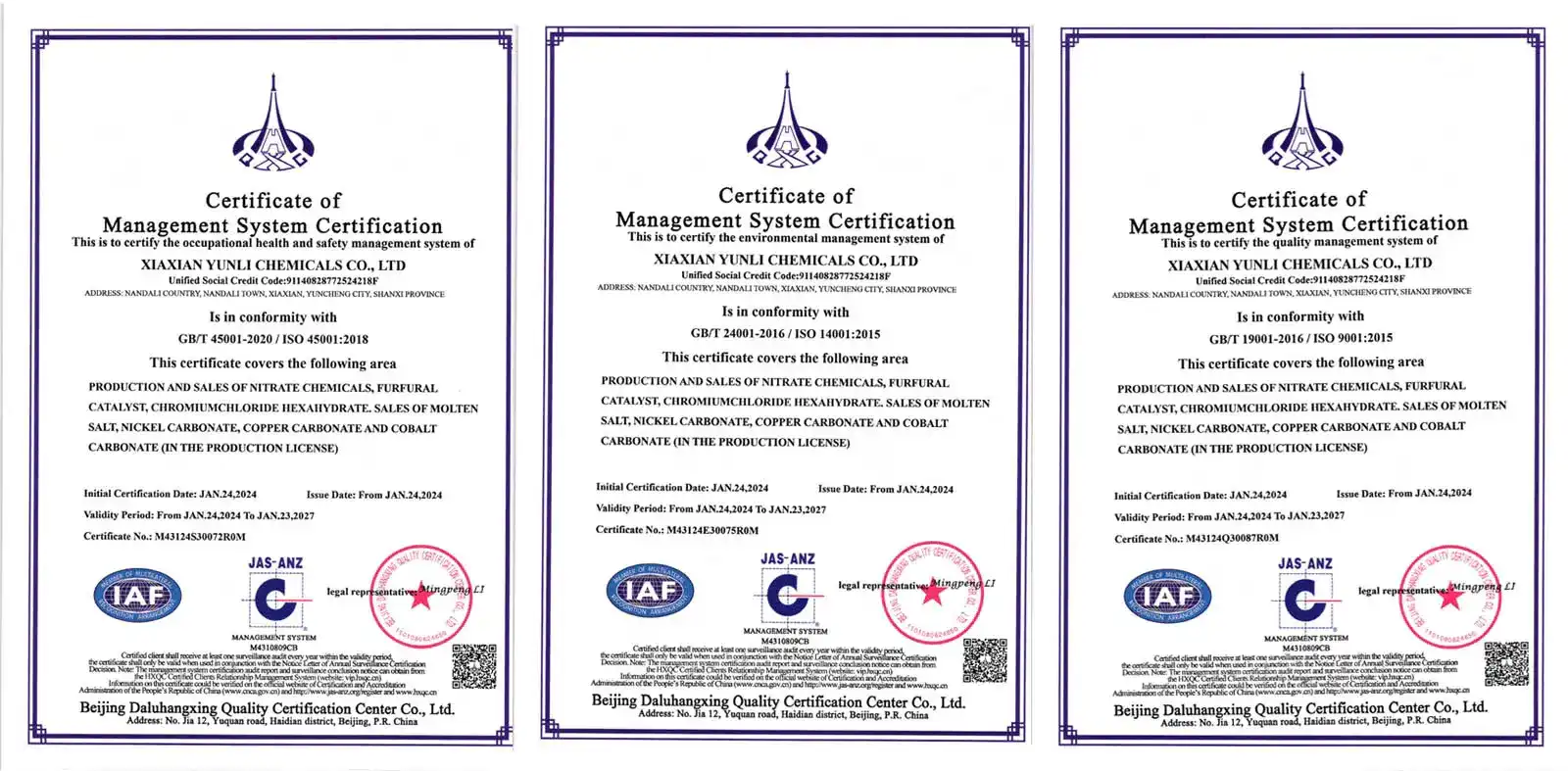
Supplier qualifications like ISO 9001 quality management approval, Occupational Health and Safety System recognition, and environmental management validation show that the company is committed to delivering products consistently. Manufacturers with twenty years of production experience, a sales capacity of RMB 1 billion per year, and the status of provincial technology center give buyers more trust in the security of the supply chain and the expert help they need for long-term relationships.
Best Practices for Storage and Handling to Minimize PPE Dependence
Strategic storing methods and improved handling procedures lower the amount and frequency of exposure to Chromium Chloride Hexahydrate. This means that organizations can use less PPE while still improving safety overall. The first level of the exposure control system is made up of these technical and administrative controls.
Optimal Storage Conditions
Because Chromium Chloride Hexahydrate absorbs water, it needs to be stored in places that keep the relative humidity below 60% to keep it from caking and breaking down. Warehouses with climate control or chemical storage rooms with dehumidification systems keep the quality of the materials and reduce the amount of dust that is made when containers are opened. Temperatures between 15°C and 25°C keep the crystal structure stable and stop early breakdown that could release annoying gases.
The choice of container has a big effect on the safety of handling and the purity of the material. High-density polyethylene drums with gamma-sealed lids keep moisture out during storage times that last for months at a time. This is especially important for facilities that keep a strategic collection of different morphology types that can be customized. Intermediate bulk containers are a cost-effective way for high-volume users in the electroplating and catalyst production industries to store a lot of materials. However, they need to be properly grounded during transfer operations to keep static electricity from building up and starting fires in small areas.
Safe Handling Protocols
Designated transfer areas with local exhaust airflow focus activities that create dust in controlled areas where air quality is monitored and stricter PPE rules apply. Setting up these separate areas keeps general production areas from getting contaminated and makes it easier to clean up and get rid of settled dust before it becomes a breathing danger.
Standardized operating procedures for everyday jobs like cutting bags, decanting drums, and making solutions cut down on the variation that can cause exposure incidents. Written rules that explain how to choose the right tools, the right order of material flow, and the right steps for proof help temporary workers and new employees do their jobs safely without having to go through long training times. Companies that work with pharmaceutical intermediates that need to meet certain standards (As/Pb <2ppm) should set up batch tracking tools to make sure that the material can be tracked all the way through the supply chain.
Closed-system transfer equipment, like drum pumps, vacuum conveyors, and protected weigh stations, get rid of the need for open handling, which spreads particles into the air. Even though these systems cost money to set up, the lower level of pollution in the air often means that less breathing protection is needed. This makes workers more comfortable and lowers the annual cost of PPE. When using closed-transfer systems, facilities that buy materials with iron content standards that can be adjusted to ≤10ppm have more reliable pumps and need less upkeep.
Emergency Response Preparedness
Spill reaction kits placed in strategic places around handling areas allow for quick control before the material spreads to larger areas of the floor. Kits should have neutralize agents, non-sparking tools, absorbent materials that can work with acidic solutions, and trash cans that are labeled for getting rid of chromium compounds. Response methods written in a clear place near storage areas help workers remember the containment steps even when there is a stressful event.
Protocols for communication between floor staff, emergency reaction teams, medical facilities, and environmental compliance officers make sure that the right experts get to scene of incidents quickly. Having the contact information for suppliers who give technical support, including factory-direct sellers with self-operated export capabilities, makes it easier to get help quickly when materials behave or react in ways that aren't expected.
Procurement Considerations for Chromium Chloride Hexahydrate and Related Safety Gear
Strategic sourcing decisions for Chromium Chloride Hexahydrate balancing quality, compliance documentation, and supply reliability enable organizations to maintain safe operations while optimizing total cost of ownership. The following factors guide procurement professionals toward supplier relationships supporting long-term business objectives.
Evaluating Chemical Suppliers
Specifications for purity have a direct effect on both how well a product works and how safe it is. Ultra-low impurity formulations with an iron content of 30ppm or less keep the catalyst from deactivating in hydrogenation applications and stop particles from forming in electroplating pools that could affect the regularity of the coating. Suppliers whose specs can be changed, such as lowering the iron content to ≤10ppm, show technical flexibility that is useful for customers who need import replacement goods that meet strict international standards.
Compliance paperwork completeness is what sets professional chemical makers apart from commodity sellers who don't have direct control over production. Full MSDS packages, certificates of analysis for each batch, and environmental compliance attestations make things easier for buyers by reducing the amount of work they have to do and giving them documents that are ready for audits and meet the needs of corporate governance. Manufacturers who are approved by ISO 9001, ISO 14001, and OHSAS give documented quality management methods that lower variation from lot to lot, which makes planning production harder.
Supply stability considerations include production capacity assessment, raw material sourcing diversity, and logistics infrastructure robustness. Suppliers operating facilities with fixed assets exceeding RMB 300 million and annual output supporting RMB 1 billion in sales demonstrate financial strength and operational scale reducing supply disruption risk. Established makers with combined production capabilities that offer over 60 different types of nitrate offer one-stop purchasing benefits, making it easier to handle vendors and lowering transaction costs.
PPE Sourcing Strategies
By matching PPE requirements to chemical danger ratings, you can be sure that you are properly protected without having to buy too much equipment, which would raise costs for no reason. Instead of thinking that general nitrile grades are enough protection, when choosing gloves, you should look at permeation data that specifically deals with Chromium Chloride Hexahydrate solutions at concentrations that match the real use conditions. The choice of respiratory equipment must be based on data from tracking the atmosphere that was taken under typical working conditions. These conditions include dust levels during bag dumping and vapor concentrations near hot electroplating baths.
Integrated sellers that offer both chemical goods and PPE that works with them make the buying process easier and make sure that the materials and PPE are technically compatible. This method works especially well for traders and sellers who want to focus on service quality and low costs across multiple product lines. Bundled purchasing agreements may allow you to get bulk savings while lowering the administrative costs of handling multiple vendor relationships.
Global Procurement Optimization
Different types of buyers have different cash flow needs, so flexible payment terms can meet those needs. Customers who have paid in the past can ask for longer terms, which lowers the need for working capital. On the other hand, suppliers usually start new relationships with advance payment or letter of credit agreements to protect their interests. When suppliers are being qualified, it's important to talk about financial arrangements in a clear way so that there are no mistakes that could stop the flow of materials.
International shipping skills, such as knowledge of how to properly record dangerous materials, clear customs, and coordinate freight forwarding, are what set providers that can help international businesses apart. When manufacturers run their own export businesses, they don't have to pay markups to middlemen. They also keep direct lines of contact open for technical help and order changes. Free samples of up to 500 grams allow for full qualification testing before committing to bulk sales or long-term supply deals.
Minimum order number rules have a big effect on how much it costs to keep goods and how flexible you can be when buying things. Suppliers with low or no MOQ requirements serve customers who need a variety of products in smaller quantities. This is especially helpful for wholesalers who are in charge of a wide range of customers. On the other hand, buyers who combine purchases into bigger regular orders may be able to get better prices because longer production runs of standard specs make factories more efficient.
Customization options like different packing formats (25 kg bags, IBC containers, bulk liquid), adjusting concentration for water-based solutions, and private marking services make the product more valuable for buyers who are trying to reach specific groups of people. Technical support resources, such as working together on R&D to make unique formulations and helping to improve processes, set strategic partners apart from transactional providers.

Conclusion
To keep people safe when they are dealing Chromium Chloride Hexahydrate, you need to use a combination of technical controls, administrative methods, and the right PPE. Chemical-resistant gloves, eye protection, breathing gear, and protected clothing that is right for the exposure situation are the basics of safe work in electroplating, making catalysts, and processing textiles. Choosing providers that offer high-purity materials and full compliance paperwork, along with PPE buying strategies that take into account real working conditions, improves both safety performance and the ease of purchase. When companies use complete safety programs, the number of incidents goes down, but they still have the operating freedom they need to meet the needs of demanding industrial customers.
FAQ
Q1: What PPE is mandatory for handling chromium chloride hexahydrate?
A: Chemical-resistant gloves (nitrile or neoprene), safety masks with side covers, lab coats or chemical aprons are all things that must be worn. When dust levels are higher than the safe levels for workers or when airflow isn't good enough, respiratory protection is needed. Face covers are used in addition to masks when making solutions and keeping the electroplating bath clean.
Q2: How do I select appropriate gloves for chromium chloride exposure?
A: Pick gloves based on results from tests that measure how permeable Chromium Chloride Hexahydrate chemicals are at amounts that are safe for work. Nitrile gloves with a thickness of 0.4 mm are good for everyday tasks, but neoprene or butyl rubber gloves are better for long-term soaking. Make sure that breakthrough times are longer than the expected touch time, and check the gloves before each use.
Q3: Are respiratory protections always necessary when working with this chemical?
A: The need for respiratory protection depends on the amounts in the air and the length of the job. N95 masks are good for short exposures like sampling, but half-face respirators with P100 screens may be needed for long-term production work. During emergencies or work in tight spaces, supplied air equipment is needed.
Partner with Yunli Chemical for Premium Chromium Chloride Hexahydrate Supply
Getting Chromium Chloride Hexahydrate from a reputable company turns safety rules from things that need to be followed into things that give you a competitive edge. Yunli Chemical provides material for industry and medicine that is at least 99.5% pure, has an iron level of less than 30 parts per million (ppm), and comes with all the paperwork needed to meet REACH and OSHA standards. Our 20 years of production experience, ability to make 1 billion yuan a year in sales, and recognition as a Provincial-Level Enterprise Technology Center guarantee consistent quality for difficult electroplating, catalyst manufacturing, and textile dying tasks.
We offer factory-direct prices, flexible packaging options like 25 kg bags and IBC containers, and free samples of up to 500 grams so that you can fully test our products' quality. Our closed-loop wastewater recycling and full environmental standards take into account sustainability issues that are very important to current buying strategies. Get in touch with our expert team at wangjuan202301@outlook.com to talk about your requirements and find out how our manufacturer-direct method simplifies the supply chain and improves safety on the job through more consistent materials.

References
1. American National Standards Institute. (2020). Occupational and Educational Personal Eye and Face Protection Devices - ANSI Z87.1. Washington, DC: ANSI Publications.
2. European Chemicals Agency. (2019). Guidance on Information Requirements and Chemical Safety Assessment for Chromium Compounds. Helsinki: ECHA Publications.
3. National Institute for Occupational Safety and Health. (2021). NIOSH Pocket Guide to Chemical Hazards: Chromium Compounds. Cincinnati: DHHS Publication.
4. Occupational Safety and Health Administration. (2022). Permissible Exposure Limits for Trivalent Chromium Compounds in Industrial Settings. Washington, DC: U.S. Department of Labor.
5. Society for Chemical Hazard Communication. (2021). Personal Protective Equipment Selection Criteria for Inorganic Salts. Journal of Industrial Safety, 48(3), 215-234.
6. International Organization for Standardization. (2023). ISO 374-1:2023 - Protective Gloves Against Dangerous Chemicals and Micro-organisms. Geneva: ISO Standards Publication.