


Is chromium sulfate soluble in water?
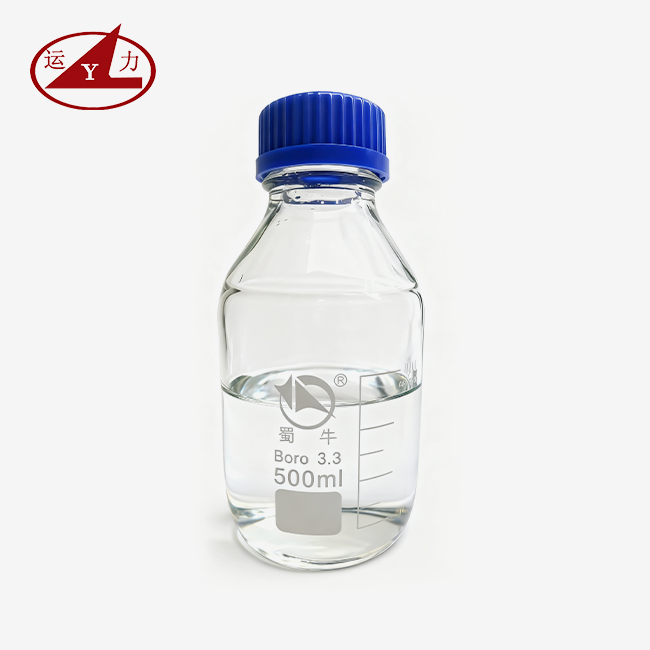
One question that procurement managers and technical experts always have when looking at chromium-based compounds for industry uses is: Does Chromium Sulfate dissolve in water? There is no doubt that the answer is yes. Chromium Sulfate (CAS 10101-53-8), with the molecular formula Cr2(SO4)3, has a high degree of solubility in water liquids, making it an excellent choice for uses that need to dissolve quickly and distribute evenly. This Trivalent Chromium molecule easily forms solid hydrates, ranging from hexahydrate to octadecahydrate, which make it much easier to dissolve in water. It is important to understand the details of this solubility behavior in order to make the best recipes for dying leather, electroplating, preparing catalysts, and making dye mordants.
Understanding Chromium Sulfate and Its Solubility
Chemical Identity and Core Properties
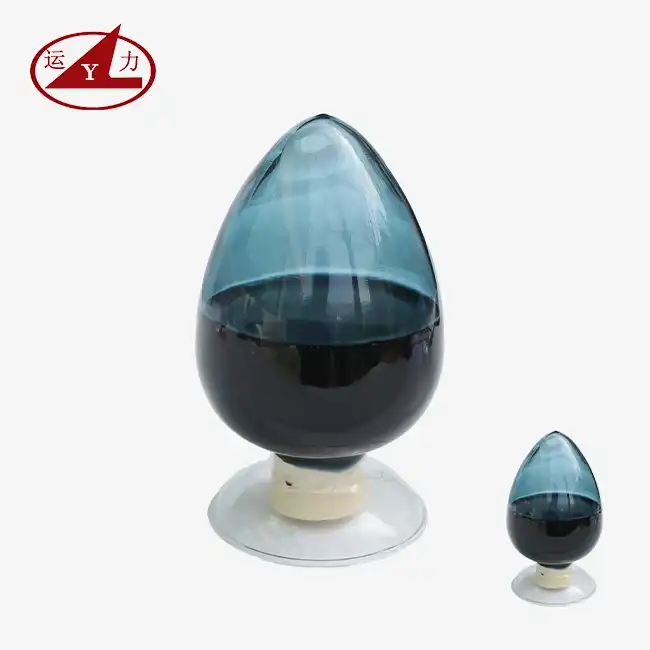
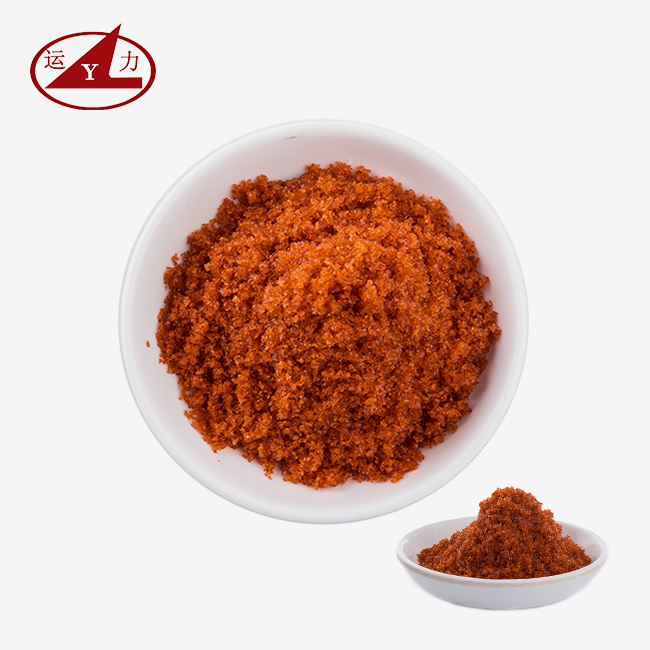
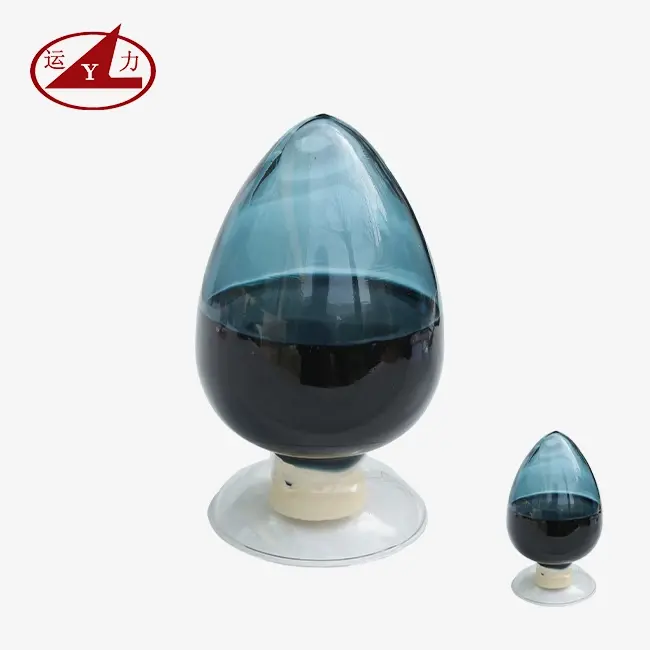
Chromium Sulfate comes in different liquid forms, and each one affects how well it dissolves in water. The molecular weight of the anhydrous substance is 392 g/mol, but most industrial grades are found as hydrates. Chromium Sulfate hexahydrate is the most common type. It dissolves easily in water and makes solutions that can be any color from gray-blue to violet-green, based on how concentrated they are and how basic they are. On the other hand, this substance doesn't dissolve well in alcohol, which limits its use in systems that aren't water-based.
Chromium Sulfate dissolves in water because it is made up of ions. When the sulfate anions and Trivalent Chromium cations come into contact with water, they break apart and form coordination complexes with water molecules. Under normal industrial settings, this hydration process keeps the ions in solution stable and stops them from precipitating. Temperature is helpful in this case; warm water speeds up the dissolving process, which is especially helpful when working with solid or powdered forms that might need more time to mix.
Primary Industrial Applications
The ability of Chromium Sulfate to dissolve becomes important for many industries. When tanning leather, the compound has to break down fully so that it can evenly enter the fibers of the hide and start cross-linking reactions that keep collagen structures stable. Uneven tanning, surface stains, and lower quality leather are all caused by incomplete breakdown. These problems have a direct effect on the value of the finished product and the happiness of the customer.
Chromium Sulfate solutions are needed to keep the content of metal ions in plating baths stable in places that do electroplating. Because the substance dissolves easily in water, the electrolyte composition stays steady. This means that the coating thickness is the same all over and the treated surfaces are less likely to rust. In the same way, companies that make catalysts need full dissolution to get uniform precursor mixes. This stops localized concentration gradients that could hurt catalyst performance during synthesis or operational deployment.
Comparative Solubility with Other Chromium Compounds
Chromium Sulfate has specific benefits related to its solubility profile, in contrast to Chromium Chloride and Chromium Nitrate, which also dissolve. When the pH changes, Chromium Chloride liquids become more acidic and less stable, which can make handling and storing them more difficult. Chromium Nitrate is very easy to dissolve, but it releases nitrate ions that could mess up some industry processes or environmental discharge standards.
Chromium Sulfate is a good mix of being soluble and being compatible with other chemicals. Its moderately acidic pH (usually 1.5–3.0 in solution) keeps equipment from rusting more than chloride-based alternatives, and its sulfate counterion doesn't do much in most commercial formulas. Chromium Sulfate is the best choice for businesses that care about both efficiency and equipment longevity.
Key Factors Affecting the Solubility of Chromium Sulfate in Water
pH Stability and Dissolution Dynamics
Changes in pH have a big effect on how well Chromium Sulfate dissolves. When the pH level is between 2 and 6, which is acidic to neutral, the substance dissolves easily, and the chromium ions stay evenly spread out in the fluid. But when the pH goes above 7, hydroxide precipitation becomes a big problem. When the solution is alkaline, chromium hydroxide forms as a solid residue. This takes chromium out of the active solution and changes the chemistry of the process.
Purchasing teams should know that keeping the pH at the right level during storage and use stops material loss and makes sure that the process works as expected. For fields that need buffered systems, choosing providers that offer pH-stabilized formulas can avoid problems further down the line. Acidic conditions usually help with breakdown, but too much acidity can speed up container rusting or make handling difficult enough that you need special storage facilities.
Temperature Influence on Solubility
Changing the temperature is a useful way to control how fast Chromium Sulfate dissolves. The time it takes to get fully uniform solutions is cut down by a large amount when you use warm water (35–40°C). It's especially important to do this in cold places or places that don't have heated process water, since normal dissolution methods may take too long.
When it's cold outside, concentrated solutions can crystallize or separate into layers. This is especially true for liquid Chromium Sulfate goods that are being shipped in the winter. Suppliers who deal with this problem by using winterized formulas or temperature-controlled transportation add real value by keeping production plans from getting thrown off. By knowing how these materials react to heat, buying managers can choose the right product types and set up storage conditions that keep materials in good shape all year.
Hydration States and Their Impact
Chromium Sulfate can be anhydrous, octadecahydrate, or any other number of hydration states, and each one has a different effect on how it dissolves. Because of the way water coordinates around chromium ions, hexahydrate forms dissolve faster than dry forms. This lowers the energy barrier for solvation, which lets them mix more quickly with water without having to be stirred for a long time.
Anhydrous Chromium Sulfate is more concentrated, so it needs to be handled carefully when it needs to be dissolved. Because it hydrates exothermically, adding it to water too quickly could cause localized heat spikes that could be dangerous or make the solution temperature uneven. Spray-dried or powdered forms lower these risks by making the particle size distribution work best for controlled breakdown. Buyers should look at these physical choices based on the safety rules and process tools they have.
Industrial Applications and Benefits of Soluble Chromium Sulfate
Leather Tanning and Cross-Linking Efficiency
Chromium Sulfate's ability to dissolve is important for the leather industry to reach the "wet blue" stage, where chromium ions enter collagen strands and create strong cross-links. When the chromium is completely dissolved, it spreads out evenly throughout the hide. This makes leather that consistently shrinks at temperatures above 100°C and has high tensile strength. Chrome streaks, weak spots, and color differences that come from incomplete dissolution make finished goods look bad.
Compared to Basic Chromium Sulfate powder, liquid versions get rid of the risk of dust exposure and shorten the time it takes to dissolve, directly addressing concerns about worker safety and operating efficiency. The liquid form works perfectly with automatic dosing systems, which lets exact chromium delivery that meets strict quality standards for the luxury goods and car upholstery markets. These practical benefits mean less waste, lower labor costs, and better accuracy from batch to batch.
Electroplating and Surface Finishing
Chromium Sulfate is the main metal source in Trivalent Chromium plating baths, which are safer for the environment than hexavalent chromium systems. Solubility has a direct effect on throwing power, which is the ability to evenly plate deep areas and complex shapes. High-purity Chromium Sulfate solutions keep ion concentrations steady, which stops localized loss that can lead to uneven coating thickness or surface flaws.
In electroplating uses, controlling impurities is very important. If there is more than 30 parts per million of iron in the coating, it can change color or form pits, which is bad for both looks and protection to rust. Ultra-low impurity grades (Fe ≤30 ppm) from suppliers improve quality, lower the number of repair jobs, and make baths last longer. This level of quality assurance is very important to companies that make electronics and aircraft parts because the performance of the coatings has a direct effect on how reliable the products are.
Catalyst Manufacturing and Chemical Synthesis
In catalyst formulas for the synthesis of methanol and hydrogenation processes, Chromium Sulfate acts as a precursor. Complete solubility makes sure that all of the catalyst components mix evenly, which stops activity differences that lower the overall efficiency of the catalyst. Stable pH during catalyst preparation stops precipitation before it happens, which lets controlled coating happen on support materials.
When making more catalysts, it's important that the chromium level and particle profiles are the same from batch to batch. Changes in solubility or contamination levels can change the location of active sites, which can impact the selection and conversion rates of chemicals that come after. These risks can be kept to a minimum by building long-term relationships with suppliers who offer assured composition tolerances. This also helps keep process costs reliable.
Environmental and Safety Considerations
When soluble Chromium Sulfate is handled correctly, it saves both people and the earth. Even though Trivalent Chromium is not as dangerous as hexavalent types, there are still limits on how much of it can be in the body. Using liquid versions lowers the risks of breathing in powder, which is in line with OSHA's and other regulatory bodies' stricter health and safety standards.
The way wastewater is treated needs to take into mind how soluble chromium is. Using alkaline chemicals in precipitation methods to get rid of dissolved chromium before release works well, but the pH needs to be carefully controlled to make sure that all of the chromium is turned into insoluble hydroxide forms. Suppliers who offer expert support for waste management methods add value beyond just delivering goods; they also help customers stay in line with environmental rules and cut down on dumping costs.

Procurement Insights for Chromium Sulfate: What Buyers Need to Know?
Evaluating Solubility-Linked Product Grades
Different market types of Chromium Sulfate have different levels of purity, basicity, and physical form, and each is best for a particular use. Chromium Sulfate that is basic (usually 33% basicity) dissolves differently than acidic types. Changes in basicity can change olation processes that are important for tanning leather. The people who work in procurement have to make sure that the grade they choose meets the technical needs while also taking cost into account.
In addition to being soluble, high-purity grades have other useful properties. Lower amounts of iron, sodium, and sulfate ions keep sensitive processes like catalyst production and high-end plating from being harmed. These requirements are most important when making materials for electronics, medicines, or other fields where small amounts of pollution can ruin the quality of the final product. Before agreeing to large-scale buying, getting certificates of analysis (COA) that confirm impurity limits sets quality standards.
Supplier Certifications and Quality Assurance
Reliable Chromium Sulfate sellers show their quality by having well-known certifications. ISO 9001 quality management systems make sure that production methods are always the same, and ISO 14001 environmental certifications show that trash is handled responsibly and emissions are kept under control. OHSAS approval shows even more dedication to worker safety, which is something that corporate buying policies that stress supply chain responsibility look at more closely.
Leading sellers are different from basic vendors because they have better technical skills. Suppliers are seen as strategic partners rather than transactional sources when they have provincial-level technology centers, modern analytical instruments (like ICP-MS and atomic absorption spectroscopy), and R&D teams that can make special formulations. These tools make it easy to quickly solve technical problems, make changes to formulations, and fix problems with applications. This speeds up product approval and cuts down on the time it takes to get new processes on the market.
Global Sourcing Strategies and Sample Evaluation
China, India, and the US are the main places where Chromium Sulfate is made, and each has its own benefits. Chinese makers often offer low prices and can be flexible with order sizes. This is because their export infrastructure is very well developed. Risks related to supply interruptions or quality changes can be reduced by judging providers based on their production size, financial stability, and export experience.
Testing samples is still necessary before making large purchases. Reliable sellers give away free samples (usually 0.5 kg) that expert teams can use to test the solubility, impurity, and process compatibility in real-life situations. During this part of due diligence, possible problems are found before they affect production plans or product quality. This keeps operations running smoothly and keeps customer relationships strong.
Storage and transportation issues go beyond the specs of the goods. Because Chromium Sulfate absorbs moisture, it needs to be packed in a way that keeps it dry. For solid forms, this means using multi-layer kraft paper with polyethylene liners, and for liquid solutions, HDPE drums. Knowing how long something can be kept (usually 24 months for solids and 12 months for stabilized solutions) helps with managing inventory in a way that keeps things from going bad and causing money loses.
Conclusion
Chromium Sulfate is widely used in industry, from coloring leather to making catalysts, thanks to its strong water solubility. By knowing how pH, temperature, and hydration state affect dissolving, buying teams can choose the right types and set up handling procedures that get the best results. When looking at process speed, equipment suitability, and environmental compliance, the compound's benefits over other chromium sources become clear. Choosing a strategic supplier and focusing on quality certifications, technical support, and consistent product specifications can turn buying Chromium Sulfate from something that needs to be done into a competitive advantage that improves operational reliability and product quality in a wide range of industrial settings.
FAQ
Does chromium sulfate contain hazardous hexavalent chromium?
Chromium Sulfate goods of high quality only contain Trivalent Chromium (Cr III), which is much less harmful than hexavalent forms. Reputable makers verify their batches using ISO 17075 testing procedures to make sure that Cr(VI) can't be found. This makes sure that the chemicals meet strict regulations for use in industry and release into the environment.
How does storage humidity affect chromium sulfate?
Chromium Sulfate absorbs water and can harden or cake up when it comes in contact with high humidity. Keeping things in dry, cool stores in cases that are tightly sealed stops them from absorbing water, which changes how they flow and dissolve. Multi-layer packing with moisture barriers keeps the purity of the product for as long as it normally stays on the shelf.
Can chromium sulfate be used interchangeably with basic chromium sulfate?
Chromium Sulfate and Basic Chromium Sulfate are chemically similar, but they are used for different things. Adjusting the basicity of Basic Chromium Sulfate makes it better for coloring leather, while normal Chromium Sulfate might need buffering agents to keep it from becoming too acidic during processing. Choosing the right form based on the needs of the application keeps the process simple and guarantees the results you want.
Partner with Yunli Chemical for Reliable Chromium Sulfate Supply
As a company that has been making things for more than 20 years, Yunli Chemical knows how to make Chromium Sulfate that meets the high standards of the electroplating, leather tanning, and catalyst industries. Our ISO 9001, ISO 14001, and OHSAS-certified facilities make sure that each batch is reliable, and the ultra-low impurity levels (Fe ≤30 ppm) keep the process from getting messed up. As a reliable Chromium Sulfate provider, we can make solid, powder, or liquid products that are exactly what your operations need. Our services are backed by provincial-level research and development and high-tech analytical equipment.
By buying directly from the plant, you avoid the markups that come from buying through middlemen. Our mature production system also keeps the supply stable. For process qualification, we offer free samples of up to 500 grams, full technical paperwork with MSDS and COA, and variable order numbers starting at 1000 kg. Our self-managed export operations make sure that your goods get to you on time and in packaging that can be changed to fit your needs. You can email our technical team at wangjuan202301@outlook.com to talk about your Chromium Sulfate needs and find out how our stable supply chain and low prices can help your buying strategy.
References
1. Kirk-Othmer Encyclopedia of Chemical Technology, "Chromium Compounds," John Wiley & Sons, 2021.
2. Covington, A.D., "Tanning Chemistry: The Science of Leather," Royal Society of Chemistry, 2019.
3. American Leather Chemists Association, "Official Methods of Analysis," ALCA Technical Standards, 2020.
4. Journal of Applied Electrochemistry, "Trivalent Chromium Electroplating: Industrial Applications and Process Optimization," Volume 48, 2018.
5. Industrial & Engineering Chemistry Research, "Solubility and Thermodynamic Properties of Chromium Sulfate Hydrates," Volume 57, 2019.
6. Society of Leather Technologists and Chemists, "Chromium in Leather Manufacturing: Environmental and Technical Perspectives," SLTC Guidelines, 2020.