


Is cobalt nitrate flammable?
Cobalt Nitrate is an important material in a lot of different fields, from making batteries to making catalysts. When buying managers and expert engineers look at chemical suppliers, safety is the first thing that comes to mind. People often get this substance's flammability profile wrong, which slows down purchases and causes compliance worries that aren't necessary. If we know that Cobalt Nitrate hexahydrate can start fires, it will change how it is kept, what insurance companies need, and how safe the workplace is.
There is important information in this book about chemical properties, risk groups, and how to choose a provider. It also explains the main question. Our goal is to clear up any confusion about the difference between oxidizing agents and flammable materials so that those who work in the supply chain can better decide what to buy. We know this because of safety rules and twenty years of working with nitrate science. It helps buying teams find a good mix between following the rules and running their businesses well.
Understanding Cobalt Nitrate: Properties and Composition
Chemical Identity and Physical Characteristics
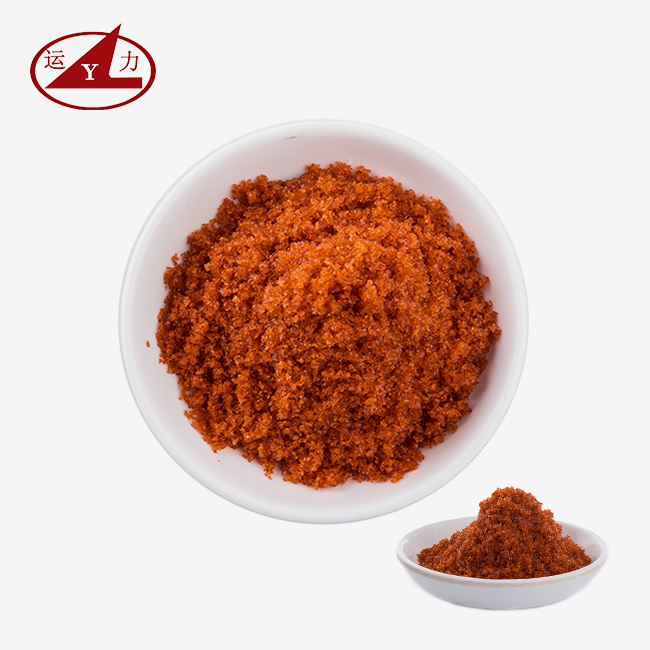
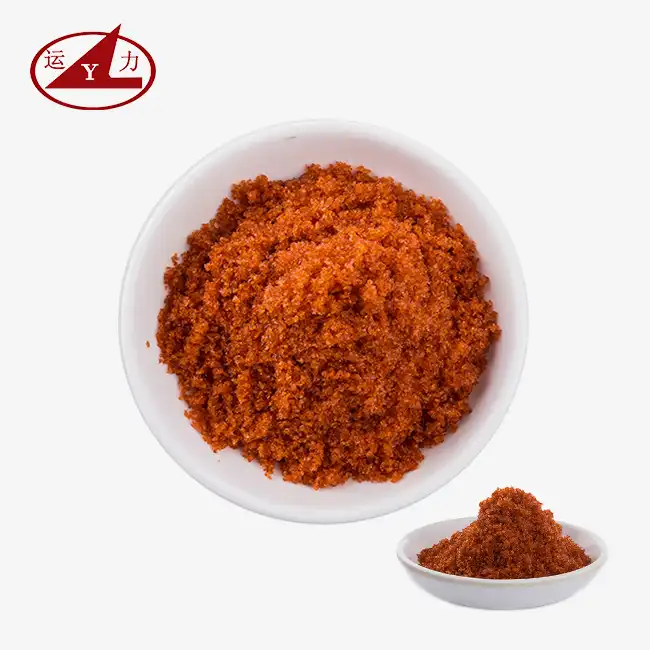
The molecular weight of Cobalt Nitrate hexahydrate, with the CAS number 10026-22-9, is 291.03. This chemical is a dark brown color and forms crystals or granules. In terms of density, it's 1.88 and its freezing point is very low, between 55 and 56℃. It easily takes in water when it comes in contact with air because it is hygroscopic. This changes how it needs to be stored and packed in a big way. It is simple for this material to dissolve in water, ethanol, and acetone. This makes it useful for many liquid-phase tasks, such as electroplating baths and catalyst impregnation processes.
Oxidizing Properties and Chemical Behavior
Because it oxidizes, this chemical is different from most things that burn. Polar waters make it easy to dissolve, but its chemical behavior rests on how well it can release oxygen when it breaks down, not on how well it can be used as fuel. Controlled oxidation processes decide the quality of the finished product, which is why this quality is useful for making clay colors and medicines. The technical teams need to know that the amount of solid water changes how the material is worked with and how the stoichiometric calculations are carried out. This is very important when making materials for battery cathodes because it makes sure that the cobalt is delivered correctly.
Industrial Relevance Across Manufacturing Sectors
One of the many things that cobalt-molybdenum systems are used for is hydrodesulfurization in the oil industry. Because it doesn't rust and follows REACH rules, this material is used in chemical conversion coats to clean surfaces. It can be used to make high-purity cobalt minerals in the electronics industry, and it can also be used to make bright blue glazes for pots. It can be used in analytical chemistry and as a pharmaceutical intermediate because it is clear enough to be used as a reagent. In many professional areas, this makes it an important tool.
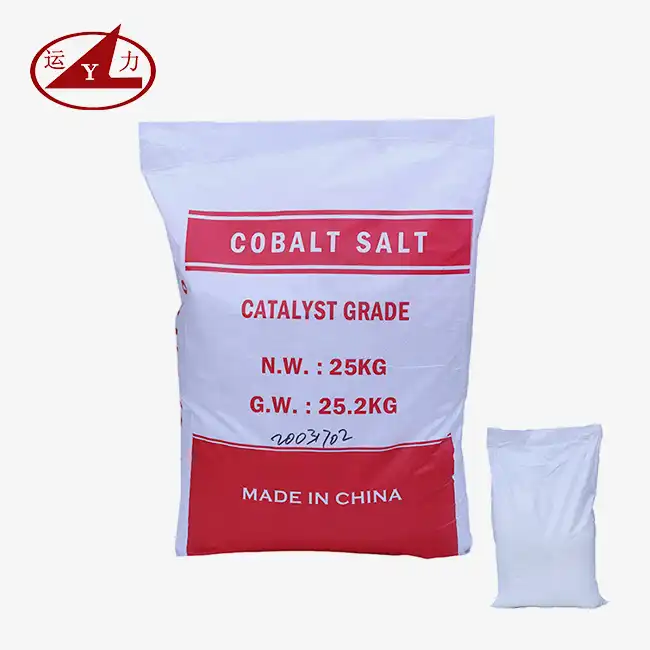
Is Cobalt Nitrate Flammable? Safety and Hazard Analysis?
Clarifying the Flammability Misconception
Cobalt Nitrate doesn't start fires or keep them going on its own. There is no carbon-hydrogen structure in the mix, which is what makes living things burning. But calling it "non-flammable" makes it less safe than it needs to be. It is very strong at burning things, so when it comes in contact with things that can catch fire, it can make them worse. If you need to decide how to handle an emergency or set up a building, this difference is very important because you need to keep organic materials separate.
Oxidizer Classification and Regulatory Standards
The rules for international movement of UN 1477 (Nitrates, manufactured, n.o.s.) say that this material is a Class 5.1 oxidizer. When sending this item, certain labels must be used, and it must be kept away from things that can catch fire when it is being stored. It oxidizes, so putting it together with wood dust, paper, or reducing agents can make strong reactions or fires start on their own. If you come into contact with organic chemicals, especially when they are hot, they can burn or explode, as shown on Safety Data Sheets.
Thermal Decomposition Risks
When it gets close to 55–56℃, the material may break down and soften, giving off NOx fumes of oxygen and nitrogen. It's hard to move things in containers that don't have climate control when it's this cold outside in the summer. Food breaks down faster when acids or bases get into it. This makes pressure build up in containers that are sealed. Temperature tracking and air systems are used in places that work with this stuff to keep harmful gases from building up, especially when they are mixing or drying things inside.
Practical Handling Precautions
Gloves that can fight chemicals, safety glasses, and masks that protect your eyesight are all necessary safety gear when working with powdered forms. It is bad for you to eat, breathe, or touch your skin with the substance because it makes nasal membranes swell. Care must be taken to sweep up the stuff so that it doesn't turn into dust as part of the spill response steps. Also, you shouldn't flush with water to stop the spread of germs. When planning for an emergency, it's important to think about how oxidizing substances work and make sure that the methods used to put out fires are right for oxidizer-fueled fires instead of the usual methods used for flammable materials.
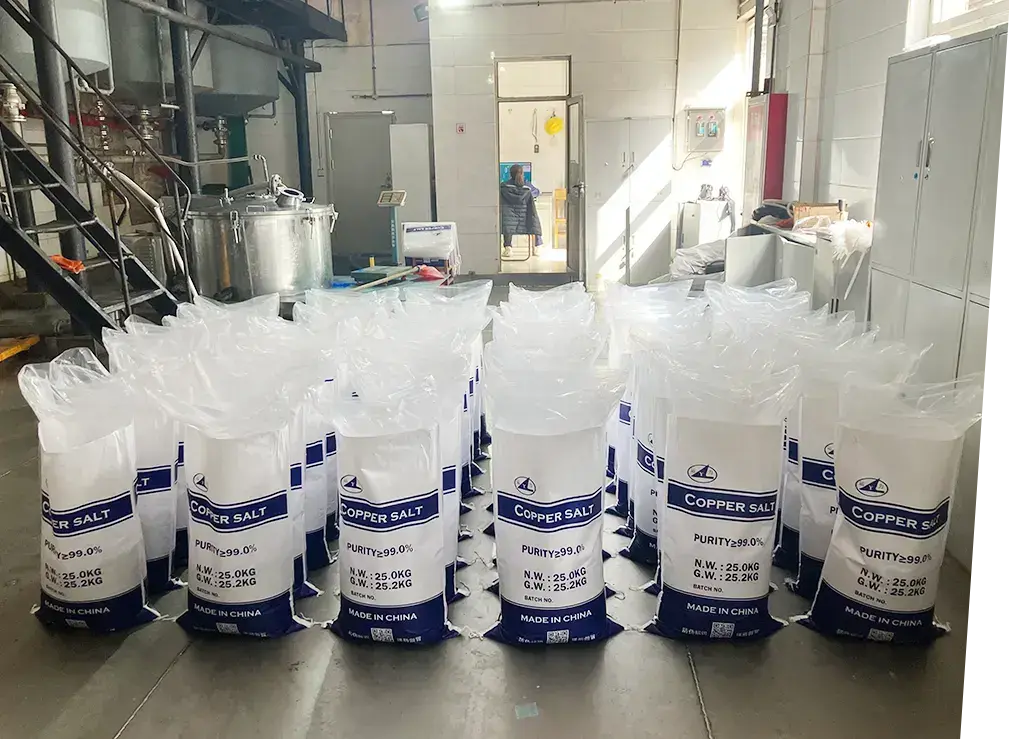
Comparing Cobalt Nitrate to Other Cobalt Salts in Terms of Safety and Application
Cobalt Chloride Versus Nitrate Forms
Several kinds of cobalt chloride can mix with water to form chloride ions that can rust stainless steel objects. Most of the time, chloride costs less, but it can be dangerous in places that need to be free of halides, like electronics factories. A lot of heat makes nitrate forms break down more quickly, leaving behind only oxides and no sulfur or chloride. This benefit is very important when making catalysts, since toxins in small amounts can damage active sites and make them less useful over time.
Sulfate Alternatives and Processing Differences
For cobalt sulfate to precipitate during the making of the battery cathode, more steps need to be taken. Some of these are making hydroxide and cleaning for a long time. Through the nitrate method, straight calcination or spray pyrolysis can be done, which speeds up the making process. But sulfate salts are more stable at high temperatures. This makes them better for processes that need to be at high temperatures for a long time. People often weigh the pros and cons of stable raw materials and how easy they are to process when they are buying something. This is because the needs of the production process determine these factors.
Application-Specific Selection Criteria
Pigment makers like Cobalt Nitrate precursors because they keep the color true. Cobalt blue pottery using Cobalt Nitrate with less than 30ppm iron pollution also stays the same color. Since electroplating methods select Cobalt Nitrate based on bath chemistry compatibility with nitrate anions, there's no need to change current manufacturing processes. When making battery materials, manufacturers evaluate Cobalt Nitrate particle size distribution and pH adjustability. Cobalt Nitrate solutions enable precise control during co-precipitation. Selecting the right Cobalt Nitrate grade for industrial applications requires more than price checking—each application demands specific purity standards that must be met.
Best Practices for Safe Storage, Handling, and Transportation of Cobalt Nitrate
Optimal Storage Environment Requirements
In climate-controlled buildings, keeping the temperature below 25℃ keeps things from getting soft and soaking water too fast. When you store things, the lids must fit tightly on top. It is best to use HDPE drums or 316L stainless steel containers that won't rust in salty places. It is recommended to keep at least 20 feet of space between burning items, which is what the NFPA says should be done. Changing the things in stock keeps them from being kept for too long, which could lead to crystal water loss or caking. When the product is used in production, it will still work the same way.
Transportation Compliance and Documentation
To send things abroad, you need to follow the IMDG Code rules for chemicals that oxidize. This means putting the right labels on the crates and keeping them away from goods that could catch fire. The paperwork must include Safety Data Sheets with information on who to call in an emergency and what to do. In cold places, solutions that need to be moved during the winter may need to be kept from freezing in containers that keep them warm. If a freight company has worked with Class 5.1 dangerous goods before, they make sure that all the necessary paperwork is done ahead of time so that customs rules are followed and travel delays are kept to a minimum.
Operational Safety Protocols
Tech controls are used in workplaces. For example, there are local exhaust air systems at transfer points and dust collection systems when powder is being handled. As a matter of course, things must be grounded before they are moved so that static electricity doesn't build up. People who work in the field learn how to spot early signs of damage, such as smells or color changes that don't make sense. It is easy to handle exposure events right away when emergency eyewash stations and safety showers are only ten seconds away from work areas.
Equipment Compatibility Considerations
Materials that work well with Cobalt Nitrate are also used to make pumps, valves, and transfer lines. Because some elastomers break down in Cobalt Nitrate solutions, we need PTFE valves and plugs for handling Cobalt Nitrate. Aluminum or mild steel shouldn't be used to make mixing tools for Cobalt Nitrate because they corrode and add metal impurities over time. Early signs of material decline during Cobalt Nitrate processing are found through regular inspections, stopping contamination that lowers Cobalt Nitrate quality and creating safety risks when equipment fails unexpectedly.
Procurement Guide for Cobalt Nitrate: Ensuring Quality and Compliance
Supplier Certification and Quality Benchmarks
Companies with a good reputation keep both ISO 9001 and ISO 14001 certifications for environmental and quality management. Being named a local or national technology center means that a business can do research and development for certain methods. To be sure, you should look at the Certificate of Analysis papers that show the patterns of impurities that were found with an ICP-MS or ICP-OES. For measuring quality, it's important to have iron level limits below 30ppm. Limits for salt and sulfate keep the process from getting messed up. Companies that let you change the pH level (between 3.0 and 5.0) show that they can adapt to different uses.
Evaluating Production Capacity and Financial Stability
The company makes more than $150 million a year and has assets worth about $45 million. This means that it is likely to stay in business for a long time and invest in new production sites. Companies that have been around for 20 years have shown that they can keep people even when the market changes. This is a sign of good performance. There are fewer chances of a supply chain breakdown when there is enough production capacity to meet quantity orders and make sure that all batches are of the same quality. Being honest about loan terms and operating capital helps people decide if they want to partner up for a long-term connection that lasts several years.
Customization Capabilities and Technical Support
Being able to get things in solid, crystalline, or liquid forms lets you do a lot of different things without having to switch tools. You can try the product out completely before deciding to buy a lot of it because you can get free samples and the minimum order size is about 25 kg. Having technical teams that can figure out how to keep solutions from getting cloudy or what the best temperatures are for calcination are for an application is valuable in and of itself. Having quick customer service and easy ways to get in touch with production scientists can help solve problems more quickly during the scale-up process.
Environmental Compliance and Sustainability Practices
There are closed-loop ways to recycle rainwater and clean up NOx from pollution, which shows that people love the environment. People who buy things can meet their sustainability goals and meet the reporting needs of stakeholders when sellers offer eco-friendly production records. You can avoid supply chain risk by watching how trash is thrown away and getting permission to handle dangerous materials. It's more possible that businesses will choose what to buy based on how open a company is about their energy and carbon footprint as environmental rules get stricter.
Conclusion
As you may know, Cobalt Nitrate is not explosive. Instead, it is an oxidizer. This information affects how to safely handle things and how to store them. Because of how it's made, the material can release air into burns to make them stronger, but it can't start a fire by itself. When purchasing managers have to choose between safety rules and quality needs, they should pick providers who show they know about science, care about the environment, and regularly meet quality standards. It needs to be moved abroad in a climate-controlled space because it doesn't freeze easily and soaks up water. When buyers compare nitrate forms to chloride and sulfate forms, they can make the process go more easily and keep workers safe. Supply chain risks can be reduced and long-term business goals can be reached by working with makers who offer clear paperwork, easy customization, and proven production capacity.
FAQ
What makes cobalt nitrate an oxidizer rather than a flammable substance?
Oxygen gets into the air when the nitrate anion breaks down. Things that are flammable around it burn faster because of this air. On the other hand, oxidizers help fires burn faster by adding oxygen to the air. This can be dangerous if they are kept near things that are organic or that reduce things.
Can cobalt nitrate ignite spontaneously under normal storage conditions?
Just make sure to keep it clean and below 25°C so it doesn't catch fire on its own. Strong reducing agents, organic solvents, or wood products, on the other hand, don't mix well. Coming into touch with these things can start exothermic reactions that can lead to fire, especially if moisture or heat speeds up the breakdown process.
What personal protective equipment is mandatory when handling this compound?
To stay safe, you should wear safety glasses with side covers, rubber or neoprene gloves that can handle chemicals, and a dust mask with a N95 rating or higher. Wearing full-face respirators and protective covers is another way to make sure that people dealing with or moving large amounts of the dangerous crystalline powder don't breathe it in or touch it.
How does purity affect safety and application performance?
Some types of Cobalt Nitrate are very pure and have less than 30ppm iron. These types stop catalytic poisoning in petrochemical uses and color change in clay pigments. Trace chloride pollution makes machines rust faster and gets into electroplating pools where it doesn't belong. To make sure that results can be repeated and meet high quality standards, electronics and medicines need materials that are made for reagents.
Partner with Yunli Chemical for Reliable Cobalt Nitrate Supply
For more than 18 years, Yunli Chemical has been working with nitrate chemistry. They help buying managers and technical experts who put quality, safety, and supply security at the top of their list of priorities. Because it doesn't have any sulfur and the iron level stays below 30ppm, our Cobalt Nitrate hexahydrate is very clean. This is good for your industry processes. The pH level can be changed from 3.0 to 5.0, and the quantity can be solid, crystalline, or liquid. We can be sure that our goods will work with your specific needs this way.
We are an approved producer with OHSAS, ISO 9001, and ISO 14001 marks. We send full records with every package, like an MSDS and a COA. The places where we make things are eco-friendly. They have closed-loop garbage recycling systems and NOx treatment systems that go above and beyond international environmental standards. We cut out the middlemen so shipping is always on time, whether you need samples of up to 500 grams or orders for tons of the same quality. For help with your Cobalt Nitrate needs, email our team at wangjuan202301@outlook.com.

References
1. National Fire Protection Association (NFPA). "NFPA 430: Code for the Storage of Liquid and Solid Oxidizers." 2019 Edition.
2. Occupational Safety and Health Administration (OSHA). "Hazard Communication Standard: Safety Data Sheets." OSHA Publication 3514.
3. International Maritime Dangerous Goods (IMDG) Code. "Class 5.1 Oxidizing Substances." 2020 Amendment 40-20.
4. American Chemical Society. "Reagent Chemicals: Specifications and Procedures for Reagents and Standard-Grade Reference Materials." 11th Edition, 2017.
5. European Chemicals Agency (ECHA). "Guidance on the Application of the CLP Criteria: Oxidizing Properties." Version 5.0, July 2017.
6. Bretherick, L. "Bretherick's Handbook of Reactive Chemical Hazards." 8th Edition, Elsevier, 2017.