


Is cobalt nitrate a high or low melting poin?
When you talk about the weather conditions for buying drugs, you need to give clear answers. Around 55–56°C is a low melting point for Cobalt Nitrate hexahydrate (Co(NO₃)₂·6H₂O, CAS 10026-22-9). With this relatively low temperature barrier, it turns into a solid that dissolves in water and melts at temperatures just above the standard range for summer. This property is important to know because it affects how things are saved, shipped, and treated in business settings. When buying things in bulk, purchasing managers need to remember that these materials don't melt easily. This way, materials won't stick together, goods will arrive whole, and later on, they can be used to make clay colors, catalysts, and battery precursors.
Introduction
Electroplating plants, battery factories, and factories that make catalysts all need chemicals that are based on cobalt. Of these, the hexahydrate form stands out because it is so simple to work with in liquid-phase processes and dissolves so quickly in water. People who work in buying are always interested in one temperature property: what melting properties should technical experts and supply chain managers expect when they store and work with this material?
Because we work with medium-sized chemical suppliers and large-scale end-users in industry, we know that not understanding the thermal profile of cobalt salts can lead to expensive storage issues, shipping disputes, and handling that doesn't work as well as it could. With a freezing point between 55 and 56°C, this substance can melt in warm weather or when the temperature inside the building is too low. On the other hand, the acidic and water-attracting qualities make it harder to handle. This book turns technical data into useful information about how to buy things. This will help you make decisions that are good for quality, safe for supplies, and legal.
Understanding the Melting Point of Cobalt Nitrate
Defining Melting Point in Chemical Context
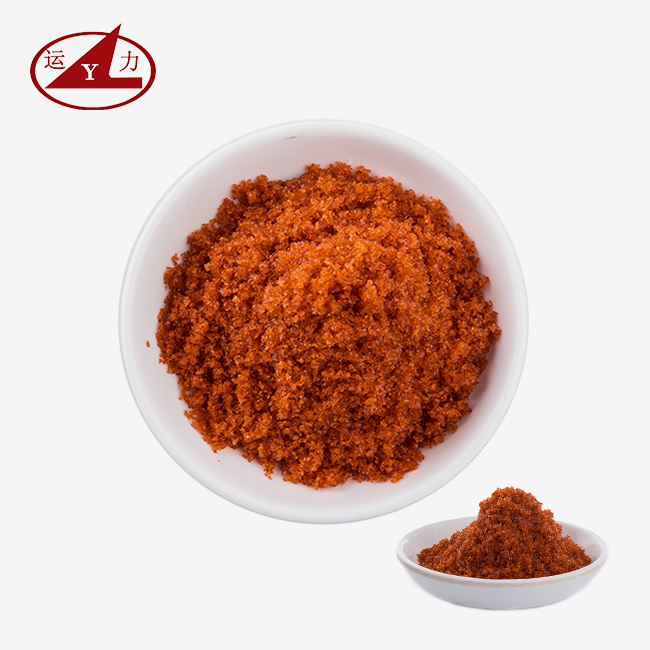
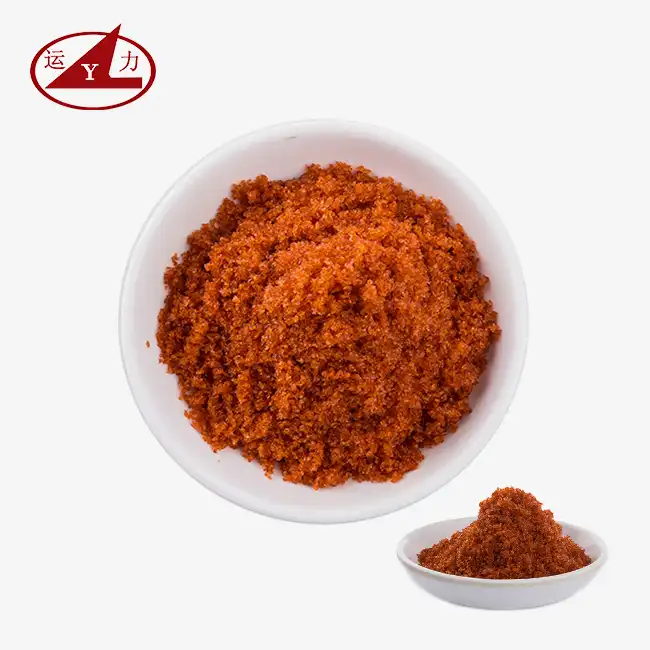
It is at the melting point that a solid changes from a solid to a liquid when the air pressure is average. In contrast to breakdown, which breaks chemical ties for good, melting is a change in the real world that can be undone. Around 55–56°C, it melts. This means that the reddish-brown crystals change into a thick liquid, but their chemical formula (Co(NO₃)₂·6H₂O) stays the same.
Anhydrous vs. Hexahydrate Forms
This kind of market comes in two main forms. In business, the hexahydrate form is most often used because it melts better and is safer to work with. It has six water molecules per cobalt ion. As long as the temperature stays between 55 and 56°C and the density stays at 1.88 g/cm³, it can be used to make water solutions. Anhydrous cobalt nitrate doesn't show up very often in B2B channels because it doesn't melt and breaks down before it does. Instead, it breaks down at high temperatures and gives off fumes of nitrogen.
Comparison with Other Cobalt Compounds
It's not like other similar materials that cobalt nitrate hexahydrate changes shape when heated. Two types of cobalt salts melt at different temperatures. Cobalt sulfate heptahydrate, on the other hand, starts to lose water around 100°C and doesn't melt all at once. Oxide of cobalt stays solid until it gets above 900°C. If you live in the southern United States in the summer, this example shows why nitrate hexahydrate needs to be kept in a more controlled setting than chloride or sulfate.
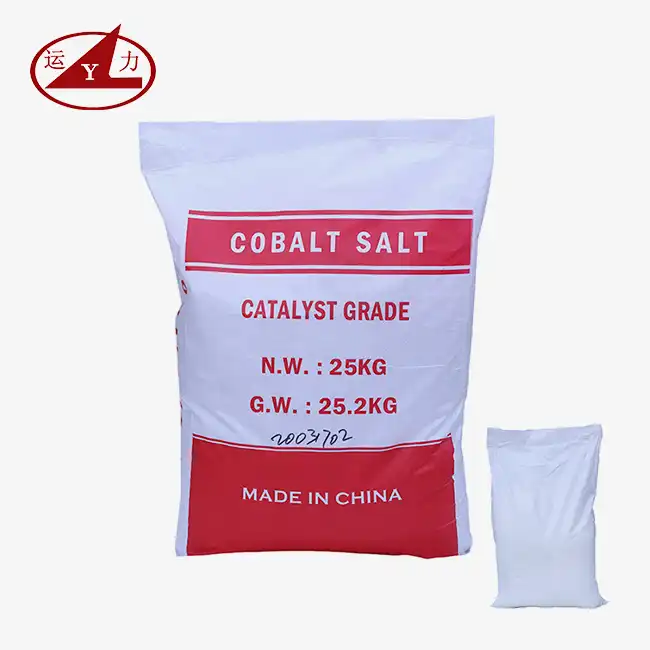
Chemical and Physical Properties Influencing Melting Point
Molecular Structure and Weight
A molecular weight of 291.03 g/mol can be found for Co(NO₃)₂·6H₂O. The shape of the crystal lattice is made up of six water molecules. The point at which it freezes is much lower than when the salts are dry. There are hydrogen bonds between these water molecules and the nitrate groups. In this way, a rigid crystalline structure is formed that melts at low temperatures.
Solubility and Phase Behavior
This chemical is very easy to dissolve in water, ethanol, and acetone (more than 100 g per 100 mL at 20°C). Because of this, it can be used to make wet impregnation catalysts and solution-based battery intermediates. There is solid water in the water, so the freezing point is lower than the boiling point. The hydration sphere gets weaker as the temperature rises. This lets the crystal break down into a liquid phase that is full of cobalt ions and nitrate anions that have been dissolved.
Thermal Stability and Safety Considerations
Things melt at 55–56°C. At 74°C, they begin to break down thermally, creating dangerous nitrogen dioxide (NO₂) gases. It only takes a short time for something to melt and then break down, so temperatures must be carefully watched during processes like thermal calcination or spray drying. The operators also need to know that the substance can oxidize. Putting flammable materials, reducing agents, or organic solvents close to each other can start exothermic reactions that can blow up or start fires. To keep things in good shape, they should be kept in covered cases away from heat sources and at or below 25°C.
Practical Implications of Cobalt Nitrate Melting Point in Procurement and Industry
Why Melting Point Matters Across Key Sectors?
In many important ways, freezing point is important, particularly when handling Cobalt Nitrate. Because it has a low freezing point, it is easier to spread the material out evenly when it comes to making catalysts for hydrodesulfurization units. Bringing the precursor solutions up to 50°C makes them more permeable without starting to break down. People who make nickel-cobalt-manganese (NCM) cathodes can melt them quickly at room temperature. This lets them keep precise control over the stoichiometry of the mixture while it co-precipitates. This is how ceramic glaze makers use temperature to keep the cobalt blue color the same during kiln fire cycles. This is because the nitrate breaks down very slowly, leaving only cobalt oxide behind.
It is used in passivation baths to coat metal with layers that don't rust. It takes less energy and produces less nitrogen oxide smog to make concentrated solutions without cooking them instead of processing salts that melt faster. So that they can choose the right purity grade and package style, buying teams need to know about these unique needs.c
Choosing Between Forms and Grades of Purity
Most industrial-grade materials are 98–99% pure and can be used to make popular catalysts and colors. Trace metal pollution can make electronic materials and pharmaceutical intermediates not work as well, so it's important to have high-purity forms that are 99.9% pure (4N grade) and have less than 30 ppm of iron. Versions that are very pure, don't contain sulfur, and have a changeable pH range (3.0–5.0) are used in battery-grade applications that need to keep impurities under tight control.
The hexahydrate form is still the best for most tasks since it is simpler to work with and keeps its water level fixed. When you mix water-based solutions in the right amounts, you get rid of the risks of dust and make volumetric dosing easier for automatic systems. But they have to do some careful math to figure out how to add the water to the final stoichiometry.
Procurement Considerations for Bulk Purchases
When choosing a supplier, give more weight to those who offer full documentation. This includes Material Safety Data Sheets (MSDS) that explain what to do in an emergency, Certificates of Analysis (COA) that list the melting point, moisture content, and impurity profiles, and environmental compliance certificates that show how to treat NOx and wastewater properly. It is very important that the packing is safe because the substance takes in water from the air. Find companies that use triple-layer plastic bags inside fiber drums or containers that have been gassed with nitrogen to get the best grades.
Extra care needs to be taken with shipping. Moving things through warm places in the summer could cause them to partly melt and then harden when they cool down. This could make them difficult to handle or even cause the product to be rejected. Top sellers use cold cases or thermally insulated packing for large goods. This is usually the case: the least amount you can buy is 500 kg to 1 metric ton. But wholesalers with open rules might be able to handle smaller amounts, like 25 kg, along with free 500-gram samples to check the quality.
When you sign a long-term supply agreement, you should include details about how to keep the goods, how long they will last (usually 24 months if they are kept properly), and how uniform each batch is. When you try a material in your production process, it costs a lot to replace it. This makes the written rights even more important.
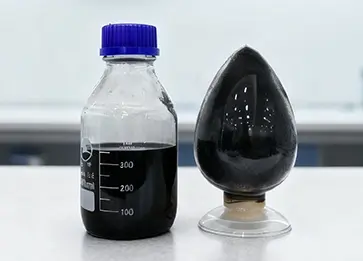
Addressing Common Misconceptions and Risks Regarding Cobalt Nitrate's Melting Point
Melting vs. Decomposition Confusion
Most of the time, people in business settings get melting and breakdown mixed up. Some people think the material is safe above 55°C as long as it stays liquid, but this is not the case. In fact, the mix is more likely to fall apart at high temperatures after freezing, mainly when the temperatures are above 74°C. When this happens, dangerous nitrogen fumes are released, and chemistry processes can't make as much cobalt. For making solutions, the right process design keeps temperatures between 20°C and 50°C. It is controlled to heat above the melting point, and it is only used for certain steps of calcination where breakdown is needed.
Safety Hazards from Overheating
When something gets too hot, two bad things can happen: dangerous fumes can get into the air, and the fire could spread. Nitrogen dioxide is released when things break down. It can really bother your lungs and build up in places where air flow isn't enough. If you spill something on clothes or surfaces that are already dirty with living matter, it can explode because it oxidizes. As per NFPA guidelines, there should be at least the minimum lengths between where cobalt nitrate is held and where explosive materials are kept. Local air ventilation and temperature-limiting controls on heating equipment should also be part of the engineering controls.
The people who work with this stuff need to be taught how to spot the first signs of thermal instability, which are smells that don't smell right and changes in color from dark brown to purple. These are all signs that the nitrate is breaking down.
Storage Best Practices for Maintaining Integrity
It is best to store containers in climate-controlled buildings where the temperature stays between 15°C and 25°C and the relative humidity stays below 60%. The containers should also be kept covered and out of direct sunshine. It can be hard to keep track of things when they absorb water because it makes them heavier and lowers the freezing point. It also speeds up the caking process. As soon as the bags are opened, they need to be heat-sealed again or put in closed cases with desiccant packets.
If you keep it in the right way, the shelf life goes up a lot, but you should still check it every time you use it. Too much wetness, hard clumps that you have to break up by hand, or coloring that looks like some decomposition are all signs that something is going downhill. First-in, first-out (FIFO) rules are used to move stock so that it doesn't sit around for too long, which increases the chance that it will go bad.
Recommendations for B2B Buyers: How to Choose and Use Cobalt Nitrate Effectively
Aligning Material Properties with Application Needs
To make sure that buy orders for Cobalt Nitrate are sent to the right people, technical experts should map out the melting point and thermal stability window against the process temperature profiles. If you want to use the low freezing point for catalyst impregnation, you need to be very careful that it doesn't break down too much when you spray dry or heat treat it. By matching purity grades to what the product will be used for, you can avoid paying too much for quality levels that aren't needed and be sure that small impurities won't make the product work less well.
If battery makers want NCM cathodes that are stable at high temps and last a long time, they should only use high-purity types that don't have any sulfur in them and have less than 30 ppm of iron. Standard industrial grades might be enough for people who make ceramics and paints, as long as the COA data shows that the amount of cobalt always stays the same.
Supplier Evaluation Criteria
You should not only look at price, but also how well companies can help with technical problems, how well they follow the rules, and how much they can make. Factory buildings that are ISO 9001, ISO 14001, or OHSAS-certified show that a company cares about quality and the environment. You can make your own formulas if you have access to provincial or national R&D centers. This is helpful when your process needs specific pH ranges, particle size distributions, or concentration needs.
You don't have to pay markups to wholesalers when you buy directly from the factory. You can also keep track of your order better and get technical issues solved faster. When sellers handle their own exports, it's easier to move goods and talk to people in other countries than when they work with third-party trade companies.
Safe Procurement and Handling Protocols
When you bring oxidizing chemicals into a country, the rules are different (UN 1477), and some trade agreements need prior informed consent (PIC) notes as proof that the rules are follow. Working with companies who know how to handle these standards will cut down on the time it takes to get clearance. Before you let big shipments come in, make sure the building has the right storage spaces that meet local fire codes for keeping oxidizers separate.
The unique qualities of this low-melting nitrate salt should be stressed in training classes for people who work in warehouses and factories. As an example, it should be kept cool and not mixed with natural things. Workers should wear respirators, gloves that can handle chemicals, and eye protection when they handle it. Things like nitrate gas burns and nitrogen oxide poisoning must be included in plans for what to do in an emergency.
Conclusion
Cobalt nitrate hexahydrate has a low freezing point of 55–56°C, which makes it hard to work with and process in many business settings. Because it is easily dissolved, oxidizes easily, and heats up easily, it is very useful for making catalysts, battery materials, and special coats. Care must be taken to keep and treat it, though. To buy well, you need to find a mix between how pure the product is and what it needs to do. You should also choose sources with legal and proven quality systems and set up temperature-controlled operations. During processing, it is important to know the difference between melting and decay so that people and property are safe. Accessing this important chemical intermediate reliably and lowering supply chain risks is possible if you work with highly skilled providers and make sure that the material specs match your manufacturing needs.
FAQ
Q1: What happens when cobalt nitrate melts versus decomposes?
A: The change that happens when something melts at 55–56°C can be undone. The chemicals don't change when crystals turn into liquids. As soon as the temperature hits 74°C, the matter starts to break down, releasing dangerous nitrogen dioxide gases. At these temperatures, the liquid state's chemical make-up stays the same. However, it becomes less stable and more likely to break down if it gets hotter or comes into contact with biological materials.
Q2: Why choose hexahydrate over anhydrous cobalt nitrate?
A: When used in solution-based processes, hexahydrate is easier to work with because it is safer to handle and melts reliably. If you boil anhydrous forms, they break down right away, so you can't use them in processes that need to work with liquids. The wet form also makes it less likely that dust will get into things like moving and weighing.
Q3: How does melting point impact battery manufacturing applications?
A: Because it has a low melting point, it dissolves quickly at room temperature. This is important for mixing with nickel and manganese precursors at the atomic level when an NCM cathode is being made. There is a direct link between this even spread and the battery's run life and temperature safety. Keeping the temperature just right during co-precipitation stops early breakdown that would add impurities that would make the electrochemical process less strong.
Partner with Yunli Chemical for Reliable Cobalt Nitrate Supply
Since more than twenty years ago, Yunli Chemical has worked with nitrate chemistry and has helped companies all over North America that make batteries, catalysts, and electrolytics. Our cobalt nitrate hexahydrate (CAS 10026-22-9) always has less than 30 ppm iron because we clean it with high-tech tools and use ICP-MS to make sure our results are correct. Since the product needs to be of good quality, this makes sure that it stays the same from batch to batch. Our company is approved by ISO 9001, ISO 14001, and OHSAS. We also do research and development at the provincial level, which lets us make custom recipes like pH-adjusted solutions, granular specs, and ultra-high-purity 4N grades.
As the direct manufacturer of cobalt nitrate, we don't have to pay markups to wholesalers. If you'd like to work with us, there are no minimum order requirements, you can get free samples of up to 500 grams to try, and we can change the packaging to fit your needs. With our closed-loop NOx treatment and wastewater disposal systems, we make sure we always follow the rules for the environment. This is clear from the fact that every sale comes with a full MSDS and COA box. Our production capacity is more than 1 billion RMB per year, and our fixed assets are worth 300 million RMB. This means that we can guarantee a steady supply even when the market is unstable.
Send our expert team an email at wangjuan202301@outlook to talk about your specific needs for shipping times, purity, and application support. At yunlichemical.com, you can see all of our more than 60 nitrate alternatives, which can be bought together. Let us show you how getting cobalt nitrate from a trusted plant can save you money and make your goods more reliable.

References
1. Greenwood, N.N., & Earnshaw, A. (1997). Chemistry of the Elements (2nd ed.). Butterworth-Heinemann. Chapter on Cobalt Compounds and Their Thermal Properties.
2. Perry, R.H., & Green, D.W. (2008). Perry's Chemical Engineers' Handbook (8th ed.). McGraw-Hill. Section on Inorganic Salts: Physical Properties and Handling.
3. Lide, D.R. (Ed.). (2004). CRC Handbook of Chemistry and Physics (85th ed.). CRC Press. Data on Cobalt Nitrate Hexahydrate: Melting Point and Solubility Parameters.
4. International Programme on Chemical Safety. (2003). Cobalt and Inorganic Cobalt Compounds: Environmental Health Criteria Monograph. World Health Organization.
5. American Chemical Society. (2016). Guidelines for Safe Storage and Handling of Oxidizing Agents in Chemical Laboratories. ACS Chemical Health and Safety Journal, Volume 23, Issue 4.
6. Zhao, Y., & Liu, M. (2019). Precursor Chemistry in Lithium-Ion Battery Cathode Manufacturing: The Role of Transition Metal Nitrates. Journal of Power Sources, Volume 412, Pages 33-48.