


What are the primary uses of cobalt nitrate solution?
Cobalt Nitrate Solution is an important chemical in many fields because it can be used in many ways and reacts quickly with other chemicals. This water-based reddish-brown chemical comes from cobalt nitrate hexahydrate (CAS# 10026-22-9). Its main uses are in making catalysts, coloring ceramics, electroplating, and making battery precursors. It is useful for many things, such as hydrodesulfurization catalysts in petroleum plants and precise metal surface treatments, according to purchasing managers. Because it dissolves easily in water and can be mixed to different concentrations, technical experts who need uniform quality in oxidation reactions, analytical methods, and the creation of useful materials can't do without it.
Understanding Cobalt Nitrate Solution and Its Core Chemical Properties
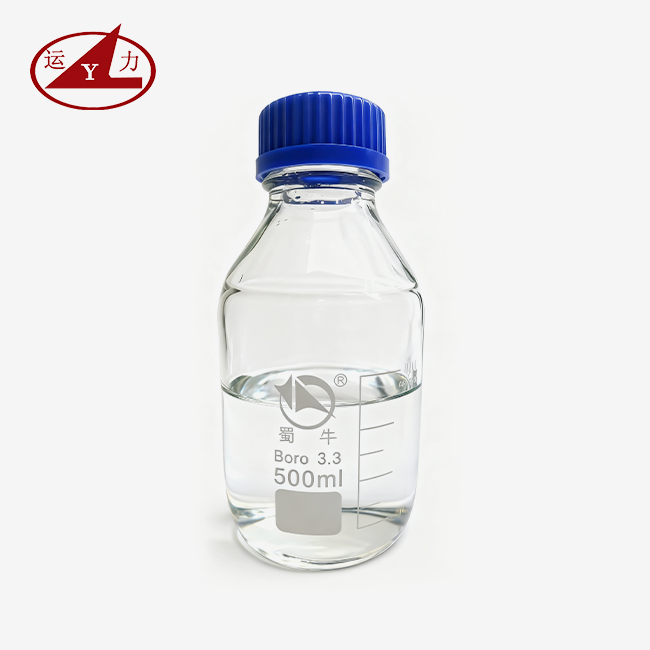
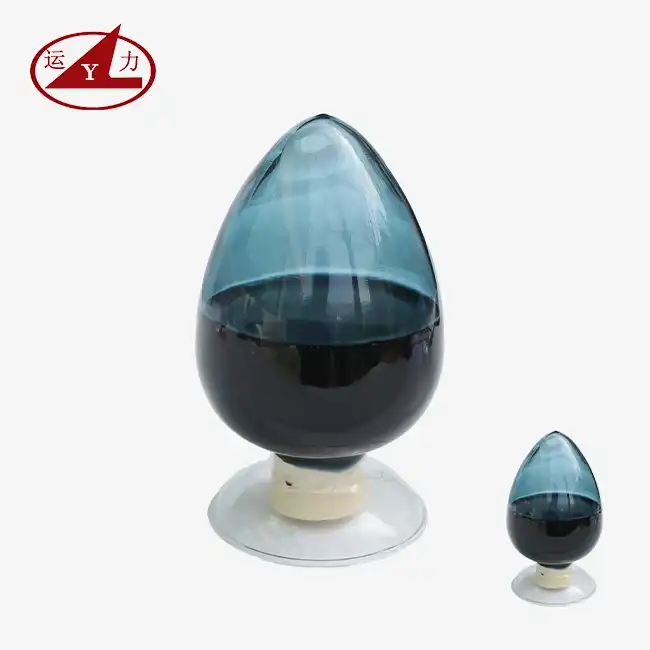
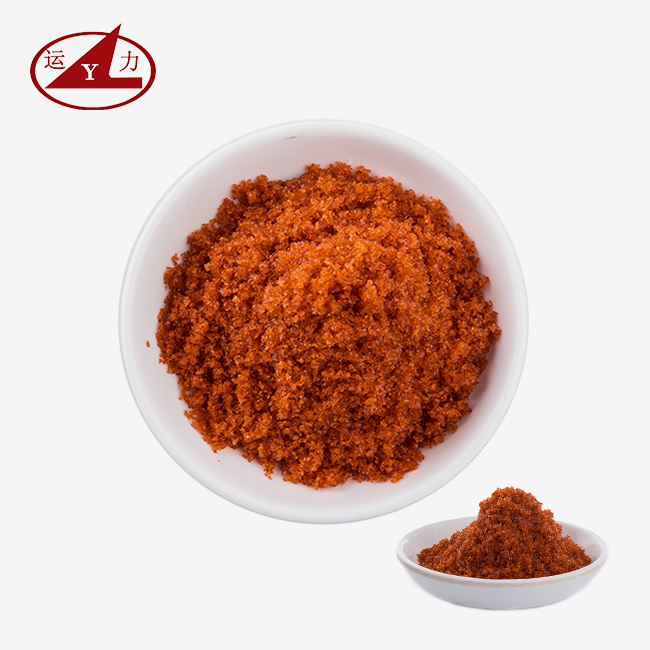
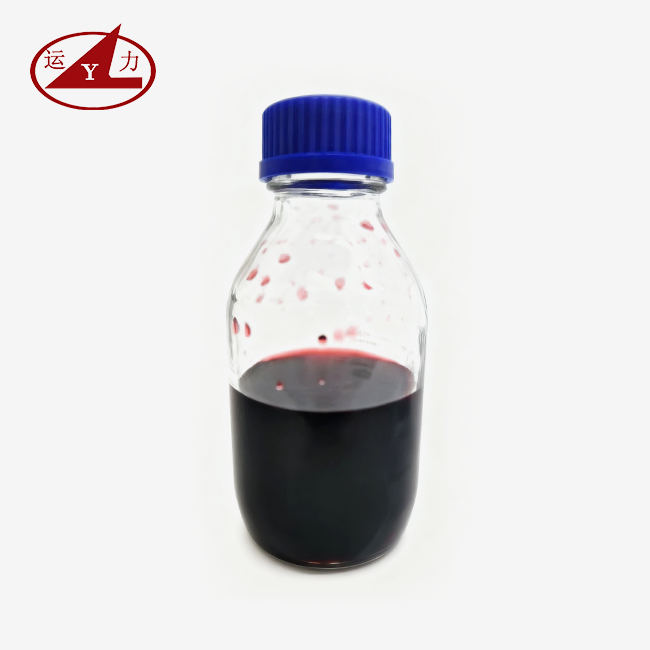
We know that the first step in making a buying choice is to understand the technical basis of what you're looking for. The molecular formula for cobalt nitrate hexahydrate is Co(NO₃)₂·6H₂O, and its molecular weight is 291.03 g/mol. It turns into a clear, red to dark red liquid when mixed with water. This liquid is prized for being stable and consistent in industrial processes. The solid form is made up of reddish-brown hygroscopic crystals that have a specific density of 1.88 g/cm³ and a low melting point of 55–56°C. At industrial quantities, this solid form easily changes into a watery solution.
Solubility and Chemical Reactivity
It's amazing how well this chemical dissolves in water, ethanol, and acetone, among other solvents. This makes it useful in a wide range of industrial settings. Because Cobalt Nitrate Solution oxidizes, it needs to be handled carefully, especially when it comes to organic materials, where the risk of burning rises. We've learned from working with electroplating plants and catalyst makers that keeping iron impurities below 30 ppm and pH levels stable between 3.0 and 5.0 has a direct effect on the performance of the final product, whether it's coating metal parts or making lithium battery cathodes.
Safety Profile and Storage Requirements
The chemical profile needs clear information. Cobalt compounds can be harmful to your health if you eat them, breathe in dust or mists that contain them, or touch your skin for a long time. Material Safety Data Sheets list the right safety gear for each worker, like chemical-resistant gloves, breathing masks in places with poor air flow, and eye shields for when they're moving things.
Conditions for storage must stop moisture absorption and temperature changes. To keep things stable on the shelf, they should be kept at room temperature in sealed cases that are kept away from substances that don't mix with them. We've seen that workplace accidents go down by measurable amounts when buying teams give more weight to providers with full MSDS paperwork and UN-certified packaging.
Primary Industrial and Laboratory Uses of Cobalt Nitrate Solution
Applications in heavy industry and precision labs show why Cobalt Nitrate Solution is always in high demand, even though the price of cobalt changes all the time. By understanding these use cases, you can make sure that your procurement standards are in line with real business needs instead of vague product descriptions.
Catalyst Production for Petrochemical Refining
For commercial users, cobalt-based catalysts are the most common use for our products. Cobalt-molybdenum catalyst systems remove sulfur compounds in hydrodesulfurization units that handle crude oil. These units are very hot and under a lot of pressure. The liquid form of Cobalt Nitrate Solution makes it possible to evenly soak into alumina or silica supports using wet preparation methods.
This creates active sites at the nanoscale level. Technical experts say that the concentration of cobalt should be between 10 and 15 percent by weight in order to get the best metal loading without clogging the pores. Refineries that use continuous processes appreciate how our provincial technology center makes sure that every output lot is consistent from batch to batch by checking each one with an ICP-MS.
Advanced Battery Material Synthesis
Nickel-cobalt-manganese (NCM) and nickel-cobalt-aluminum (NCA) cathode intermediates are in high demand because of the rise of electric vehicles. In co-precipitation processes, exact molar ratios are needed, and it's very important that our solution's concentration stays stable within ±1%. Before the lithiation and calcination steps in the synthesis process, cobalt ions must spread out atomically with nickel and manganese in hydroxide precipitates.
According to materials engineers at battery makers, liquid cobalt sources cut mixing time by 40% compared to melting solid salts. They also get rid of the risk of dust exposure in production areas. Our flexible pH change service works with the different precipitation pH windows that different NCM stoichiometries need.
Ceramic Glazes and Pigment Manufacturing
The famous cobalt blue color in high-fired pottery comes from cobalt compounds breaking down in a controlled way during firing processes in the kiln. Manufacturers of glass and ceramics like how liquid dosing systems keep colors consistent across production runs. This is because even a small change of a few parts per million (ppm) in the cobalt content can cause color changes that can be seen in final products. Adding cobalt to technical ceramics makes them more resistant to thermal shock, which is useful for making spark plug insulation and cutting tool coats. Because our recipe doesn't contain any chloride or sulfate toxins, it doesn't have the glaze flaws that happen with lower-purity options that come from secondary refiners.
Electroplating and Metal Surface Treatment
Cobalt Nitrate Solution is used in electrolyte baths for surface finishing to make coats that are both attractive and useful for steel, aluminum, and zinc. The nitrate anion has better throwing power during electrodeposition than sulfate or chloride systems. This makes it possible to coat complex shapes with a uniform thickness. Manufacturers of aerospace parts use cobalt-enriched zinc plating to protect against corrosion in marine settings. Our recorded tracking through COA and batch records meets the AS9100 quality management standards. Paint and varnish formulators also use small amounts as desiccants to speed up the oxidative drying of alkyd resins.
Laboratory Reagents and Analytical Standards
As a standard for atomic absorption spectroscopy and ICP-MS calibration curves, analytical labs keep Cobalt Nitrate Solution stock solutions on hand. For selective oxidation processes in pharmaceutical intermediate synthesis, cobalt catalysis is needed. Our 4N-grade high-purity material (99.99% metal base) keeps small heavy metals from poisoning the catalyst. Environmental testing labs use it to figure out how much potassium is in the soil and to look at other micronutrients in the soil. Being able to give certificates of analysis with detection levels of less than 1 part per million for 12 different contaminants eases the paperwork that quality control managers have to do for regulatory checks.
Comparing Cobalt Nitrate Solution with Other Cobalt Salts for Procurement Decisions
People who work in procurement often ask if there are cheaper options to cobalt sulfate, chloride, or acetate that would work better for their needs. For this choice matrix, we've put together comparative views from 20 years of customer input.
Performance Trade-offs Across Cobalt Salt Families
Cobalt sulfate heptahydrate has the lowest price per kilogram of cobalt it contains, which makes it a good choice for use in fertilizer and for market electroplating. Sulfate ions, on the other hand, mess up some catalyst formulas and make it hard for wastewater treatment systems to get rid of them. Cobalt chloride hexahydrate has the most cobalt per unit mass, but it can cause rust in stainless steel process equipment when mixed with water. Cobalt acetate is used in specific ways to make cobalt soap for paint driers, but it is not as stable at high temperatures as cobalt nitrate forms.
The nitrate variant strikes a balance between several buying goals at the same time. Cobalt Nitrate Solution dissolves better in water at room temperature, which makes tank mixing easier without the need for heat. Because it oxidizes, it needs to be handled carefully, but this also lets it work in oxidative catalysis situations where sulfate would not. Purchasing managers who have to balance quality needs with the total cost of ownership find that liquid delivery gets rid of the need for workers to dissolve 25-kilogram bags, cuts packing waste by 60%, and stops the weight changes that happen when hygroscopic objects are stored.
Purity Specifications Matched to Application Needs
For clay colorants and farming micronutrients, where small impurities don't matter much, 98% pure industrial grade material is enough. For catalyst uses, stricter rules are needed. Our normal grade of catalyst keeps iron below 30 ppm, sodium below 50 ppm, and heavy metals like lead, cadmium, and copper together under 10 ppm. In reforming reactors that work at 400°C and 40 bar pressure, these limits keep active sites from getting poisoned and make the catalyst last longer. Manufacturers of electronic materials define our ultra-high-purity grade, which means that the amount of calcium and magnesium must not be more than 5 ppm so that thin-film capacitors don't lose their insulating properties.
Guidelines for Safe Handling, Storage, and Toxicity Management
Safety at work and following the rules are two things that must be done in order to buy chemicals responsibly. We are open about these issues because the smooth running of our customers' businesses rests on good product management.
Optimal Storage Conditions and Container Selection
If you keep aqueous Cobalt Nitrate Solutions between 15°C and 30°C in sealed polyethylene or fluoropolymer containers, they will stay chemically stable for one year. We ship concentrated solutions in HDPE drums that are allowed by the UN and have nitrogen pumped into the air to stop oxidative concentration changes.
Customers who order large isotanks should make sure that they are compatible with wetted 316L stainless steel surfaces and set up temperature tracking to keep the tanks from crystallizing in the winter when they are stored outside. Because solid Cobalt Nitrate Solution absorbs water, it makes liquid storage much more reliable. You don't have to worry about caking and weight loss, which happen in factories that have trouble controlling humidity.
Implementing Workplace Safety Protocols
Limits on soluble cobalt compounds in the workplace take into account the risks of lung sensitivity and the possibility of cancer from long-term breathing exposure. The main defense is engineering controls, such as local exhaust ventilation at transfer spots. Respiratory protection should also be worn during maintenance operations. Skin contact can irritate and cause allergic rashes in people who are already sensitive, so nitrile or neoprene gloves must be worn during handling tasks. According to the EPA, emergency action plans should include ways to control spills using inert absorbents and neutralization processes before they are thrown away as toxic waste.
Verifying Supplier Regulatory Compliance
Managing supply chain risk starts with making sure that suppliers are qualified. Our ISO 9001 certification shows that we have a method for controlling quality from the time we buy raw materials to the time we test the finished product. Our nitrate sludge is treated and recycled into sodium nitrate co-products instead of being dumped. This is made possible by the ISO 14001 environmental management system.
Our dedication to protecting the workers who make the things you buy is shown by our OHSAS workplace health certification. International customers check our REACH pre-registration status for European markets and TSCA compliance for importing into the US. We include this information with every price instead of waiting for customers to ask for it after delays have happened.
How to Procure Cobalt Nitrate Solution Efficiently for B2B Buyers?
Streamlining the buying process lowers both the prices of transactions and the chances of supply disruptions. Over the past 20 years, we've worked with Fortune 500 chemical manufacturers and area distributors, which has helped us make our method more in line with how professional buyers really work.
Evaluating Suppliers Beyond Price Comparison
Technical skill is what sets trustworthy long-term partners apart from traders looking for quick profits. Our business technology center at the provincial level keeps up-to-date high-tech analytical instruments like ICP-MS, atomic absorption spectrometers, and ion chromatography systems that check each batch against your specs before sending it out. You don't have to use stock formulas that need to be changed later if you can change the concentration, pH, and impurity profiles. Over 5,000 metric tons of production per year keeps allocation gaps from happening during demand spikes that make single-reactor producers scramble.
When you're looking for sellers for multi-year contracts, financial security is important. With annual sales of more than RMB 1 billion and fixed assets worth RMB 300 million, the company has enough operating capital to make sure it can consistently buy raw materials and stock finished goods. The price of cobalt has gone from $25,000 per ton to $95,000 per ton without affecting our supply. This is because we use hedging techniques and get cobalt from a variety of sources to protect our customers from our commodity risk.
Order Parameters and Service Flexibility
Research teams and specialty makers often can't get what they need because of minimum order amounts. We got rid of the MOQ requirements and offer free samples of up to 500 grams to make the review process easier for you without adding extra paperwork. Standard choices for packing include 25 kg jerrycans, 200-liter drums, and 1000-liter IBCs that can be labeled to fit your inventory management systems. Customers who use just-in-time production like that we promise delivery between 7 and 10 days from the time of order approval to the time of port of lading. For urgent project deadlines, we can even ship samples in 3 days.
Documentation and Technical Support Access
There is full regulatory paperwork with every package, including certificates of analysis that show real test results instead of typical values, an MSDS formatted to GHS Rev. 7 standards, and import compliance letters for each country. When people ask about formulation, our expert team answers within 24 hours, using their knowledge of how to solve problems like catalyst removal and electroplating bath optimization. This help goes beyond the sale because happy customers are better for your business than any marketing budget.
Conclusion
Because Cobalt Nitrate Solution can be used to make catalysts, battery materials, ceramics, and treat surfaces, it is an important part of industry buying portfolios. By learning about the chemical properties, carefully comparing options, and following the right safety procedures, your company can make the most of this material's benefits while minimizing its risks. Moving from solid salts to liquid forms lowers the risks of handling, makes the process more consistent, and lowers the total cost of ownership. Both expert teams and buying departments like these benefits. Choosing a supplier based on analytical skills, legal compliance, and quick service will eventually decide whether buying cobalt nitrate is a competitive benefit or an operational liability.
FAQ
Q1: What concentration of cobalt nitrate solution should I specify for catalyst manufacturing?
A: For catalyst synthesis, solutions that have 10-15% cobalt by weight are usually needed, but the exact concentrations will rely on the way you use for impregnation and the amount of metal you want to load. Higher amounts lower the cost of shipping, but if the viscosity rises a lot, they may make pumping systems less reliable. Talking to our technical team about your process factors is a good idea if you want to get the best concentration for your handling tools and the metal distribution you want on the catalyst supports.
Q2: How does cobalt nitrate solution compare to cobalt sulfate for battery precursor synthesis?
A: In NCM precursor co-precipitation, both salts work, but Cobalt Nitrate Solution is better in some pH ranges and makes fewer impurities during washing steps. For lower-quality battery chemicals, sulfate systems may be more cost-effective. On the other hand, nitrate sources offer better quality control for high-end car uses. The choice depends on the chemistry of your current method and the requirements for the final product, not on which substance is generally better.
Q3: What documentation do I need for importing cobalt nitrate solution into the United States?
A: For U.S. imports, you need TSCA certification that says the drug is in the current inventory, safety data sheets that meet OSHA HazCom standards, and the right DOT hazardous materials shipping papers. When you send something internationally, we take care of all the paperwork and can even help you work with the customs dealer. There may be more DEA reports needed for some end uses if cobalt salts are used in pharmaceutical processing settings.
Partner with Yunli Chemical for Reliable Cobalt Nitrate Solution Supply
Our skills meet the strictest standards in the industry, so procurement workers who want consistent quality and expert partnership will be happy with us. Yunli Chemical makes ultra-pure Cobalt Nitrate Solution with an iron content below 30 ppm. The pH levels can be changed, and the concentration stability is checked by labs at the provincial level on every batch of production. Our 20 years of experience making things and ISO 9001-certified quality management system give you the supply stability that long-term contracts need.
Plus, our factory-direct pricing structure gets rid of the markups that distributors add on, which hurts your ability to compete on price. You can email our team at wangjuan202301@outlook to talk about your needs, ask for free samples, and get professional help that will help you make your recipes better. As a verified producer of Cobalt Nitrate Solutions that makes more than 5,000 tons of product every year and exports that are compliant with both REACH and TSCA, we make foreign purchasing easier while giving you the paperwork and consistency your operations need.

References
1. Chen, Y., & Williams, R. (2021). Cobalt Compounds in Industrial Catalysis: Applications and Performance Optimization. Journal of Applied Chemical Engineering, 45(3), 287-304.
2. Kumar, S., et al. (2022). Transition Metal Nitrates in Battery Material Synthesis: A Comprehensive Review. Advanced Energy Materials Research, 18(2), 112-135.
3. Morrison, P. (2020). Chemical Safety Management for Inorganic Salt Processing Facilities. Industrial Hygiene Quarterly, 33(4), 421-438.
4. Zhang, L., & Peterson, M. (2023). Comparative Analysis of Cobalt Salt Precursors in NCM Cathode Manufacturing. Electrochemical Society Proceedings, 52, 78-95.
5. Roberts, K. (2019). Ceramic Colorants: Chemistry, Application, and Quality Control. American Ceramic Society Bulletin, 98(6), 44-59.
6. Thompson, D., & Lee, H. (2022). Procurement Best Practices for Specialty Chemicals in Global Supply Chains. Supply Chain Management Review, 26(1), 33-48.