


Safety guidelines for handling cobalt nitrate solution in a lab
To safely work with Cobalt Nitrate Solutions in the lab, you need to follow strict rules and know a lot about chemical hazards. It is generally made from cobalt nitrate hexahydrate (CAS# 10026-22-9). Cobalt Nitrate Solution is bad for your health and safety in many ways, like making your skin more sensitive and hurting your lungs. It can also mix with air. Having the right training, the right safety gear, and clear emergency plans are all important for keeping a lab safe. Lab workers can stay safe and follow the rules in both study and business situations if they know these rules.
Understanding Cobalt Nitrate Solution: Chemical and Physical Properties
Molecular Characteristics and Composition
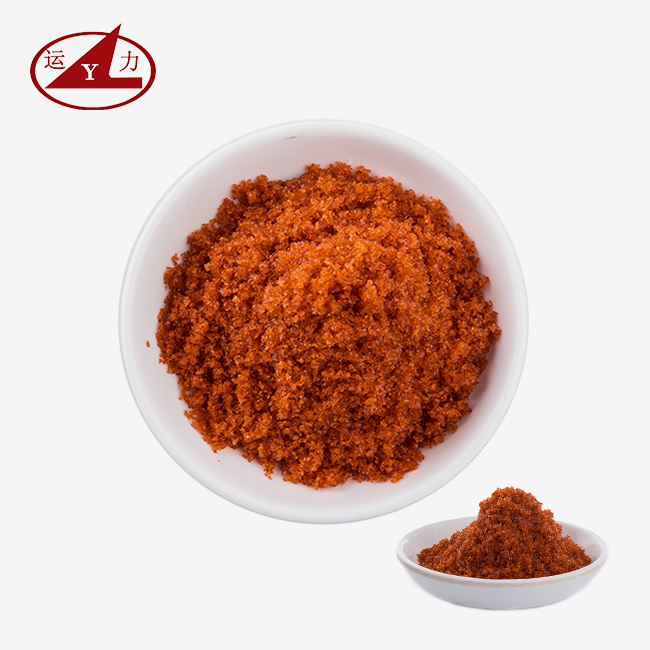
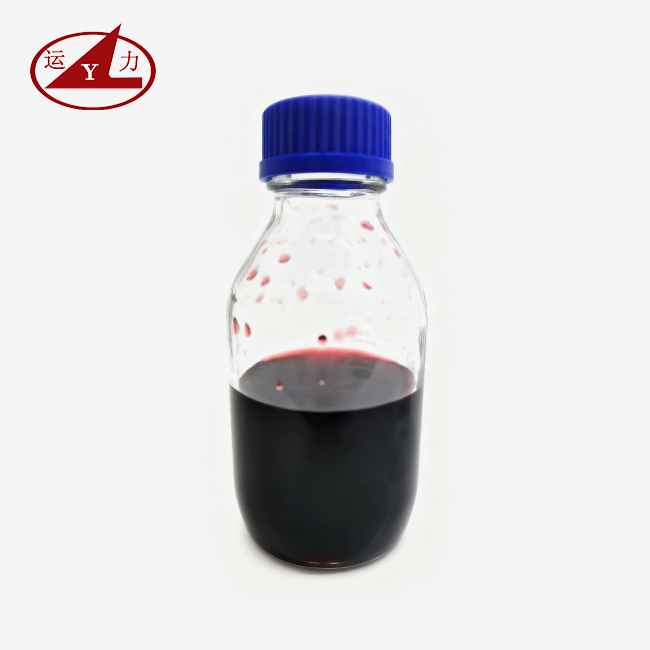
You can write cobalt nitrate hexahydrate as Co(NO₃)₂·6H₂O, and it has a molecular weight of 291.03 g/mol. It is often called Cobalt Nitrate Solution because it turns into a clear, red to dark red liquid when mixed with water. This solid is made up of reddish-brown crystals or grains that can easily take in water from the air. Because it soaks up water quickly, it needs to be handled and kept very carefully so that it doesn't get wet or dirty by chance. Buying professionals can choose the right product standards for their needs and plan ahead for possible handling problems if they know about these basic traits.
Physical Properties and Stability Parameters
The scientific description says that it has a specific density of 1.88 g/cm³ and a melting point of 55 to 56°C. The fact that this chemical is easily dissolved in water, ethanol, and acetone makes it very useful in many industrial processes, such as making catalysts, coloring clay, and electroplating. In these liquid mixes, the cobalt level stays between 10 and 15 percent by weight, and at 20 degrees Celsius, their densities run from 1.25 to 1.45 grams per milliliter. These solutions have an acidic pH level, usually between 2.0 and 4.0. This keeps them from breaking down in a way that is dangerous while they are being shipped and kept. Stable temperature is very important during shipping rounds, when rough conditions could lead to crystals or changes in concentration.
Reactivity Profile and Chemical Behavior
Because they can turn into oxygen, Cobalt Nitrate Solutions are very dangerous in the lab. Strong reactions can happen when organic chemicals, reducing agents, or burning materials come into touch with each other. This could cause fires or things to break down quickly. For this level of security, there are strict rules about how to store and handle it. The cobalt ion and the strong oxidation power of the nitrate component make people worry about heavy metal overdose. Chemical stability is still good in a normal lab setting, but safety gaps can be quickly lowered by high temperatures or substances that don't mix. People whose job it is to buy things have to make sure that buyers give them all the necessary paperwork to prove that the items they are selling are stable and compatible.
Key Safety Hazards and Risks Associated with Cobalt Nitrate Solution
Health Exposure Pathways and Toxicological Effects
Cobalt Nitrate Solution clouds or fumes can make your throat sore, cough, and even make your lungs more sensitive if you take them in. People may be more likely to get asthma and lung resistance at work if they come into touch with it a lot. Being in touch with skin is another important way for Cobalt Nitrate Solution to get into the body. These chemicals can make the skin more sensitive and cause allergic eczema, even in small amounts. The risk of becoming sensitive goes up a lot when you touch someone's skin over and over again. In business settings, people are less likely to eat it, but if they do, it can give them stomach problems, cobalt poisoning all over the body, and maybe even heart problems. Cobalt ions stay in cells and stop them from breathing. Over time, they can build up in organs. It is very dangerous for lab workers who use these solutions all the time to be around these ions for a long time.
Chemical Reactivity Hazards in Laboratory Settings
Because they oxidize, Cobalt Nitrate Solutions face a certain risk of mismatch in the lab. It's possible for things to get too hot to handle when they are mixed with chemical solvents, reducing agents, or metal dust. If you touch something flammable by mistake, you could start a fire that is hard to put out with water. It is important to keep a close eye on the mixing and addition rates during analysis procedures or catalyst preparation methods because the solution is reactive. On MSDS sheets from reputable companies, it is easy to see which types of drugs shouldn't be mixed and what safety steps should be taken when working with them. Environmental releases cause worry because Cobalt Nitrate Solution stay in water systems and hurt marine life. To stop these releases, strong control and spill prevention measures are needed.
Regulatory Classification and Compliance Requirements
Safety communication rules from OSHA, environmental rules from the EPA, and shipping codes from the DOT are just a few of the rules that cover Cobalt Nitrate Solutions. A compound's acute toxicity, skin sensitization, lung sensitization, and marine toxicity are generally put into different groups. This is because Cobalt Nitrate Solution can lead to cancer, mutations, and birth problems. The REACH rules in the European Union make it hard to register and get permission to use them. It is important for labs to keep their Safety Data Sheets (SDS) up to date, use the right marking systems that follow GHS rules, and keep track of the training their workers receive. A buyer's agent should make sure that buyers give all the necessary paperwork, like certificates of analysis for each batch, comments about how well the product complies with environmental laws, and legal status reports for major markets.
Comprehensive Safety Guidelines for Handling and Storage
Personal Protective Equipment Requirements
Wearing the right PPE is the best way to stay safe in the lab from Cobalt Nitrate Solution poisoning. Rubber gloves don't stand up to chemicals as well as nitrile gloves do, but the time it takes for them to break down depends on how strong the solution is. Following rules for double-gloving makes long handling jobs safer. You can't look someone in the eyes when you're wearing a chemical splash mask or a full-face shield for science work, mixing, or transfer work. Fabrics that are resistant to chemicals are used to make lab coats that protect the face and clothes.
Shoes with closed toes keep the feet clean when there are spills. When dealing with strong solutions or processes that make mists or aerosols, it is very important to keep your lungs safe. When it comes to amounts and exposure times, respirators that have been approved by NIOSH and have the right filters are made to work. In addition to personal protective equipment (PPE), engineering features like fume hoods and local air circulation systems also help cut down on exposure at work.
Optimal Storage Conditions and Container Management
Cobalt Nitrate Solutions are safer to store because they stay stable and there is less chance of an accident. Changes in concentration due to evaporation or crystals don't happen when the temperature is between 15°C and 25°C. The places where things are stored should stay dry, have good air flow, and not be near acids, bases, reducing agents, or organic solvents, which don't mix. Container lids need to be tight enough to keep air out and germs inside.
High-density polyethylene (HDPE) or glass cases are good for most storage needs because they don't dissolve, but it's important to make sure they're right for certain solution mixes. Secondary control systems look for possible leaks and stop them. This keeps pollution and damage to the environment from happening. The right solution can be found thanks to signs that are clear and follow GHS standards. Also, inventory management systems keep track of how old the solution is and what it is used for. Every so often, inspections find damage to containers, the beginning of leaks, or worn-out signs before safety gaps are lost.
Emergency Response Protocols and Spill Management
When Cobalt Nitrate Solution spills happen, people and the environment are less likely to get hurt or come into touch with it. Small spills (less than 1 liter) can be cleaned up with laboratory spill tools that have neutralize chemicals, absorbent materials, and things to dump the spill into. A person should put on all of their PPE, set up vents, and get rid of anyone who doesn't need to be there before going near a spill. Absorbent materials pick up liquids and stop them from spreading.

They are then put in trash cans that are compatible with them so they can be thrown away properly. For bigger spills, the facility's emergency response team needs to be called. Depending on how big the leak is, an outside agency may also need to be told about it. EPA and state rules say that soiled absorbents and materials need to be thrown away like any other dangerous trash. A weak alkaline solution should be used to wash the damaged surfaces well, and then they should be rinsed with lots of water. Keeping track of spills, how they were cleaned up, and the steps that were taken to follow the rules helps make things better all the time.
Optimizing Procurement: Choosing the Right Cobalt Nitrate Solution for Your Lab
Distinguishing Industrial-Grade from Laboratory-Grade Products
Industrial- and lab-grade Cobalt Nitrate Solutions are very different in terms of how pure they are, and these differences have direct effects on both safety and function. To keep the total amount of impurities below 0.1%, lab-grade goods usually keep heavy metals like lead and cadmium (≤10 ppm combined), iron ions (≤30 ppm), and sodium ions (≤50 ppm) under tight control. These strict rules make sure that research doesn't get messed up and that study applications always get the same results.
You can use industrial-grade versions to make catalysts, color ceramics, and plate metals. However, they might have more flaws, which are fine for process uses but make it harder to do accurate analysis work. When buying, you should match the quality grade with what you want to use it for. This way, you won't spend too much on purity that you don't need, and the item will still do its job. The detailed datasheets from suppliers should make it clear how the analysis will be carried out, what the usual values are, and how consistent each batch is with the others. Businesses such as Yunli Chemical offer pure levels that can be changed to meet the needs of each customer. They can save money this way without giving up important success factors.
Concentration Selection and Associated Handling Risks
There are different strengths of Cobalt Nitrate Solutions, from very weak lab standards to highly concentrated drugs on the market that contain 40–50% cobalt. Focus has a direct affect on how safe it is to use and how easy it is to do. Cobalt Nitrate Solutions that are less than 10% are safer to handle and expose people to. This means that they can be used in training and research labs. Because concentrated versions don't take up as much space, they cost less to ship and keep. That being said, they need stricter safety rules, such as better standards for PPE and more engineering controls. More of it makes the oxidation potential and the bad things that could happen from being exposed greater.
For many jobs in materials science and catalyst chemistry, amounts in the middle (15–25% cobalt content) are safe and easy to work with. When people use custom strength recipes, they don't need to dilute anything. By making the process sources the same, they save money on work and lower the risk of contamination. Teams in charge of buying things shouldn't just compare the prices per kilogram; they should also look at the total cost of ownership, which should include the costs of any safety gear that is needed.
Supplier Selection Criteria and Quality Assurance
When you buy Cobalt Nitrate Solution from a well-known company with clear quality control methods, you lower the risks in the supply chain and make sure that the rules are followed. Getting certified in ISO 9001 or ISO 14001 shows that you care about quality management and that you know how to take care of the environment. Instead of giving general specs, sellers should give certificates of analysis (COA) that are specific to the batch and show the real test results. ICP-MS, atomic absorption spectroscopy, and ion chromatography are some of the analytical tools that can be used to find impurities and make sure that the product is consistent from batch to batch.
Controlling NOx pollution and cleaning wastewater at companies that make things keeps businesses from having supply problems caused by government measures. The minimum order amount is flexible, so both big businesses and small labs can use the product without having to commit to too much stock. When you get samples, you can make sure the product is right before you buy a lot of it. This lowers the risks of buying. Technical support is more useful than just selling goods because it helps customers improve how they use products and fix problems with processes.
Shipping, Handling, and Compliance Considerations for Procurement Managers
Transportation Regulations and Documentation Requirements
When they are being shipped, Cobalt Nitrate Solutions are dangerous goods that need to follow DOT rules in the US and IMDG/IATA codes when they are going to other countries. All mail and package signs need to have the correct shipping names, UN numbers, and danger class names written on them. The packing group that Cobalt Nitrate Solutions belong to is based on their content and pH values. UN3264 (Corrosive Liquid, Acidic, Inorganic, n.o.s.) is often used for them. Shippers need to tell systems like CHEMTREC how to respond in an emergency so that first responders can safely handle shipping events. Containers must be UN-certified and have the right performance scores for liquid corrosives in order to meet packaging standards.
For moves to other countries, documentation packages include SDS forms, shipper's statements, and customs forms. People who are in charge of buying things should make sure that suppliers keep their training, licenses, and security up to date so that they can transport dangerous goods safely. It is easier to follow the rules when products are shipped directly from manufacturers like Yunli Chemical. This is because there is less need for handling changes that increase the risk of damage and contamination.
Cost Optimization Through Informed Procurement Decisions
When you buy Cobalt Nitrate Solution, you need to do more than just compare prices per kilogram to get the best deal. Steps that use a lot of energy are needed to dissolve solid cobalt salts, but those steps are not needed for liquid ones. It saves money on labor and makes the process simpler, and it also keeps people from being exposed to dust when they handle solids. The more stuff that needs to be shipped, the more it costs. In other words, people who use concentrated products often save money, even though they cost more per unit. Some sellers make you buy a certain number of an item, which makes your inventory pile up. This lowers your cash flow and makes storage more expensive.
There are different costs and rules for getting rid of different kinds of packaging, such as returnable boxes, IBCs, and drums. Payment terms, bulk discounts, and long-term contracts all have a big effect on the total cost of a purchase. You can test the process with sample programs before making big promises. This keeps you from making design mistakes that cost a lot of money. When procurement professionals choose a supplier and a product design, they should think about the total cost of ownership. This includes the costs of labor, storage, trash removal, and quality-related risks.
Quality Assurance and Long-Term Supply Relationship Management
Businesses can stay ahead of the competition by building relationships with dependable Cobalt Nitrate Solution providers that offer consistent product quality, easy access to technical support, and supply security. Quality management systems that are well-documented, strong process controls, and the ability to do thorough analyses make sure that quality is the same from batch to batch. This makes planning output easier and reduces process error. Customers can find the best formulations and process parameters with the help of application development tools in technical offices. This improves the company's own research and development (R&D) capabilities. For proactive inventory management to work, there needs to be clear information about production plans, the availability of raw materials, and any supply problems that might happen.
Long-term deals with well-known manufacturers keep prices stable and give you first choice when supplies are low. You can make sure that manufacturing methods, quality systems, and environmental rules are being followed by auditing. This helps you handle risks related to the law and your reputation. Companies that use management systems that are approved and include ISO standards show that they are mature and want to keep getting better. When you need to requalify because you changed suppliers, these things become even more important. Picking the right supplier at the beginning is very important for the long-term success of the business because of this.
Conclusion
There are rules about how to safely handle Cobalt Nitrate Solutions in the lab or at work. You need to know a lot about their chemicals, the health risks they pose, and the rules that guide them. Picking the right PPE, following the store's rules, and having clear emergency plans are all ways to keep workers safe and make sure that work is done properly. To decide what to buy, you should think about the total cost of ownership along with the pure standards, concentration choices, and source abilities. Businesses will do better in the long run if they work with well-known manufacturers that offer expert help, consistent quality, and on-time delivery. With these rules, companies that work with these bendy but risky materials can handle them in a way that meets both safety goals and business speed goals. Performance in safety is kept up over time by continuing training, keeping processes up to date, and handling relationships with providers.
FAQ
Q1: What concentration of cobalt nitrate solution is safest for laboratory use?
A: Solutions that are less than 10% cobalt and have been reduced are safer to work with. You can still use these answers for a lot of different science and study tasks. When used on an industrial scale, bigger ratios can save money, but they need better safety rules and better engineering controls. It is important to find the best number by thinking about safety, the process, and the costs that are specific to each use.
Q2: Can cobalt nitrate solutions be stored with other laboratory chemicals?
A: No, strong bases, reducing agents, organic liquids, and things that can catch fire should not be near Cobalt Nitrate Solutions because they don't work well with them. Cross-contamination and mixing by accident can be avoided by putting things away in different places with clear labels and extra barriers. Look at SDS papers and chemical compatibility charts to figure out how to store things.
Q3: How should expired or unused cobalt nitrate solutions be disposed of?
A: To get rid of dangerous trash, you need to follow EPA and state rules. Get in touch with qualified people to get your dangerous trash picked up and thrown away properly. You should never put Cobalt Nitrate Solution down water or storm drains because they are bad for the earth and against the law. Keep the papers about the dumping in case you need to show proof of compliance.
Partner with Yunli Chemical for High-Purity Cobalt Nitrate Solutions
You can get Cobalt Nitrate Solution products from Yunli Chemical, which is a reputable business. They sell very pure liquid mixes that are great for making complex catalysts, battery materials, and science research. There is less than 30ppm of iron, less than 50ppm of sodium, and less than 10ppm of heavy metals in our goods. They have a lot of information and are approved by ISO 9001. We make more than 1 billion yuan a year and have been doing it for more than 18 years. Managers who buy things can rest easy knowing that the supply line is safe.
You can pick your own concentrations with our open way. There is no minimum order size, and if you buy straight from the plant, you can get free samples of up to 500 grams. Full compliance records, such as MSDS, COA, and environmental licenses, makes it easier to buy things and makes sure that all foreign markets follow the rules. With our help, you can do more research and development without spending more money, because we help you build apps and make processes better. You can email us at wangjuan202301@outlook to talk about your specific needs and find out how our Cobalt Nitrate Solution liquid products can save you money and help your business run better.

References
1. National Institute for Occupational Safety and Health (NIOSH). (2020). Cobalt Compounds: Occupational Health Guidelines. U.S. Department of Health and Human Services.
2. American Chemical Society. (2019). Laboratory Safety Standards for Handling Oxidizing Metal Salts. ACS Chemical Health and Safety Division.
3. European Chemicals Agency (ECHA). (2021). Cobalt Nitrate - Substance Information and Risk Assessment Reports. REACH Registration Documentation.
4. Occupational Safety and Health Administration (OSHA). (2018). Hazard Communication Standard: Safety Data Sheets Requirements for Inorganic Salts. U.S. Department of Labor.
5. International Labour Organization. (2020). Chemical Safety Guidelines for Cobalt Compounds in Industrial Settings. ILO Encyclopedia of Occupational Health and Safety.
6. American Industrial Hygiene Association. (2019). Exposure Assessment Strategies for Heavy Metal Solutions in Laboratory Environments. AIHA Technical Journal, Vol. 43.