


Is cobalt nitrate an acid or base?
Just so you know, you should learn the basics about chemicals before you buy them for business use. Electroplating is one of the most important things that Cobalt Nitrate can be used for. It can also be used to make catalysts and batteries. Sometimes people who buy things and people who work in tech need to know if something is an acid or a base. The answer to this question determines where it is saved, how safe it is, and how well apps can use it. It talks about the chemical processes that take place when you mix it with other things. It helps people who buy things for their businesses find stable sources that offer good quality and follow the law. In water, what does this chemical do? What does that mean for your company? How do you find sellers who understand both science and the state of your business?
Understanding the Chemical Nature of Cobalt Nitrate
Is Cobalt Nitrate an Acid or a Base?
It is not a normal acid or base. Its CAS# 10026-22-9 and its formula is Co(NO₃)₂·6H₂O. When it meets water, it breaks apart into cobalt cations (Co²⁺) and nitrate anions (NO₃⁻). Right now, the pH of the fluid is between 3.0 and 5.0, which means it is slightly acidic. H+ ions get into the mix when cobalt ions break down in part. It gets more sour because of this. When buying teams understand this behavior, they can guess what will go wrong with alkaline materials and choose storage materials that won't rust in acidic areas.
Ionic Composition and Hydrolysis
Six water molecules, two cobalt ions, and nitrate groups are all connected to each other. When you add cobalt ions to water, they will pull in water molecules and make hydration rings that let protons get out. This small breakdown process makes the surroundings in Cobalt Nitrate solutions a little acidic. Nitric acid is a strong acid, so the nitrate anion doesn't change how base the acid is. It does nothing and watches most things happen.
Implications for Chemical Compatibility
It's not a good idea to mix Cobalt Nitrate liquids with strong bases without giving it a lot of thought. When you mix these kinds of things, they might precipitate or do other bad things that lower the quality of the result. This stuff is used by engineers to make catalysts or electroplating baths. They need to think about how pH changes different parts of it. The speed at which equipment rusts also changes because of this. This is why holding tanks and transfer lines need to be made of stainless steel or have special coats put on them.
Key Physical and Chemical Properties of Cobalt Nitrate
Appearance and Solubility Characteristics
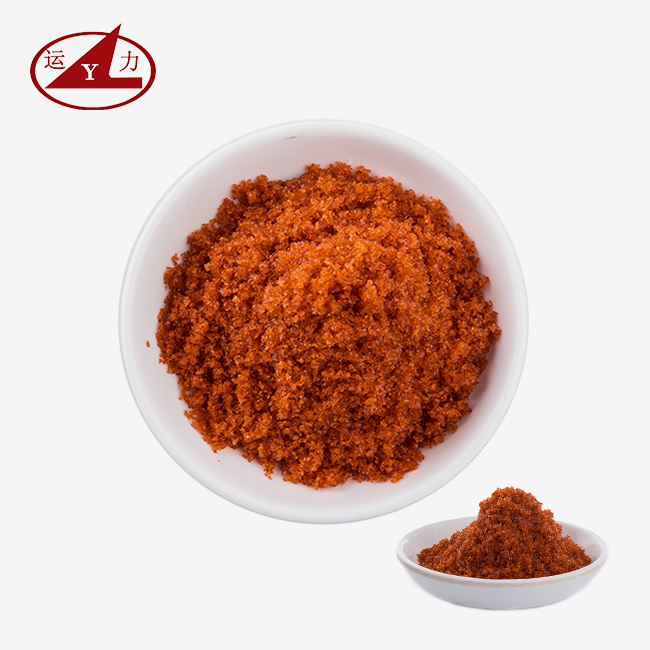
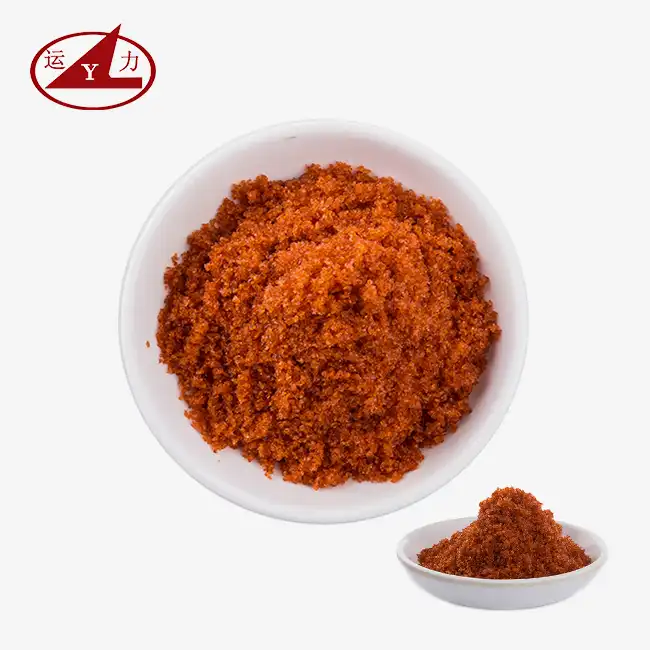
This is Cobalt Nitrate hexahydrate, which looks like a dark brown dust or rock. Its freezing point is 55–56°C, which is not very high, and its specific density is 1.88 g/cm³. It's very easy for water, ethanol, and acetone to break it down, which makes it great for liquid-phase jobs that need a smooth spread. It's not the same as cobalt carbonate or cobalt hydroxide, which need to be broken down with acid first. The chemical can quickly take water from the air because it is hygroscopic. If it cakes while it's being kept, the way it's packed and the way the building is set up would need to be changed.
Oxidizing Properties and Reactivity
The nitrate in this thing makes it very good at oxidizing stuff. It can be very bad if reducing agents, burning materials, or organic chemicals come into contact with each other. They could start a fire or explode. Because of this, it should be kept away from things that don't get along with it. It's also very important to deal safely. Oxidation is a process that can be managed, so it can also be used as a signal in some situations.
Thermal Stability and Decomposition
When water is almost frozen, Cobalt Nitrate starts to break down and turn into a liquid that helps the water freeze. When something is heated up for a long time, it starts to break down. This process gives off nitrogen oxides (NOx) and cobalt oxide at the same time. At this temperature, this process is used to make catalysts. Heat the nitrate precursor slowly until it turns into active cobalt oxide phases that are spread out on support materials. If the people who are buying things know how things break down, they can choose the best temperatures to store things and guess what steps will be needed for later uses.
Toxicity and Safety Considerations
They are bad for your health if you breathe them in, eat them, or touch your skin with them. The stomach can hurt, the skin can get more sensitive, and the lungs can get upset. People worry that long-term touch could lead to cancer, so it's important to be able to move around and wear safety gear. Material Safety Data Sheets (MSDS) will tell you about these risks and how to deal with them if you have to. People who want to buy from one business to another (B2B) should make sure that the sellers keep their safety records up to date and can give them Certificates of Analysis (COA) that show the impurity profiles and levels of purity.
Industrial and Laboratory Applications Related to Its Acid-Base Nature
Catalyst Manufacturing for Petrochemical Processes
You can start making hydrodesulfurization catalysts, which are used to process oil, with Cobalt Nitrate hexahydrate because it is slightly acidic and easy to dissolve. Nitrate solution spreads out and fills all the holes in the alumina supports when it is soaked in it. When you heat it, it changes into cobalt oxide steps that work with molybdenum to get rid of sulfur chemicals that are found in different parts of crude oil. As a result of the low pH, the metals don't settle too quickly during that process. This changes the catalyst's action and how long it lasts.
Battery Material Synthesis
This chemical is used to make cathode materials for lithium-ion batteries, like NCA (nickel-cobalt-aluminum) and NCM (nickel-cobalt-manganese). Co-precipitation lets it mix with nickel and manganese sources at the atomic level since it breaks down in water. When it snows, the pH level stays the same, but the particles change shape and how well they work with electricity. It is safe for the nitrate form to break down during calcination as long as sulfur or salt are not added. Adding these could hurt the safety and cycle life of the battery.
Surface Treatment and Metal Finishing
When electroplating, passivation baths and conversion paints are made less likely to rust by adding Cobalt Nitrate. For faster surface action, use an acidic solution. This also helps make sheets that are covered with cobalt. Hexavalent chromium can only be used in limited ways in military and industrial settings to protect the environment. This means that the surfaces can stick together on their own. The oxidation of the nitrate helps keep the top rust in check. It stays on longer and sticks better this way.
Ceramic Pigments and Glazes
This is where most of the "cobalt blue" colors used in pottery and glass come from. Because it is very pure and has a low iron level, the bright blue color doesn't fade. When the substance is heated up to a high temperature, it breaks down into cobalt oxide and silicates. Because it is acidic, it helps keep the colors safe while they are being mixed in with the glaze solutions before they are fired.
Procurement Insights and Supplier Selection for Cobalt Nitrate
Evaluating Purity Grades and Specifications
There are various levels of purity for industrial Cobalt Nitrate, ranging from technical grade (≥98%) to high-purity types (≥99.5% with managed impurities). The pH range, the amount of iron (at least 30 mg for high-end uses), and the amount of solid matter must all be followed to the letter. For use in batteries and medicines, the materials must be very clean and have very few or no transition metals. If the seller has advanced testing tools like ICP-MS and atomic absorption spectroscopy, the buying manager should ask for full COA paperwork that shows the analysis results for each batch.
Packaging Options and Minimum Order Quantities
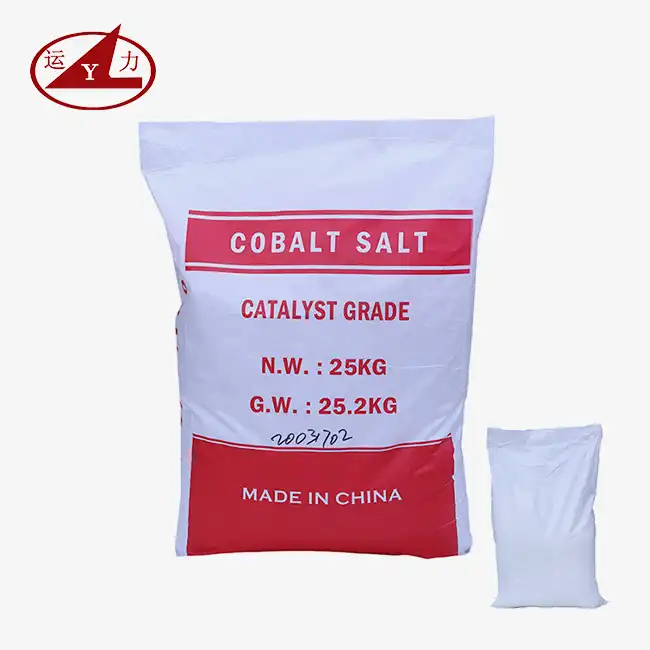
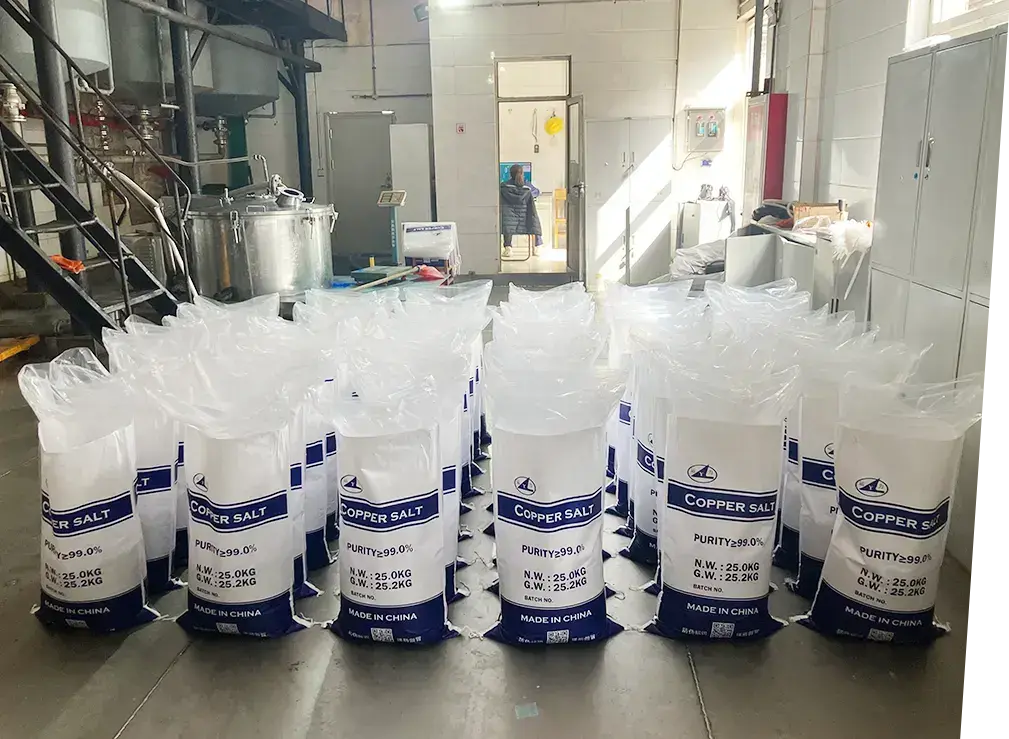
Standard packaging comes in drums sealed with plastic that can hold 25 kg, but different shapes can be made to fit different job sizes. Locked boxes or cases that have been gassed with nitrogen are the best way to keep things from getting wet. Top sellers offer solid, crystalline forms as well as liquid solutions that are already dissolved in a certain amount of water. So, you won't have to take the steps to break them down yourself. The minimum order amount can be changed, so you can do test runs without having to buy a lot of goods at once. There are businesses that offer free samples of their goods that can weigh up to 500 grams. You can try the item out before you buy a lot of it.
Supplier Certification and Compliance Documentation
Always make sure that the partner companies you trust keep their ISO 9001, ISO 14001, and OHSAS health and safety at work certifications up to date. These types of licenses show that quality is planned and can be watched all the way through production. A supplier with a national or neighborhood technology center can help with research and development (R&D) to come up with new ideas. To make sure that rules are followed and supplies don't run out, environmental permits should be checked on a frequent basis. This is especially true for permits that let you deal with nitrate waste and limited NOx emissions. It's better to believe a service provider more if they've worked with big clients in the same area for a long time.
Pricing Structures and Logistics Considerations
How much Cobalt Nitrate costs depends on how much other things made from cobalt cost around the world. Deals on long-term supplies can help you stick to your budget. You don't have to pay markups to agents when you deal with the maker directly. You can also get answers more quickly and in more detail. For Class 5.1 oxygen classification (UN 1477), it's easy for established providers who run their own export businesses to handle paperwork like trade bills, packing lists, and statements of dangerous materials. Buyers in North America can save time and money on shipping when supply lines are well set up and linked.
Best Practices for Safe Use and Storage Based on Acid-Base Characteristics
Storage Environment Controls
Keep Cobalt Nitrate hexahydrate somewhere cool and dry, out of direct sunlight and heat sources. Crystallization water may melt when it gets warmer than 30°C because it sucks water out more quickly. Things inside a building don't stick together because of the warmth and humidity. If they did, it would be harder to move them. Because they can deteriorate, places to store things should be kept away from live things, things that are on fire, and reducing agents. If there is enough air flow, gases that break down matter don't gather in small areas.
Container Material Selection
Be careful with the bottle you use because it's a little acidic. Highly dense polyethylene (HDPE) doesn't damage things that are made of it. Steels with grades 304 or 316 can hold liquids, but they may rust if they are touched for a long time. When you put acidic liquids in aluminum containers, the acid can mix with the metal. Everything inside should have tight lids that keep water out, and there should be clear warnings on each package about what's inside and how to handle it.
Personal Protective Equipment Requirements
When people work with Cobalt Nitrate, they need to wear the right safety gear. For instance, when working with powdered materials, they should wear safety glasses, gloves made of rubber or neoprene that can handle chemicals, and dust masks or respirators. If you don't have a lab coat or safety mask on, don't touch your skin. Also, close-toed shoes will keep you from getting hurt if you spill something. If you work with aerosols or clouds, you need to be able to move around more easily and wear safety gear made for cobalt poisons. The government sets guidelines on how much smog can be in the air at work, which is checked usually.
Emergency Response Protocols
The first thing that needs to be done after a spill is to clear the area of anyone who isn't safe and anything that could start a fire. Sand or dirt that won't catch fire can be used to clean up small spills. Big spills need to be cleaned up by experts so that harmful substances don't get into the environment. People who are licensed and know how to deal with dangerous trash must throw away dirty things. When someone is hurt by Cobalt Nitrate, they should wash the area with lots of water right away and see a doctor, especially if they took it in or drank it. Places that use this stuff should have safety baths and places to wash your eyes ready in case something goes wrong.
Conclusion
Because it is a salt, Cobalt Nitrate hexahydrate is neither an acid nor a base. What's different about this? It changes how it's used in business and how people should treat it. Because it dissolves quickly, oxidizes, and breaks down easily at high temperatures, it is used to make catalysts, cell materials, and surface treatments. If you want to buy something, you should look at the quality standards, the seller's credentials, and how well they can ship it. Its acidic, hygroscopic, and reactive properties make rules for safety that make sure people stay safe and follow the rules. It is possible for purchasing managers to work with dependable makers who offer regular quality, technical support, and a stable supply chain if they understand these chemical and practical issues.
FAQ
Q1: Does Cobalt Nitrate release acidic vapors during storage?
A: It is best to keep Cobalt Nitrate hexahydrate below 30°C. It doesn't melt and doesn't give off a lot of smoke. Around 55 to 56°C, where it melts, it starts to break down, which could let out nitrogen fumes. As long as the temperature stays low and air flows easily, mist won't form.
Q2: Can Cobalt Nitrate be mixed with alkaline solutions?
A: Cobalt hydroxide is made when strong bases are mixed with Cobalt Nitrate. This might make heat. These kinds of mix-ups should only happen when everyone is paying close attention and all the safety measures are in place. When you want to mix alkaline things, you should always talk to process scientists.
Q3: How do you verify Cobalt Nitrate purity and quality?
A: Certificates of Analysis should be asked for. These will show how much water, iron, nickel, and chlorides are in the product, as well as how much cobalt (20–21% Co) is in it. Tests that are tried and true are used by suppliers with a good reputation to give data that is unique to each batch. Someone who isn't working on the project can test it and give it extra safety for important uses.
Partner with Yunli Chemical for Premium Cobalt Nitrate Supply
Yunli Chemical hasn't worked with nitrates in over 18 years. You can ask them for help with anything. Our Cobalt Nitrate is very pure; less than 30 parts per million of iron are in it, and the pH can be changed from 3.0 to 5.0. It meets very strict requirements for making catalysts, battery materials, and the surface in a very specific way. The state has named us a technology center and we make this compound. We have one-of-a-kind items that come in powder, beads, or liquid form. Check out our free samples, and place your order by 25 kg at the very least. Our ISO 9001, ISO 14001, and OHSAS standards, along with our closed-loop NOx treatment and wastewater removal systems, show that we care about the environment and make sure that our products are of high quality. You can email our team at wangjuan202301@outlook to talk about your goals, find out more, or set up a first review.

References
1. Cotton, F.A. & Wilkinson, G. (1988). Advanced Inorganic Chemistry, Fifth Edition. New York: Wiley-Interscience.
2. Baes, C.F. & Mesmer, R.E. (1976). The Hydrolysis of Cations. New York: John Wiley & Sons.
3. Richardson, H.W. (2003). Handbook of Copper Compounds and Applications. New York: Marcel Dekker.
4. Patnaik, P. (2002). Handbook of Inorganic Chemicals. New York: McGraw-Hill Professional.
5. Kirk-Othmer Encyclopedia of Chemical Technology (2007). Cobalt and Cobalt Compounds, Volume 7. Hoboken: Wiley.
6. Greenwood, N.N. & Earnshaw, A. (1997). Chemistry of the Elements, Second Edition. Oxford: Butterworth-Heinemann.