


Is iron nitrate a salt?
Without a doubt, Iron Nitrate is a salt. This inorganic substance is mostly found as ferric nitrate nonahydrate (Fe(NO₃)₃·9H₂O), which is made when ferric iron (Fe³⁺) and nitric acid (HNO₃) combine to neutralize each other. As a salt, it fully breaks down in water into iron cations and nitrate anions. It has unique ionic qualities, like being easily dissolved, conducting electricity when dissolved, and deliquescent, which means it easily soaks up water from the air. Knowing what kind of salt it is helps procurement professionals guess how it will respond, how long it will need to be stored, and whether it will work with other chemicals in industrial formulas.
Understanding Iron Nitrate: Chemical Nature and Properties
What Makes Iron Nitrate a True Salt?
The fact that ferric nitrate nonahydrate is a salt comes from basic acid-base chemistry. Nitric acid changes into the ionic compound Fe(NO₃)₃ when it combines with iron or iron oxide. The acid's hydrogen ions are swapped out for iron cations. Ionic bonds hold the crystal structure together during this process, which is what makes salts unique. Unlike molecular molecules, salts like ferric nitrate completely break apart in polar solvents. This is why they work so well in electroplating baths and catalyst precursor uses where the availability of ions is very important.
Key Physical and Chemical Characteristics
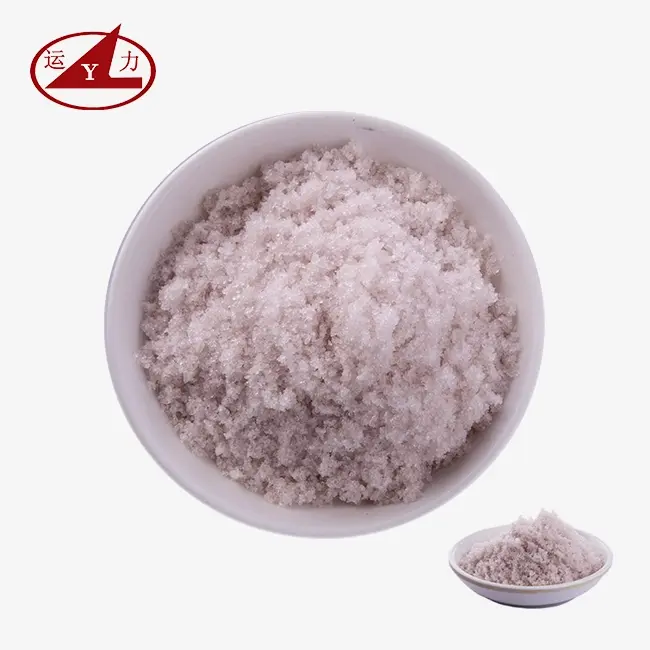
With a molecular weight of 404.01 g/mol, ferric nitrate nonahydrate (CAS 7782-61-8) is a unique purple crystal. Because it has a specific density of 1.68 g/cm³ and a relatively low melting point of 47.2°C, it needs to be carefully managed at low temperatures while it is being moved and stored. The substance dissolves very easily in water, ethanol, and acetone, which makes it better than iron salts that dissolve more slowly for uses that need fast dissolving. If you heat something above 125°C, it breaks down thermally, releasing nitrogen oxides and leaving behind iron oxides.
Making high-purity ferric oxides for new materials is possible through this breakdown route. Because it's deliquescent, it needs special packing. At Yunli Chemical, we deal with this problem by using our own special anti-caking formulas and moisture-proof covers that keep the crystals' shape while they travel through different temperature zones.
Safety and Environmental Considerations
Because ferric nitrate is an oxidizing agent, it needs to be handled with care. Contact with organic materials can cause explosions or burning, so flammable materials need to be kept separate from organic materials. The substance irritates the skin when it comes into close contact with it, so it needs to be handled with the right safety gear. Our production processes are governed by REACH and RoHS compliance frameworks, which make sure that our Fe(NO₃)₃·9H₂O formulas meet strict heavy metal standards. For example, lead and arsenic levels stay below parts-per-billion limits for water treatment grades. For each batch, our facility keeps full MSDS paperwork and COA certificates. This meets the regulatory standards that buying managers and technical experts look for when they are choosing suppliers.
Applications of Iron Nitrate in Industry and Agriculture
Iron Nitrate nonahydrate is used across many different industries, and each application leverages Iron Nitrate unique chemical properties to achieve specific outcomes. When procurement teams understand these Iron Nitrate applications, they can evaluate whether this Iron Nitrate salt aligns with their production requirements.
Catalyst Manufacturing Excellence
Ferric nitrate is used to make iron-based catalysts that are used in the Fischer-Tropsch process, selective oxidation reactions, and the production of methanol. Because there is no salt or sulfate pollution, which happens a lot with other iron sources, catalyst poisoning does not happen. Our ultra-high pure grade, which has less than 10ppm of heavy metals, makes catalyst beds last 30–40% longer than normal industrial grades. This means that ammonia plants and petrochemical facilities can save money on their operating costs.
Textile Industry Solutions
Ferric nitrate is used in the textile industry as a mordant to help dye stick to natural fibers better. While ferrous sulfate can turn clothes yellow in some pH ranges, ferric nitrate keeps colors bright through multiple wash cycles. Our chloride-controlled formulation (<50ppm) stops fiber breakdown, which is very important for companies that make high-value fabrics for foreign markets with strict quality standards.
Metal Surface Treatment Innovations
Electroplating companies are using ferric nitrate mixtures more and more as environmentally friendly options to hexavalent chromium methods. Our trivalent iron products that are RoHS-certified make wastewater treatment simpler while still providing the same level of corrosion protection. Manufacturers of car parts have tested our ferric nitrate-based conversion coats and found that they can withstand salt spray for more than 500 hours. This meets the ASTM B117 standards needed for the North American and European markets.
Corrosion Inhibitor Applications
Ferric nitrate is used in anti-rust primers, which is good for protecting construction steel. It makes a two-layer defense system that can handle harsh industrial environments when mixed with zinc phosphate systems. The high solubility (≥99.5% in water) makes it possible for even distribution in coating matrices, which stops the settling that can happen with iron compounds that are less soluble.
Comparing Iron Nitrate with Other Iron Compounds for Informed Procurement
Iron Nitrate vs. Iron Sulfate
Both iron sources work effectively, but Iron Nitrate offers several advantages. Iron sulfate introduces sulfate anions that can inhibit certain catalytic processes and contribute to sulfur dioxide evolution during thermal processing. Iron Nitrate nitrate component decomposes cleanly to nitrogen oxides, which are easier to scrub from effluent streams. Iron Nitrate also demonstrates higher solubility than iron sulfate (approximately 138g/100mL at 20°C versus 48g/100mL), enabling more concentrated working solutions and reducing tankage requirements in industrial facilities.
Ferric vs. Ferrous Compounds
The change in oxidation state determines the best use. It is better for uses that need electron transfer reactions because the ferric iron (Fe³⁺) in ferric nitrate is better at reducing than ferrous iron (Fe²⁺) compounds. Ferrous salts can be oxidized by air, which makes long-term storage more difficult. On the other hand, ferric nitrate stays stable for 24 months in controlled circumstances when properly packed.
Cost-Effectiveness Analysis
When buying something, choices are made that balance unit price against useful performance. Ferric nitrate usually costs 15–25% more than regular iron salts, but this difference is often worth it when handling benefits are taken into account. When you don't have to filter out insolubles, equipment doesn't rust as much with chloride-free grades, and catalysts last longer, you can often save more than 20% on total costs across production cycles.
How to Procure High-Quality Iron Nitrate for Your Business?
Quality Standards and Specifications
Tests using iodometric titration show that industrial-grade ferric nitrate is usually at least 98% pure. Critical elements like chloride (<100ppm), sulfate (<100ppm), and heavy metals (lead <5ppm, arsenic <3ppm) should have acceptable levels set by purchasing managers. Chemicals used in electronics or medicine may need ACS reagent grade or special 4N-grade pure (99.99%). Yunli Chemical can provide this through our provincial technology center-certified research and development. Another important quality measure is insolubles. When concentrations go above 0.005%, they clog spray nozzles and make catalyst beds dirty. Our ICP-MS and atomic absorption spectrometry tools allow for accurate characterization, and each package comes with a test result.
Supplier Evaluation Criteria
Suppliers you can trust show a few things. ISO 9001 approval shows that quality management is structured, and ISO 14001 compliance shows that environmental responsibility. Both are very important for customers who are going to be audited in the supply chain. A long history of operations is important. Our 20-year track record since 2005 protects us against supply problems that younger companies may face.
Solution partners are different from commodity providers because they offer technical help. Yunli Chemical is a provincial enterprise technology center, which means we can make formulations exactly how our customers want them. For example, we can change the crystal size distribution from 0.5 mm to 3 mm, make pre-dissolved liquid solutions with specific concentrations, or add pH stabilizers to meet the needs of a specific application.
Packaging and Logistics Considerations
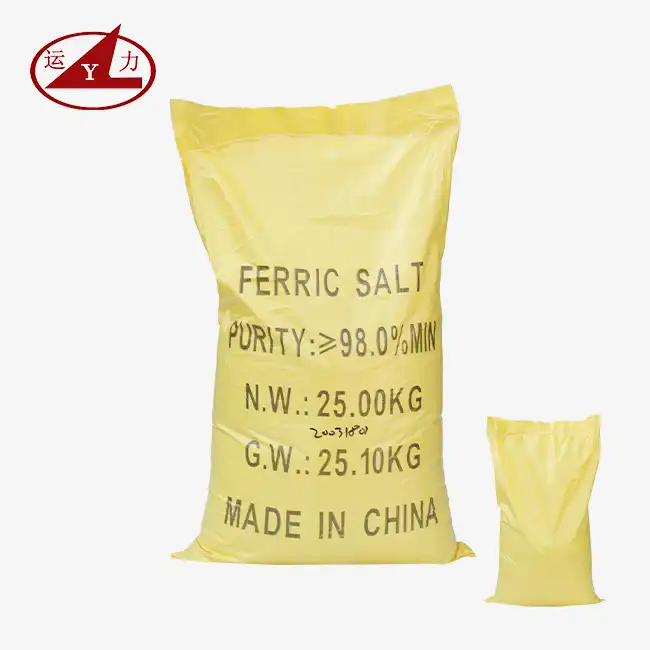
Small businesses can use standard packaging of Iron Nitrate in 25 kg PE bags, while bulk buyers can optimize freight rates for Iron Nitrate in 500 kg drums and ISO tank containers. One of our flexible packaging choices for Iron Nitrate includes customer logo labeling for wholesalers serving regional markets. Temperature-controlled logistics for Iron Nitrate prevent premature melting during southern summers, ensuring Iron Nitrate quality remains high from our Shanxi Province facility to global ports.
Complete documentation speeds up the customs processing process. Every package comes with a business statement, a packing list, an MSDS, a COA, and, if needed for certain markets, non-hazardous certification or fumigation certificates for wooden pallets.
Simplified Guide: How Iron Nitrate is Made and Handled?
Industrial Synthesis Methods
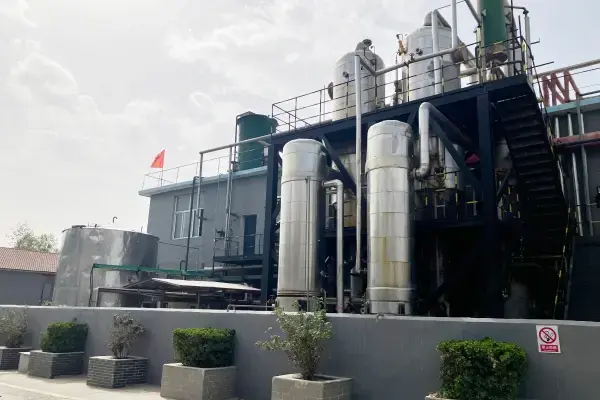
Usually, the first step in making commercial ferric nitrate is to dissolve iron powder or scrap iron in concentrated nitric acid. To keep the reaction's ideal temperatures between 40°C and 60°C and stop too much nitrogen oxide from being produced, cooling devices are needed. The nonahydrate form is made by controlled evaporation and crystals after the whole thing has been dissolved.
Our background in coal-chemical engineering makes it possible to integrate energy efficiently, which lowers production costs and protects the environment through closed-loop nitric acid recycling systems. Alternative synthesis routes using ferrous nitrate oxidation exist but prove less economical at scale. The straight nitric acid method is still the most common way to make the high-purity grades that the electronics and medicine industries need.
Storage and Handling Best Practices
Keeping things in the right way increases their shelf life and keeps workers safe. Facilities should set aside cool (<25°C), dry places with good air flow for keeping ferric nitrate away from flammable materials, reducing agents, and alkalis. When you seal containers, they don't let moisture in, which can cause caking and early breakdown. As part of proper handling, you should wear safety masks, nitrile or neoprene gloves that are resistant to oxidizing acids, and, when working with large amounts, breathing protection against dust exposure. In working areas, emergency tools like eyewash stations and safety showers must always be easy to get to.
Regulatory Compliance Framework
According to shipping rules, ferric nitrate is an oxidizer (Class 5.1), so it needs to be properly marked and documented according to DOT, IMDG, and IATA codes. Our transportation team handles these legal requirements, making sure that delivery goes smoothly whether the package is going within the United States or to another country. TSCA entry confirms that the product is legal to sell in the U.S., and REACH pre-registration helps products get into the European Union market.
Conclusion
Knowing that Iron Nitrate is a real salt, with all the ionic and chemical qualities that come with it, helps you make better choices about what to buy. Its value goes far beyond that of basic iron sources because it can be used to make catalysts, process textiles, treat metals, and stop rust. When looking at providers, give more weight to those that have written purity standards, full quality control, and the ability to customize products for specific uses. Partners who support long-term operating success are different from transactional vendors because they offer high-quality chemicals, follow all regulations, and have stable supply lines.
FAQ
Can iron nitrate be substituted directly for iron sulfate in existing processes?
In current methods, can Iron Nitrate be used instead of Iron Sulfate? Both provide ferric iron, but straight replacement needs changes to the process. In pH balancing and precipitation processes, the nitrate anion acts differently than the sulfate anion. Pilot testing with small amounts of the product helps figure out what changes need to be made to the parameters before making the full-scale changes. To make these confirmation trials easier, we give away free samples of up to 500 grams.
What certifications should I request when qualifying a ferric nitrate supplier?
When looking for a ferric nitrate provider, certifications like ISO 9001 are needed for quality systems, ISO 14001 is needed for environmental management, and OHSAS 18001 is needed for certain situations. Product-specific paperwork should include COA reports for each batch, MSDS that are in line with GHS standards, and, for controlled industries, proof that the product is non-GMO or kosher, if needed.
How does deliquescence affect product usability and shelf life?
Because crystals are deliquescent, they take in water from the air and may dissolve in their own water of crystallization. This doesn't always mean that the chemicals are less pure, but it makes it harder to weigh and handle them correctly. This habit can be lessened by using high-barrier packing with desiccants. When stored properly—in covered cases in climate-controlled areas—the shelf life can last up to 24 months without losing much of its quality.
Partner with Yunli Chemical for Reliable Iron Nitrate Supply
Dealing with the complicated process of getting ferric nitrate is easy when you work with a well-known Iron Nitrate producer. Yunli Chemical can help with your supply chain needs because it has been in the business for 20 years, makes more than 1 billion yuan a year, and has fixed assets worth 300 million yuan. Our Shanxi Provincial Enterprise Technology Center creates unique mixtures, ranging from ultra-high purity (≤10ppm) grades for catalyst uses to pre-dissolved solutions that skip steps in the working process.
We cut out middlemen markups by supplying directly from the plant and running our own export operations. This lets us offer cheap prices without lowering the quality. Our no-minimum-order policy and free samples (up to 500g) make it easy to evaluate without risk, whether you need 25 kg for a test run or regular orders of several tons. Every sale comes with full paperwork, like MSDS, COA, and environmental certifications. This meets the compliance standards that buying managers and technical experts care about the most. Email our team at wangjuan202301@outlook.com to talk about your unique application needs and get technical suggestions for Iron Nitrate supplier relationships that will help you reach your long-term production goals.

References
1. Greenwood, Norman N., and Earnshaw, A. (1997). Chemistry of the Elements (2nd ed.). Butterworth-Heinemann, Oxford.
2. Perry, Robert H., and Green, Don W. (2008). Perry's Chemical Engineers' Handbook (8th ed.). McGraw-Hill Professional, New York.
3. Patnaik, Pradyot (2003). Handbook of Inorganic Chemicals. McGraw-Hill, New York.
4. Cotton, F. Albert, Wilkinson, Geoffrey, and Gaus, Paul L. (1995). Basic Inorganic Chemistry (3rd ed.). John Wiley & Sons, New York.
5. Lide, David R. (2004). CRC Handbook of Chemistry and Physics (85th ed.). CRC Press, Boca Raton.
6. Kirk, Raymond E., and Othmer, Donald F. (2007). Kirk-Othmer Encyclopedia of Chemical Technology (5th ed.). John Wiley & Sons, Hoboken.