


Is cobalt nitrate saturated or unsaturated?
"Is Cobalt Nitrate saturated or unsaturated?" is a question that procurement managers and technical experts want to know the answer to because it affects how solutions are made, how well catalysts work, and the quality of the final product. Cobalt Nitrate hexahydrate (Co(NO₃)₂·6H₂O, CAS 10026-22-9) is chemically saturated, which means that all of the bonding sites on the cobalt ion are taken up by nitrate groups and water molecules. But based on the temperature and concentration, the solution that is made when it is mixed with water can be either saturated or unsaturated. Understanding this difference helps industrial buyers improve formulation processes, avoid storing problems with crystallization, and make sure uniform performance in electroplating, making batteries, and making catalysts.
Understanding the Saturation Concept in Chemistry
"Saturation" can mean different things based on the situation. In organic chemistry, molecules that are saturated only have single bonds between their carbon atoms, while compounds that are unsaturated have double or triple bonds. Inorganic salts, such as Cobalt Nitrate, don't fit this description. We look at saturation through two different lenses instead: solution chemistry and coordination chemistry.
Coordination Saturation in Metal Complexes
Cobalt Nitrate hexahydrate is a coordination chemical. It is made up of six water molecules arranged in an octahedral shape around the central cobalt ion (Co²⁺). The nitrate anions stay outside of this core area of cooperation. In terms of structure, this combination is coordinatively filled, which means that all of the bonding spots around the metal center are taken. This stability affects how the molecule breaks down thermally, which happens neatly at temperatures above 74°C and leaves cobalt oxide without any sulfur or chloride contaminants that are found in other cobalt salts.
Solution Dynamics of Saturation
Cobalt Nitrate hexahydrate can be dissolved in water to make a solution that is either saturated (holds the most dissolved material at a certain temperature) or unsaturated (can dissolve more). This chemical can be dissolved in water up to 134 grams per 100 milliliters at 0°C. This is called the saturation point. This barrier goes up a lot as the temperature rises. These factors must be taken into account in industrial processes so that unwanted precipitation doesn't happen during the steps of cooling or concentration.
Chemical and Physical Properties of Cobalt Nitrate
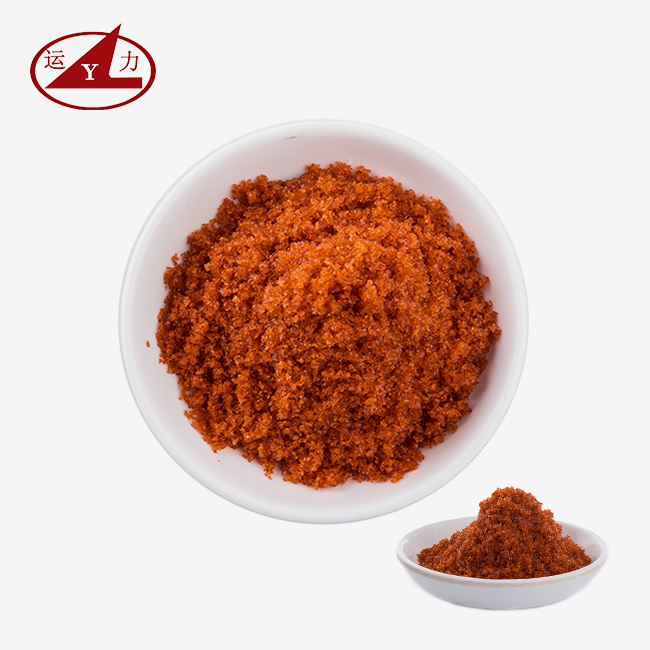
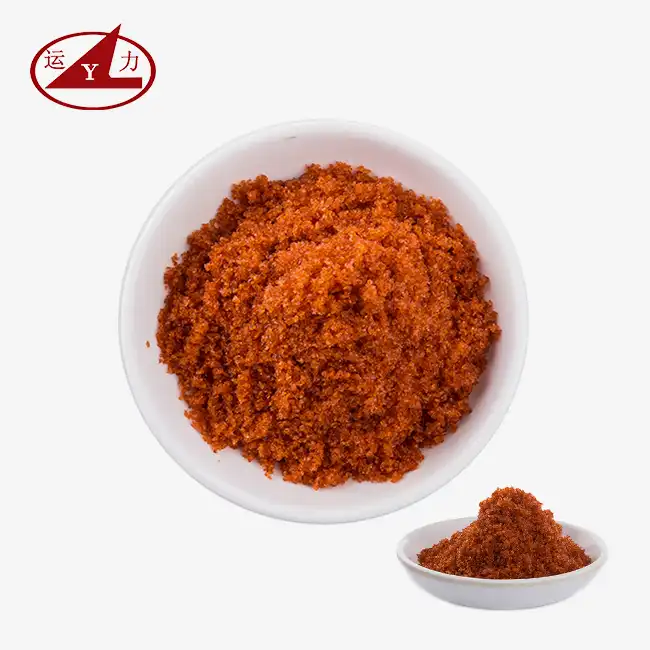
Cobalt Nitrate hexahydrate is a reddish-brown solid that has a molecular weight of 291.03 g/mol. Because it is hygroscopic, it easily draws water from the air. This makes it harder to store, but it also explains why it dissolves so well. When the temperature is between 55°C and 56°C, the chemical melts and dissolves in its own water of crystallization. This property can cause "caking" during summer transportation.
Critical Physical Parameters
The specific density of 1.88 g/cm³ shows that the crystals are packed together, and the oxidizing quality means that they need to be kept away from organic materials and reducing agents while they are being stored. It dissolves in ethanol and acetone as well as water, which lets you use a variety of formulation techniques for coating uses and catalyst impregnation processes. These liquids can get into porous alumina supports that are used in hydrodesulfurization catalysts. The way cobalt is spread out at the atomic level affects how well the catalyst works.
Thermal Decomposition and What It Means for Purity
Premium types from well-known companies keep the iron content below 30 ppm and offer sulfur-free mixes with pH levels that can be changed between 3.0 and 5.0. When making nickel-cobalt-manganese ingredients for lithium-ion batteries or cobalt-molybdenum catalysts for processing oil, these specs are very important. Even small amounts of iron can harm catalysts, lowering their active surface area and shortening their life. As part of our quality control procedures, we use ICP-MS analysis to make sure that the amounts of impurities meet electronic-grade standards. This keeps customers' applications from losing performance.
Is Cobalt Nitrate Saturated or Unsaturated?
Differentiating between molecular structure and solution behavior is needed to find the answer. Cobalt Nitrate hexahydrate is a structurally full coordination molecule, which means that the cobalt center can link with all other atoms. You can't include more ligands in the inner coordination sphere without moving water molecules or nitrate groups that are already there. This chemical absorption helps keep the product stable while it is stored in a controlled environment.
Aqueous Solution Behavior
Concentration tells you the maximum level when making working solutions. When 100 grams of Cobalt Nitrate hexahydrate are mixed with 100 milliliters of water at 20°C, the solution is below saturation, which means it can still dissolve more things. On the other hand, trying to dissolve 150 grams in the same amount of water at the same temperature leads to a full solution where the crystals that haven't dissolved yet settle to the bottom. This balance is drastically changed by temperature, which is why hot impregnation solutions may crystallize when they cool down if concentration estimates don't take into account solubility curves that change with temperature.
Industrial Handling Considerations
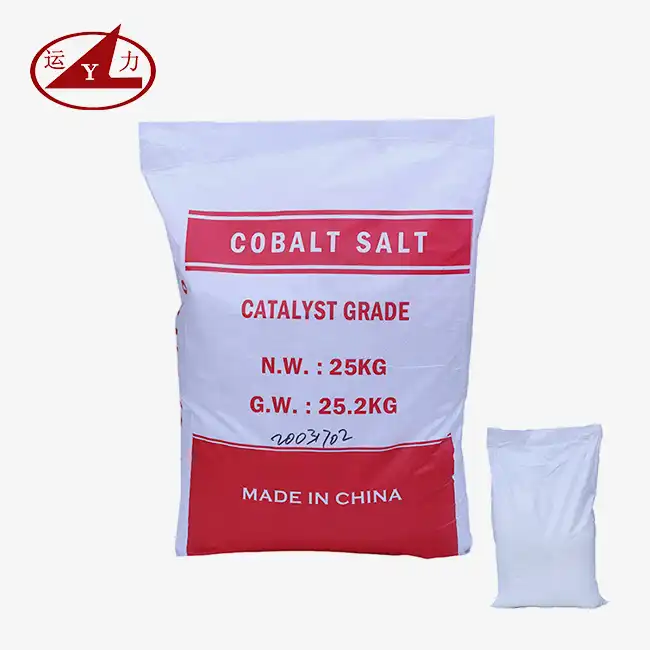
The compound's dual nature needs to be taken into account in manufacturing settings. Solid Cobalt Nitrate hexahydrate comes in the form of free-flowing crystals when it is properly packed in containers that won't absorb moisture. When crystals are exposed to air that is wet, they deliquescence, which means they soak up water and change into a concentrated solution. The chemical make-up stays the same, but this physical change makes it hard for automatic feeding systems that are made for dry powder to work. These problems can't happen if the temperature is kept below 25°C and the relative humidity is kept below 60%. This keeps the flow of the product throughout the supply chain.
For businesses with ongoing processes, liquid Cobalt Nitrate solutions are an option. These products are already dissolved, so you don't have to worry about saturation like you do with batch dissolution methods. A normal solution with 13–14% cobalt stays stable down to about 5°C, but in the winter, shipping may need heated ISO tanks to keep the solution from crystallizing. Solution purity is very important—sodium contamination above 50 ppm or chloride contamination above 10 ppm hurts the performance of the catalyst. This shows how important it is to check the provider and look over the certificate of analysis.
Comparing Cobalt Nitrate with Other Cobalt Salts Regarding Saturation and Use
Cobalt Nitrate is frequently compared to cobalt sulfate and cobalt chloride when making purchasing choices. Each salt has different saturation properties that affect its usefulness and how hard it is to operate.
Cobalt Sulfate Versus Cobalt Nitrate
Cobalt Nitrate has a much higher water solubility barrier than Cobalt Sulfate Heptahydrate (CoSO₄·7H₂O), which dissolves about 36 grams per 100 milliliters at 20°C. This makes it harder to concentrate working solutions and makes processes that need to add a lot of metal more difficult. More importantly, sulfate leftovers stay after calcination, so extra washing steps are needed to get rid of the sulfur that would harm catalytic sites otherwise. Battery makers are choosing Cobalt Nitrate precursors more and more because they break down at high temperatures into pure cobalt oxide without any sulfate pollution. This makes it easier to make NCM and NCA cathode materials.
Cobalt Chloride Considerations
Cobalt chloride (CoCl₂·6H₂O) has a high solubility similar to Cobalt Nitrate, but it also adds chloride ions that damage stainless steel processing machinery. Stress corrosion cracking happens in 316L reactors during high-temperature calcination at even very small amounts of chloride. The nitrate option gets rid of this upkeep hassle and offers higher purity levels for pottery glaze uses that need to keep the color true with few flaws. Pigments for cobalt blue that come from nitrate predecessors have clearer colors because they don't have the "muddying" effect that comes from iron pollution that is common in lower-grade chloride sources.
The framework for selection is based on how well the method works with the end result. Electroplating processes may be able to use cobalt sulfate for basic tasks, but Cobalt Nitrate is better for advanced surface treatments that need precise control over coating. Technical experts weigh these trade-offs against differences in cost, knowing that paying more for high-purity nitrate grades is worth it because they reduce waste, make tools last longer, and make sure that the quality of the final product is always the same.
Safe Handling, Storage, and Procurement Considerations
As an oxidizer, Cobalt Nitrate hexahydrate has the UN number 1477. To keep fires from starting, transportation rules say that flammable and biological materials must be kept separate. The substance is dangerous to your health if you eat, breathe it in, or touch your skin with it. When handling it, you should wear the right safety gear. Safety data sheets stress how important it is for working areas to have covered containers, enough air flow, and emergency eyewash stations.
Maintaining Product Integrity
The way solid Cobalt Nitrate is stored has a direct effect on whether it stays in its hexahydrate form or changes to a lower hydrate state by losing water. HDPE drums that are sealed or bags that are wrapped with moisture-barrier material keep the right amount of moisture and keep the product from being exposed to water in the air, which can cause caking. Temperature changes above 55°C during shipping in the summer can cause partial melting, which changes the shape of the crystals without changing their chemical make-up. Although this doesn't change the test results, it does affect production processes that depend on a uniform particle size distribution to make sure that dissolution rates are the same.
Supplier Selection Criteria
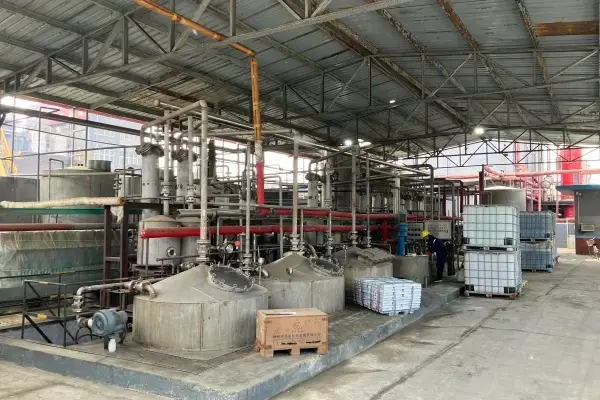
Procurement pros give more weight to sellers who have ISO 9001 quality management certification, ISO 14001 environmental compliance certification, and strong safety systems for workers. Manufacturers that have been around for a while and are recognized as state or national technology centers have invested in research and quality control facilities. Impurity analysis can be done reliably in labs with ICP-OES or ICP-MS instruments, and atomic absorption spectroscopy checks the cobalt level against the limits set by the specifications. Asking for certificates of analysis for several production batches shows measures for consistency that can be used to predict the trustworthiness of the supply in the long term.
Different sizes of operations can use flexible packing choices. For example, 1000 kg IBC totes are good for bulk customers because they reduce the amount of work that needs to be done to move the goods, while research facilities need smaller drum numbers. Leading providers can make solutions that are exactly what you need, whether you need granular, crystalline, or liquid formulas. Free samples of up to 500 grams allow qualification testing before committing to bulk purchases, which lowers the risk of buying for projects that are developing new uses or formulations.
Conclusion
The question "Is Cobalt Nitrate saturated or unsaturated?" shows how complicated chemistry molecules can be, even when they look simple. Cobalt Nitrate hexahydrate keeps coordinative saturation at the molecule level and shows temperature-dependent solution saturation behavior that impacts how things are made in industry. When making purchases, people have to compare these features to what the application needs, taking into account things like cleanliness standards, physical form, and the supplier's skills. Buyers who know what they're doing know that buying low-impurity Cobalt Nitrate from approved makers is a good deal because it consistently works well, makes processing easier, and meets strict quality standards. The combination is the best source of cobalt for tough jobs in catalysis, battery production, and specialty ceramics because it breaks down easily at high temperatures, dissolves in a wide range of substances, and doesn't get contaminated.
FAQ
Does crystal caking affect cobalt nitrate quality?
Changing how something looks because it absorbs water doesn't change its chemical make-up. Chemically, the product stays the same even when crystals stick together or dissolve partly in water. But industrial processes that assume powder to flow freely may have problems with feed rates that aren't always the same. Caking can be avoided by storing Cobalt Nitrate properly in sealed, climate-controlled spaces that don't affect the quality of the goods or their test values.
What causes turbidity when dissolving cobalt nitrate?
When hard water with calcium or magnesium ions is mixed with Cobalt Nitrate solutions, solid salts can settle to the bottom and make the water cloudy. Professional guidelines say to use deionized water and, if necessary, nitric acid to make it a little more acidic. This method keeps the solution clear, which is important for spray pyrolysis processes, and makes sure that all the metal gets to the catalyst in impregnation uses, where cloudiness means that some of the metal hasn't been dissolved yet.
How does solution concentration affect crystallization temperature?
Solutions with more cobalt have higher crystallization points, which means they might form crystals when they are transported or stored in cold weather. A cobalt solution with 14% cobalt may crystallize around 5°C, but solutions with less cobalt stay solid at lower temperatures. In the winter, logistics need ISO tanks that are protected or heated so that concentrated solutions stay liquid throughout the supply chain and don't get hard to handle at receiving sites.
Partner with Yunli Chemical for Premium Cobalt Nitrate Supply
Yunli Chemical has been a specialist in nitrate chemistry for more than 18 years, making us the best company to get Cobalt Nitrate from for important commercial uses. Our ISO-certified production facilities and provincial-level business technology center make sure that every batch of Cobalt Nitrate hexahydrate meets the highest standards for quality, with iron levels always below 30 ppm. We know that procurement managers want more than just basic chemicals. They need partners they can trust to provide sulfur-free formulations, pH specs that can be changed, and quality paperwork that can be checked, such as MSDS and COA certificates. Our method is open, and we can take orders as low as 25 kilograms. We also offer free samples to help you get qualified. You can email our team at wangjuan202301@outlook.com to talk about your specific needs, get technical data sheets, or set up sample packages that show how committed we are to quality and service excellence.

References
1. Greenwood, N.N. and Earnshaw, A. (1997). Chemistry of the Elements, 2nd Edition. Butterworth-Heinemann, Oxford.
2. Cotton, F.A., Wilkinson, G., Murillo, C.A., and Bochmann, M. (1999). Advanced Inorganic Chemistry, 6th Edition. John Wiley & Sons, New York.
3. Perry, R.H. and Green, D.W. (2008). Perry's Chemical Engineers' Handbook, 8th Edition. McGraw-Hill Professional, New York.
4. Patnaik, P. (2003). Handbook of Inorganic Chemicals. McGraw-Hill Professional, New York.
5. Seidell, A. and Linke, W.F. (1965). Solubilities of Inorganic and Metal-Organic Compounds, 4th Edition. American Chemical Society, Washington D.C.
6. International Labour Organization. (2017). Cobalt and Inorganic Cobalt Compounds: ICSC Safety Data. ILO Encyclopedia of Occupational Health and Safety, Geneva.